
Editor’s pick
Song · Daily Life
What Kaifeng Ate Before Daylight
In the Northern Song capital, breakfast started at the fifth watch with a monastery runner's wooden fish, a hundred bakery ovens, and a bowl of gourd soup for ten cash.
Read the story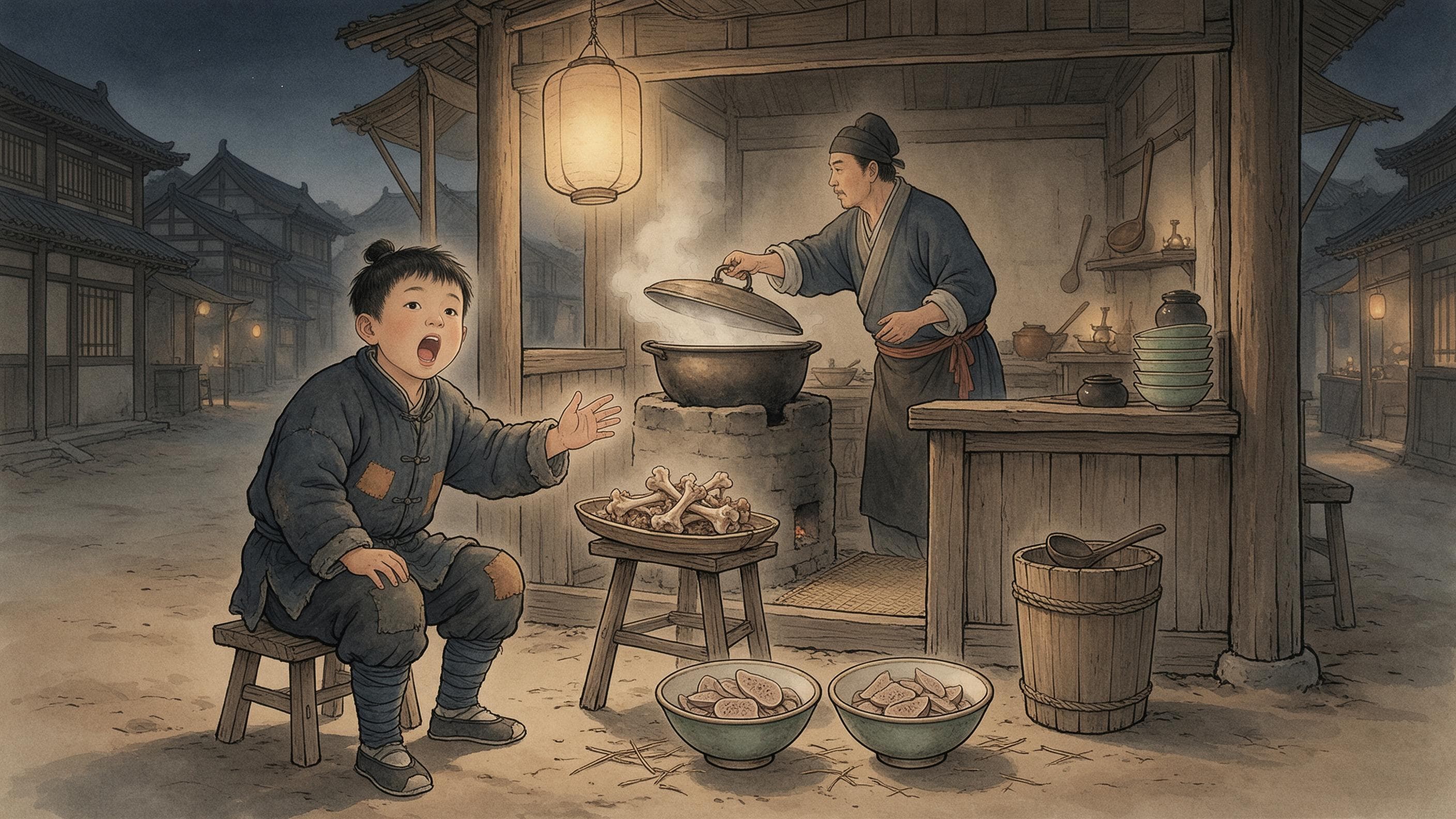
Latest stories
Browse all stories →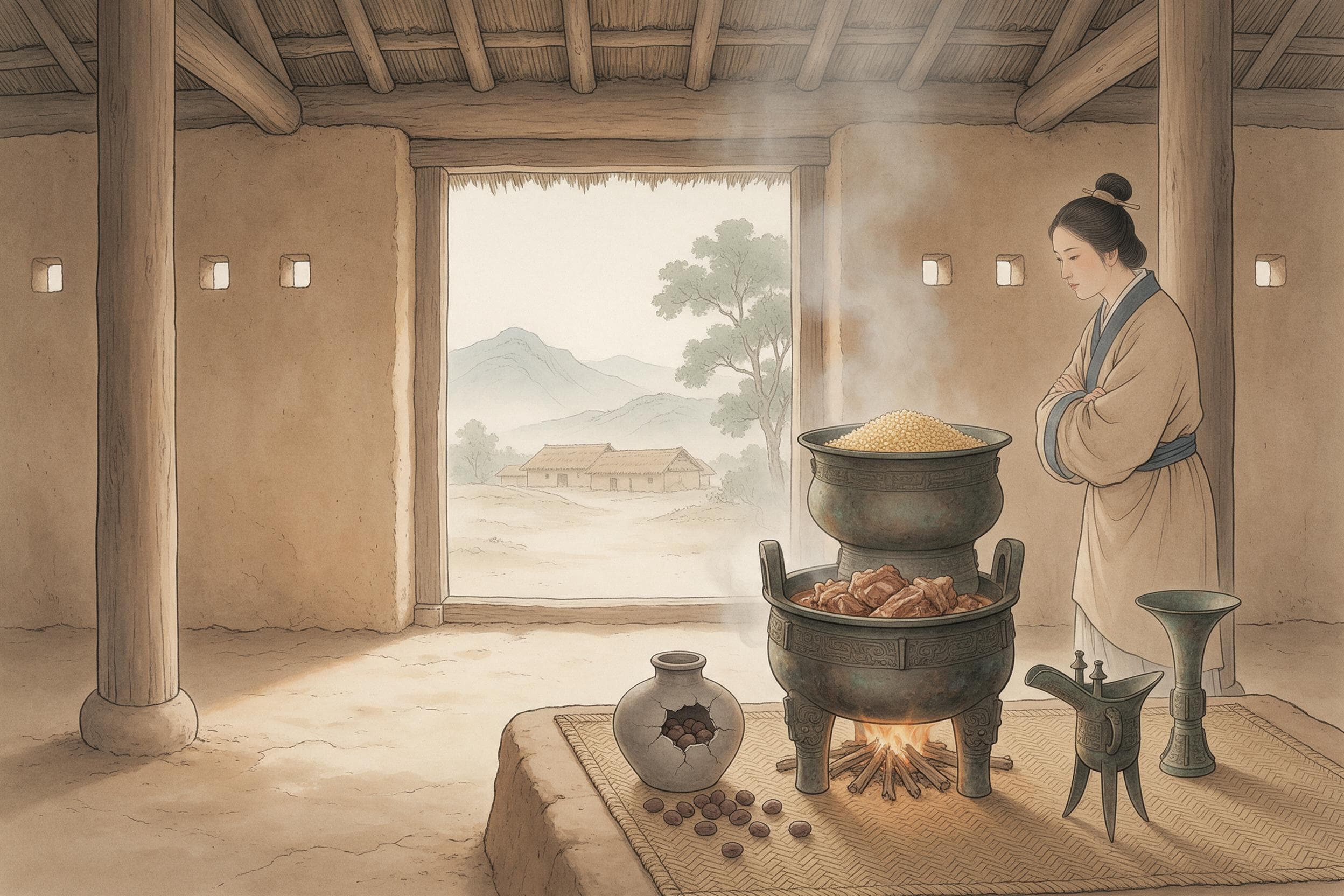
Nine Parts Millet: What Shang Diners Actually Ate
Bones from a Shang general's tomb show a diet that was nine-tenths millet, meat rationed by rank, bronze wine vessels in sets, and plum stones in a small jar.
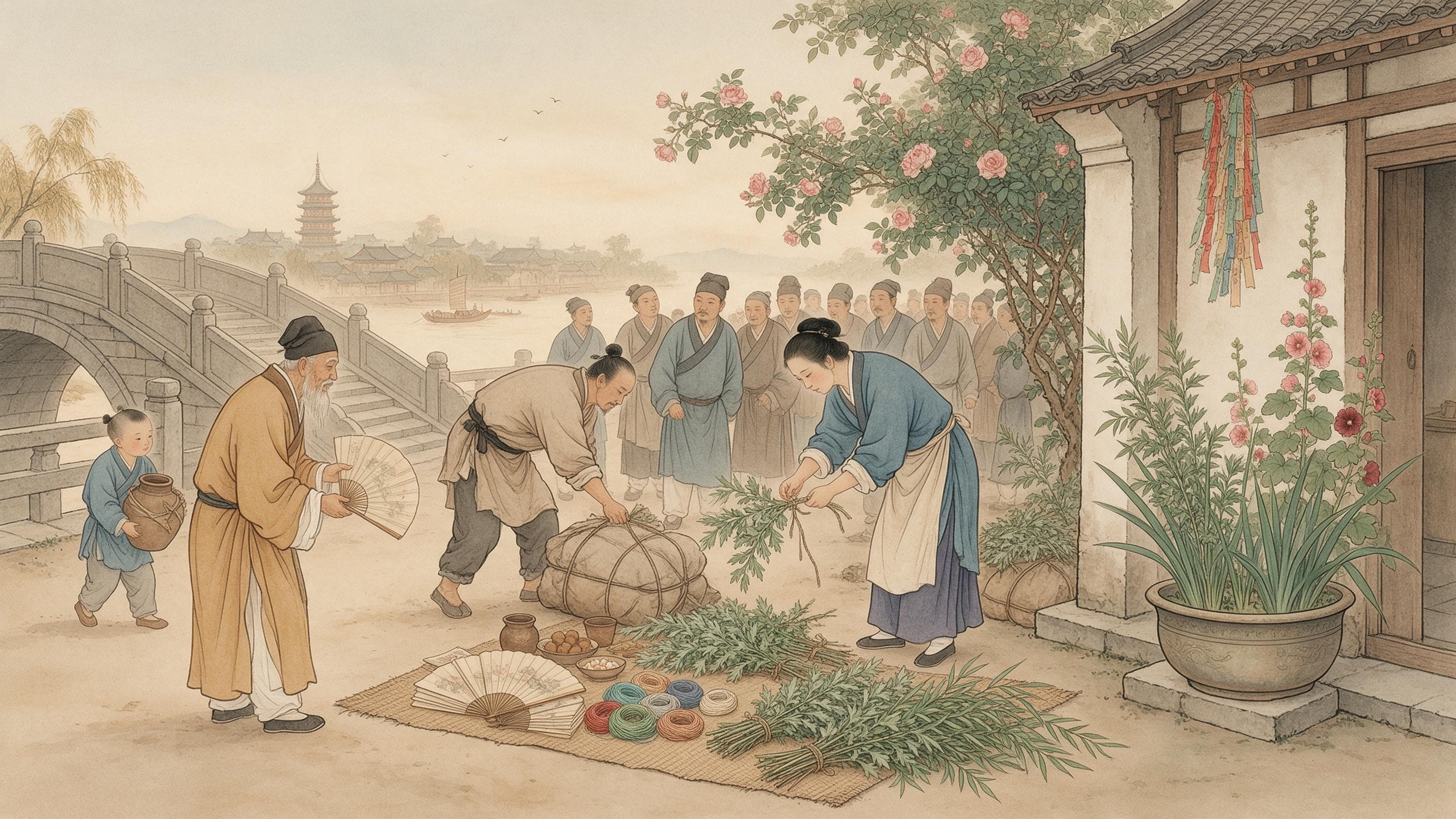
Four Days Before the Fifth: Buying a Song Festival
From the first of the fifth month Kaifeng's stalls sold peach, willow, hollyhock and mugwort. Six goods made the festival list, the fancy dumplings were built into towers, and every door set out a basin, even the poor.
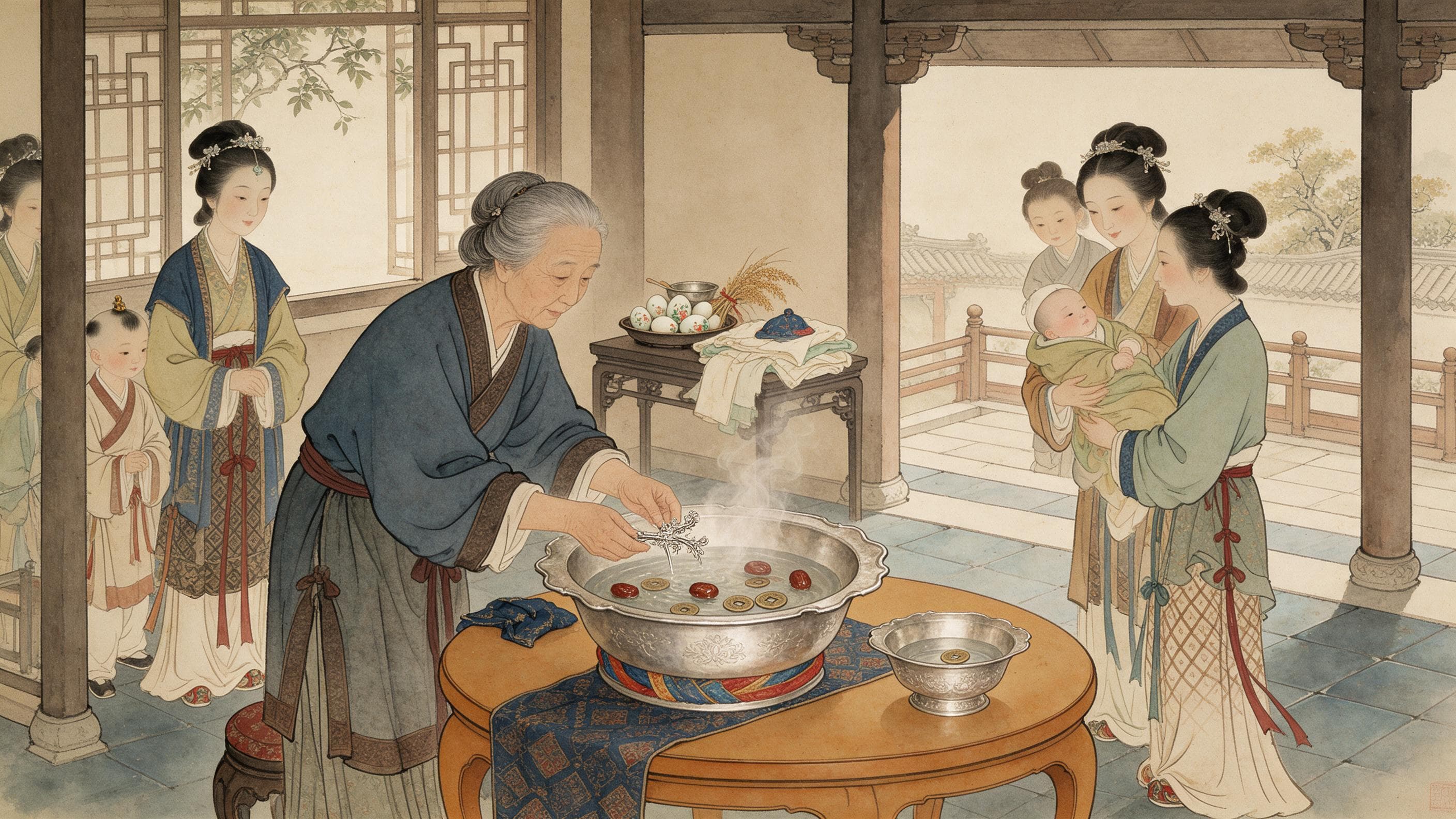
A Basin, a Hairpin and a One-Year-Old's Choice: Welcoming a Baby in Song China
In Song Lin'an a baby's first month ended at a silver basin of scented water, where guests threw in coins; at one year the child picked an object from a spread of seals, books, scales and needles.
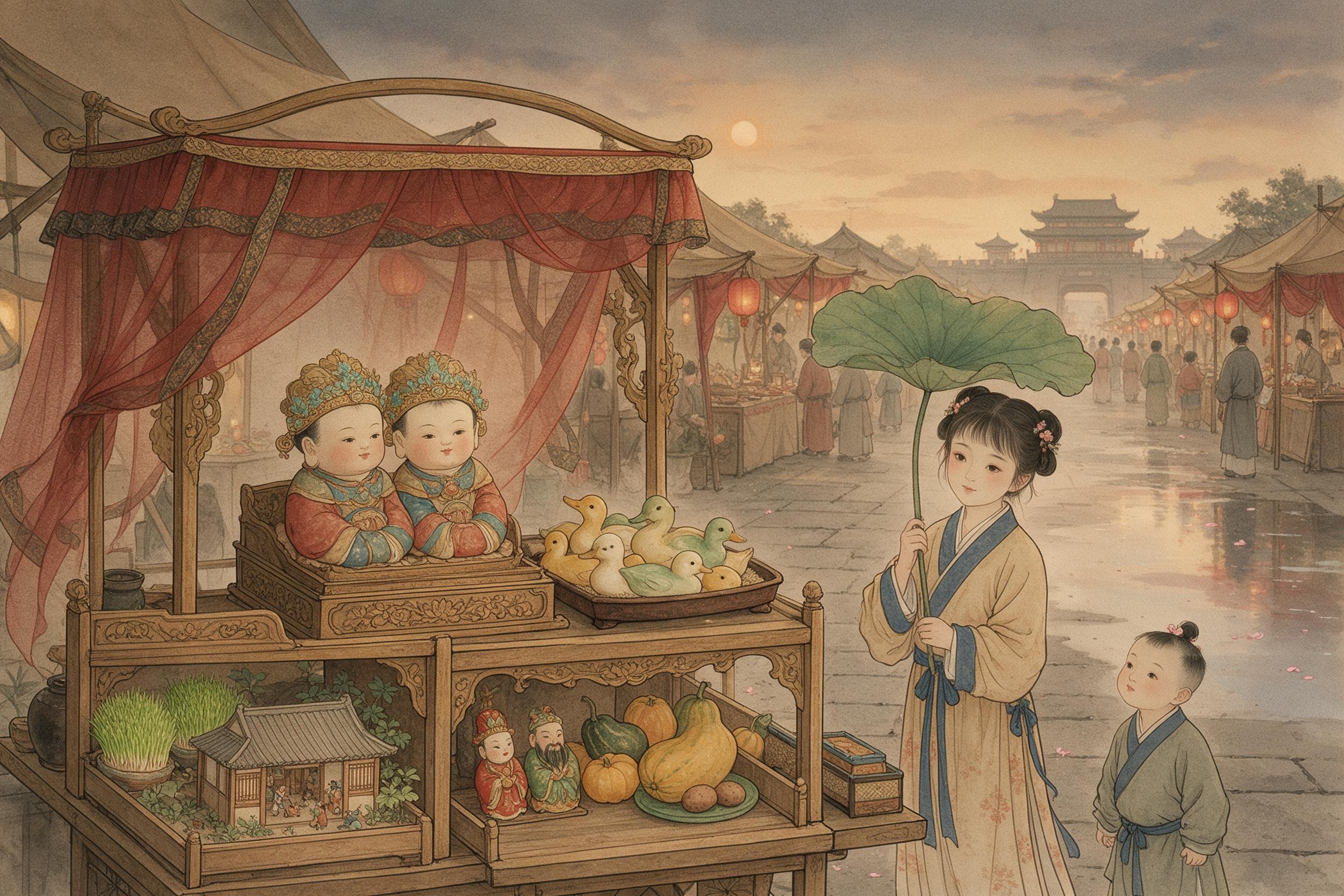
Mud, Silk and Gold: The Qixi Dolls of Song China
Before Qixi, Song market streets sold mohele — small clay dolls in carved stands under red gauze. One pair could cost thousands; by the Southern Song, the palace ordered three hundred a year.
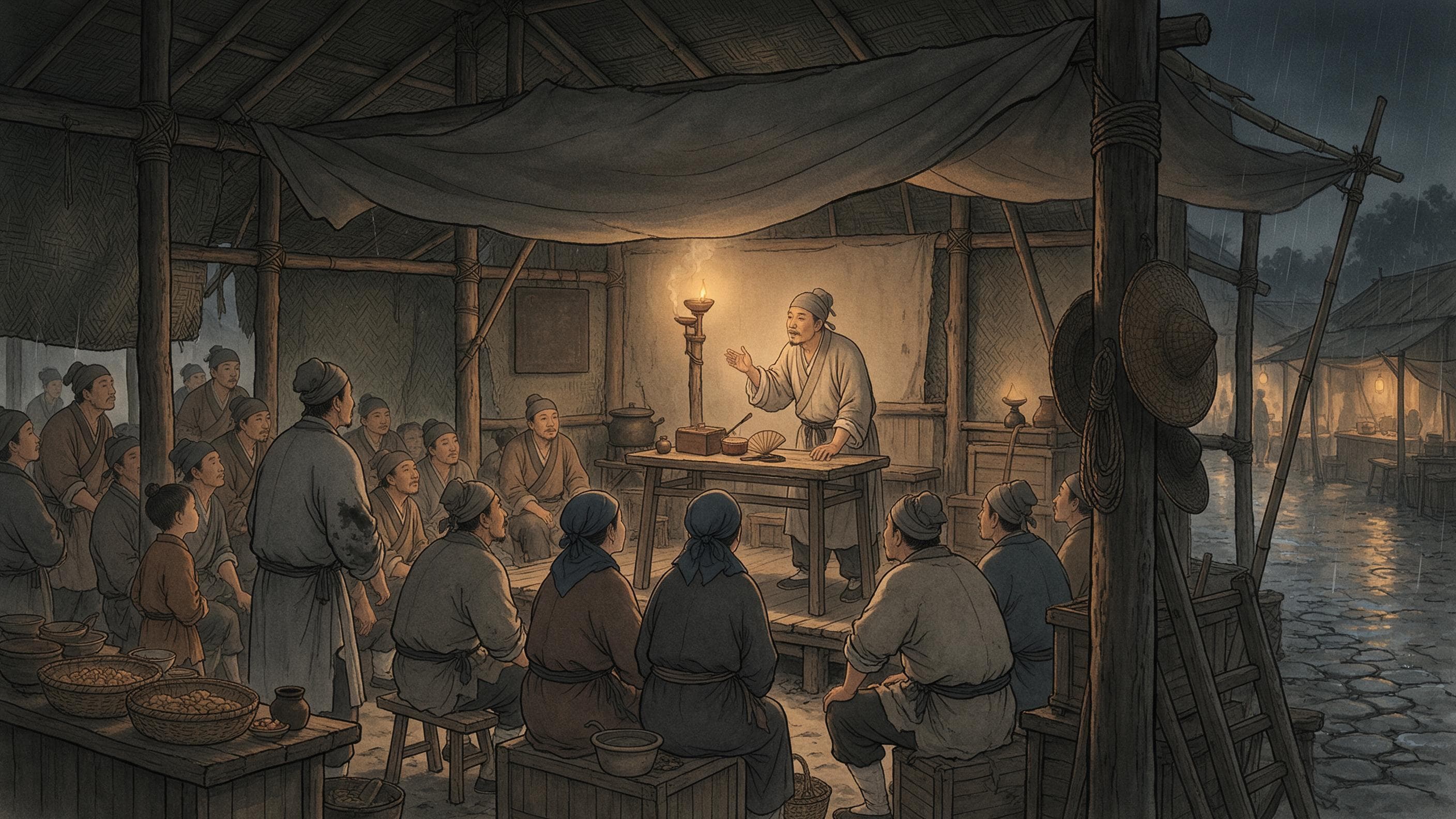
A Day in the Storytellers' Sheds
In Kaifeng's entertainment wards the storytellers split into four houses. Meng Yuanlao lists the men who told the Three Kingdoms and the Five Dynasties, and notes the sheds were full every day, rain or shine.
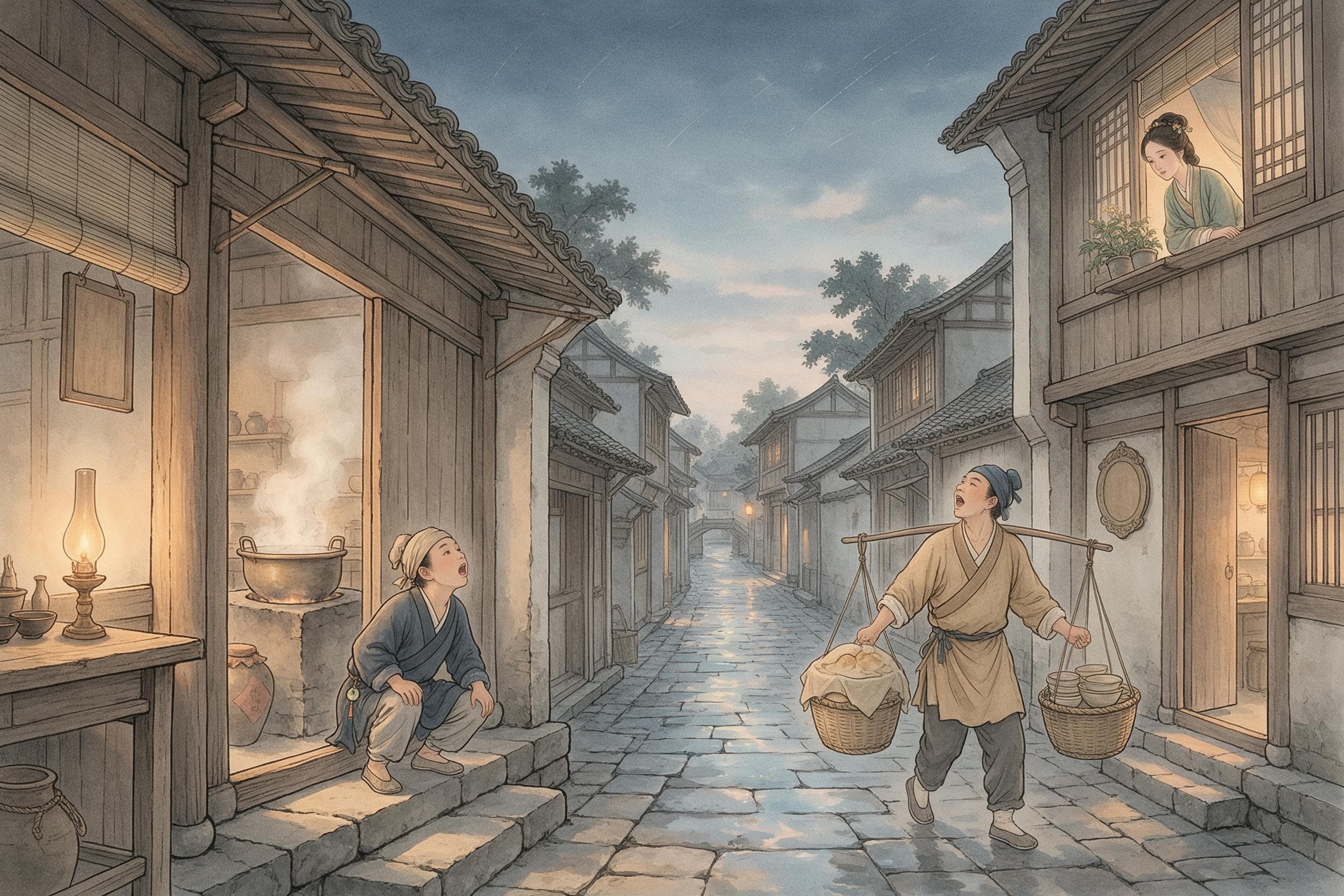
A Hundred Ways of Calling: How Street Cries Became Music in Song China
Before dawn in Kaifeng, food sellers were already 吟叫百端, a hundred ways of calling. Their cries were fitted to palace modes as a genre called 叫声, and Hangzhou kept a roster of men who lived by it.
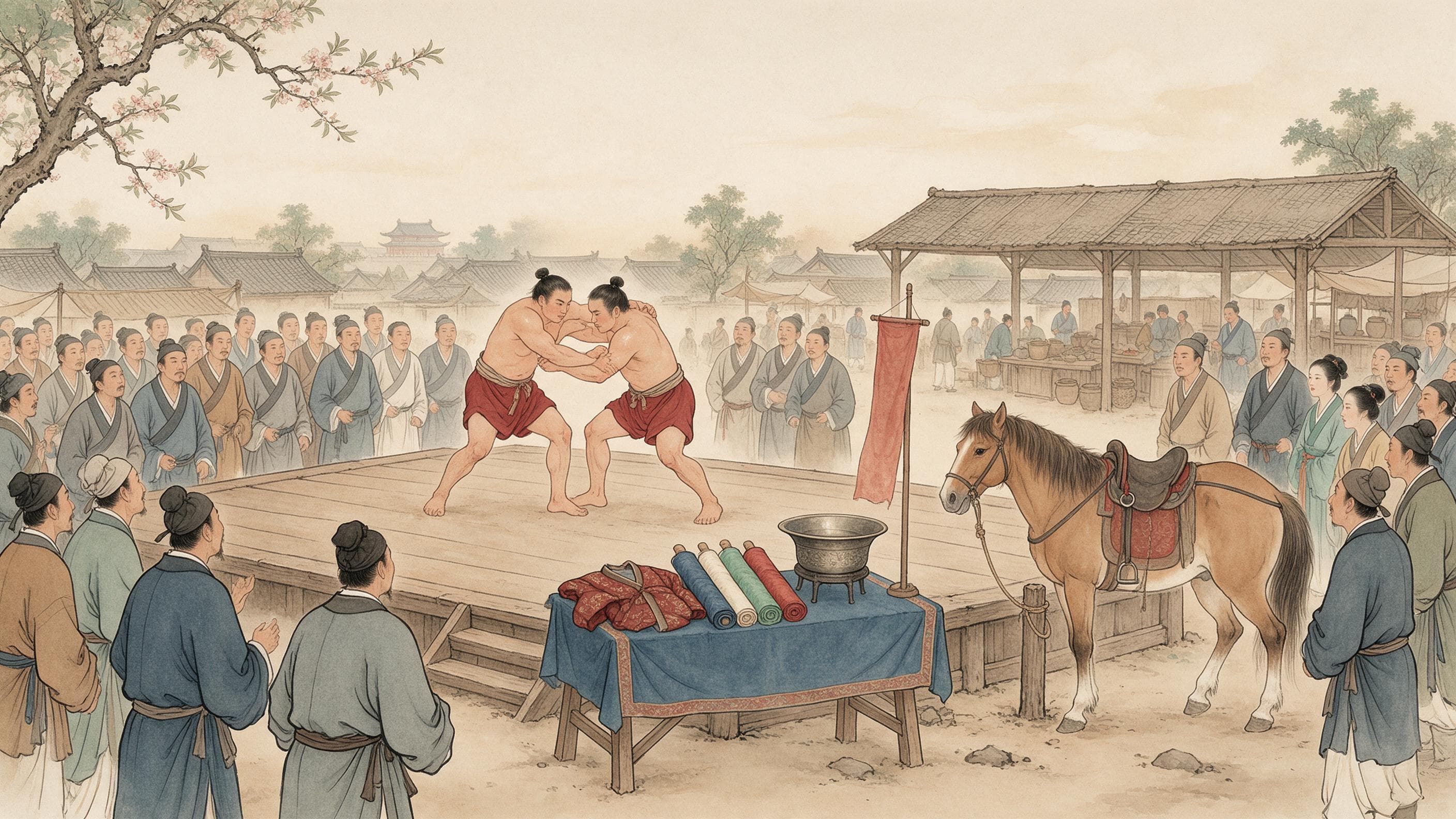
The Wrestler's Purse: Professional Wrestling in Song China
In Song cities wrestling was a paid trade: market fighters drew crowds with women's opening bouts, and the champion at a Lin'an terrace took a banner, a silver basin, silk, a brocade jacket, paper money and a horse.
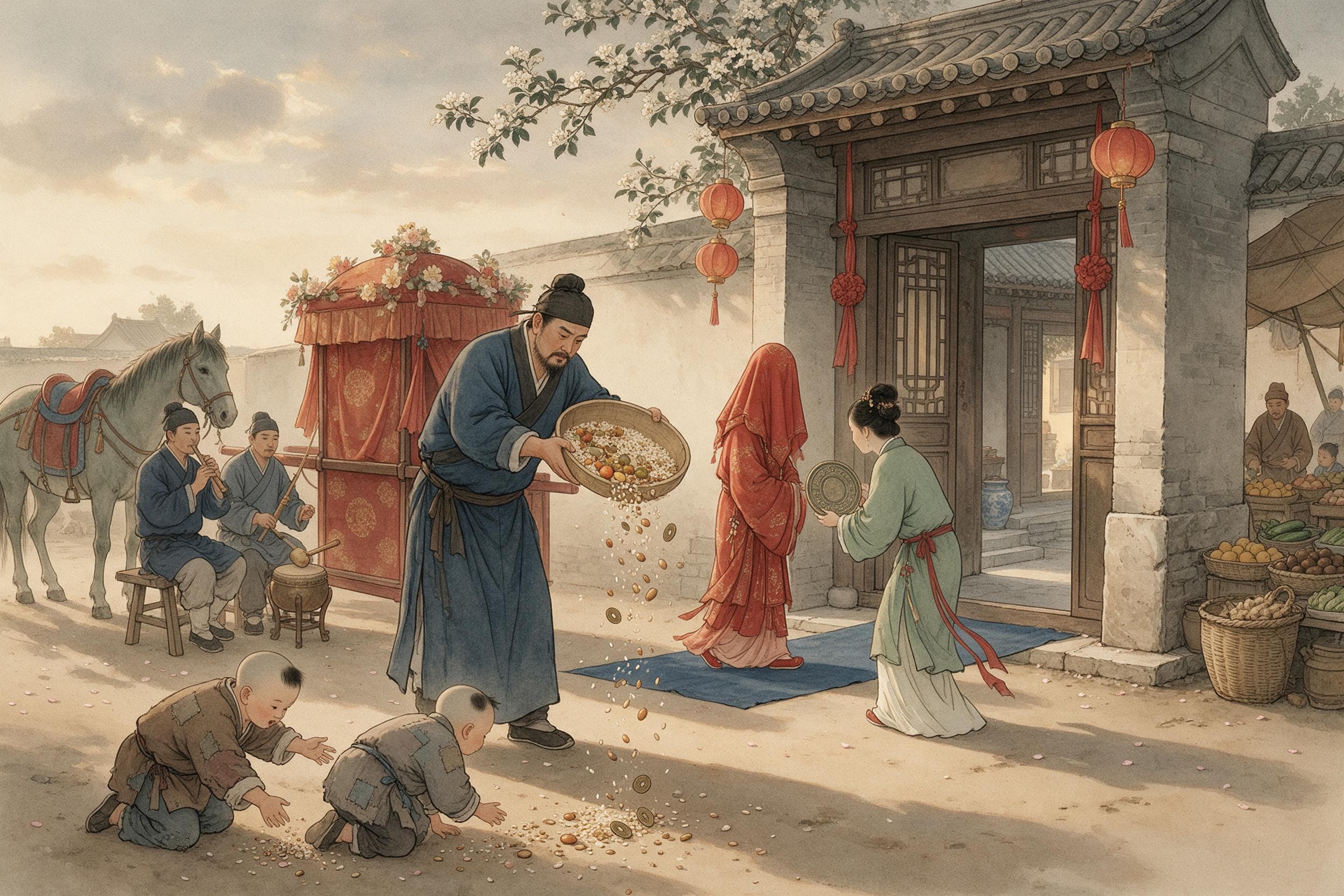
Two Cards and a Flowered Sedan Chair: How a Song Wedding Ran
A Song wedding began with two cards listing property, not with a couple meeting. Then came the hairpin, the grain thrown at the gate, the tied hair and the shared cup: a script the two capitals ran differently.
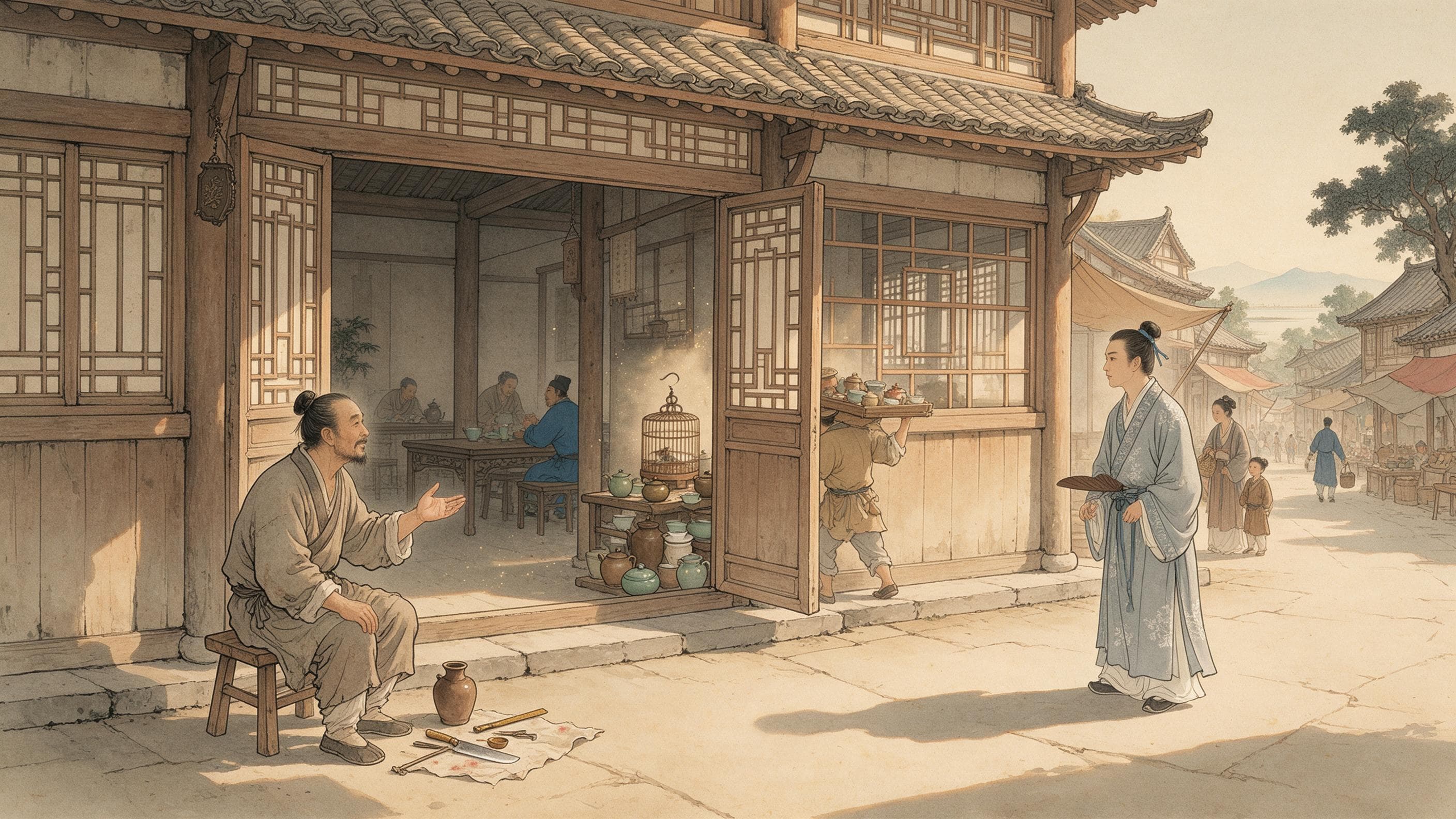
No Slot in the Roster: How the Idle Men of Hangzhou Made a Living
Two Hangzhou guidebooks keep a chapter on 闲人, men with no trade who lived off the rich: lettered hangers-on, bird handlers, barbers who brokered deals, and men who sold a greeting.