
Editor’s pick
Song · Daily Life
What Kaifeng Ate Before Daylight
In the Northern Song capital, breakfast started at the fifth watch with a monastery runner's wooden fish, a hundred bakery ovens, and a bowl of gourd soup for ten cash.
Read the story
Latest stories
Browse all stories →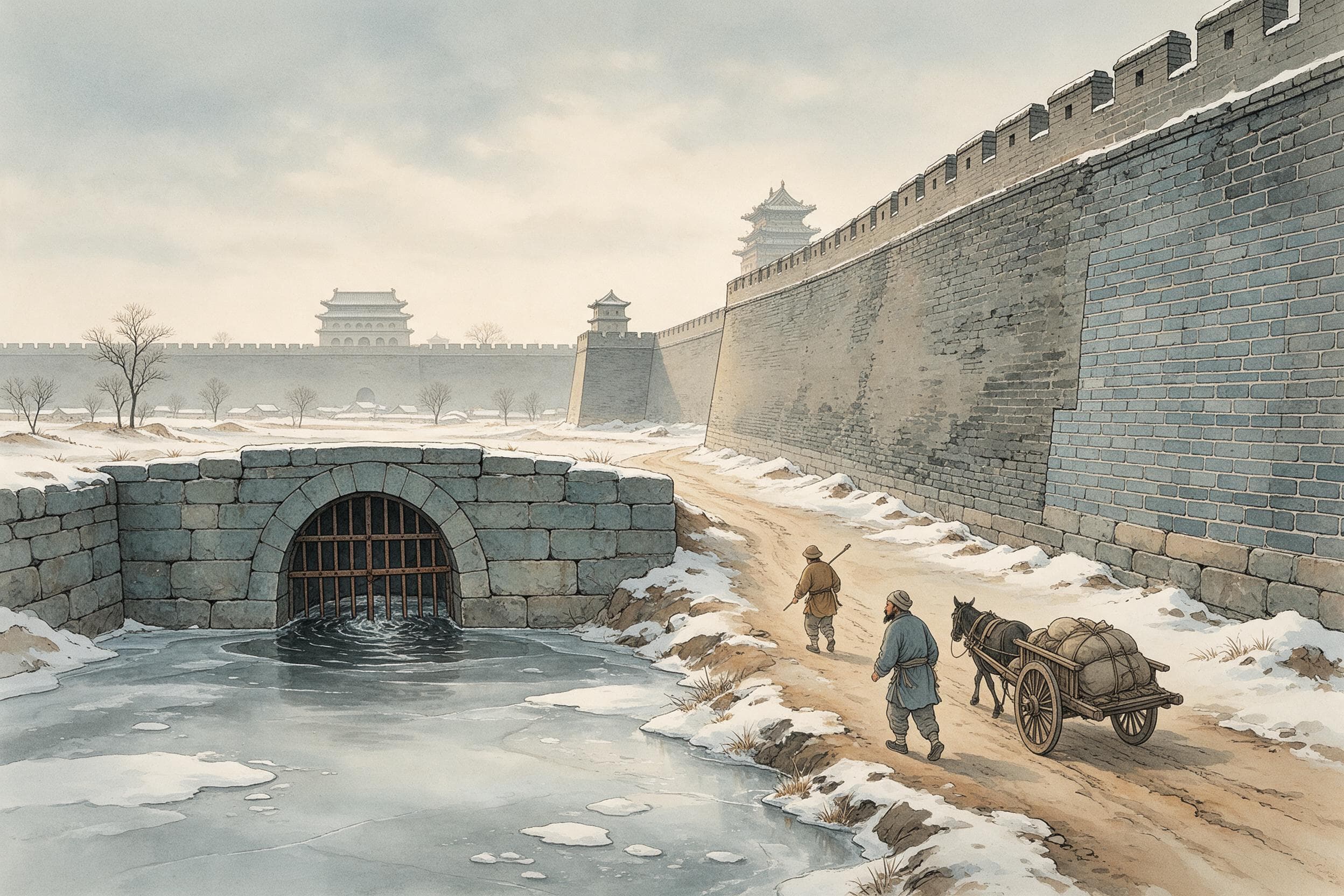
Forty Li, Nine Gates, Seven Water Gates: How Qing Beijing Was Walled
The Qing code: an inner city forty li round, nine gates and seven water gates; an outer city twenty-eight li, seven gates and three. The walls are set out in zhang.
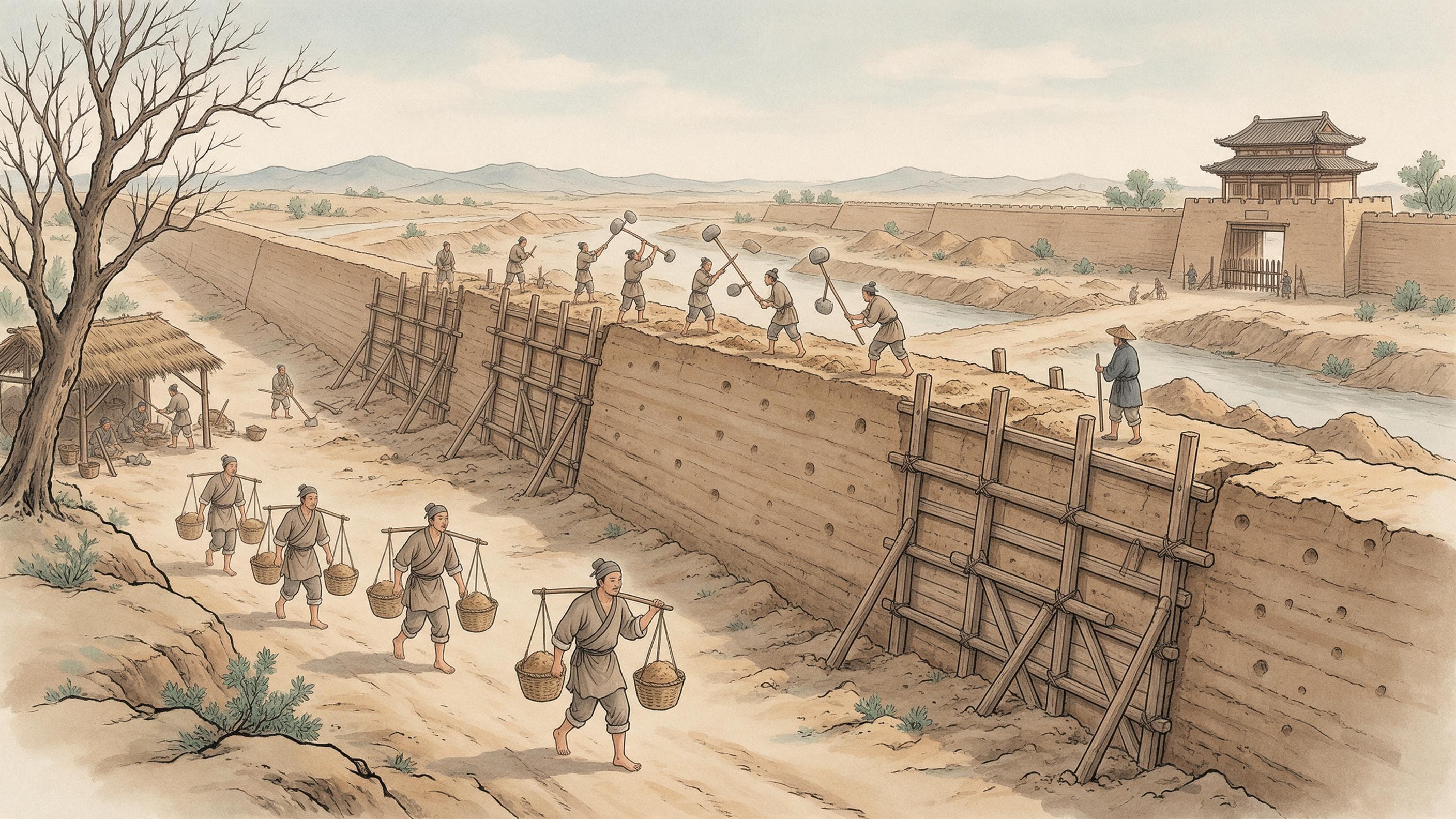
Sixty Li and Nine Li Thirty Paces: Measuring Khanbaliq
The texts say the city was 'sixty li square with eleven gates'; the survey measures about 28,600 metres round. Two sets of figures, set side by side, are what can be known of the Yuan capital.
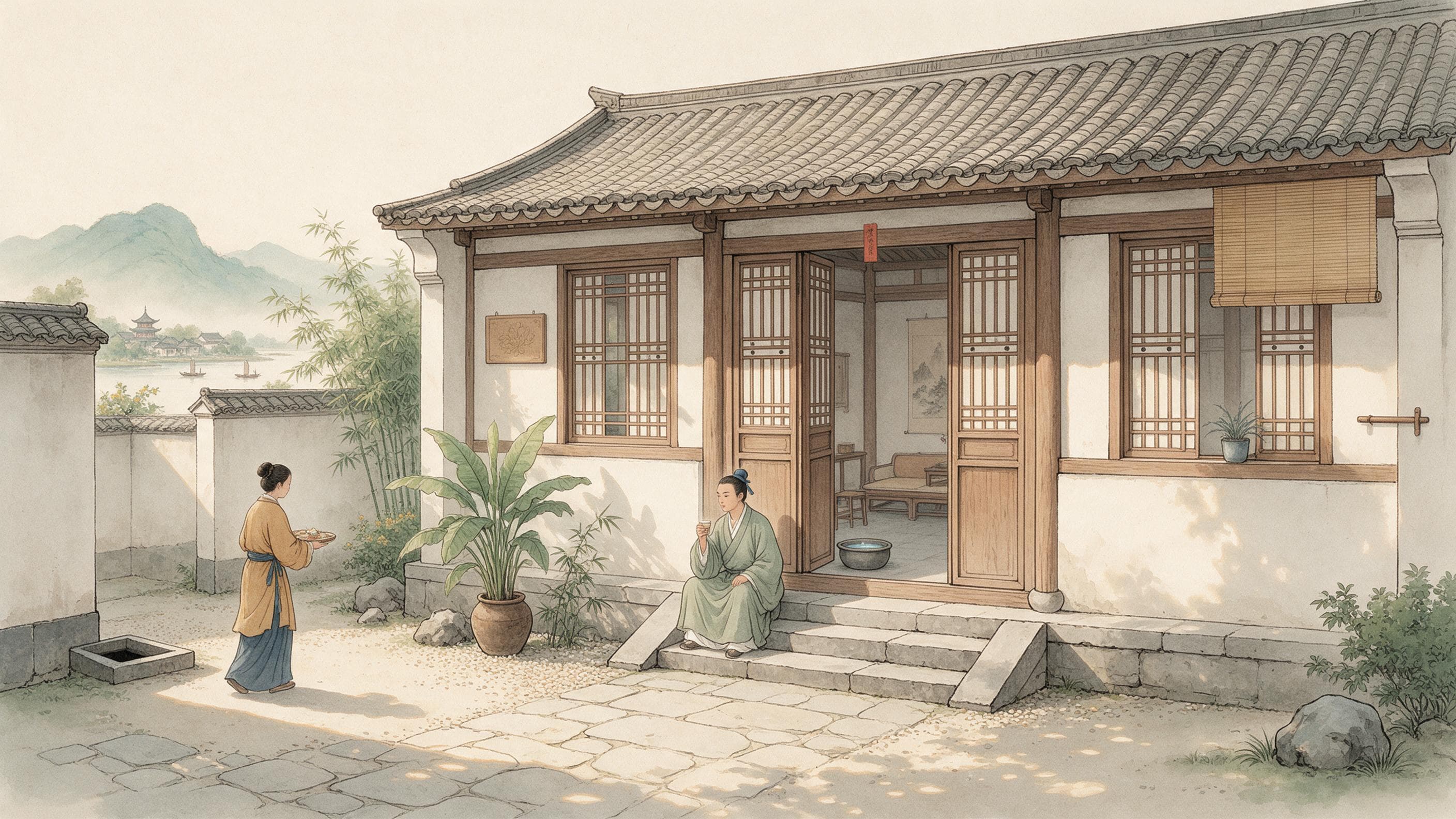
Three Bays, Five Beams: Where a Ming House Got Its Size
In 1393 commoners' houses were capped at three bays and five beams; in 1447 the rule was relaxed for houses 'with more beams but fewer bays'. The size of a house came out of just such clauses.
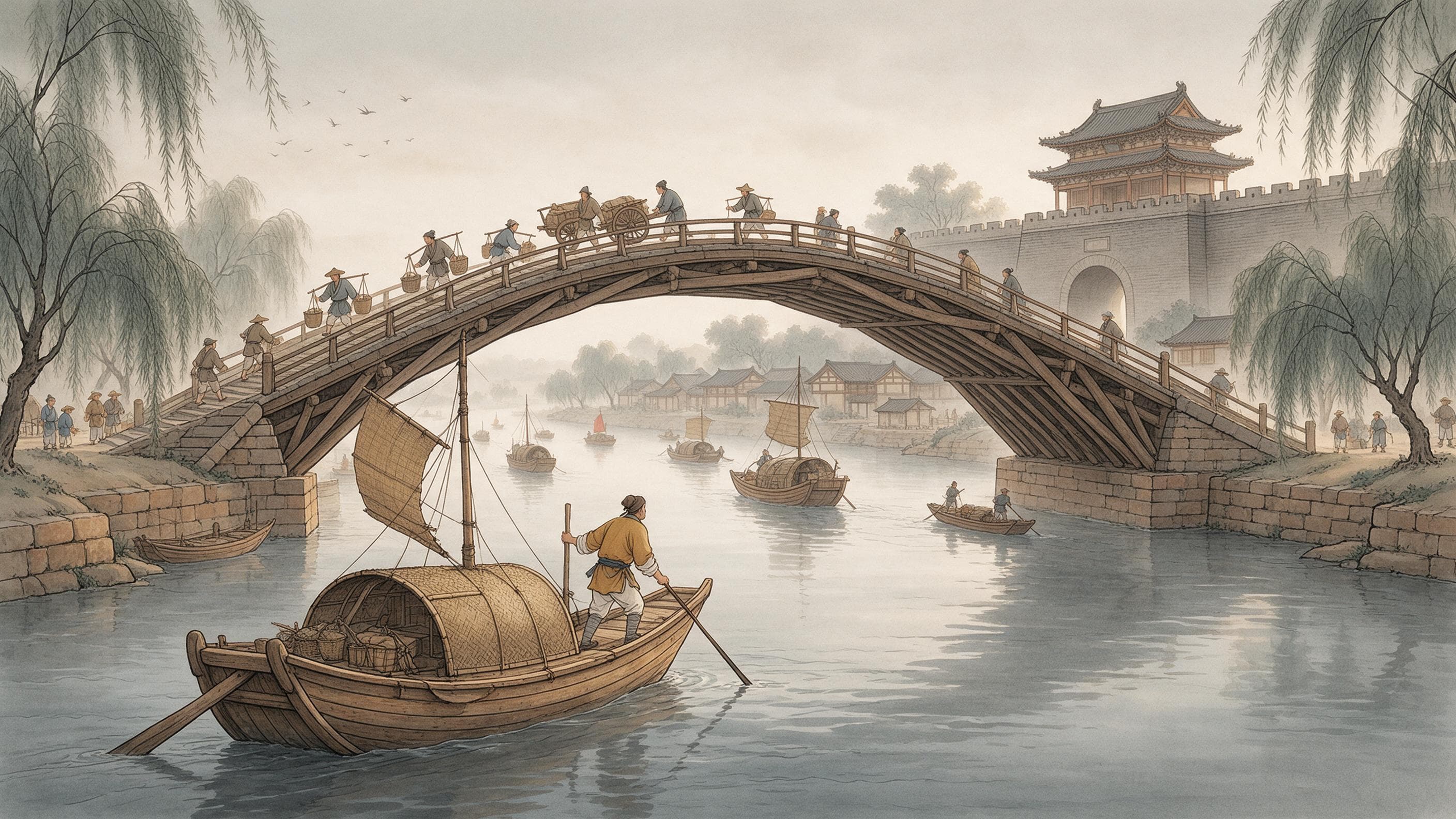
Four Rivers, Twenty-Four Bridges: Getting into a Song City by Boat
Four rivers ran through the Northern Song capital, with eleven bridges on one and thirteen on the other; one bridge was too low for boats. Six chi of water, six million shi a year, and the names of Lin'an's boats.
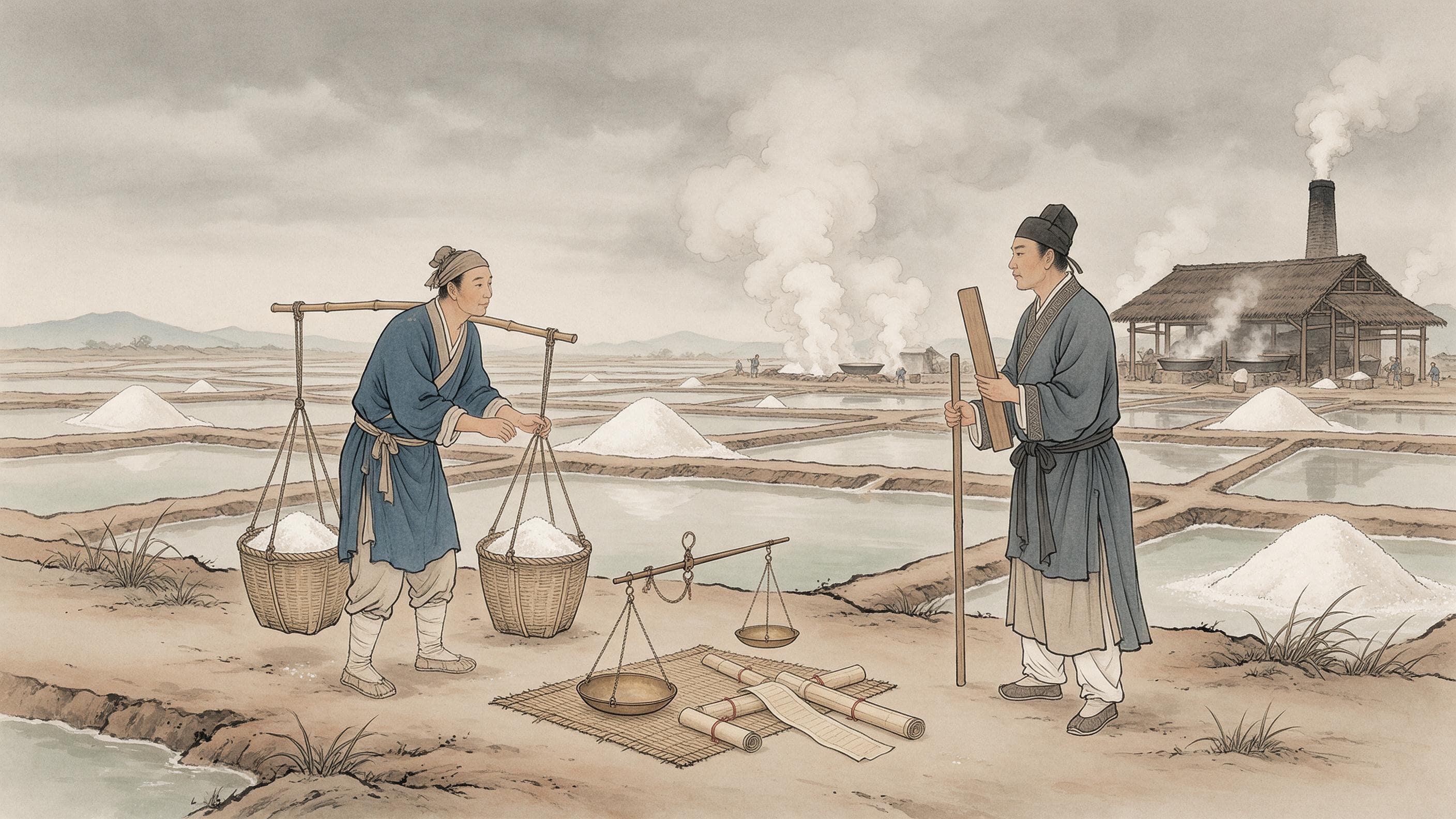
How Many Strokes for Smuggling Salt: A Ming Statute, Its Sub-Statutes, and a Quota Table
A hundred strokes and three years for private salt, one degree more with weapons, beheading for resisting arrest; the sub-statutes add a 3,000-catty line and exempt the poor who carry salt to trade for rice.
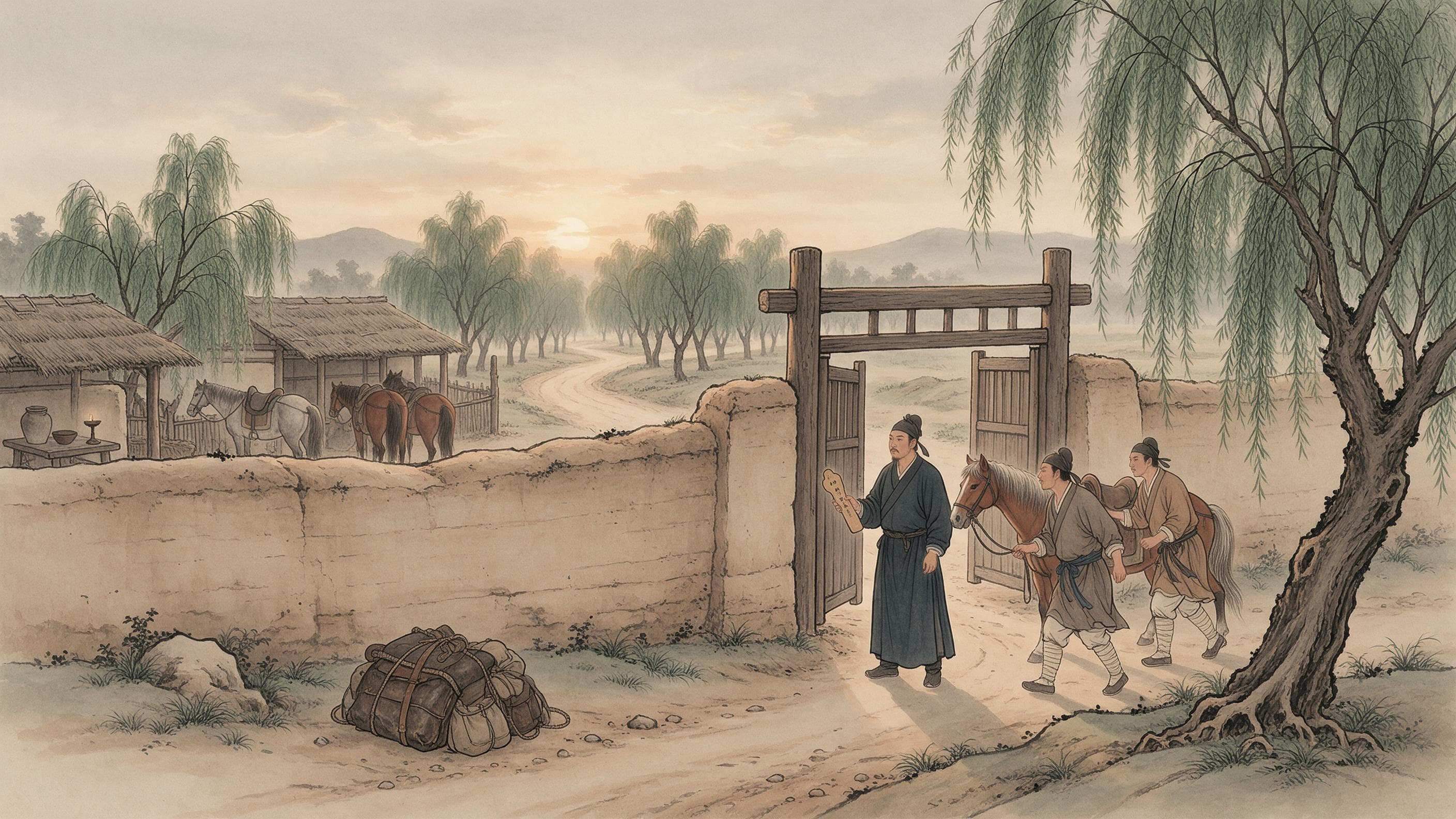
From Chang'an to Luoyang: A Day on the Tang Post Road
One station every thirty li, 1,600-odd in the realm, each with a master, horses and boats, and every traveller needing a pass. The rules are neat; the totals are not.
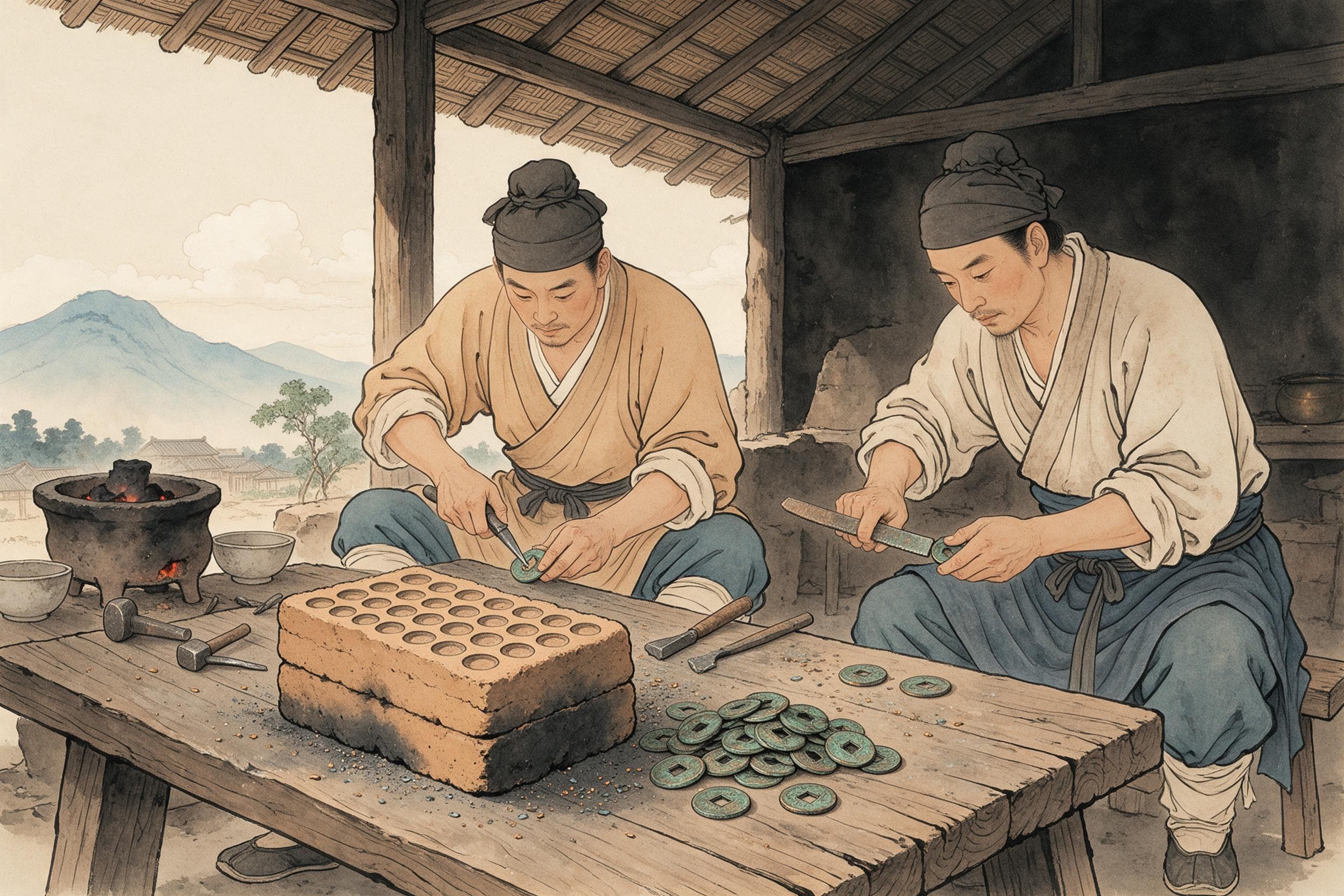
Who May Cast the Coin: The Five-Zhu and Three Seizures of the Mint
In 118 BCE the half-liang was abolished and the five-zhu introduced, with a raised rim so the bronze could not be scraped off. Within twenty years the mint passed from the provinces to the capital to the imperial parks.
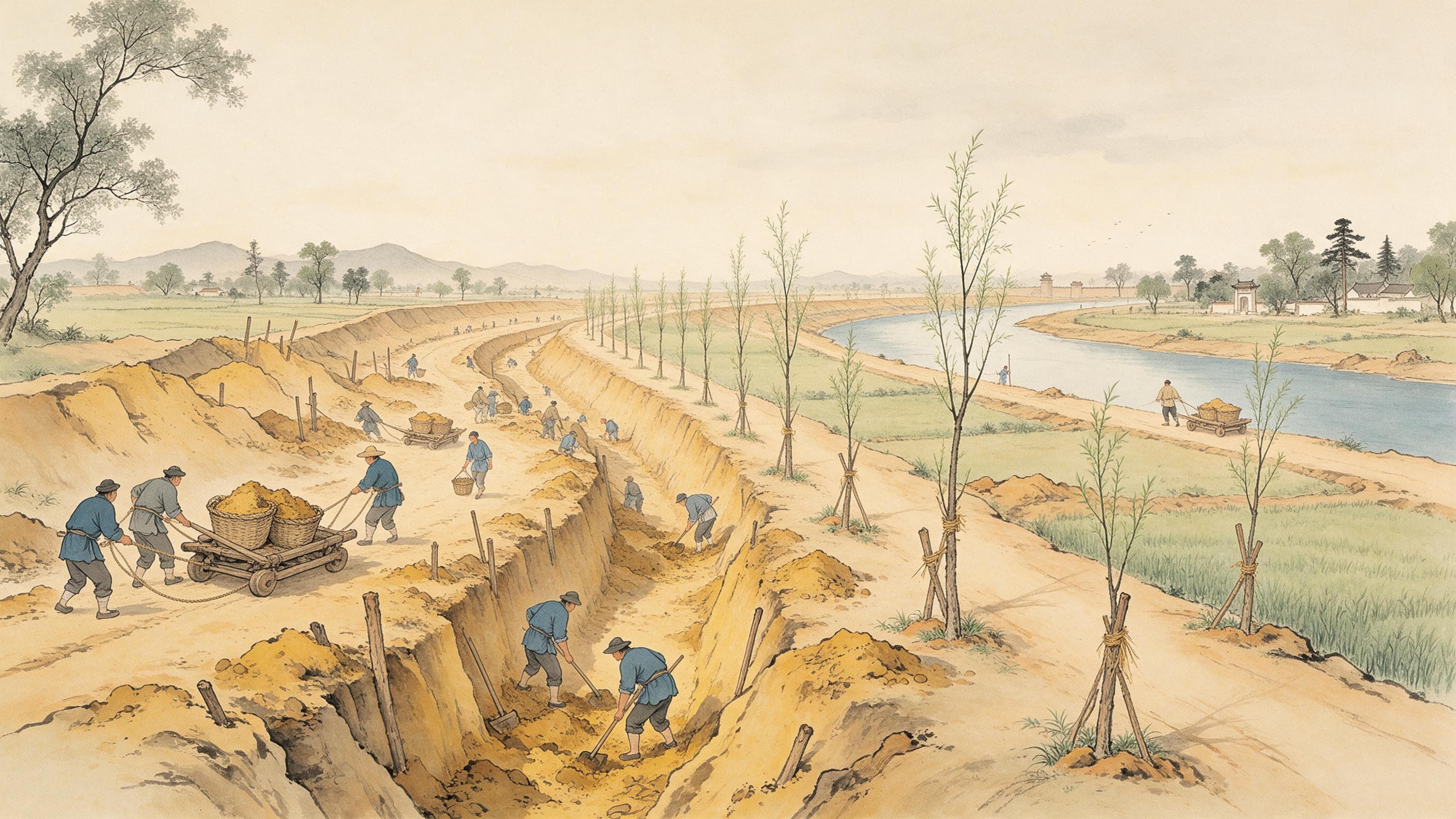
The Ledger of a Canal: How the Sui Dug the Tongji and Yongji
In 605 a million men and women from Henan were levied for the Tongji canal; four years later Hebei was levied for the Yongji. Two sources disagree fivefold on the numbers.

Thirty Years for One Book: How the Bencao Gangmu Was Assembled and Reached the Court
The proper name as the key and the explanations as the entries: that is where the title comes from. Thirty years, eight hundred books, three drafts — and three sources that disagree on the total.