
EVERYDAY LIFE · SHANG TO QING
Stories
Small questions open a window onto a different world.
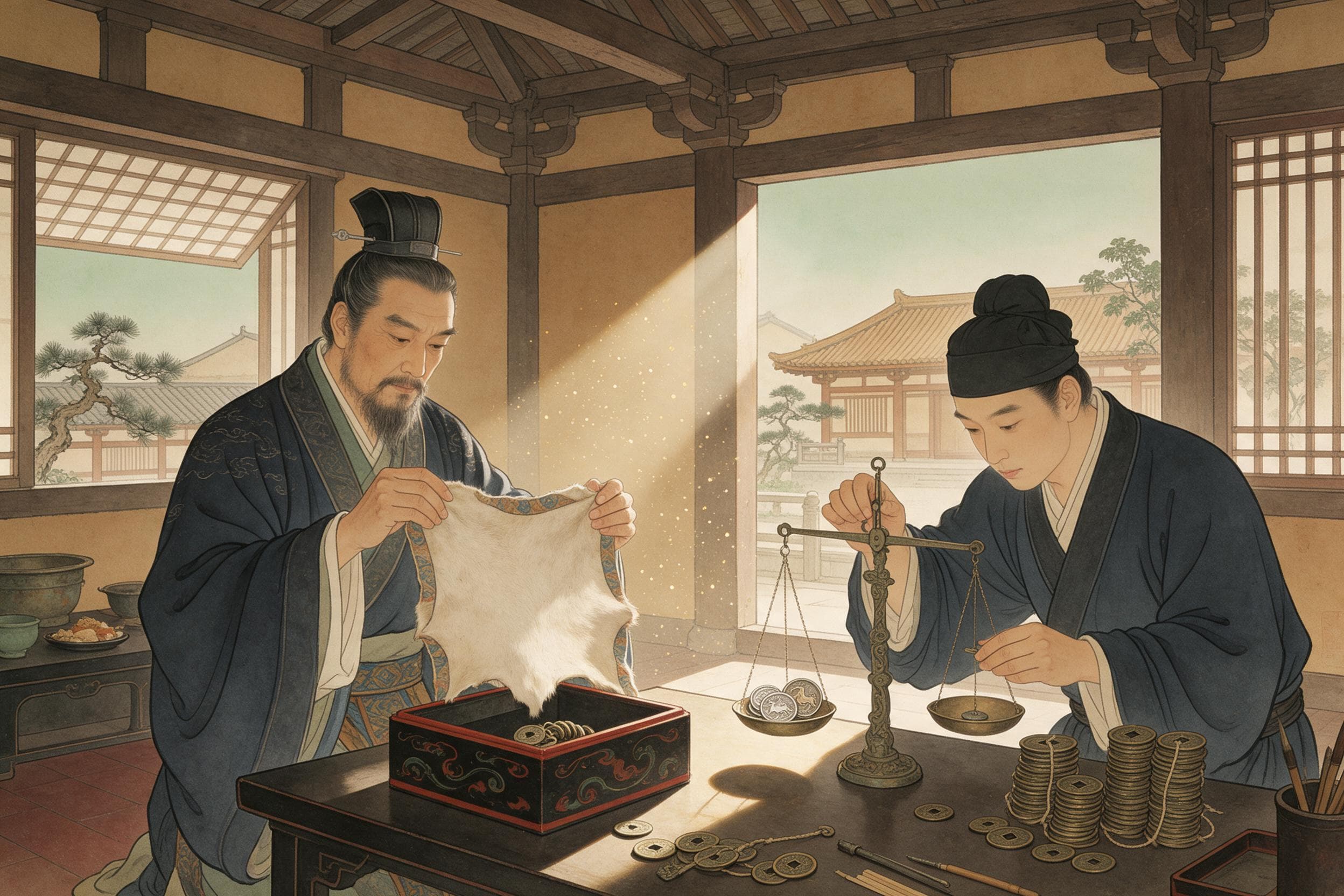
A Deer Hide Worth 400,000 Coins: Han China's Money Experiments
A foot-square of white deer hide priced at 400,000 coins and required at court; silver pieces valued at 3,000, 500 and 300 by their designs; a red-edged coin passing for five. All of it failed.
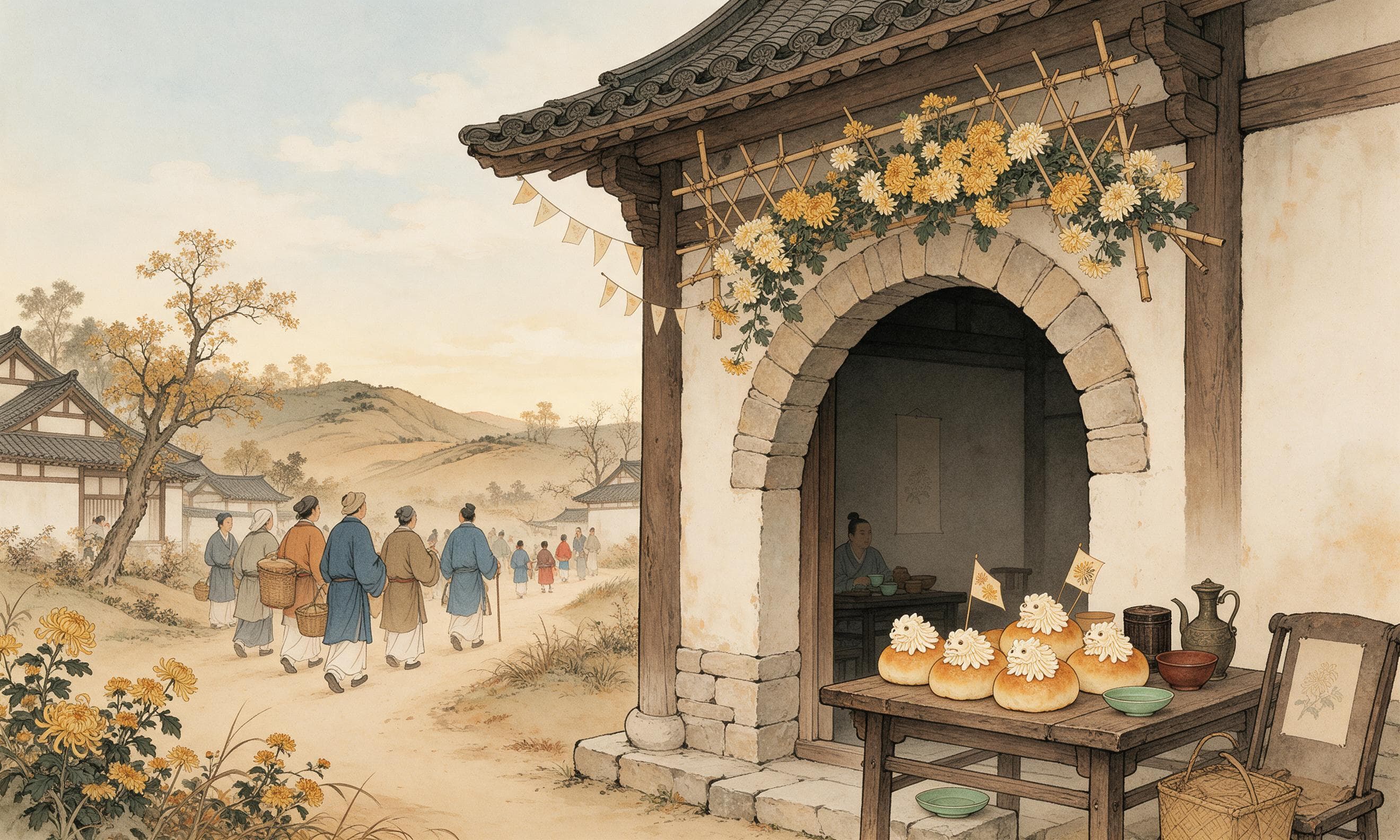
Double Ninth in Song China: Named Chrysanthemums, Lion Cakes and Palace Lanterns
In Song China the ninth day of the ninth month brought five named chrysanthemums, flour lions on steamed cakes, hilltop feasts and, in the palace, chrysanthemum lanterns lit as at New Year.
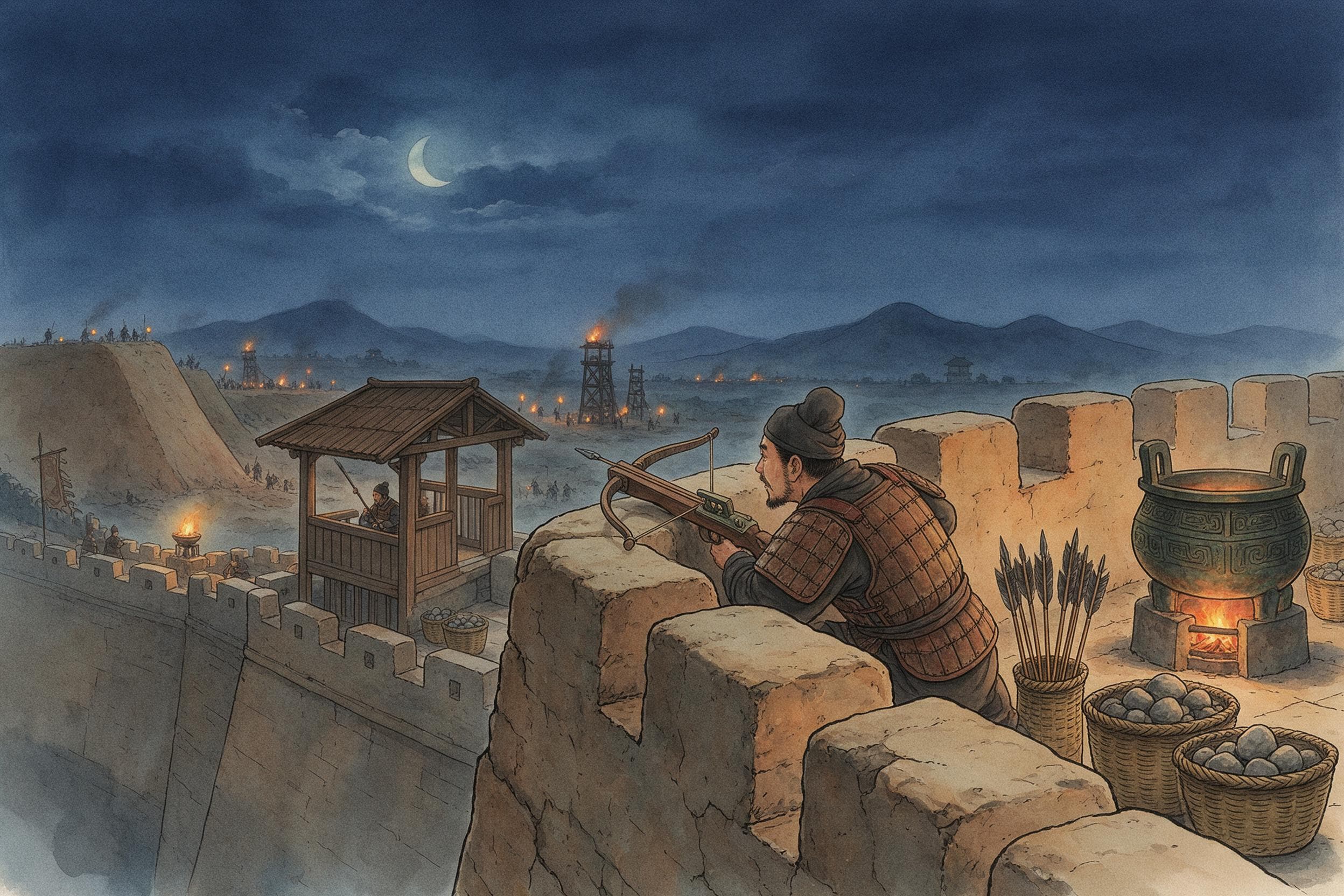
One Crossbow, Fifty Paces of Wall: The Working Life of a Warring States Siege
A Qin crossbow trigger like those from the terracotta pits; a Mozi manual that assigns men, stones, water and torches to every fifty paces of wall — instructions for holding a city, not battle reports.
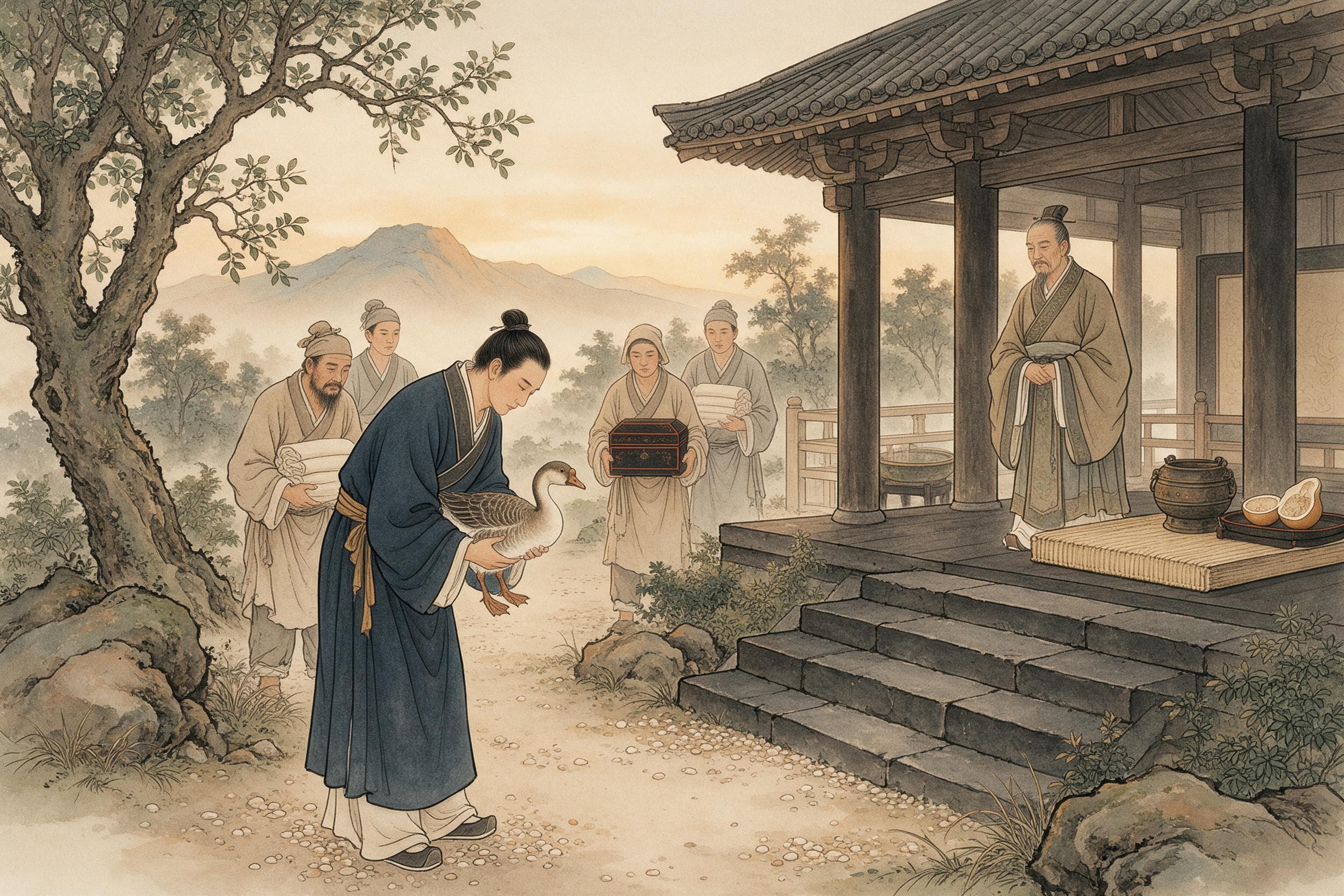
The Goose and the Gourd: Marriage Rules and Real Marriages in the Spring and Autumn
The ritual books set out six stages, a go-between, a gift and a ban on same-surname marriage; the Zuo Zhuan records political unions, accompanying women and one duke who took his son's bride.
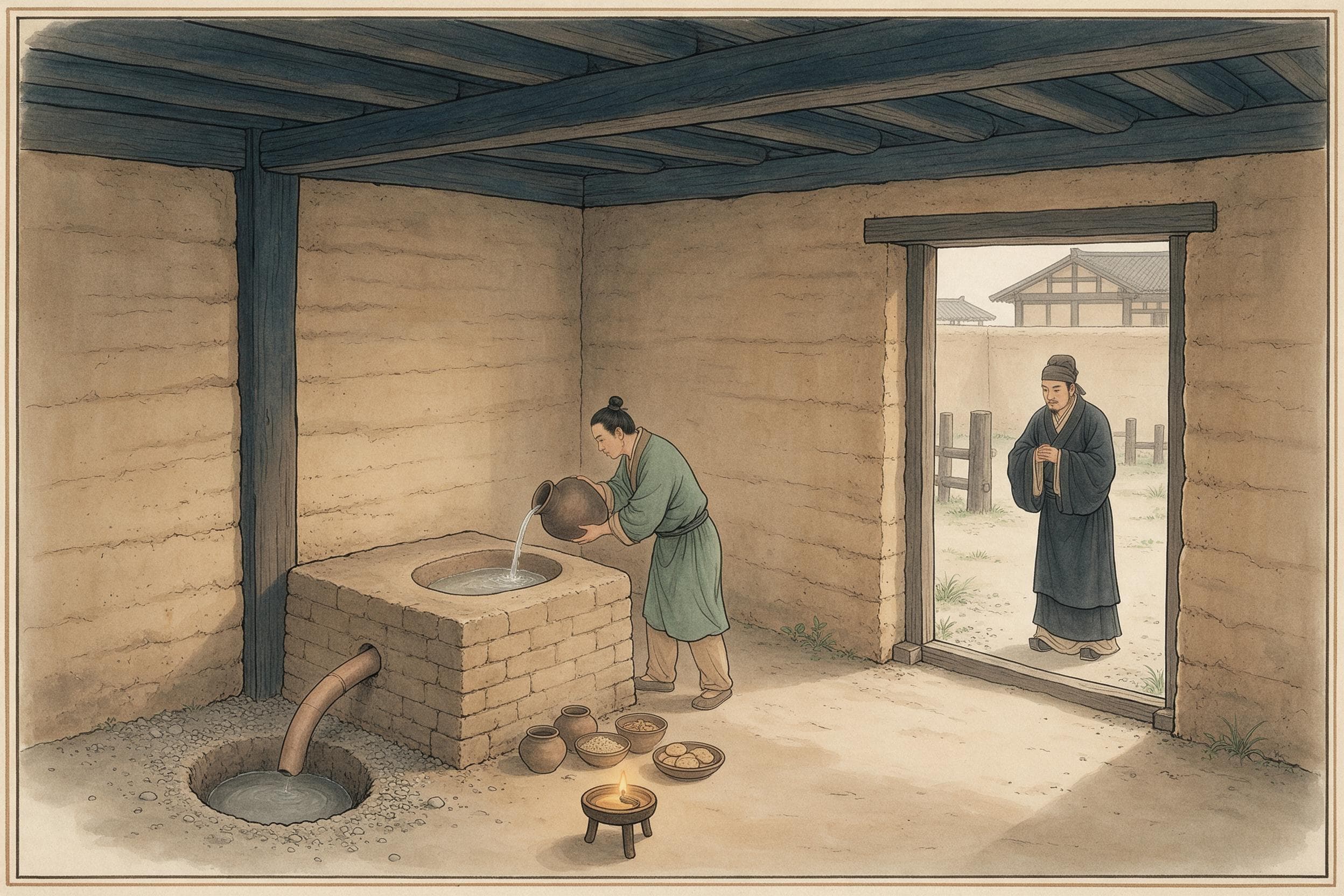
How People Went to the Toilet in Warring States China
In 581 BCE a Duke of Jin fell into a privy and died. Two centuries later a Qin palace had an indoor toilet with a bent pipe and servants pouring water — the first flush toilet found in China.
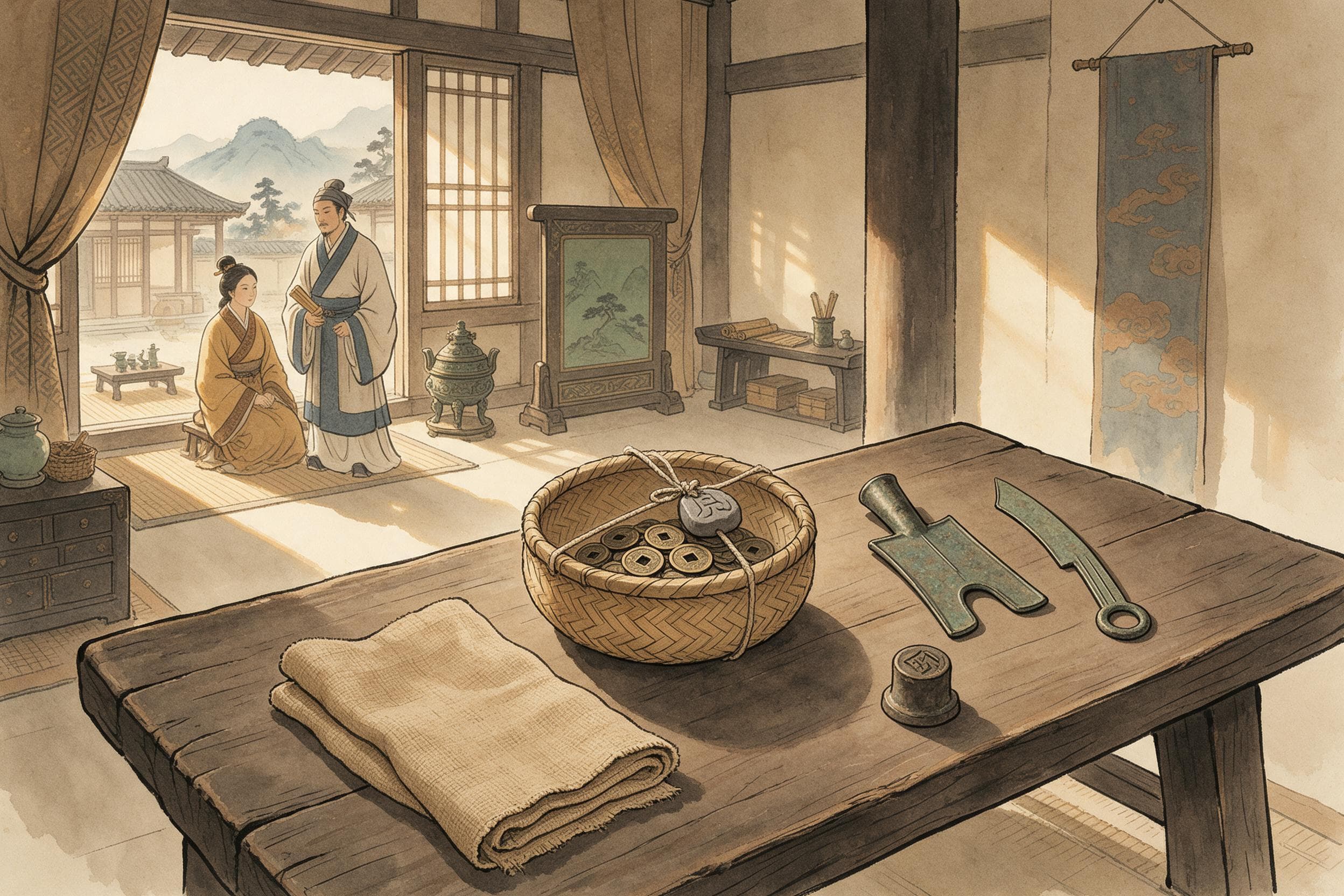
Spade, Knife, Ring: What Money Looked Like in the Warring States
Warring States coins were cast in the shapes of tools; a Qin statute adds the rules — cloth of legal size, eleven coins to the bolt, no refusing bad coin, a thousand coins sealed in a basket.
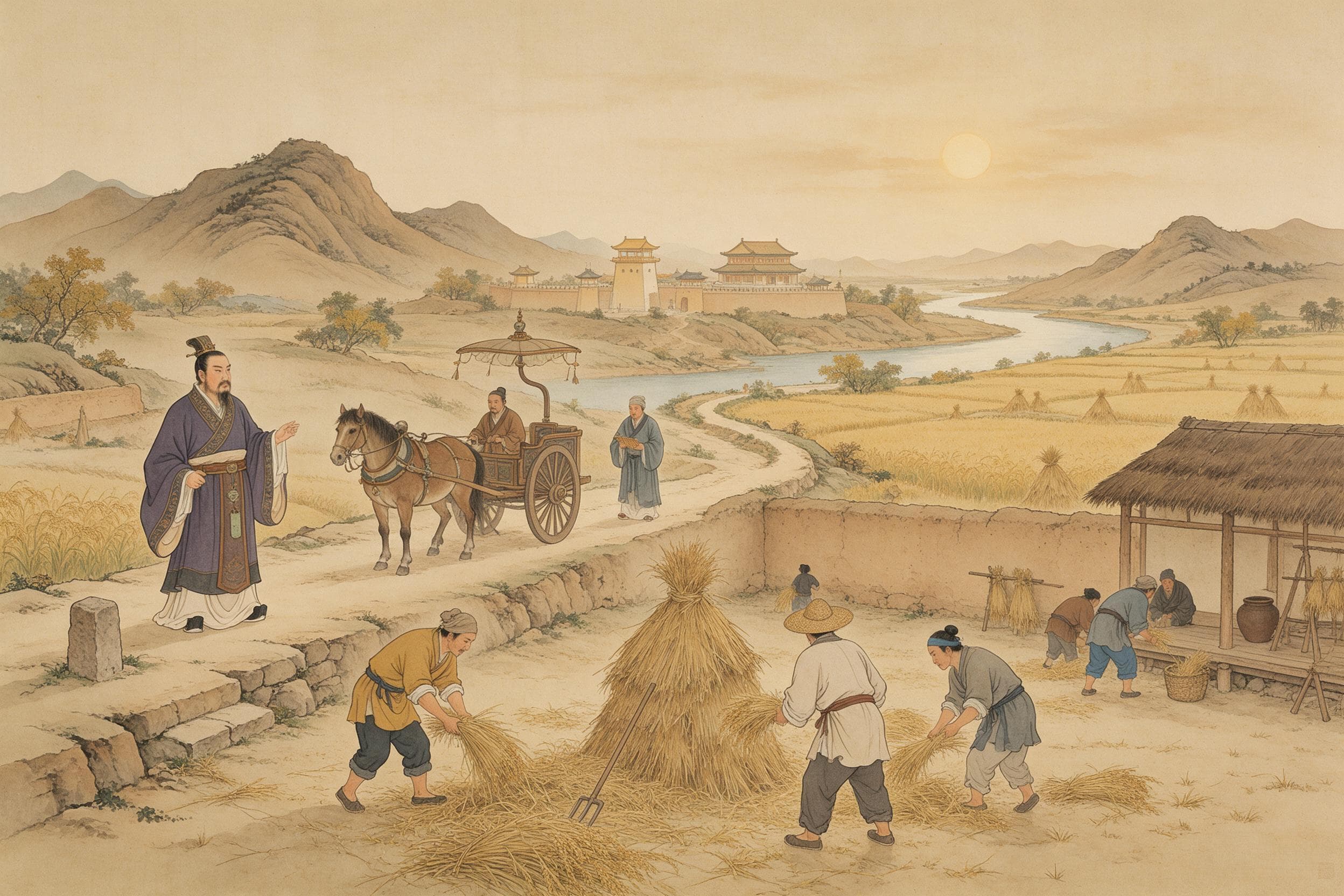
How a Spring and Autumn State Counted Its People
In 590 BCE Lu levied armour by the 'qiu'; in 589 Chu counted households before marching; at An, Jin asked for eight hundred chariots. How the counting was done is not recorded.
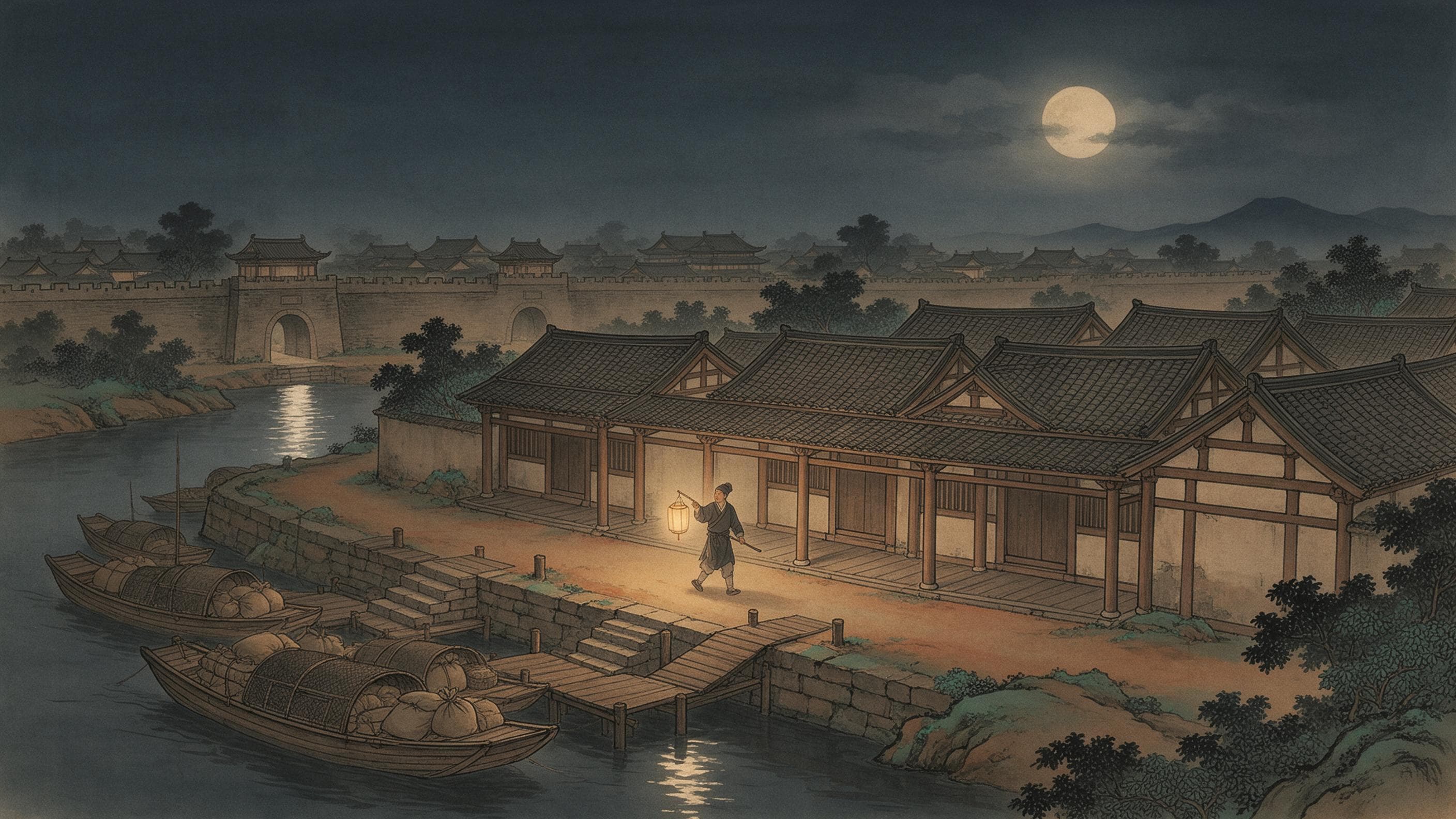
Water on Four Sides: The Warehouse Business of Song Lin'an
Inside Lin'an's north water gate, palace and wealthy households built dozens of warehouses with thousands of rooms, let by the month to shops and travelling merchants — water on all sides for fire and thieves.

Dressed for the Job: Reading Occupation from Clothes in Song Cities
In Song Kaifeng, Meng Yuanlao wrote, you could tell a man's trade from his clothes. The statutes read differently: commoners in white, traders only in black or white, no purple.