两个数字放在一起,差别很大。一个说国家的马:「马至二百余万匹。」一个说一匹马:「头为王,欲得方;目为丞相,欲得光;脊为将军,欲得强;腹胁为城郭,欲得张;四下为令,欲得长。」前一句是史书里的牧地账,后一句是农书里的相马口诀。
河西牧地
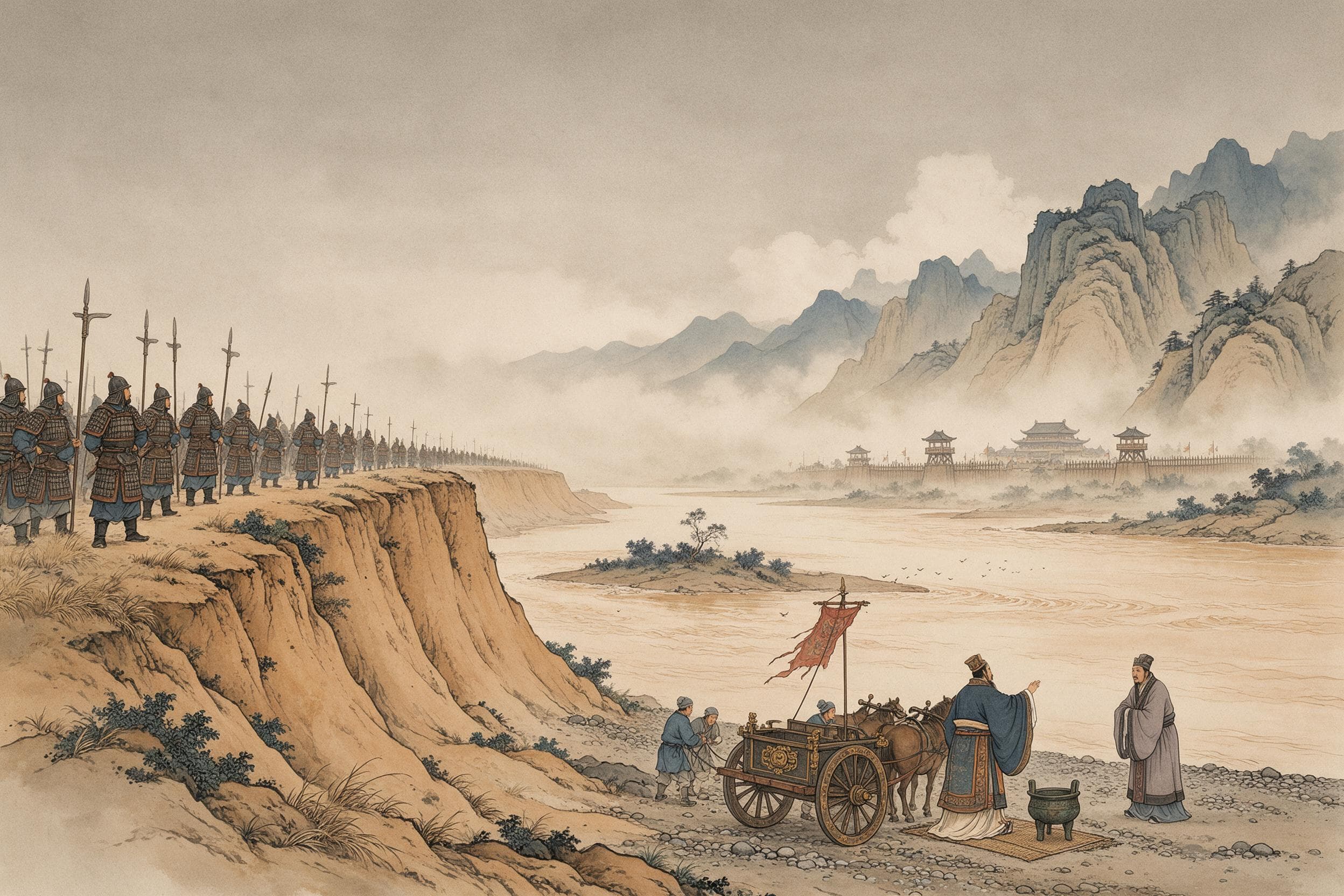
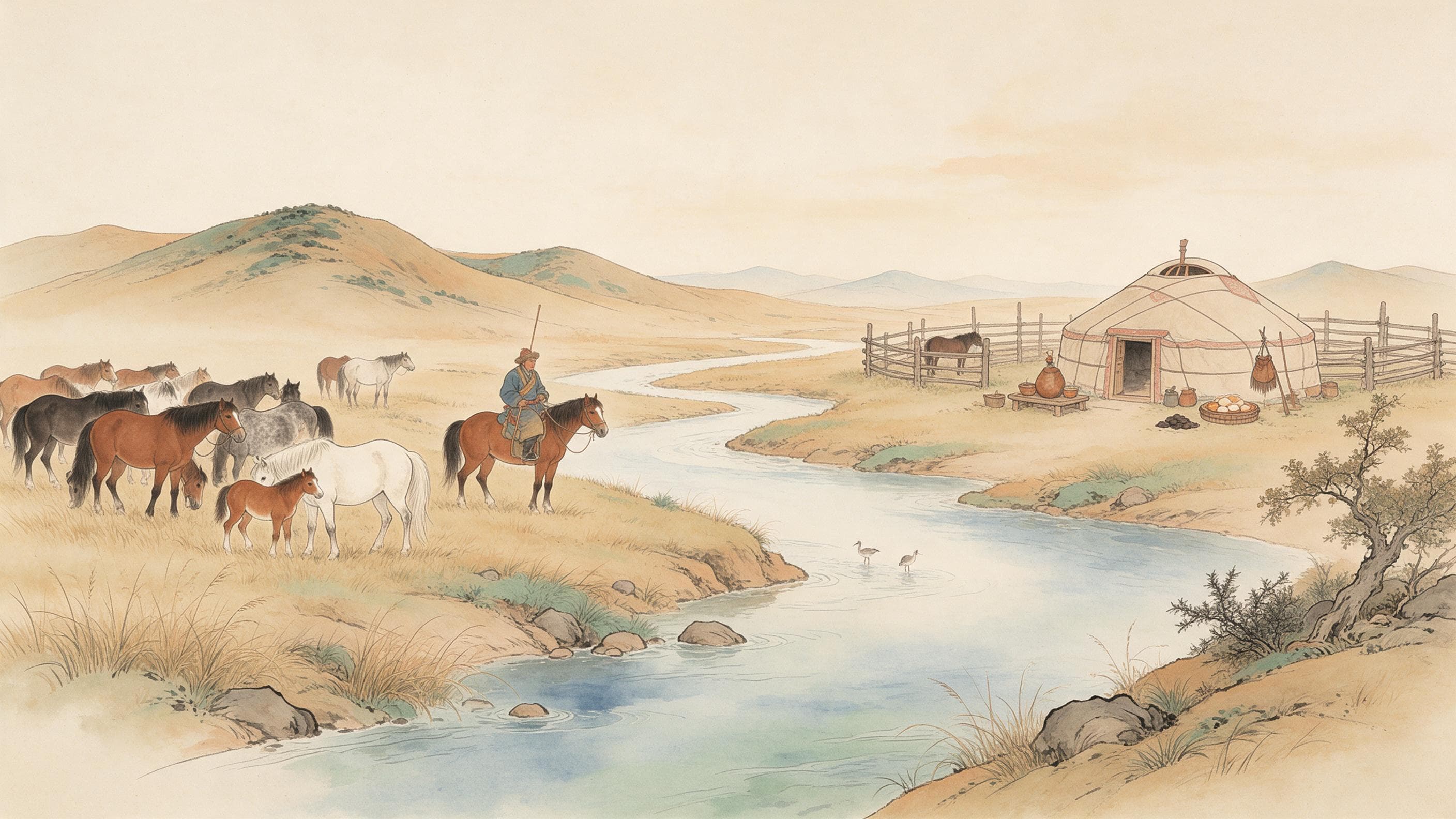
《魏书·食货志》只用了两句:「世祖之平统万,定秦陇,以河西水草善,乃以为牧地。畜产滋息,马至二百余万匹,橐驼将半之,牛羊则无数。」——平定统万、秦陇之后,看中河西的水草,把它划为牧地;牲畜繁殖,马到二百余万匹,骆驼将近一半,牛羊多得数不清。这是据记载的官方说法,不是今天的普查数据。
同一段还有后话:高祖即位后,「复以河阳为牧场,恒置戎马十万匹,以拟京师军警之备」;每年「自河西徙牧于并州,以渐南转」,为的是让马「习水土而无死伤」;于是「河西之牧弥滋矣」。最后一句是败落:「正光以后,天下丧乱,遂为群寇所盗掠焉。」——繁殖与掠夺都写在同一段里。
读这几个数要注意三件事:一是「二百余万」只是河西牧地,不是全国马数;二是骆驼「将半之」、牛羊「无数」都是概数,量级与马不同;三是「恒置戎马十万匹」是河阳常备军马,与河西的畜产总数不是一个口径,不能相加。至于「河西」具体指哪一片、边界在哪,学界有争论,这篇不划地图。
牧场的账
从这条记载还能读出牧场的性质:它是官有的,所以史官按畜产记账;它按「匹」数马、按「将半之」数骆驼、按「无数」数牛羊,说明不同牲畜的登记精度不同;它「岁徙牧于并州」,说明这不是围起来的固定马场,而是随水草移动的牧地——「以渐南转」是为了让马换水土时不至于死伤。
不能从这条记载推出的是:某一年的精确存栏(「滋息」是一个过程,不是某年的普查);人均马匹(没有对应户口);全国马政(只是河西一处,另有河阳)。数字本身也要加「据记载」三个字——这是史官写的数,不是发给朝廷的实收账。
一匹马怎么养
《齐民要术》卷第六专讲养牛马驴骡,开头一句就把原则说了:「服牛乘马,量其力能;寒温饮饲,适其天性:如不肥充繁息者,未之有也。」——按力气用,按天性喂;照此做还不肥壮繁殖的,没有。然后是相马的口诀:头要方、目要光、脊要强、腹胁要张、四腿要长;「凡相马之法,先除『三羸』、『五驽』,乃相其余」——三羸是大头小颈、弱脊大腹、小胫大蹄;五驽是大头缓耳、长颈不折、短上长下、大髂短胁、浅髋薄髀。先剔除这些毛病,再看好马。
喂法更具体:「饮食之节:食有『三刍』,饮有『三时』。」三刍是恶刍、中刍、善刍——「善谓饥时与恶刍,饱时与善刍,引之令食,食常饱,则无不肥」;三时是「朝饮,少之;昼饮,则胸餍水;暮,极饮之」。还有「十日一放,令其陆梁舒展」,让马撒开跑一跑,筋骨才硬实。
连治病都有方子:马患喉痹将死,「缠刀子露锋刃一寸,刺咽喉,令溃破即愈」;黑汗,取马屎与乱发烧烟熏鼻;中热,煮大豆与热饭喂;汗凌,好酒浸豆豉绞汁灌口;疥疮,雄黄、头发用猪脂煎了涂。农书的实用层,细到这个程度。
两个层面
官牧与农书是两层材料。一个记国家牧场的畜产,一个记一匹马的相法与疗法;不能互推:二百余万匹推不出「每户有马」,农书也证明不了牧场规模。一个数字要加「据记载」,一套手艺则可以直接照做——这就是两类文本的区别。
还有一层:马在这两页里都是「力」与「产」。史书关心的是有多少匹、够不够军用;农书关心的是怎么相、怎么喂、怎么治。前者是国家的账,后者是牧人的手艺;把两者放在一起看,才知道「二百余万匹」背后,是无数匹具体的马要过冬、要换水土、要治喉痹。
材料没有的
缺口:牧场的面积与边界(有争论,不划图);马匹的年增长与死亡数;官牧与民间的比例;马价;「二百余万」的统计方法。两页都没有。所以这篇文章写的是一段牧地记载加一部农书,不是北魏马政的全貌。
一个数字,一套手艺:一边是「马至二百余万匹」,一边是「头为王,目为丞相」。前者要加「据记载」,后者可以直接照做。读这两页,最好把两种语气分开——史官在报账,牧人在教徒弟。
延伸阅读:方里而井:孟子纸上的一幅田制 · 九州的贡单:《禹贡》与《职方氏》两份对不上的清单 · 重罪十条:《隋书》里的一段北齐律
参考来源与延伸阅读
- 《魏书》卷一百一十·食货志(北齐魏收撰;维基文库本,未与点校本复核) — The register passage, to be quoted as what the history records. After Emperor Shizu pacified Tongwan and settled Qin and Long, 'because the grass and water west of the Yellow River were good, he made it pasture land. The herds multiplied: horses reached more than two million, camels nearly half that, cattle and sheep beyond counting' (以河西水草善,乃以為牧地。畜產滋息,馬至二百餘萬匹,橐駝將半之,牛羊則無數). It then records that under Emperor Gaozu a pasture was also made at Heyang, 'constantly holding a hundred thousand army horses against alarms at the capital', and that every year horses were moved from the western pasture to Bingzhou, gradually southward, 'so that they might grow used to the water and soil and not die'; the western herds then 'multiplied the more'. Finally: after Zhengguang, with the realm in disorder, they were 'stolen and plundered by the various bandits'. The passage gives no boundaries for the pasture, no rate of increase and no price.
- 《齐民要术》卷第六·养牛马驴骡第五十六(北魏贾思勰撰;维基文库本,未与点校本复核) — The practical manual, a different kind of text. It opens: 'Drive oxen and ride horses by measuring their strength; feed and water them warm or cold according to their nature — and if they do not grow fat and multiply, there is no such case' (服牛乘馬,量其力能;寒溫飲飼,適其天性). On judging a horse: 'the head is the king, it should be square; the eye is the chancellor, it should be bright; the spine is the general, it should be strong; the belly and flanks are the city wall, they should be stretched; the four legs are the magistrate, they should be long' (頭為王…四下為令). The method first rejects 'three weaknesses' and 'five jades' (三羸五駑) — a big head with a thin neck, a weak spine with a big belly, thin shins with big hooves; a big head with slack ears, a long neck that does not bend, short above and long below, big hips with short ribs, shallow hips with thin thighs — and judges the rest. On feeding: 'food has three kinds of hay, drink has three times' (食有三芻,飲有三時): bad, middle and good hay, with good hay given when hungry and bad when full; morning drink little, midday drink until the chest is satisfied, evening drink to the full. It also gives remedies: for a swollen throat, a knife blade laid bare an inch and thrust into the throat; for black sweat, burning horse dung and human hair under the nose; for heat, boiled beans and hot rice; for sweat-chill, fermented beans steeped in good wine poured into the mouth; for mange, realgar and hair fried in pig fat.