两句常被连在一起的话,其实隔了一段时间,也隔着两种东西。第一句是入关那天的承诺:「与父老约,法三章耳:杀人者死,伤人及盗抵罪。」第二句是后来史书的解释:「三章之法不足以御奸,于是相国萧何……取其宜于时者,作律九章。」一句是口号,一部是法典。
入关那一天
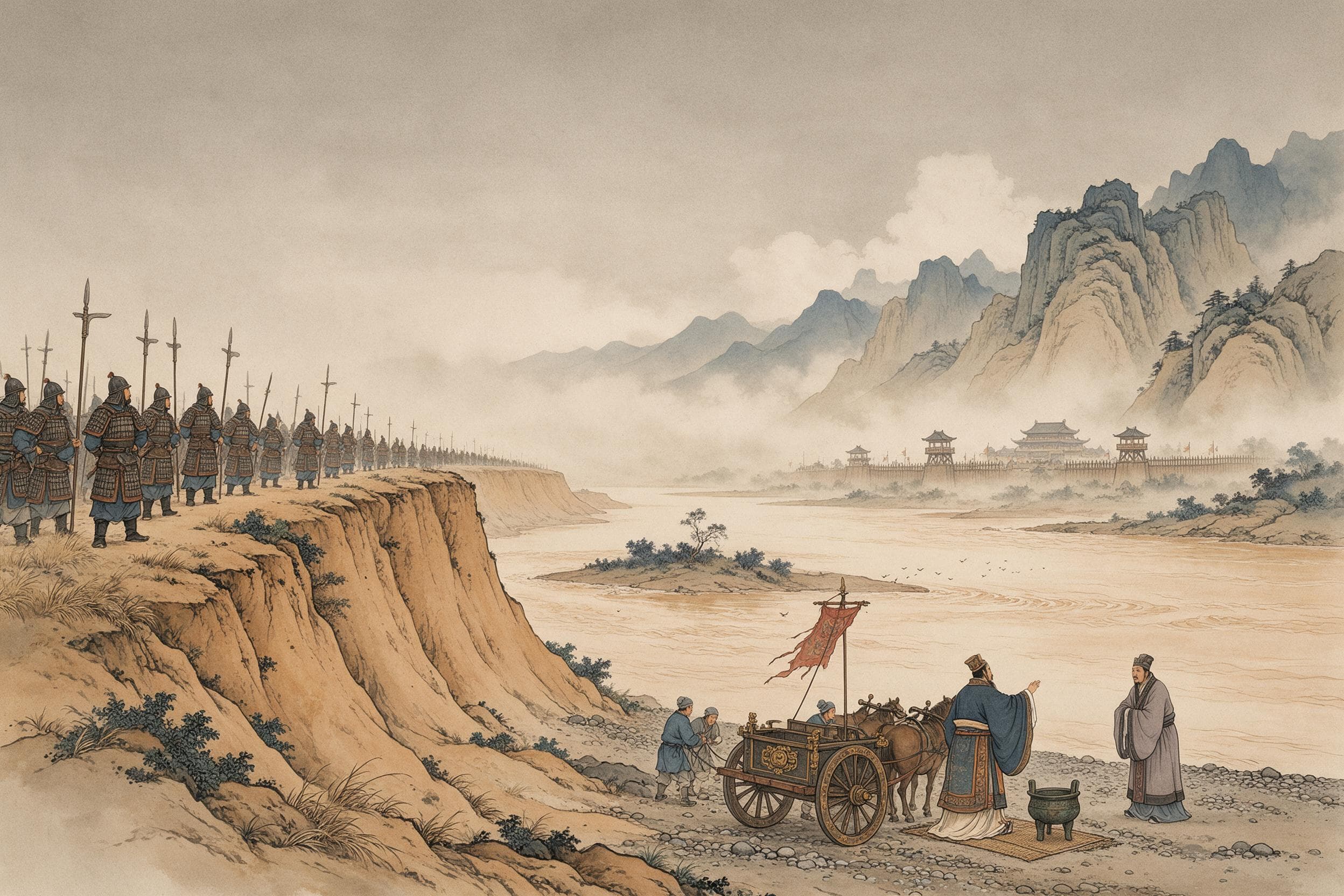
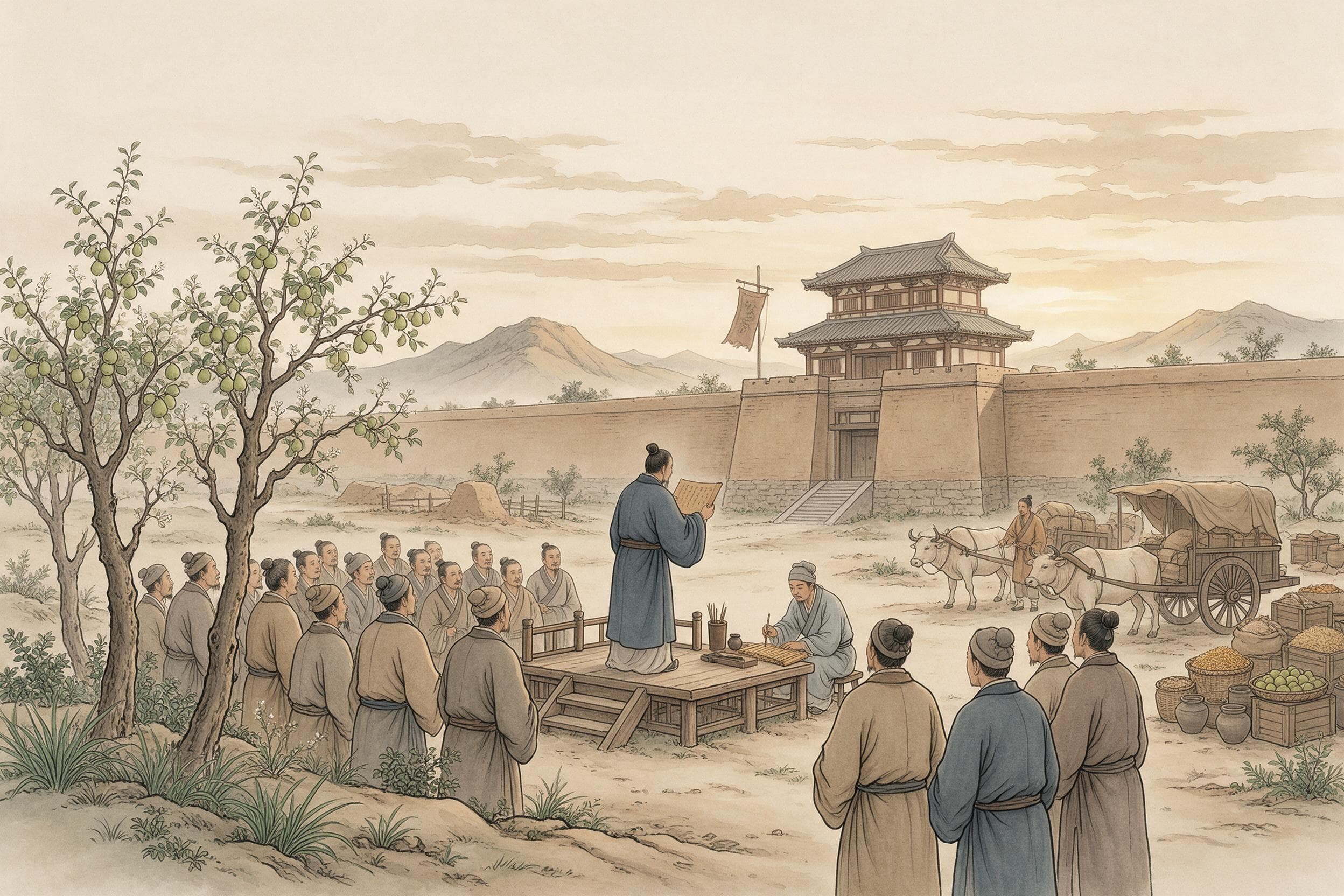
《史记·高祖本纪》汉元年(前 206)十月:沛公兵先至霸上,秦王子婴素车白马、系颈以组,降于轵道旁。沛公入咸阳,想住宫里,樊哙、张良劝阻,于是封秦重宝财物府库,还军霸上。然后召诸县父老豪桀,先讲秦法之苦:「父老苦秦苛法久矣,诽谤者族,偶语者弃市。」再讲自己的资格:「吾与诸侯约,先入关者王之,吾当王关中。」最后才是三章:「与父老约,法三章耳:杀人者死,伤人及盗抵罪。余悉除去秦法。诸吏人皆案堵如故。」他也没有急着称王,只说自己待在霸上,等诸侯来定约束。
接着是效果:使人随秦吏「行县乡邑,告谕之」,秦人大喜,「争持牛羊酒食献飨军士」;沛公辞让不受,说仓粟多、不欲费人,「人又益喜,唯恐沛公不为秦王」。这段写得像一场宣传:先废苛法,再拒馈赠,人心就归了。
但三章只是三句话:杀人者死;伤人及盗「抵罪」——按罪处罚。怎么抵、伤轻伤重如何分、盗多少如何计、谁来审、能不能赎、连坐还算不算,都没有。它不是一部律,是一条政治承诺:把秦的苛法「悉除去」,只留三条原则。
三章不够用
《汉书·刑法志》接着说:「汉兴,高祖初入关,约法三章曰:『杀人者死,伤人及盗抵罪。』蠲削烦苛,兆民大说。其后四夷未附,兵革未息,三章之法不足以御奸,于是相国萧何……取其宜于时者,作律九章。」——从三章到九章的理由,是史书自己给的:不是三章错了,是「不足以御奸」;办法是「取其宜于时者」,从秦法里挑合用的。
这一句很要紧:汉承秦法。九章不是另起炉灶,是从秦律里选编。同篇还说,萧何、曹参为相「填以无为,从民之欲而不扰乱」,于是「衣食滋殖,刑罚用稀」——汉初的宽,是相对于秦的苛而言,不是说没有法。法与宽,在这篇志里是并存的。
九章是哪九章
答案很干脆:《汉书·刑法志》只说「作律九章」,篇名它没有列。所以本文不列九章的篇目。后世目录书把九章说成「在六篇上增三篇」,那是更晚的追述,不在本文所据两页之内,这篇不引、也不据它补名目。
同理,「李悝《法经》六篇—商鞅受之以相秦—萧何增为九章」这条链,也是后世法律史的叙述:这一篇志讲的是刑罚,不是法典目录;这一页里既没有李悝,也没有《法经》。这条链可以提,但必须标明是后世的追述;用它来解释「九章从哪来」,是解释,不是原文。
能写与不能写
不能写「约法三章是汉朝的法典」——它只有三条原则,没有程序与刑罚;不能写「九章律的篇目是某某某」——汉志不列;不能写「汉初废秦法」——正相反,萧何是从秦法里「取其宜于时者」。能写的是:入关的场景与三章原文;汉志给的理由与办法;「作律九章」这四个字;以及汉初「刑罚用稀」的评语。
还可以写一层对照:三章是说给「父老」听的,九章是给官吏用的。一个是政治承诺(我不再用秦的那套对付你们),一个是行政技术(案子总得有条文可依)。这两件事在同一篇史书里前后相接,这正是史书自己划出的界线:宣示与法典。
材料没有的
缺口:三章有没有真的只按三条断案;三章与九章之间的过渡期怎么处理案件;九章的篇名与条文;萧何所取「宜于时者」具体是哪些秦条;汉初的司法程序。两页都没有。所以这篇文章写的是「史书怎么讲从三章到九章」,不是汉律复原。
从三句口号到九章律,中间隔着史书的一句解释——「三章不足以御奸」。口号赢得人心,法典维持秩序;汉承秦法,汉初的宽,是在秦法的骨架上减了几刀。至于那九章长什么样,这两页只给了四个字:「作律九章」。
延伸阅读:方里而井:孟子纸上的一幅田制 · 九州的贡单:《禹贡》与《职方氏》两份对不上的清单 · 重罪十条:《隋书》里的一段北齐律
参考来源与延伸阅读
- 司马迁《史记》卷八·高祖本纪(西汉;维基文库本,未与点校本复核) — The scene at the Qin capital. In the tenth month of the first year of Han, Liu Bang's army reaches Bashang, the Qin heir surrenders, and after being advised not to lodge in the palace he seals the treasuries and camps outside. He then summons the elders and notables of the counties: 'Elders, you have suffered from Qin's harsh laws a long time — those who criticised were executed with their kin, those who spoke together were put to death in the market. I have agreed with the other lords that whoever enters the pass first shall rule it, and I am to rule Guanzhong. I have made a covenant with you, elders: the law is three clauses only — he who kills shall die; he who wounds or steals shall be punished according to his crime. All the rest of the Qin law is abolished. The officials shall stay at their posts as before' (與父老約,法三章耳:殺人者死,傷人及盜抵罪). Messengers are sent through the counties and villages to proclaim it; the people rejoice, bring cattle, sheep and wine to the troops, and Liu Bang declines the gifts, saying the granaries are full, so that they rejoice the more. The chapter gives the three clauses and the scene, no procedure and no penalties.
- 班固《汉书》卷二十三·刑法志(东汉;维基文库本,未与点校本复核) — The Eastern Han treatise that explains the step from three clauses to a code: 'When Han arose, Gao Zu had just entered the pass and made a covenant of three clauses: he who kills shall die; he who wounds or steals shall be punished according to his crime. He abolished the harsh and petty, and the myriad people rejoiced. Afterwards, with the four frontiers not yet attached and weapons not yet rested, the law of three clauses was not enough to check wickedness; thereupon the chancellor Xiao He selected from the Qin law and, taking what suited the time, made the law in nine chapters' (三章之法不足以禦姦…作律九章). The treatise mentions the nine chapters here and nowhere lists their names; it also says that under Xiao He and Cao Shen as chancellors government was 'filled with non-action', and punishments were seldom used. This page of the treatise contains no Li Kui and no Book of Law (法經); the six-chapter lineage is a later account, not part of these two pages.