一年最後一場祭,在《禮記》裡有兩種寫法:一處給它下定義——「蜡也者,索也,歲十二月,合聚萬物而索饗之也」;另一處只留下一句對話——子貢看完蜡,說「一國之人皆若狂」。同一個月裡還有另一場祭:社。三頁各寫各的,本篇也分開寫。
蜡也者,索也
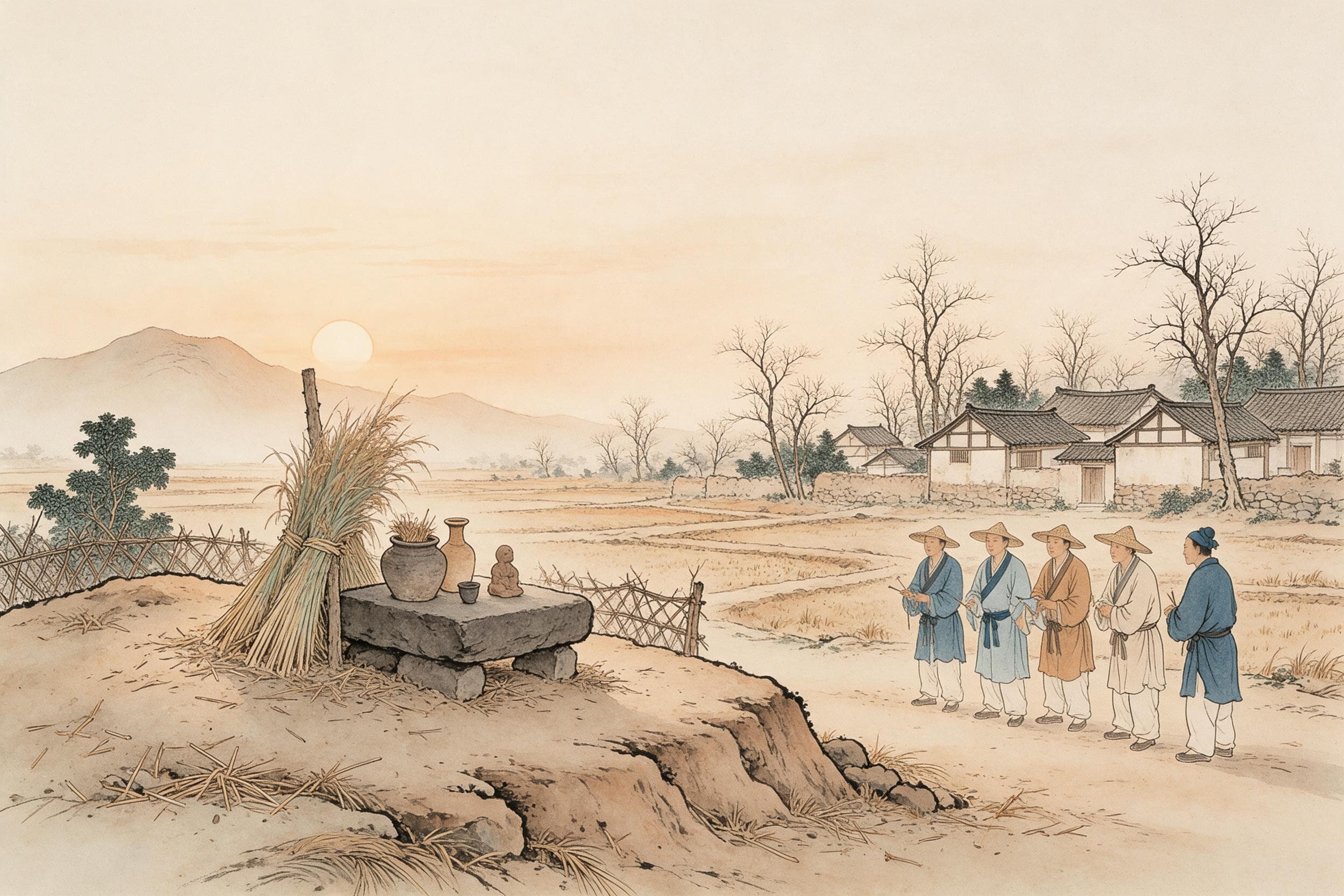
《郊特牲》先把蜡的規模說清:「天子大蜡八。伊耆氏始為蜡。蜡也者,索也,歲十二月,合聚萬物而索饗之也。」八蜡祭的對象一串排下來:「蜡之祭也,主先嗇而祭司嗇也,祭百種以報嗇也。饗農及郵表畷、禽獸,仁之至,義之盡也。」——主祭先嗇、祭司嗇,祭百種以報嗇,連農、郵表畷、禽獸都在受饗之列。具體到兩樣動物:「迎貓,為其食田鼠也。迎虎,為其食田豕也,迎而祭之也。」還有坊與水庸;祝辭是一句四言:「土反其宅,水歸其壑,昆蟲毋作,草木歸其澤。」
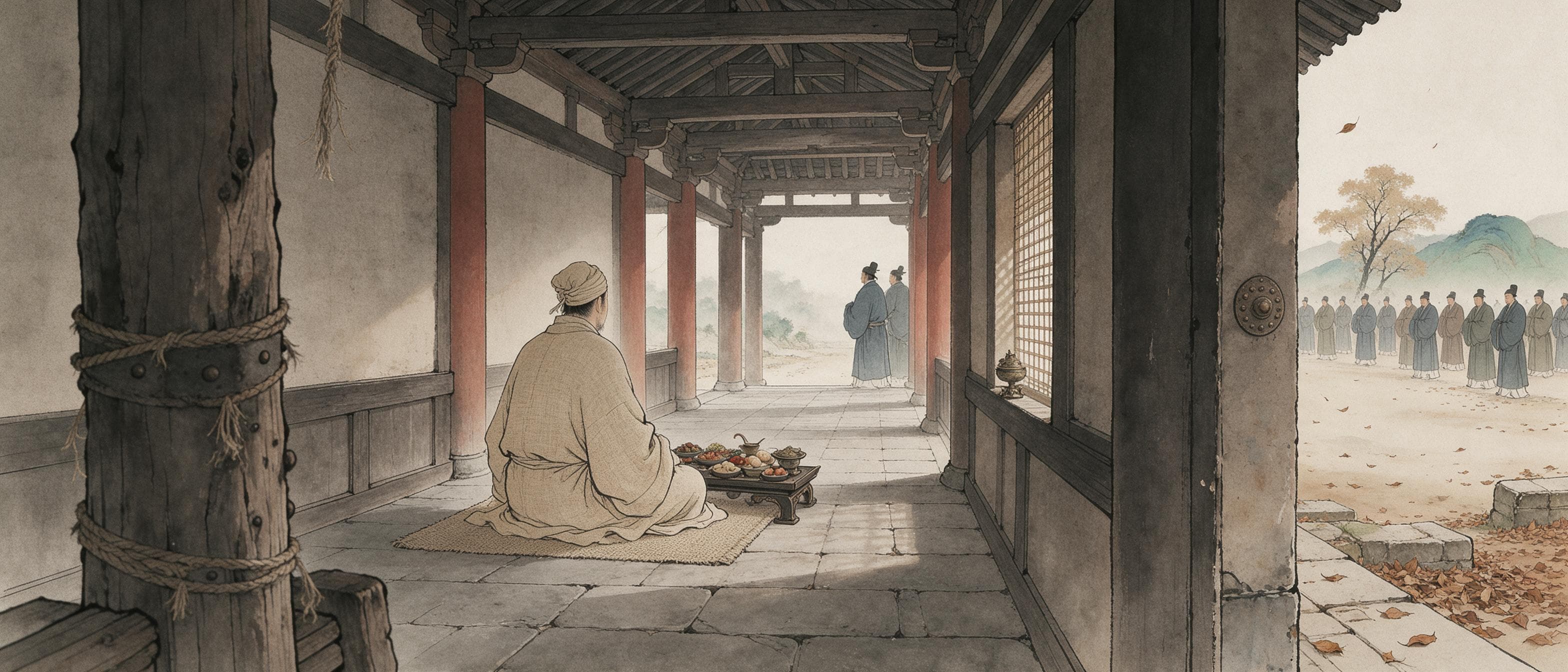
穿戴也寫了:「皮弁素服而祭。素服,以送終也。葛帶榛杖,喪殺也。」——皮弁素服,素服用以送終,葛帶榛杖是喪禮減殺之制;另有一套「黃衣黃冠而祭,息田夫也。野夫黃冠。黃冠,草服也」——黃衣黃冠,為的是讓田夫歇一歇,野夫戴黃冠,黃冠是草野之服。八蜡還與年成掛鉤:「八蜡以記四方。四方年不順成,八蜡不通,以謹民財也;順成之方,其蜡乃通,以移民也。既蜡而收,民息已,故既蜡君子不興功。」——年成不好的方,蜡就不舉行;蜡一過,收成入庫,民也歇了。
一國之人皆若狂
子貢看到的那一場,記在《雜記下》:「子貢觀於蜡,孔子曰:『賜也樂乎?』對曰:『一國之人皆若狂,賜未知其樂也。』子曰:『百日之蜡,一日之澤,非爾所知也。張而不弛,文武弗能也;弛而不張,文武弗為也。一張一弛,文武之道也。』」——說話人是孔子與子貢:孔子問他樂不樂,子貢說一國之人像發狂一樣,看不出樂在哪裡;孔子說,百日之蜡、一日之恩澤,不是你能懂的,張而不弛、弛而不張都不行,一張一弛才是文武之道。「一國之人皆若狂」是這句對話裡的場面話,不是人數統計,也不是民俗調查。
同篇還給了幾個具體安排:諸侯貢鳥獸的,由天子的大羅氏掌管,「草笠而至,尊野服也」——戴草笠來,是尊重野服;「羅氏致鹿與女,而詔客告也,以戒諸侯曰:『好田、好女者亡其國』」。蜡的服色分兩套:祭者皮弁素服、葛帶榛杖;息田夫者黃衣黃冠。這些是條文裡的穿戴與賞賜,不是那一天的實錄。
社祭土而主陰氣
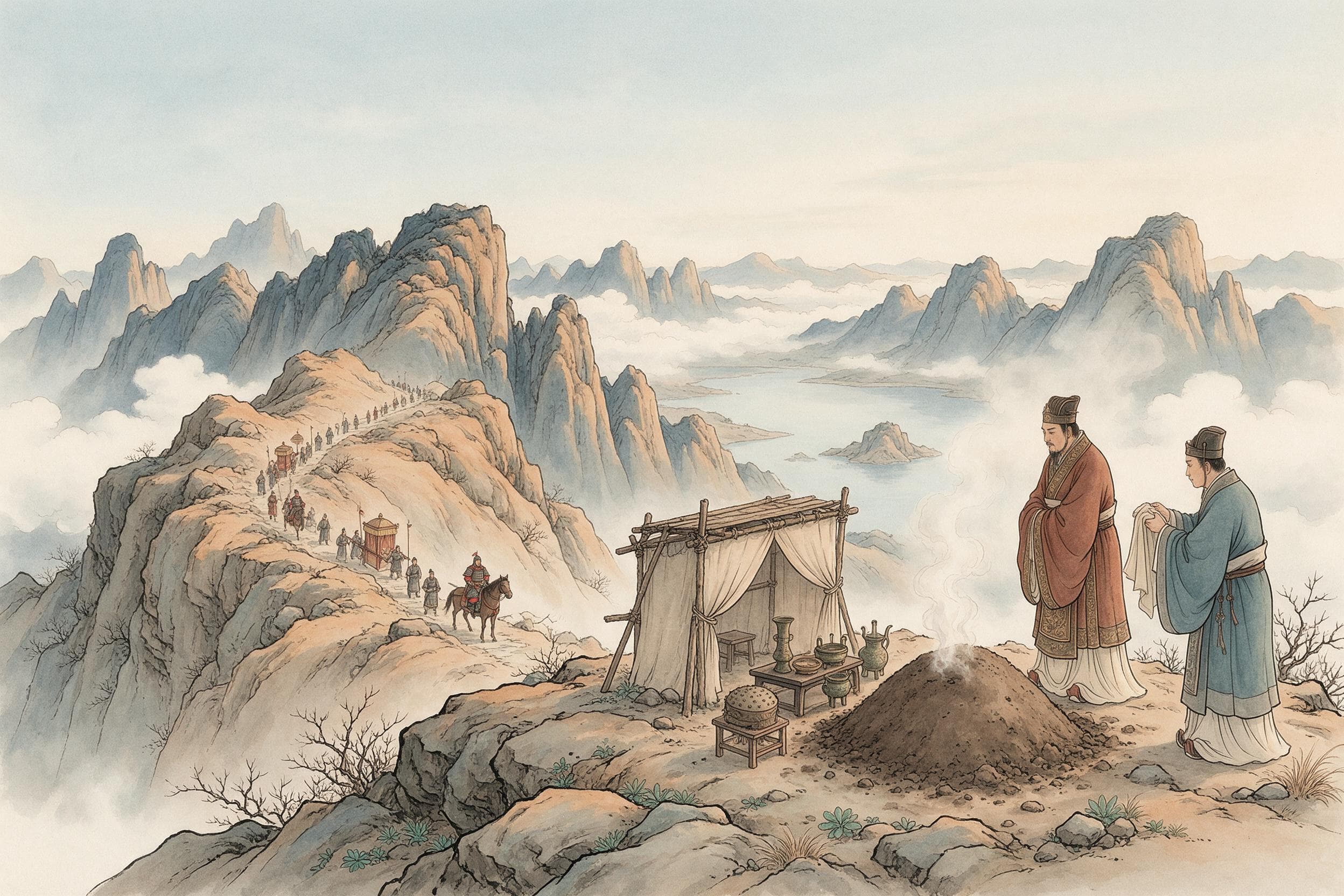
社是另一件事。《郊特牲》:「社祭土而主陰氣也,君南鄉於北墉下,答陰之義也。日用甲,用日之始也。天子大社,必受霜露風雨,以達天地之氣也。是故喪國之社屋之,不受天陽也。薄社北牖,使陰明也。社,所以神地之道也。」——祭土而主陰氣,君面朝南立在北牆下;用甲日,取日之始;天子的大社必須露天受霜露風雨,以通天地之氣;亡國之社要蓋起來,不受天陽;薄社開北窗,讓陰氣透進來。還有一句把家和國並說:「家主中霤而國主社,示本也。」
社還要出人出力:「唯為社事,單出里。唯為社田,國人畢作。唯社,丘乘共粢盛。所以報本反始也。」——為社的事,一里之人盡出(「單出里」通行這樣解,本頁無注);為社田,國人全體出動;為社,丘乘共出祭米。社又與軍旅相連:「季春出火,為焚也。然後簡其車賦而歷其卒伍,而君親誓社,以習軍旅,左之右之,坐之起之,以觀其習變也……故以戰則克,以祭則受福。」——君親自在社前誓師,借社來習軍旅。
擇元日,命民社
《月令》給社一個時令:「仲春之月……擇元日,命民社。」——仲春挑一個元日,命民立社。同一段緊接著是政令:「命有司省囹圄,去桎梏,毋肆掠,止獄訟。」——省監獄、去刑具、不許肆意拷掠、停止獄訟。社在這裡不是一場孤立祭典,而是仲春政令的一環。
把兩件事並排,差別就清楚:蜡在「歲十二月」,社在仲春「擇元日」;蜡「合聚萬物而索饗之」,對象是先嗇、司嗇、百種、農、郵表畷、禽獸、貓虎、坊與水庸;社「祭土而主陰氣」,對象是土地,君南鄉於北墉下、用甲日;蜡的收束是「既蜡而收,民息已」,社的收束是「報本反始」與「以習軍旅」。一個是年終的合祭,一個是土地的祭;三頁沒有把它們合成一種。
兩頁之間
三頁都是禮書與時令文本,不是民俗實錄:沒有參與人數、沒有費用、沒有各地方差異;蜡的日期只到「歲十二月」,社的日期只到「仲春」與「元日」,這裡不折成公曆。「一國之人皆若狂」只作對話裡的場面引,不當統計;祭品、日期、參與者的規矩照錄,沒寫的不補。不寫「古人敬畏自然」這類總評,也不把蜡與社合成「古代節慶」一個題目——它們本來就不是一件事。
參考來源與延伸閱讀
- 《礼记·郊特牲》(维基文库本,未与点校本复核) — The two rites described in one chapter, kept apart. The zha: 'the Son of Heaven's great zha has eight parts; Yi Qi was the first to make the zha. The zha is a seeking: in the twelfth month it gathers all things and seeks to feast them' (蜡也者,索也,歲十二月,合聚萬物而索饗之也); the recipients — first grains, master of grains, hundred seeds, farmers, post-stations and field paths, birds and beasts, cat and tiger, dyke and channel; the prayer 'earth return to its dwelling, water return to its channel, insects do not rise, grasses and trees return to the marsh'; the dress — leather cap and plain clothes, hemp belt and hazel staff, 'the diminished form of mourning', and yellow clothes and yellow caps 'to rest the field workers'; 'where the year is not favourable, the eight zha are not held' (四方年不順成,八蜡不通); and 'after the zha the harvest is stored and the people rest' (既蜡而收,民息已). The she: 'the she sacrifices the soil and takes the dark force as its master; the ruler faces south at the foot of the north wall' (社祭土而主陰氣也,君南鄉於北墉下); 'the day used is the first of the cycle' (日用甲); 'the great she must receive frost, dew, wind and rain' (必受霜露風雨); 'the she of a destroyed state is roofed over' (喪國之社屋之); 'the householder makes the central drain its she, the state the she its altar' (家主中霤而國主社); and the labour and war clauses — 'for the she's business the whole li turns out' (唯為社事,單出里), 'for the she's hunt all the people work', 'the qiu and cheng contribute the sacrificial grain', 'the ruler in person swears at the she, to practise the army' (君親誓社,以習軍旅).
- 《礼记·杂记下》(维基文库本,未与点校本复核) — The dialogue that gives the zha its famous line: 'Zi Gong watched the zha. Confucius said: Ci, are you enjoying it? He answered: The whole country is as if mad — I do not know what there is to enjoy. The Master said: a hundred days of zha, one day of grace — that is beyond you. To stretch and never slacken, even Wen and Wu could not; to slacken and never stretch, even Wen and Wu would not do; one stretch, one slackening — that is the way of Wen and Wu' (子貢觀於蜡……一張一弛,文武之道也). The speakers are explicit — Confucius asks, Zi Gong answers — and the 'as if mad' is inside the exchange, not a description of custom.
- 《礼记·月令》(维基文库本,未与点校本复核) — The she's place in the calendar, in the second month of spring: 'choose a first day and order the people's she' (擇元日,命民社), immediately followed by orders to inspect the prisons, remove stocks and shackles, allow no reckless beating and stop litigation (命有司省囹圄,去桎梏,毋肆掠,止獄訟). The chapter also lists the summer and winter sacrifices to the 'altars of soil and grain' (社稷) among the seasonal duties, which is the wider calendar setting; the dating of the she is given only as the second month and a chosen first day.