《史記·游俠列傳》開頭引韓非:「儒以文亂法,而俠以武犯禁。」《漢書·游俠傳》開頭另起一套:上古有等差,民服事其上;周室既微,四豪競為游俠,「背公死黨之議成,守戰奉上之義廢矣」。一篇先替這些人說話,一篇先定罪。三個人:朱家、劇孟、郭解。兩版分開,異文並列。
一、兩種開頭
《史記》先引韓非,然後轉到本題:「今游俠,其行雖不軌於正義,然其言必信,其行必果,已諾必誠,不愛其軀,赴士之阨困,既已存亡死生矣,而不矜其能,羞伐其德,蓋亦有足多者焉。」——行為不合「正義」,可是說話算數、赴人危難、救了人不誇口。這是本篇自己的議論,是司馬遷的判斷,不是故事裡誰說的話。他接著引諺語:「竊鉤者誅,竊國者侯,侯之門仁義存。」
《漢書》從另一頭起:「古者天子建國,諸侯立家,自卿大夫以至于庶人各有等差」;戰國四豪「皆藉王公之勢,競為游俠,雞鳴狗盜,無不賓禮」,於是「背公死黨之議成,守戰奉上之義廢矣」。然後是對郭解一輩的判語:「況於郭解之倫,以匹夫之細,竊殺生之權,其罪已不容於誅矣。觀其溫良泛愛,振窮周急,謙退不伐,亦皆有絕異之姿。惜乎不入於道德,苟放縱於末流,殺身亡宗,非不幸也!」這是班固的議論,擺在篇首。
二、朱家
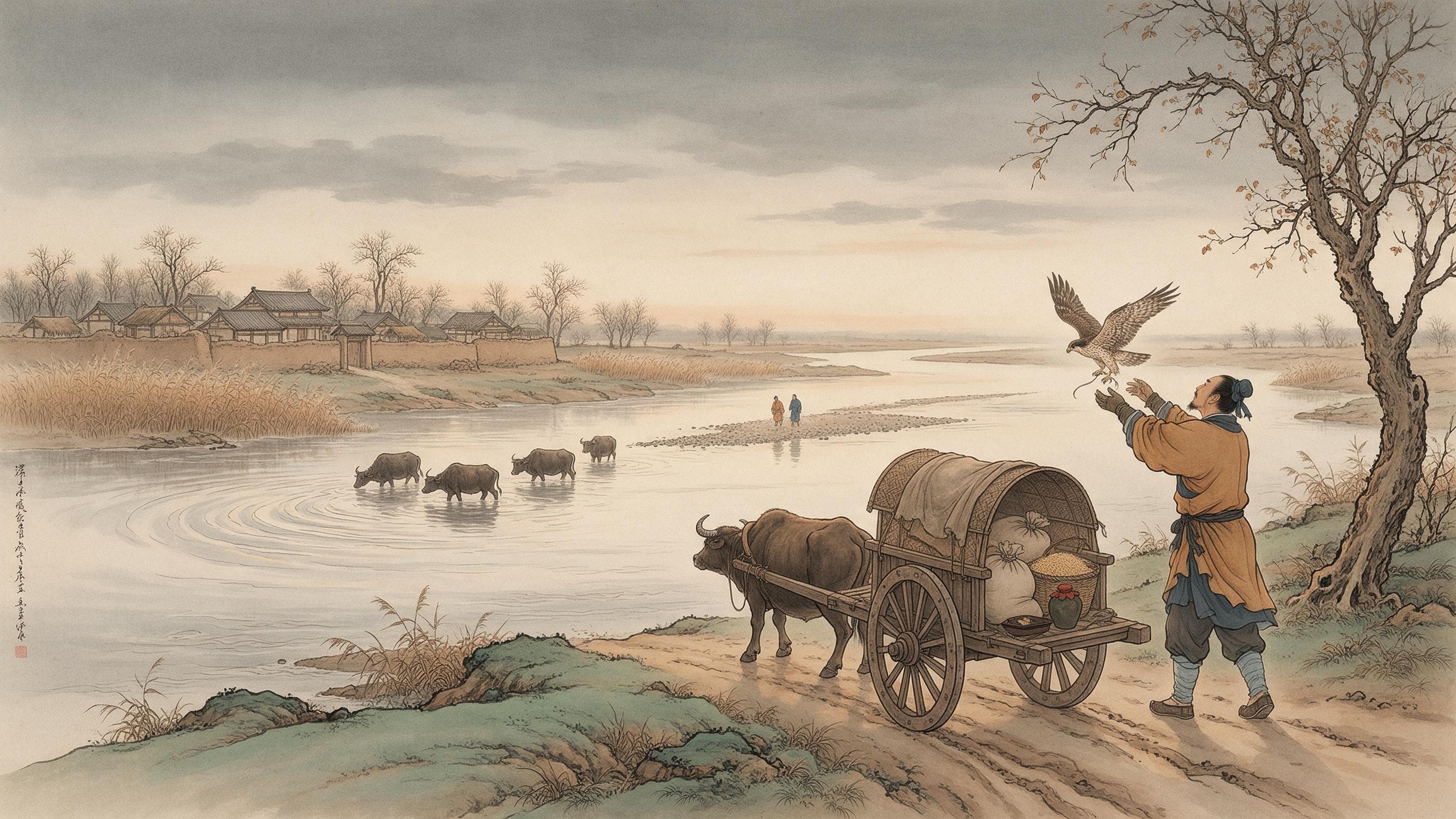
朱家,魯人,與高祖同時。「魯人皆以儒教,而朱家用俠聞。」「所藏活豪士以百數,其餘庸人不可勝言」;「家無餘財,衣不完采,食不重味,乘不過軥牛」;「諸所嘗施,唯恐見之」。具體一件:「既陰脫季布將軍之阸,及布尊貴,終身不見也。」——暗中救出季布,季布顯貴後他一輩子不見。《漢書》同段小異:「所臧活」「飲其德」「衣不兼采」「甚於己私」,並列。
三、劇孟
劇孟,洛陽人。「周人以商賈為資,而劇孟以任俠顯諸侯。」吳楚反時,「條侯為太尉,乘傳車將至河南,得劇孟,喜曰:『吳楚舉大事而不求孟,吾知其無能已矣。』」——七國之亂,周亞夫在路上得到劇孟,說吳楚成不了事。接一句:「天下騷動,宰相得之若得一敵國云。」母親死時「自遠方送喪蓋千乘」;死時「家無餘十金之財」。《漢書》作「大將軍得之若一敵國」「家無十金之財」。
四、郭解
郭解,軹人,字翁伯,「善相人者許負外孫也」;父「以任俠,孝文時誅死」。「為人短小精悍,不飲酒」;少年時「陰賊,慨不快意,身所殺甚眾」,「以軀借交報仇,藏命作姦剽攻,不休及鑄錢掘冢」;年長「更折節為儉,以德報怨,厚施而薄望」,「既已振人之命,不矜其功,其陰賊著於心,卒發於睚眦如故云」;「而少年慕其行,亦輒為報仇,不使知也」。
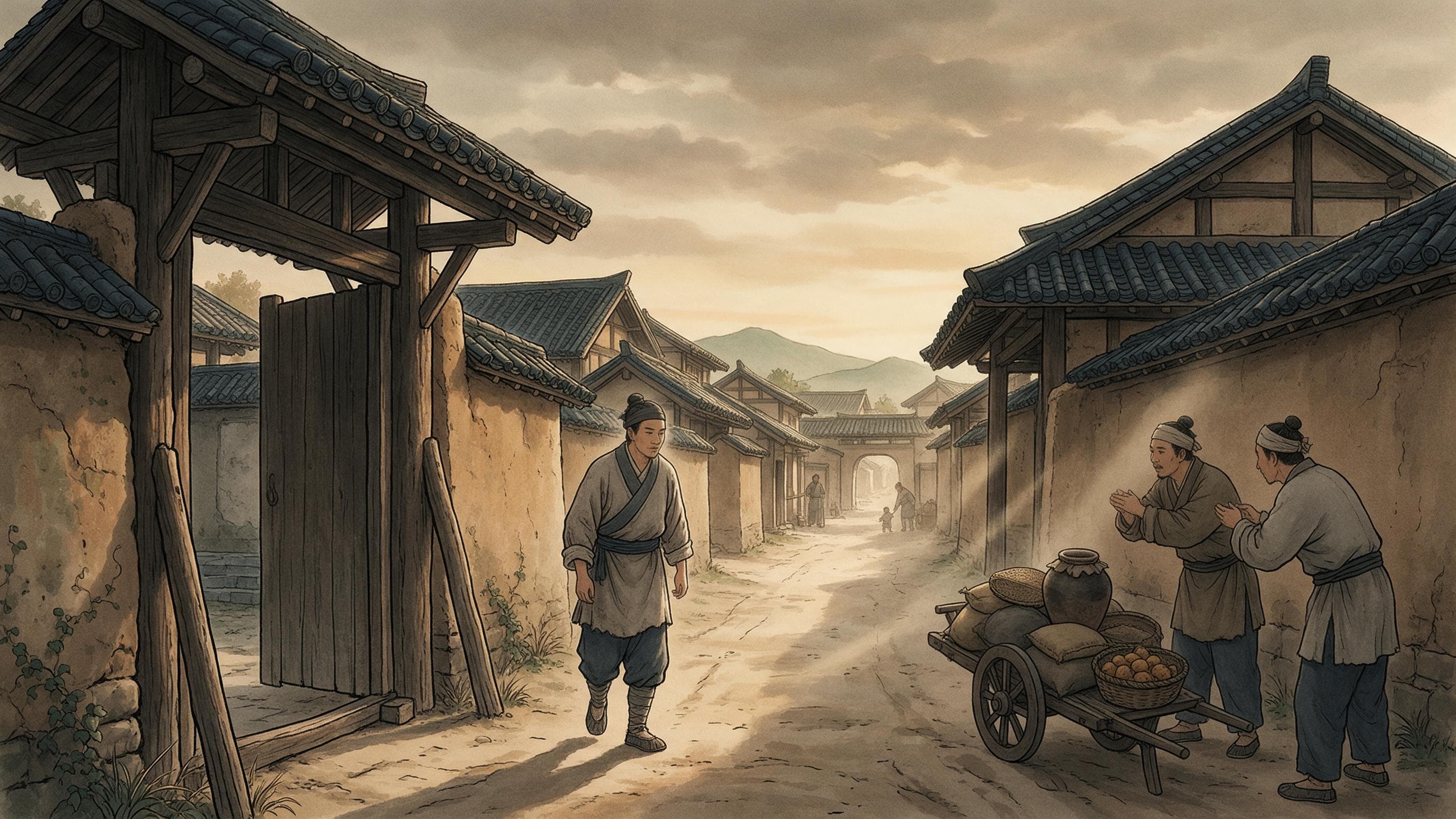
三件小事。其一,姊子仗勢逼人飲酒,被那人拔刀殺死;姊姊把屍首丟在路上不葬,要辱他;兇手來自首,他說:「公殺之固當,吾兒不直。」遂放兇手,收葬了事。其二,有人見他出入「箕倨視之」,門客要殺那人,他說:「居邑屋至不見敬,是吾德不脩也,彼何罪!」暗中囑託尉史免掉那人的踐更。其三,洛陽兩家相仇;他夜裡去見仇家,仇家勉強聽了;他說:「吾聞洛陽諸公在此間,多不聽者。今子幸而聽解,解奈何乃從它縣奪人邑中賢大夫權乎!」當夜就走,留話:「且無用,待我去,令洛陽豪居其間,乃聽之。」
朝廷「徙豪富茂陵」,郭解家貧「不中訾」,「吏恐,不敢不徙」;衛將軍替他說情,武帝答:「布衣權至使將軍為言,此其家不貧。」軹人楊季主子舉了他的名,郭解兄子砍了楊掾的頭,兩家成仇。又殺楊季主,楊家上書,上書人又被殺死在闕下。皇帝下令捕他;他逃亡,籍少公放他出關,事後自殺「口絕」;久後才抓到,所殺皆在赦前。儒生說「郭解專以姦犯公法,何謂賢」,郭解客人殺了儒生、斷其舌;他實不知情。御史大夫公孫弘議:「解布衣為任俠行權,以睚眥殺人,解雖弗知,此罪甚於解殺之。當大逆無道。」「遂族郭解翁伯。」
五、兩種評語
《史記》以「太史公曰」收尾:「吾視郭解,狀貌不及中人,言語不足採者。然天下無賢與不肖,知與不知,皆慕其聲,言俠者皆引以為名。諺曰:『人貌榮名,豈有既乎!』於戲,惜哉!」這是司馬遷自己的話。
《漢書》的評語在篇首,判得更重:「五伯,三王之罪人也;而六國,五伯之罪人也。夫四豪者,又六國之罪人也。況於郭解之倫,以匹夫之細,竊殺生之權,其罪已不容於誅矣。」《史記》收在「惜哉」,《漢書》收在「非不幸也」。取捨也不同:《史記》「古布衣之俠,靡得而聞已」,把四公子當另一類人;《漢書》把四豪收進游俠譜系,續到成帝、王莽時。錢與地方網絡,兩頁很少,不補;也不寫「俠義精神」通論——兩篇不一致,不一致就是題目。
延伸閱讀:商人的上帝:誰在降福降禍 · 殷人的田:七十畝、公田與黍稷 · 求雨:董仲舒的儀式與王充的質疑
參考來源與延伸閱讀
- 《史记》卷一百二十四·游侠列传(西汉司马迁撰;维基文库本,页面白文无注,未与中华书局点校本复核) — Sima Qian's chapter: it opens from Han Fei's line that scholars disorder the law with letters and knights break it with arms, then argues that the wandering knights, though their conduct may not follow strict justice, keep their word and do not boast of what they give, and quotes the proverb about stealing a buckle and stealing a state. Zhu Jia of Lu is described as hiding and keeping alive a hundred bold men while having no surplus wealth and never meeting Ji Bu again after secretly saving him; Tian Zhong, Wang Meng, and the great houses of Jinan and Chen follow; Ju Meng of Luoyang is worth 'a rival state' to the chancellor during the Wu-Chu revolt, with a thousand carriages at his mother's funeral and no ten jin of gold at his death. Guo Jie's life is given in detail — his father's execution, his violent youth, the change to frugality, the three episodes (the sister's son, the sprawling man, the Luoyang feud), the move to Maoling, the killings, the flight, and the chief censor Gongsun Hong's verdict that destroys his clan. The chapter closes with the Grand Historian's own words and 惜哉.
- 《汉书》卷九十二·游侠传(东汉班固撰;维基文库本,页面白文无注,未与中华书局点校本复核) — Ban Gu's chapter on the same theme, written the other way round: it opens with a theory of ranks, Confucius on government not lying with the ministers, the decline from Zhou through the lords and ministers to the four lords of the Warring States, and then a verdict that a commoner like Guo Jie who 'steals the power of life and death' cannot be pardoned, though his gentleness and generosity were exceptional — to die and have his clan destroyed 'was no misfortune'. The lives of Zhu Jia, Tian Zhong, Ju Meng and Guo Jie follow with variant readings, and the chapter continues past the Shiji: Wan Zhang, Lou Hu, Chen Zun and Yuan She, down to the families of the Wang empresses under Emperor Cheng and the men who led the knights under Wang Mang.