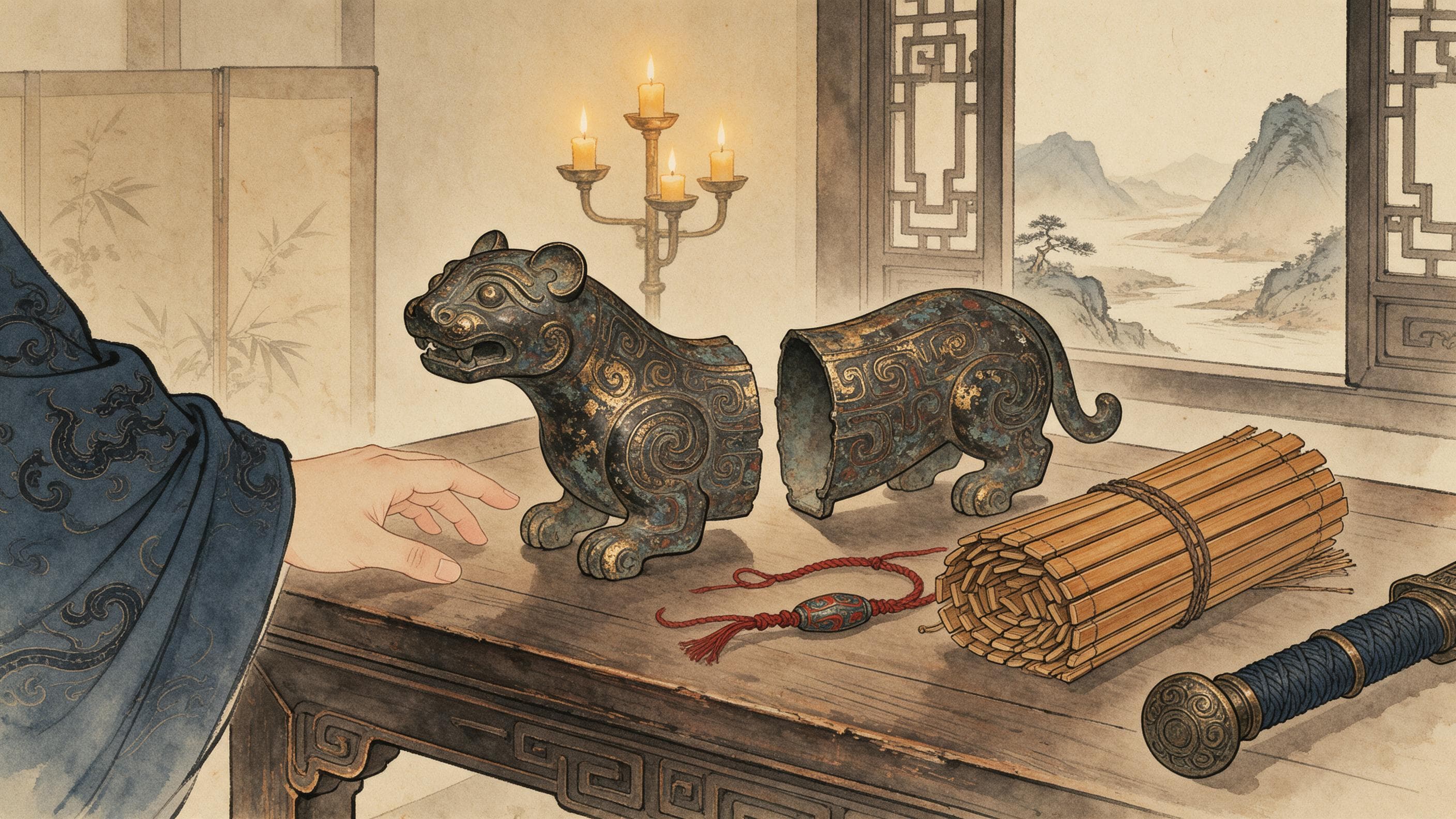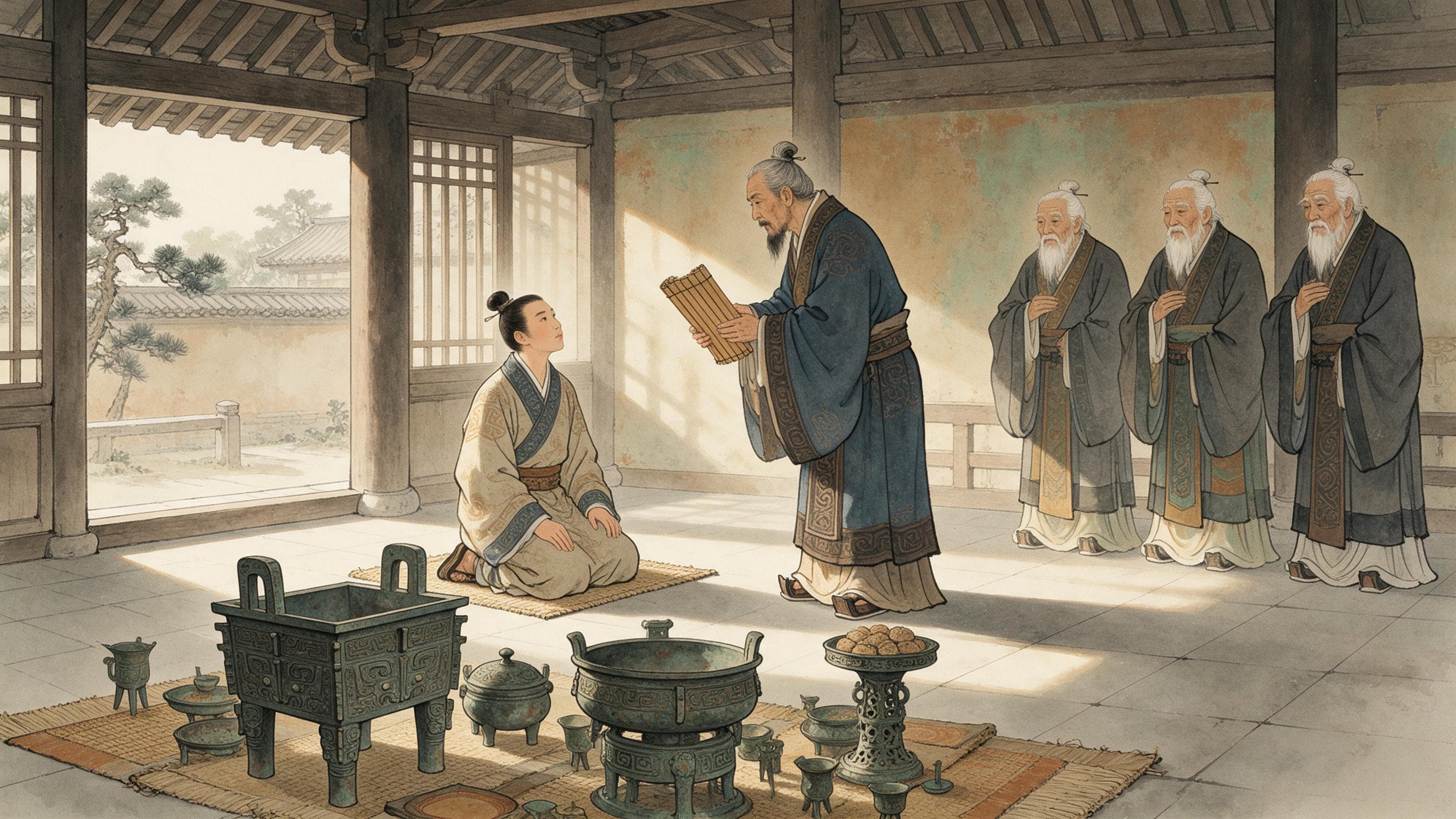

兩道詔,兩個人,兩種不同的動作。王莽的在《漢書·食貨志》:「今更名天下田曰王田,奴婢曰私屬,皆不得賣買。」光武帝的在《後漢書》:「天地之性人為貴。其殺奴婢,不得減罪。」一個改名並禁止買賣,一個改變刑罰。不是同一件事,本文分開放。只寫文本、條件和年份;不寫奴隸社會的理論,也不作人道主義的判詞。
哀帝:一道沒有執行的上限
《漢書》先記一條限制奴婢的提案。哀帝即位、師丹當政,師丹援古論證聖王都設井田,主張「宜略為限」;丞相孔光、大司空何武於是提出:「諸侯王奴婢二百人,列侯、公主百人,關內侯、吏民三十人。期盡三年,犯者沒入官。」按爵位設上限,三年為限,超出者沒官。
這條沒有執行,頁面給了原因。提案本身就攪動了市場:「時田宅奴婢賈為減賤」——一句話,沒有數字。「丁、傅用事,董賢隆貴,皆不便也」,於是「詔書且須後,遂寢不行」。上限是對能持有多少的限制,不是奴婢的統計;兩頁都沒有給總數。
王莽:王田與私屬
王莽的令:「今更名天下田曰王田,奴婢曰私屬,皆不得賣買。其男口不滿八,而田過一井者,分餘田與九族鄉黨。」其後:「犯令,法至死,制度又不定,吏緣為姦,天下謷謷然,陷刑者眾。」
「私屬」是這道令裡的一個詞,不是漢代奴婢的通稱;本文只在這道令內使用它,別處寫奴婢。禁令也沒能持久:「後三年,知民愁苦,下詔諸食王田及私屬皆得賣買,勿拘以法。」禁令與解除都印在紙上,頁面對改變的理由只給到「知民愁苦」。
光武:放免的詔
《後漢書》裡,放免奴婢與改變刑罰是一串,各有各的範圍。六年十一月:「王莽時吏人沒入為奴婢不應舊法者,皆免為庶人」——只那一批,且只限舊法不容的情況。七年:「吏人遭饑亂及為青、徐賊所略為奴婢下妻,欲去留者,恣聽之;敢拘制不還,以賣人法從事。」
十一年,一串詔書改變刑罰與人的待遇:「天地之性人為貴。其殺奴婢,不得減罪」;「其灸灼奴婢,論如律,免所灸灼者為庶民」;「詔除奴婢射傷人棄市律」。三條,一條比一條具體。
從十二年起,放免按地域與依據分開。十二年三月:「隴、蜀民被略為奴婢自訟者,及獄官未報者,一切免為庶民。」十三年十二月:「益州民自八年以來被略為奴婢者,皆免為庶人;其為人下妻欲去者,恣聽之。」十四年十二月:「益、涼奴婢自八年以來自訟在官者,一切免為庶民,賣者無還直」——最後五個字最重:賣家拿不回錢。
把兩道詔分開
三件事必須分開:哀帝時一個上限,沒有執行;王莽時改名與禁賣,三年後解禁;光武時一串放免與刑罰修改,每道詔各有條件(不應舊法、被略、自訟、自八年以來)。它們不能被收攏成一套「漢代奴婢制度」;私屬只屬於一道令,不是通稱。條件詞是每道詔的樞紐,是印出來的,不是被概括掉的;兩頁也都沒說這些措施觸及多少人。
兩頁都不給的
兩頁都不給奴婢的價錢——只有價跌了一句,沒有數字;沒有奴婢總數;沒有關於人如何成為奴婢的統計(犯罪、債務、擄掠、買賣都被提到,但沒有一項被計數);也沒有私人家中與奴婢相處的日常細節。任何數字都不折算成現代價值,也不外推。不提供社會形態理論,也不提供人道主義判詞。
能確定的是這些:哀帝時有一道按身分限制奴婢的提案,沒有實行;王莽把奴婢改名私屬並禁賣,三年後解禁;光武帝從六年到十四年反覆下詔,放免指定的人群,並改變殺、灸灼、射傷奴婢的刑罰。奴婢自己怎麼過日子,兩頁都沒有說。
延伸閱讀:三十稅一:漢代的田租 · 錢少的時候:小錢與一場廢錢之議 · 國家的書架:四個人校書,一份六略總帳
參考來源與延伸閱讀
- 《汉书》卷二十四·食货志(东汉班固撰;维基文库本,页面白文无注,未与中华书局点校本复核) — Three moments. Under Emperor Ai, at Shidan's urging, the chancellor Kong Guang and the grand secretary He Wu propose caps: 'the slaves of a king two hundred, of a marquis or a princess a hundred, of an interior marquis or an official or commoner thirty; within three years, offenders to have them confiscated by the state' — and because the proposal was made 'the price of land, houses and slaves fell', but the empress's kin obstructed it and 'the edict was put off, and the matter was dropped'. Wang Mang's order: 'the fields of the realm are now renamed royal fields, and slaves private dependants, none of them to be bought or sold', with death for offenders; three years later, 'knowing the people's distress, he issued an edict that royal fields and private dependants might all be bought and sold, without applying the law'. Earlier, under Emperor Wu, men who presented slaves could commute service for life.
- 《后汉书》卷一下·光武帝纪下(南朝宋范晔撰;维基文库本,页面白文,〈〉内为录文夹注,未与中华书局点校本复核) — The manumission edicts, each with its own scope: in the eleventh month of the sixth year, those 'made slaves under Wang Mang by officials and people, where this did not accord with the old law, are all freed as commoners'; in the seventh year, people enslaved in famine and disorder or taken by the rebels of Qing and Xu may go or stay as they wish, and any who detain them will be dealt with under the law on selling persons; in the second month of the eleventh year, 'of the nature of heaven and earth man is the most precious — those who kill slaves may not have their punishment reduced'; the same year, those who burn slaves with moxa are punished by law and the burned are freed, and the rule executing slaves who wound others is abolished; in the twelfth year, people of Long and Shu who were seized and enslaved and who bring their own case are all freed; in the thirteenth, the people of Yizhou enslaved since the eighth year are freed; in the fourteenth, slaves of Yi and Liang who bring their case are freed, 'and the seller gets no refund'.