
Song
Money & Society
Work, trade & social life
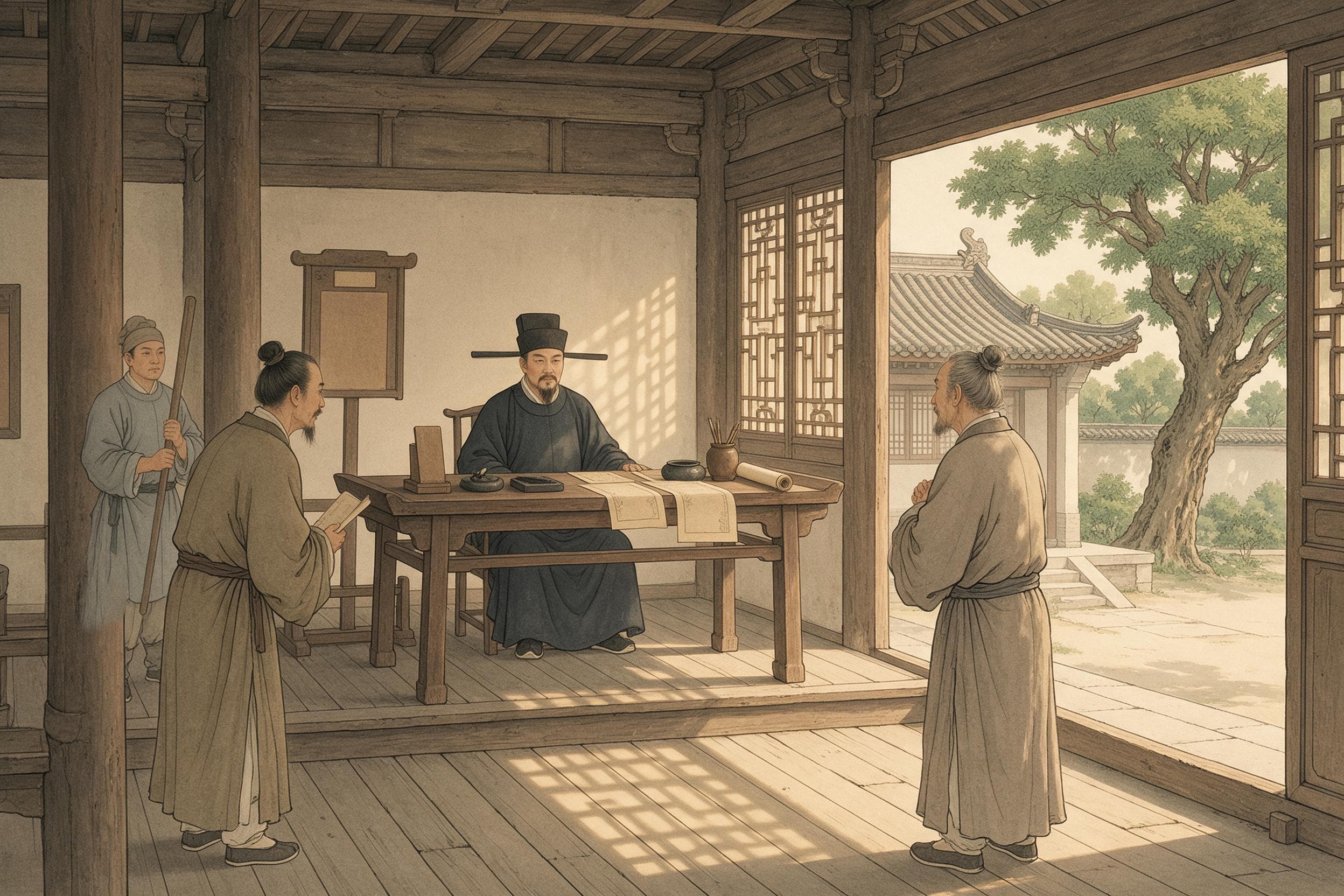
Five Dou of Rent, Fourteen Years: A Land Case from Southern Song
Two deeds for one field, a rent of five dou a year, and fourteen years in court. A Southern Song judgment lays out the deeds and then turns its anger on a county school that accepted land already sold.
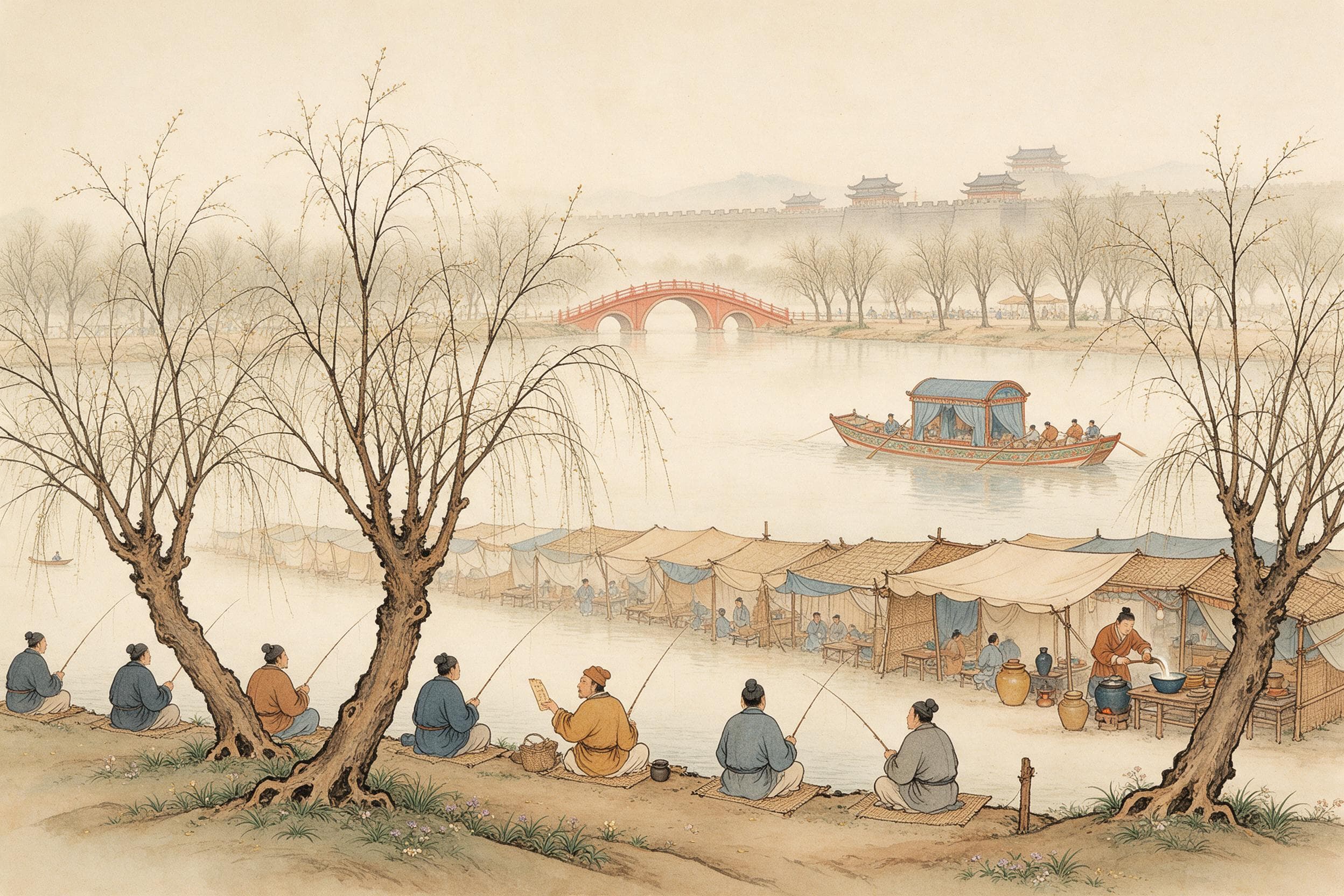
Thirty-Nine Days of Spring: The Business of a Song Outing
Kaifeng's Jinming Pool opened on the first of the third month and shut on the eighth of the fourth. Waterside booths were rented, fish sold back at double price, boats priced by size.
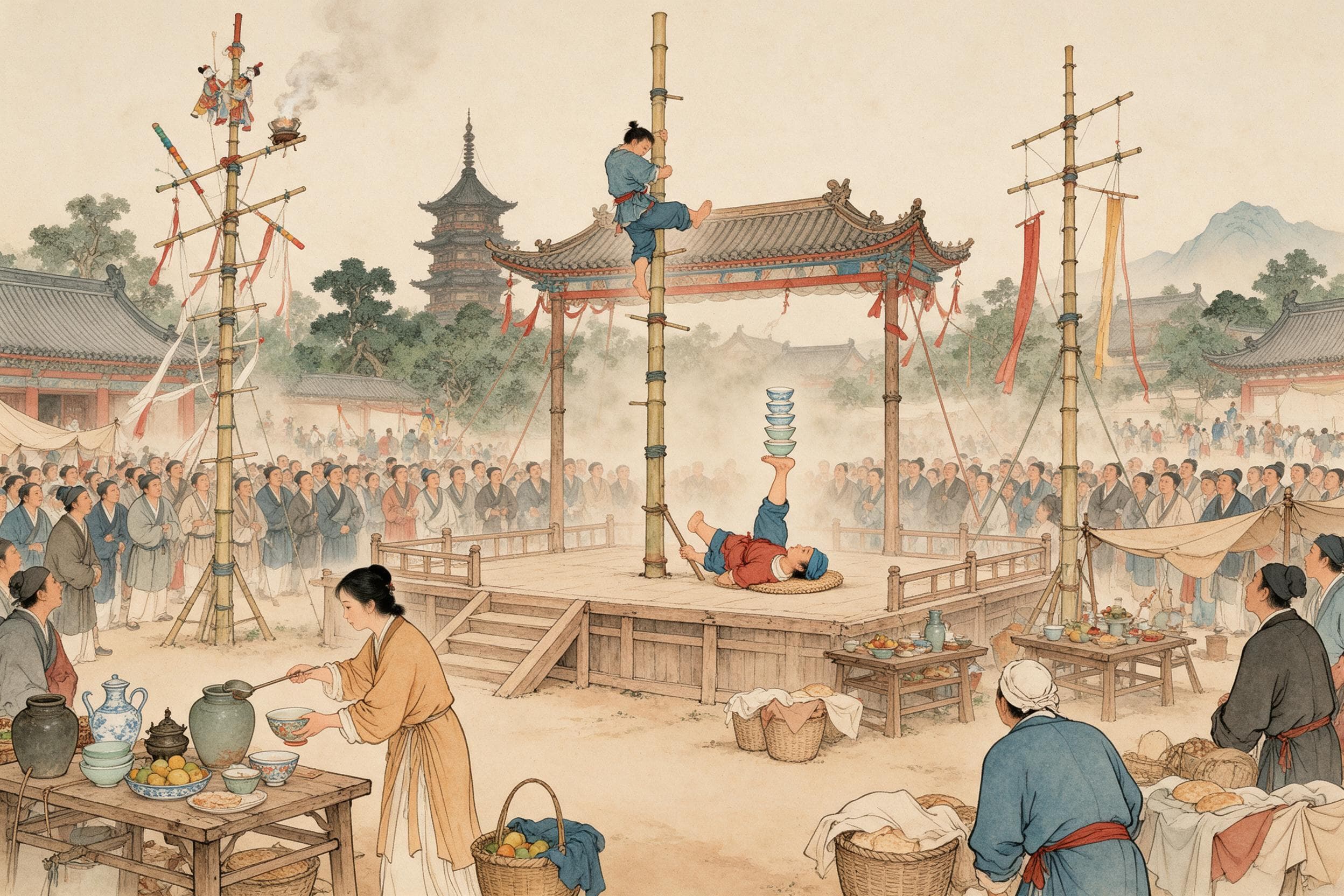
Twenty-Two Acts on a Temple Stage: Acrobats and Street Troupes in Song China
On the twenty-fourth of the sixth month the temple stage ran twenty-two acts from dawn until dark. Two banner poles belonged to two rival government workshops, and the pole-climbers were summoned to amnesties.
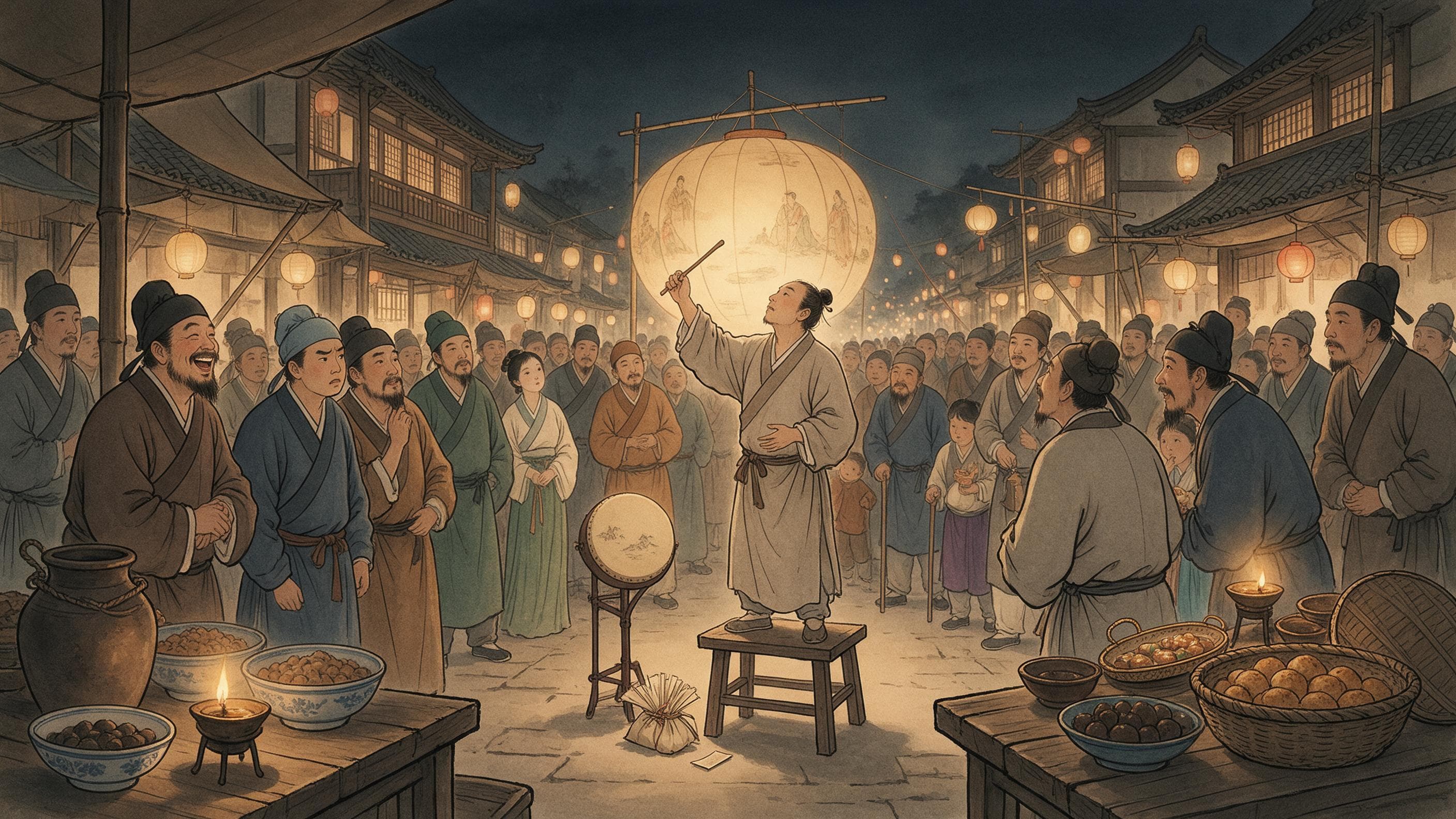
Riddle Sellers: The Guessing Trade in Song Cities
In Song cities riddle-guessing was a paid street act: a drummer drew the crowd, a seller set verbal traps, and lanterns carried hidden lines for passers-by to puzzle over.
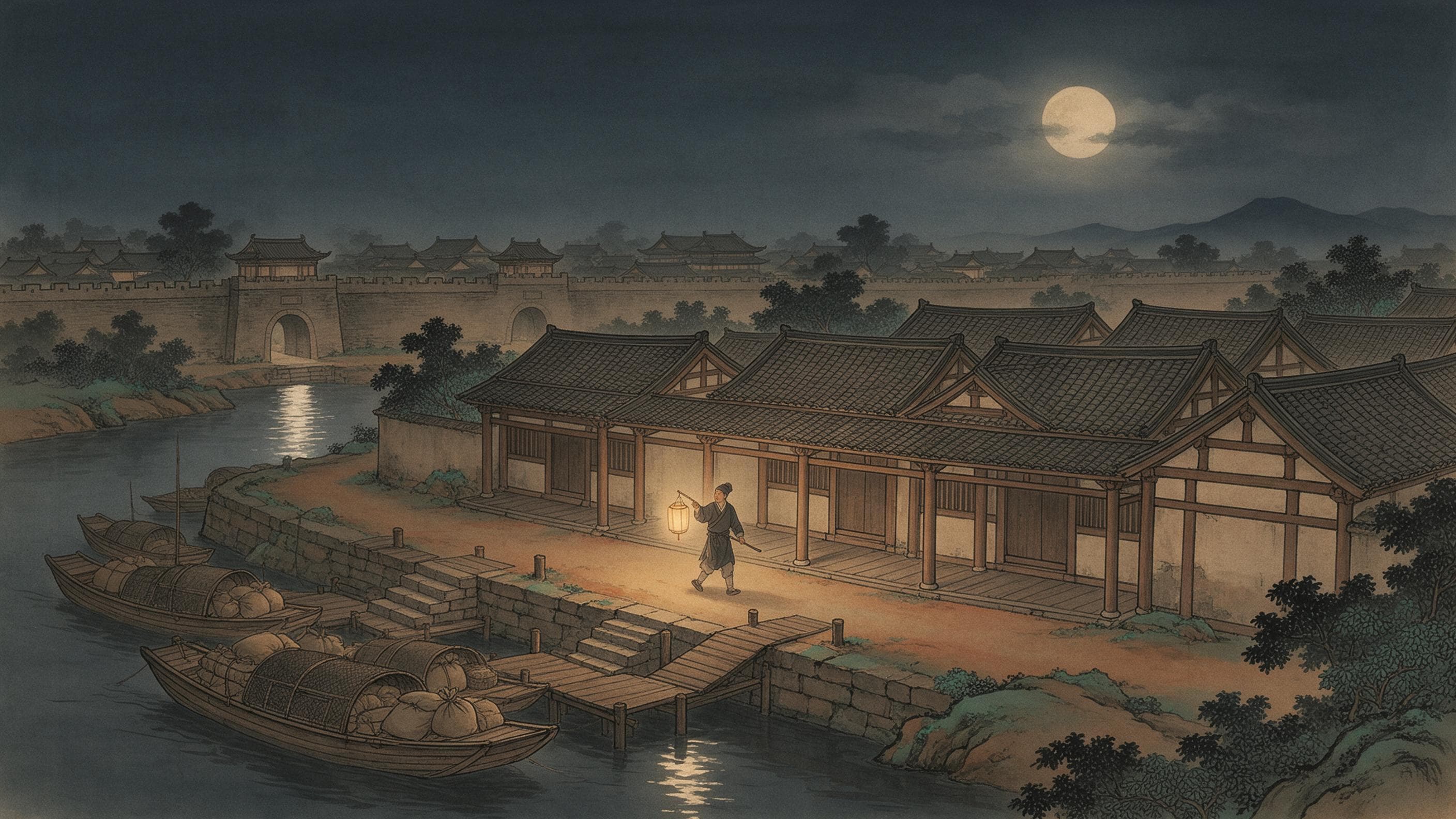
Water on Four Sides: The Warehouse Business of Song Lin'an
Inside Lin'an's north water gate, palace and wealthy households built dozens of warehouses with thousands of rooms, let by the month to shops and travelling merchants — water on all sides for fire and thieves.
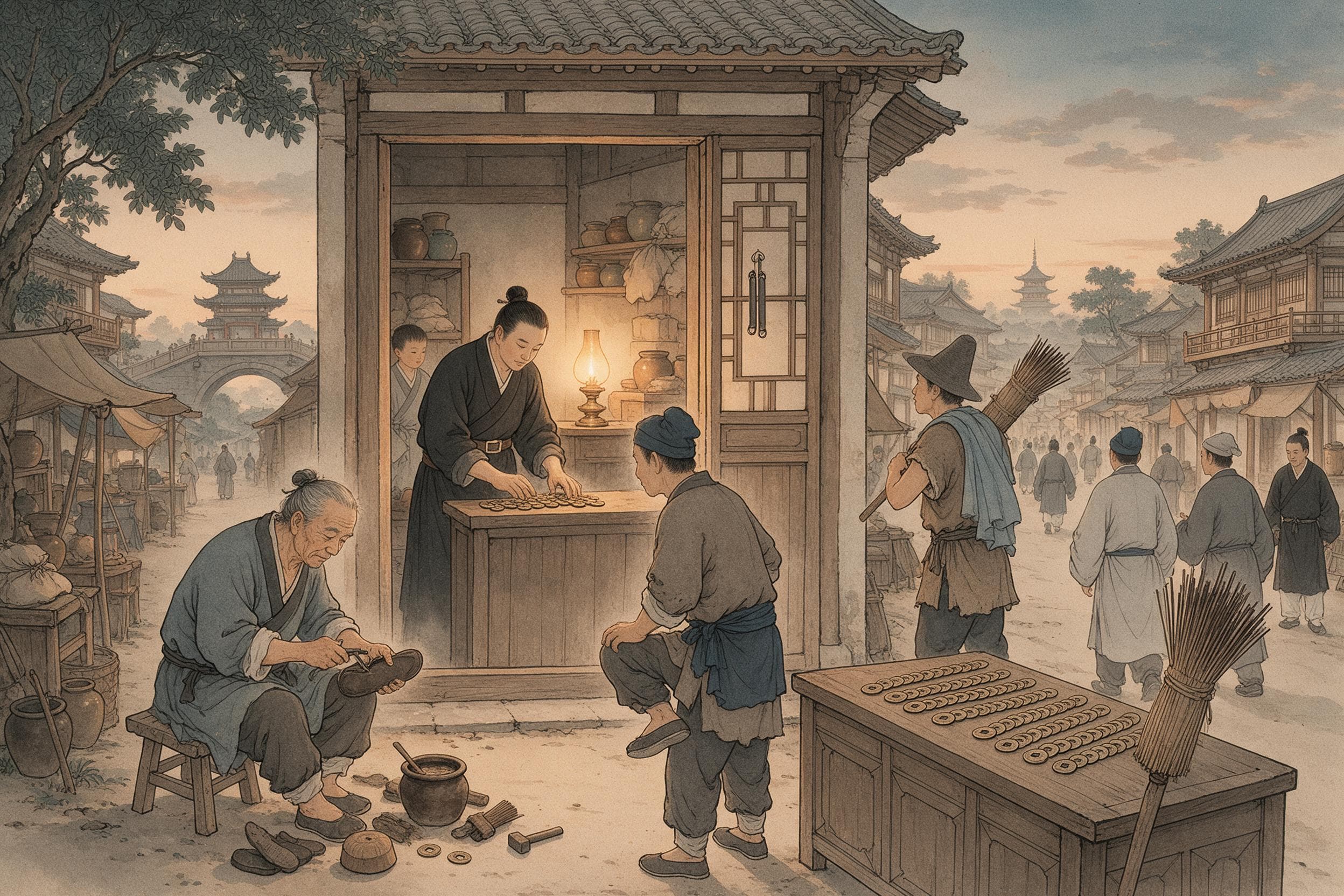
Dressed for the Job: Reading Occupation from Clothes in Song Cities
In Song Kaifeng, Meng Yuanlao wrote, you could tell a man's trade from his clothes. The statutes read differently: commoners in white, traders only in black or white, no purple.
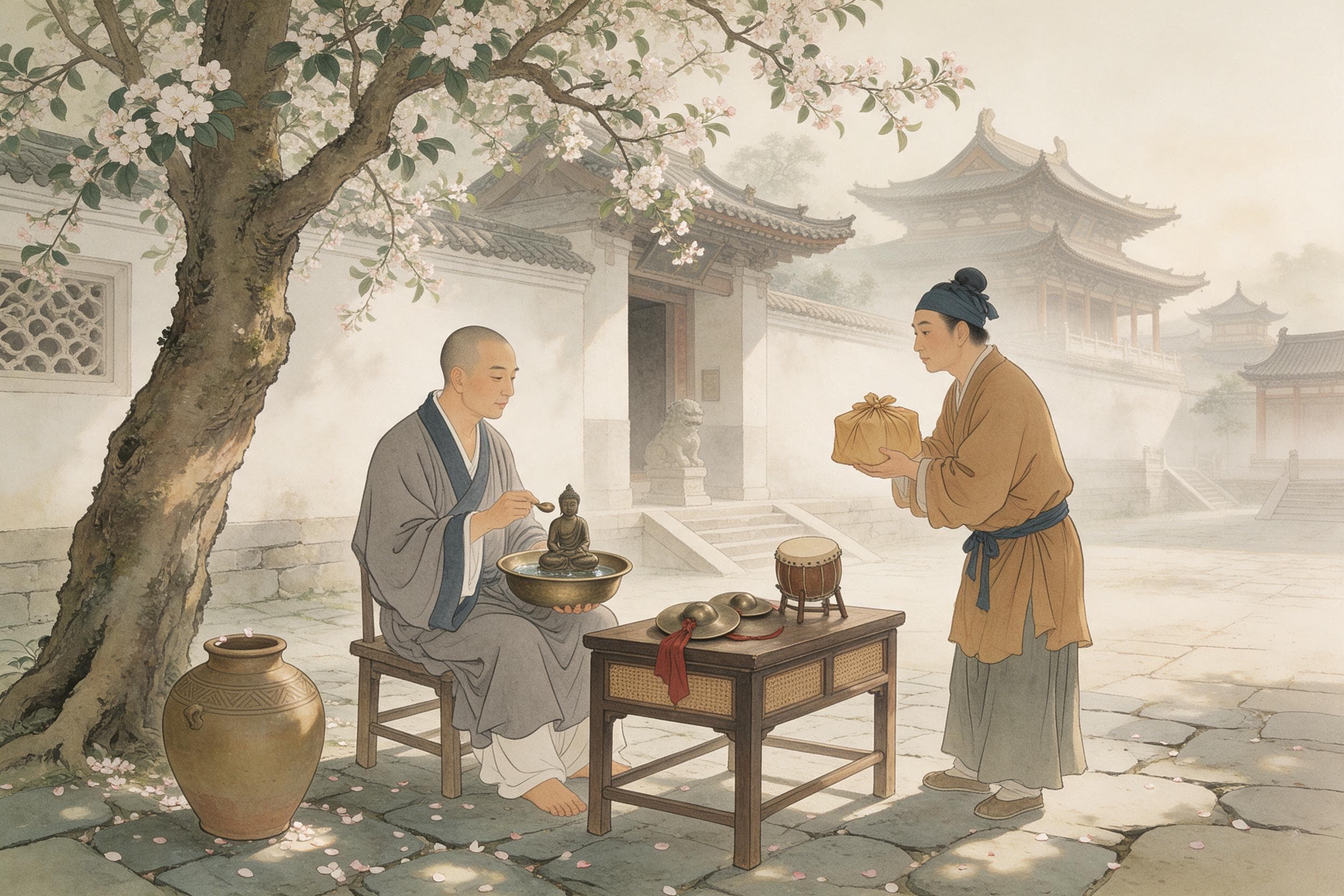
Sweet Water on the Buddha: The Business of the Buddha's Birthday
On the Buddha's birthday, Kaifeng's monasteries shared fragrant sweet water; in Lin'an monks walked the great houses ladling it over bronze images 'to seek alms', while West Lake held a release-of-life market.
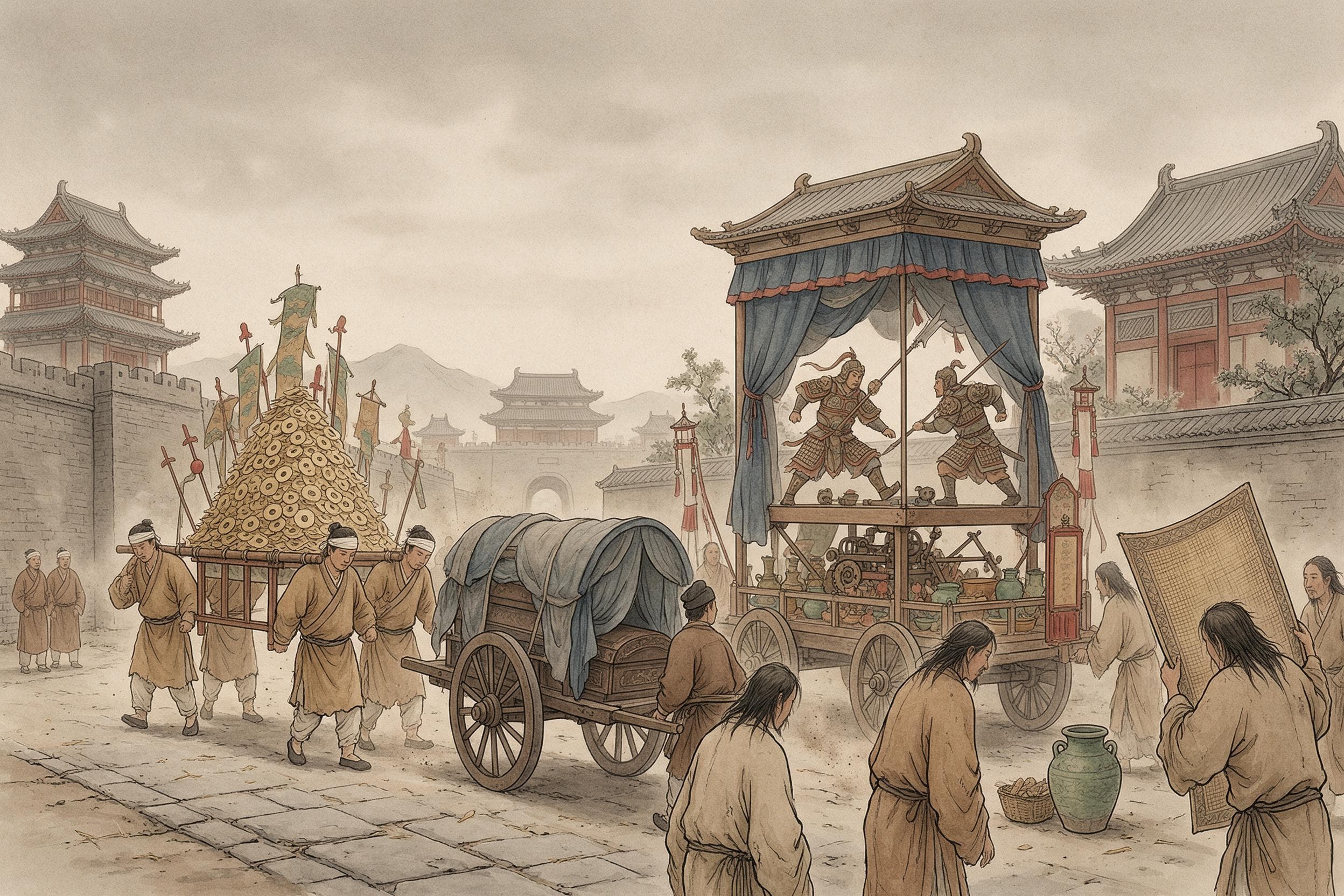
From Buried Coins to Burned Paper: The Making of Money for the Dead
A Tang writer described paper money carried before coffins and burned for spirits. A Tang history blamed it on a chancellor. By the Song it was seasonal stock, on sale days before the festival.
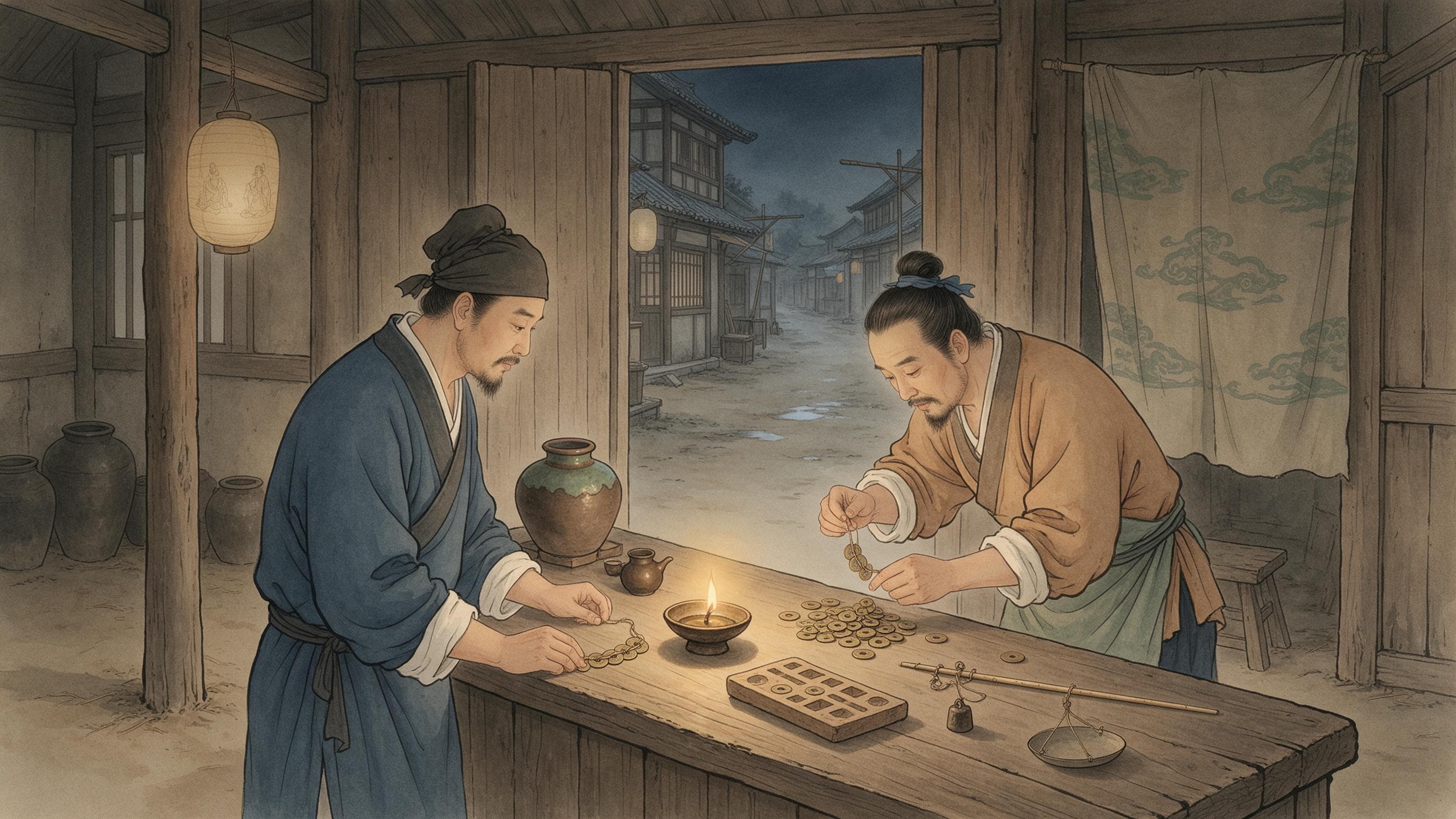
Why a String of a Thousand Coins Was Counted as 770
In Northern Song Kaifeng a string of a thousand coins was reckoned at 770. Six trades used six different rates, and by the Southern Song the street rate had fallen to fifty.