
EVERYDAY LIFE · SHANG TO QING
Stories
Small questions open a window onto a different world.
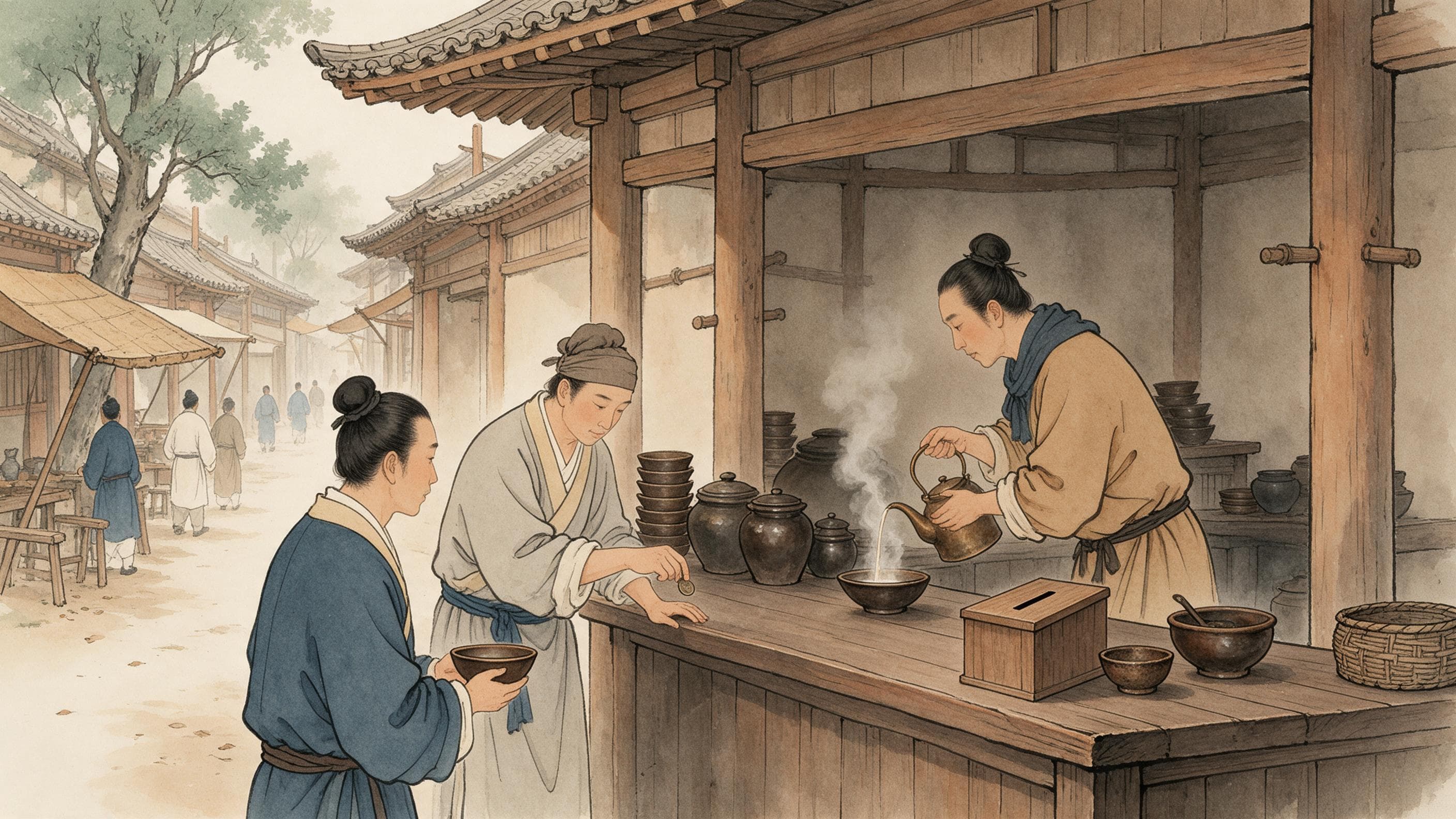
Kumiss's Slave and the Coin-in-the-Box Teahouse: Tea in Tang Cities
In Northern Wei Luoyang tea was mockingly called 'kumiss's slave'; two centuries later a Tang writer records city shops boiling tea and selling it to anyone who dropped in a coin.
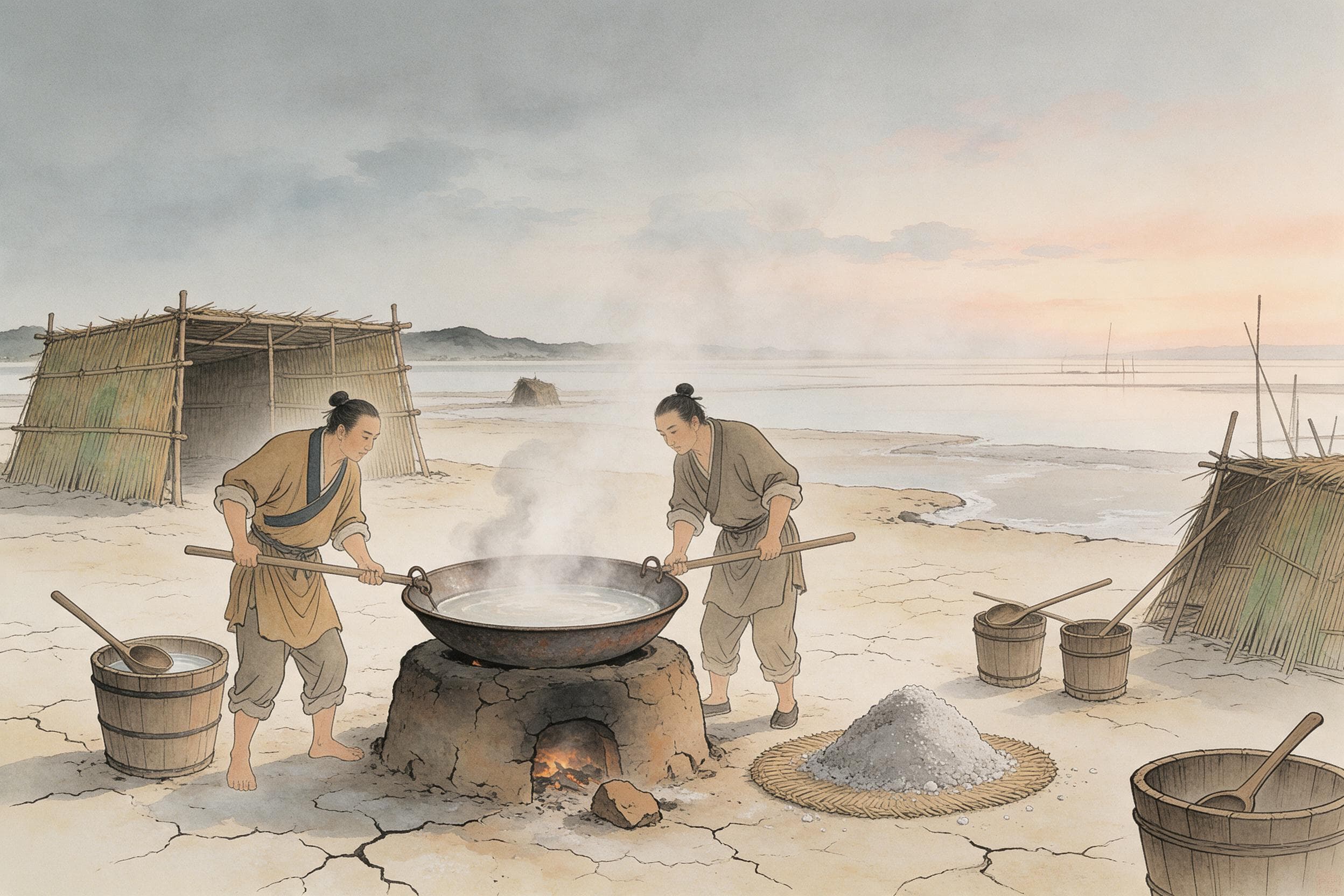
A Clamp on the Left Foot: Why the Han State Took Salt and Iron
Han salt and iron made merchants as rich as kings; under Emperor Wu the state appointed the magnates as officials, issued the boiling pans, and clamped the left foot of anyone who boiled salt privately.
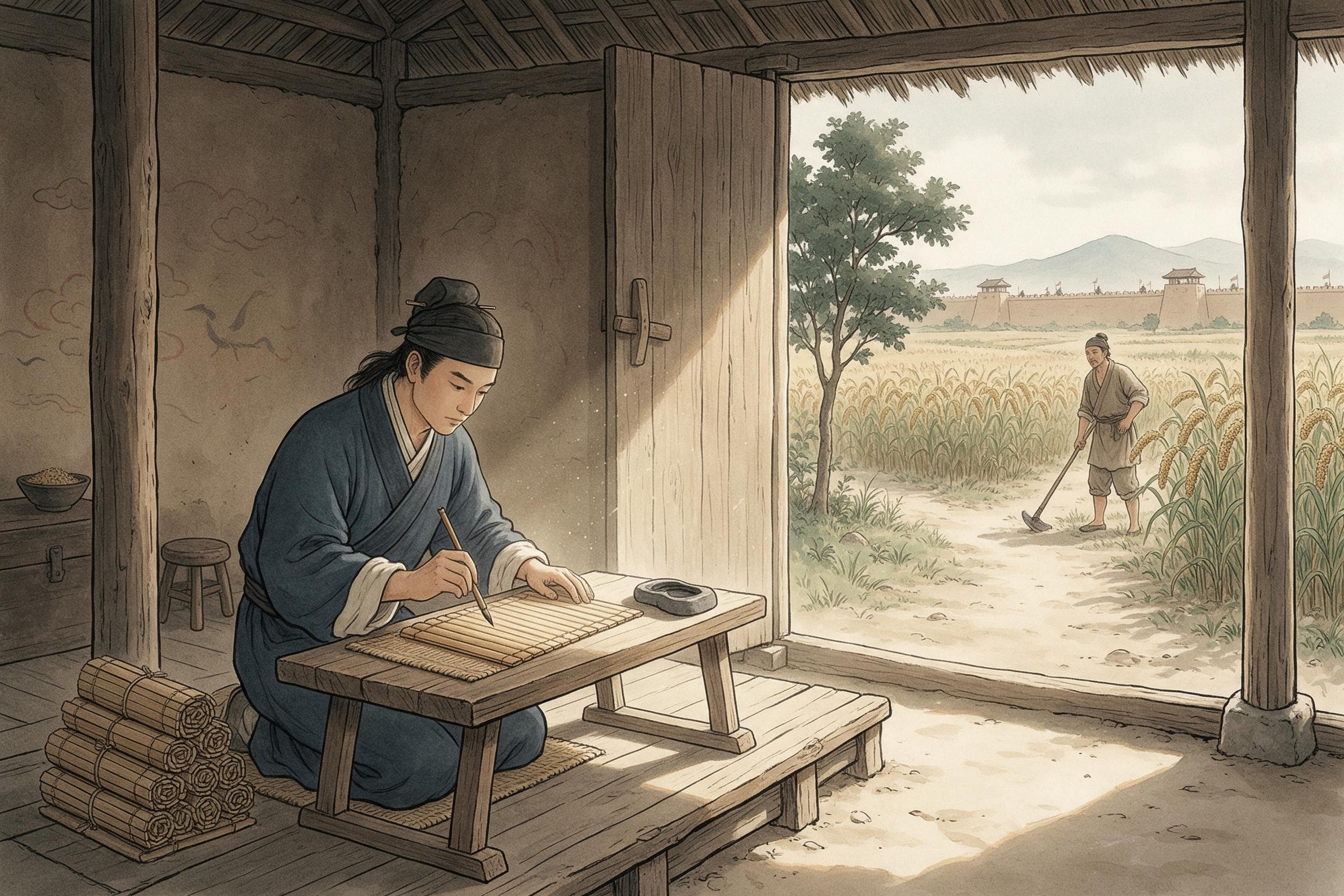
Rain Had to Be Reported: The Registered Farmer of Warring States Qin
In late Warring States Qin, statutes required rain, ripening millet, newly broken land and crop damage to be reported in writing by the qing; fodder was levied on allocated land and missed corvée fined in armour.
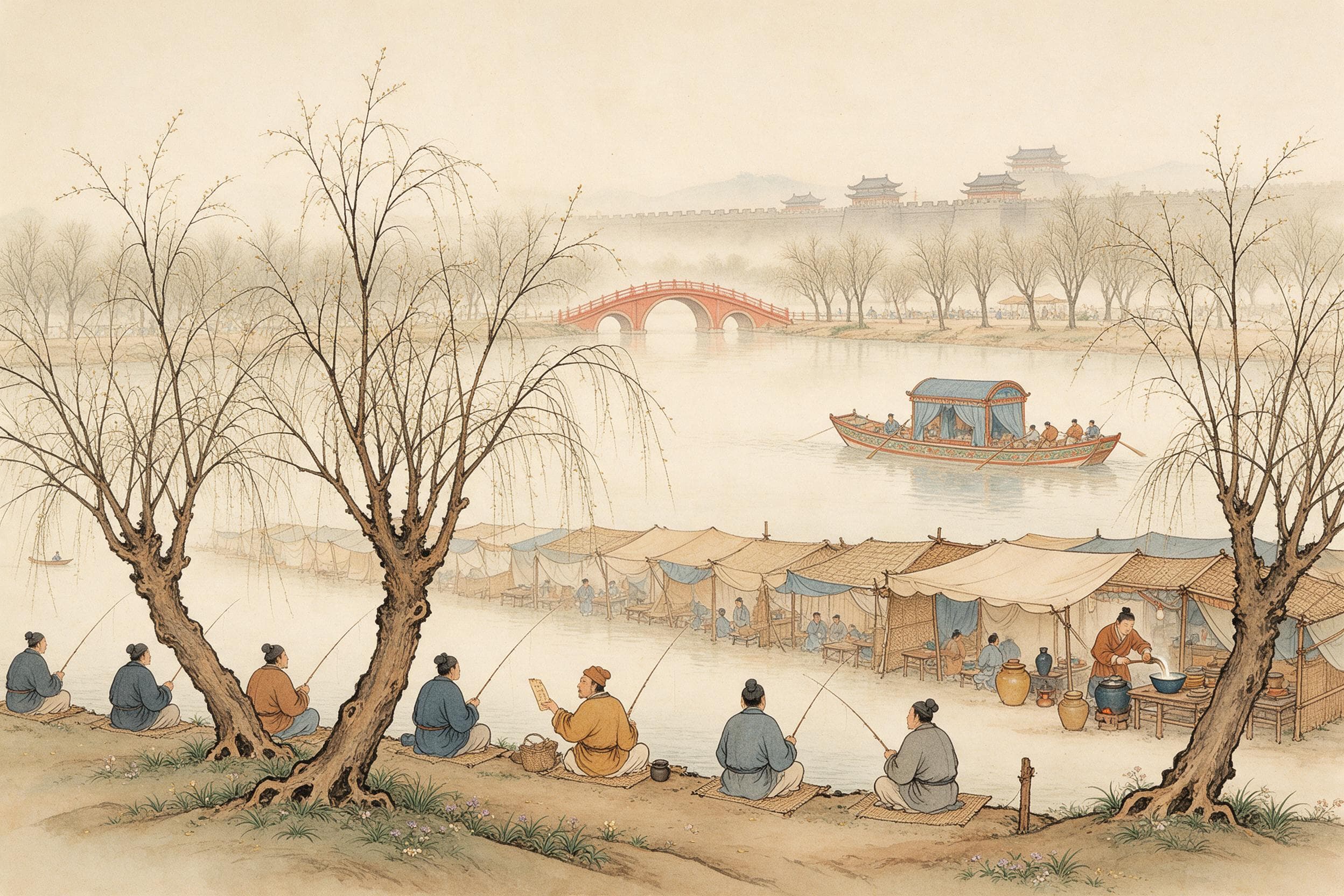
Thirty-Nine Days of Spring: The Business of a Song Outing
Kaifeng's Jinming Pool opened on the first of the third month and shut on the eighth of the fourth. Waterside booths were rented, fish sold back at double price, boats priced by size.
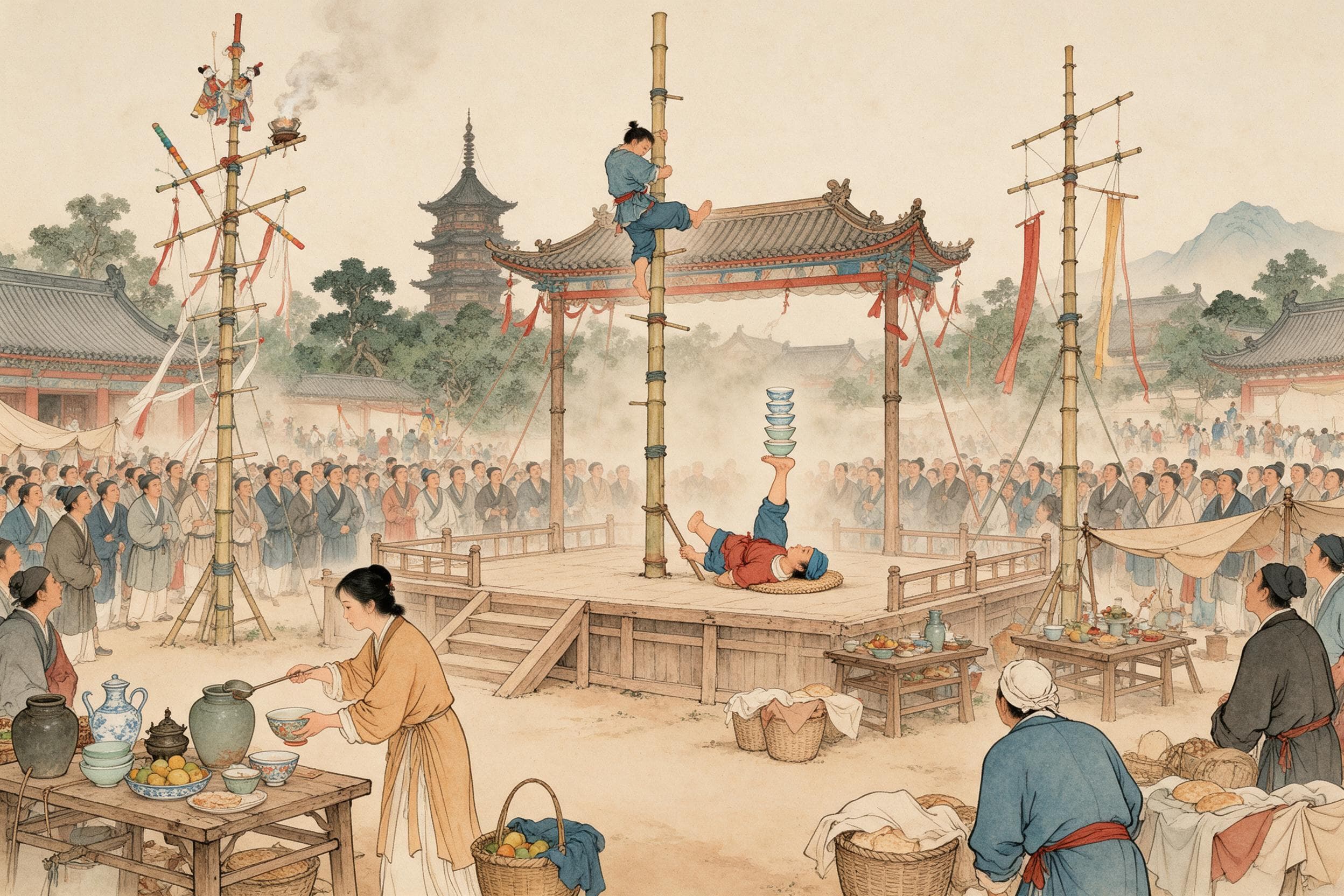
Twenty-Two Acts on a Temple Stage: Acrobats and Street Troupes in Song China
On the twenty-fourth of the sixth month the temple stage ran twenty-two acts from dawn until dark. Two banner poles belonged to two rival government workshops, and the pole-climbers were summoned to amnesties.

Riddle Sellers: The Guessing Trade in Song Cities
In Song cities riddle-guessing was a paid street act: a drummer drew the crowd, a seller set verbal traps, and lanterns carried hidden lines for passers-by to puzzle over.
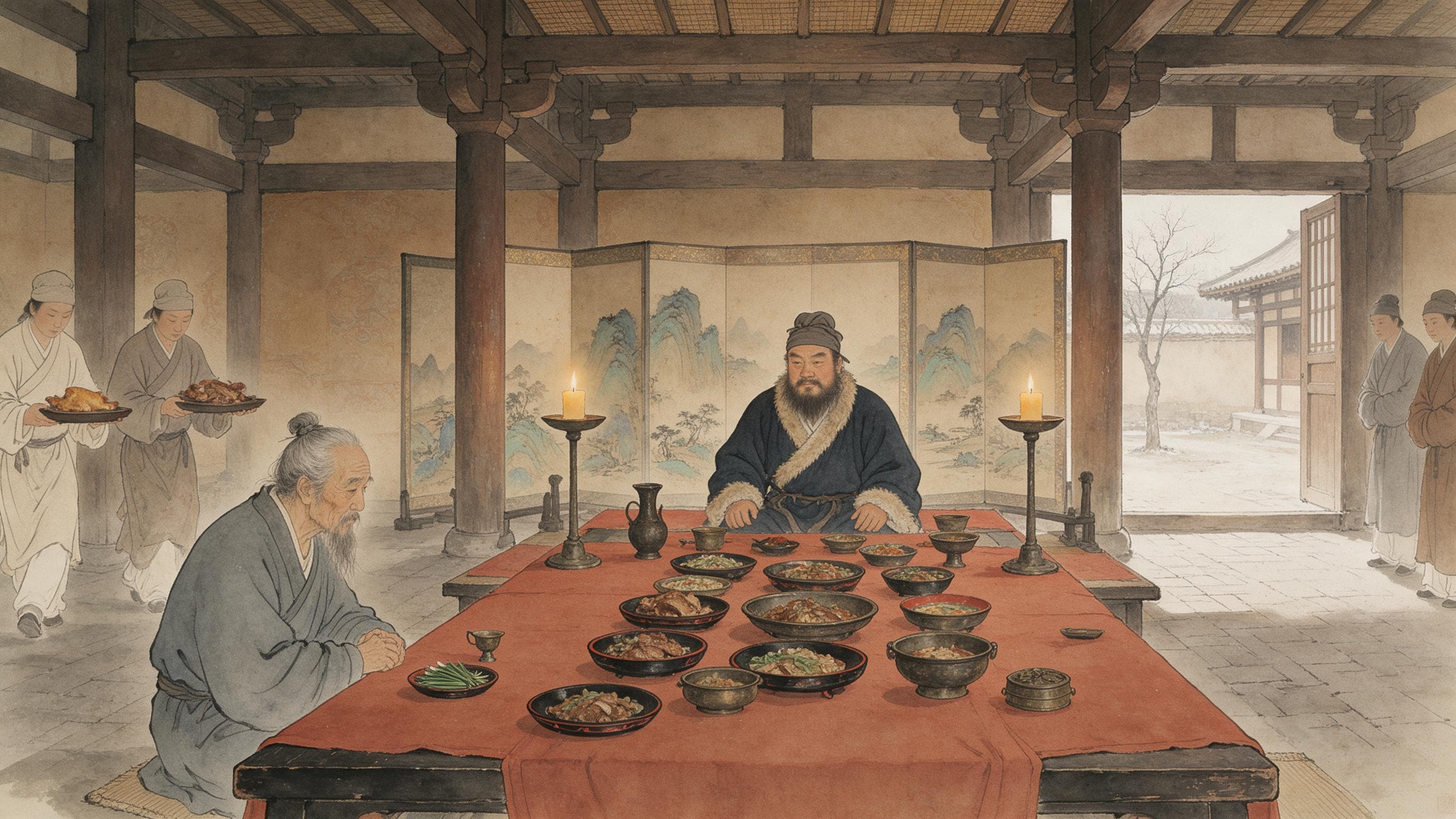
A Table a Zhang Wide, and a Dish of Chives: Money and Power in Luoyang's Monasteries
Prince Yuan Yong kept six thousand servants and five hundred singers and capped a meal at tens of thousands of coins; Li Chong, rich beyond measure, ate chives, and the joke about his 'eighteen dishes' was a pun.
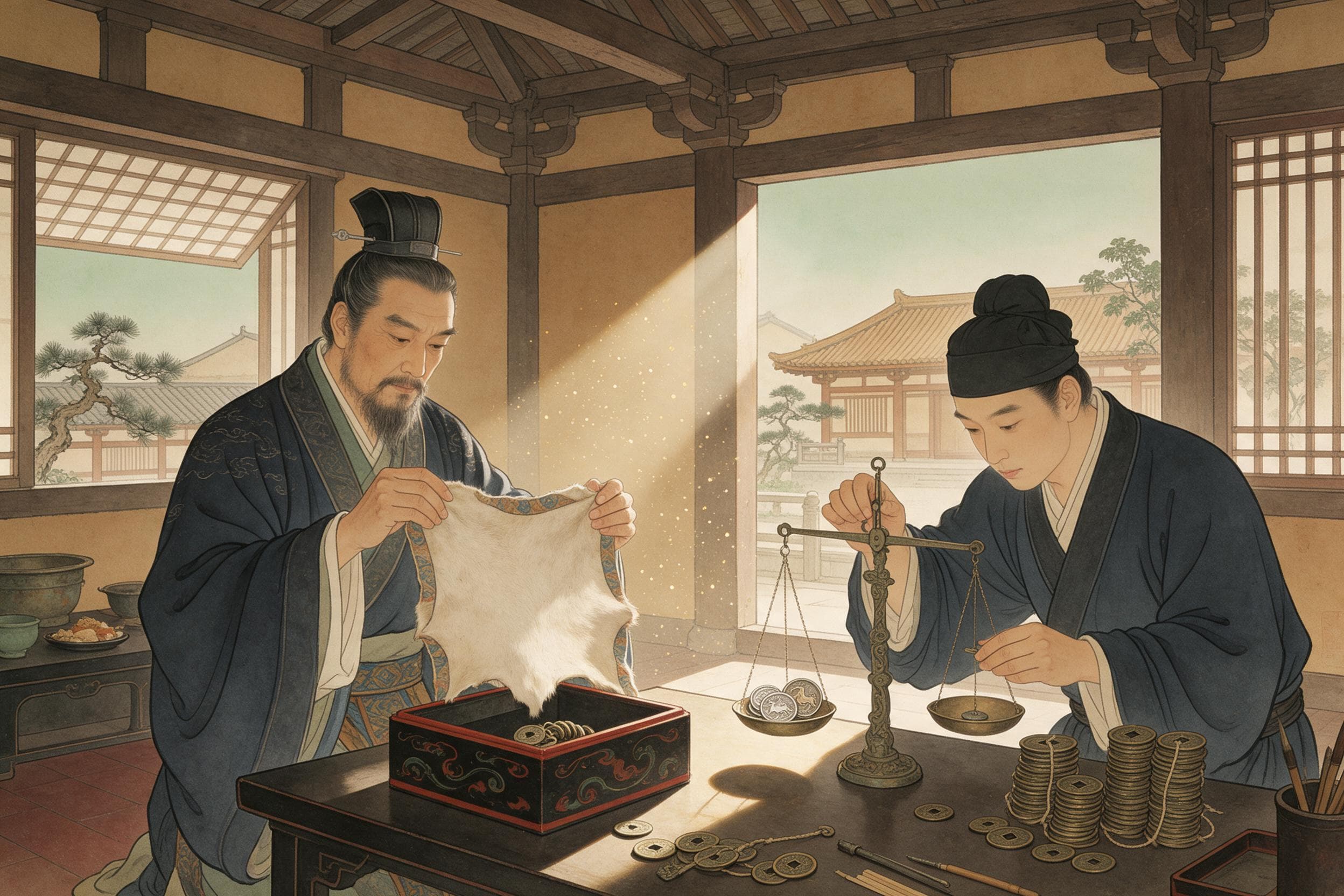
A Deer Hide Worth 400,000 Coins: Han China's Money Experiments
A foot-square of white deer hide priced at 400,000 coins and required at court; silver pieces valued at 3,000, 500 and 300 by their designs; a red-edged coin passing for five. All of it failed.
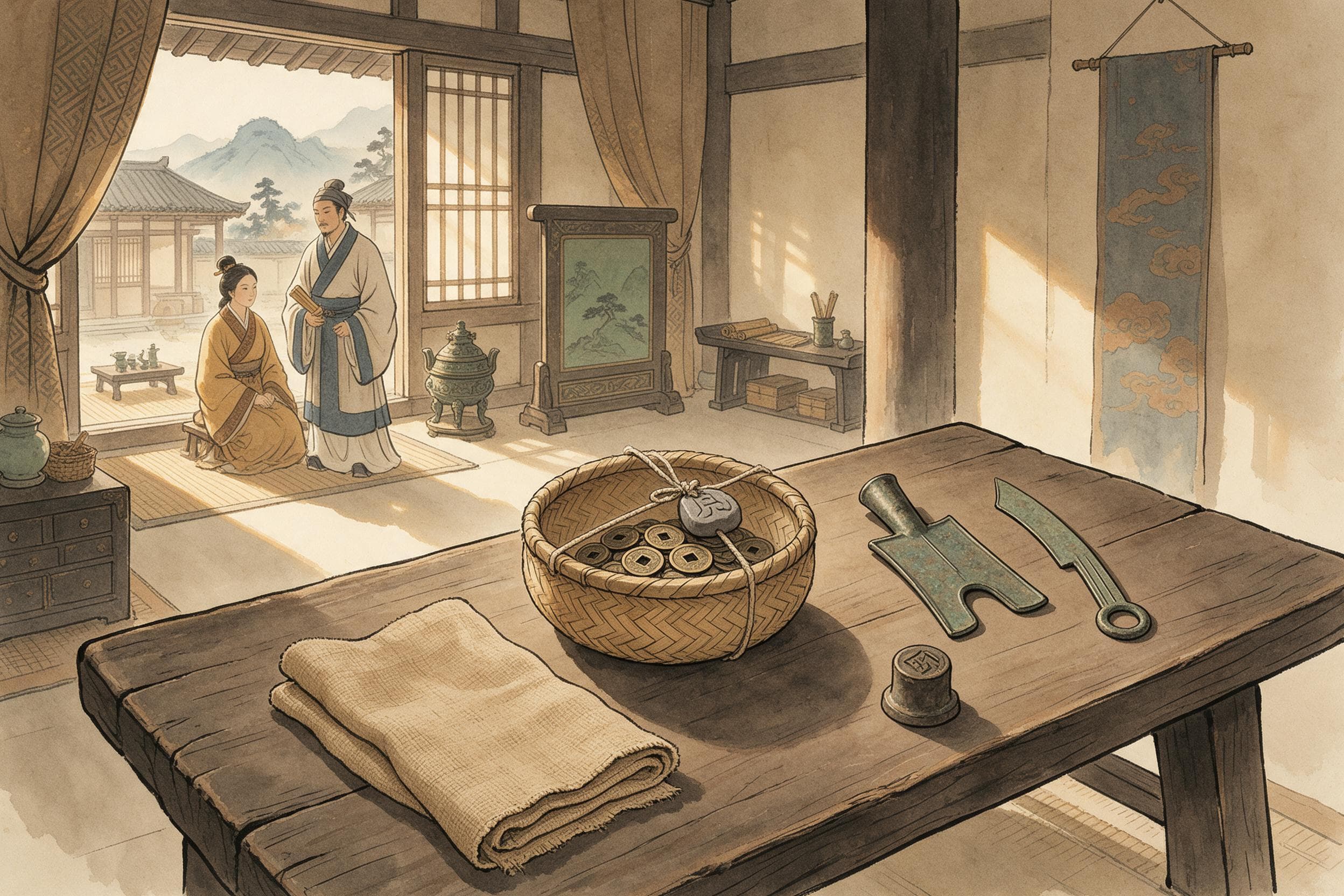
Spade, Knife, Ring: What Money Looked Like in the Warring States
Warring States coins were cast in the shapes of tools; a Qin statute adds the rules — cloth of legal size, eleven coins to the bolt, no refusing bad coin, a thousand coins sealed in a basket.