
EVERYDAY LIFE · SHANG TO QING
Stories
Small questions open a window onto a different world.
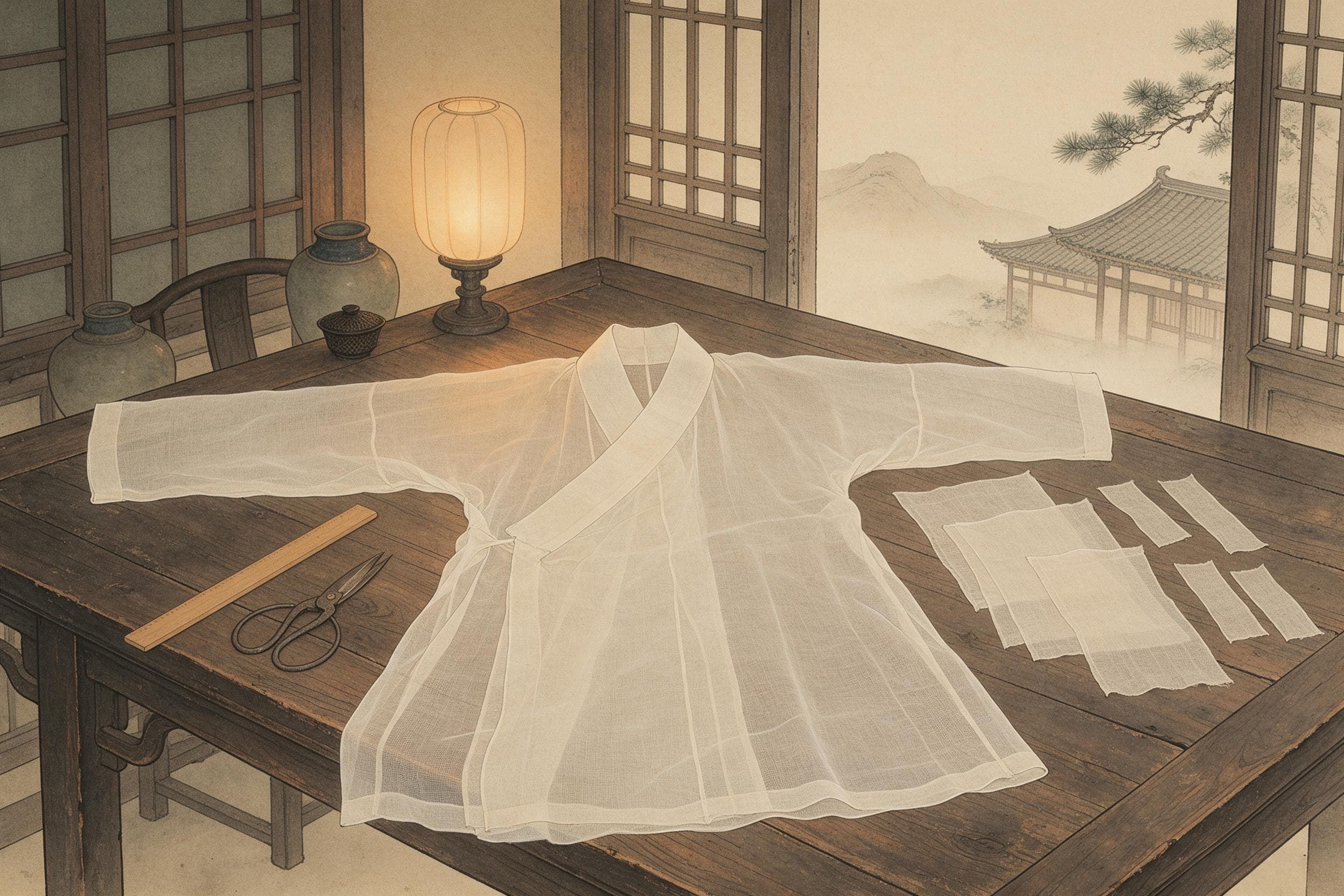
Seven Pieces of Silk, Forty-Nine Grams: Cutting a Han Robe
Two gauze robes from Mawangdui weigh 49 and 48 grams; one is cut from seven pieces of cloth. Their weave can be measured, and the Han cap-and-ribbon regulations show how cloth was counted into rank. No price, no hours.
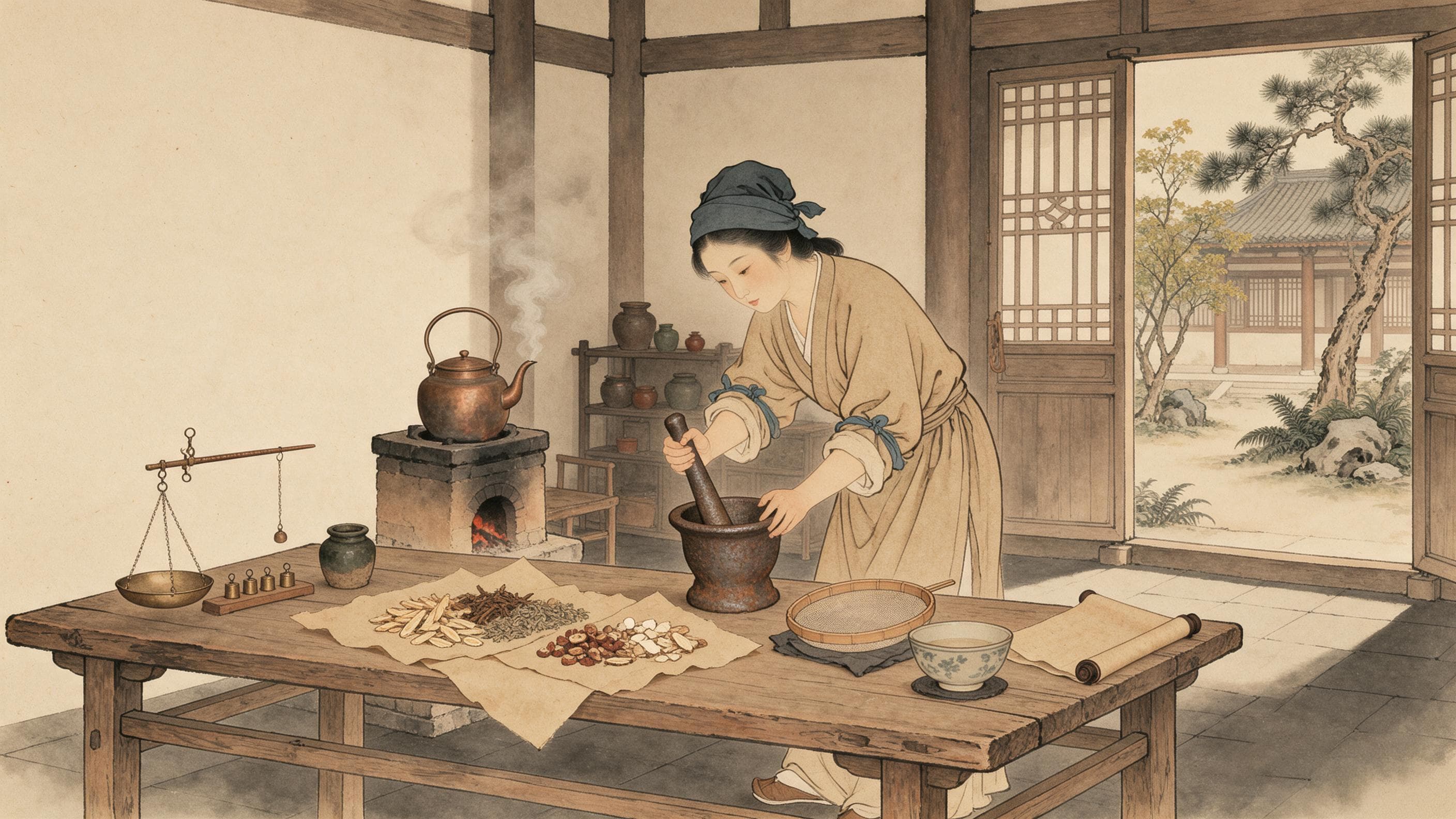
How a Tang Prescription Was Made: Diagnosis, Roasting, Boiling, Taking
A Tang formulary teaches the making of one prescription: examine first, roast and weigh the drugs, boil twenty liang in a dou of water down to four sheng, take it in three doses. And never weigh a drug raw.
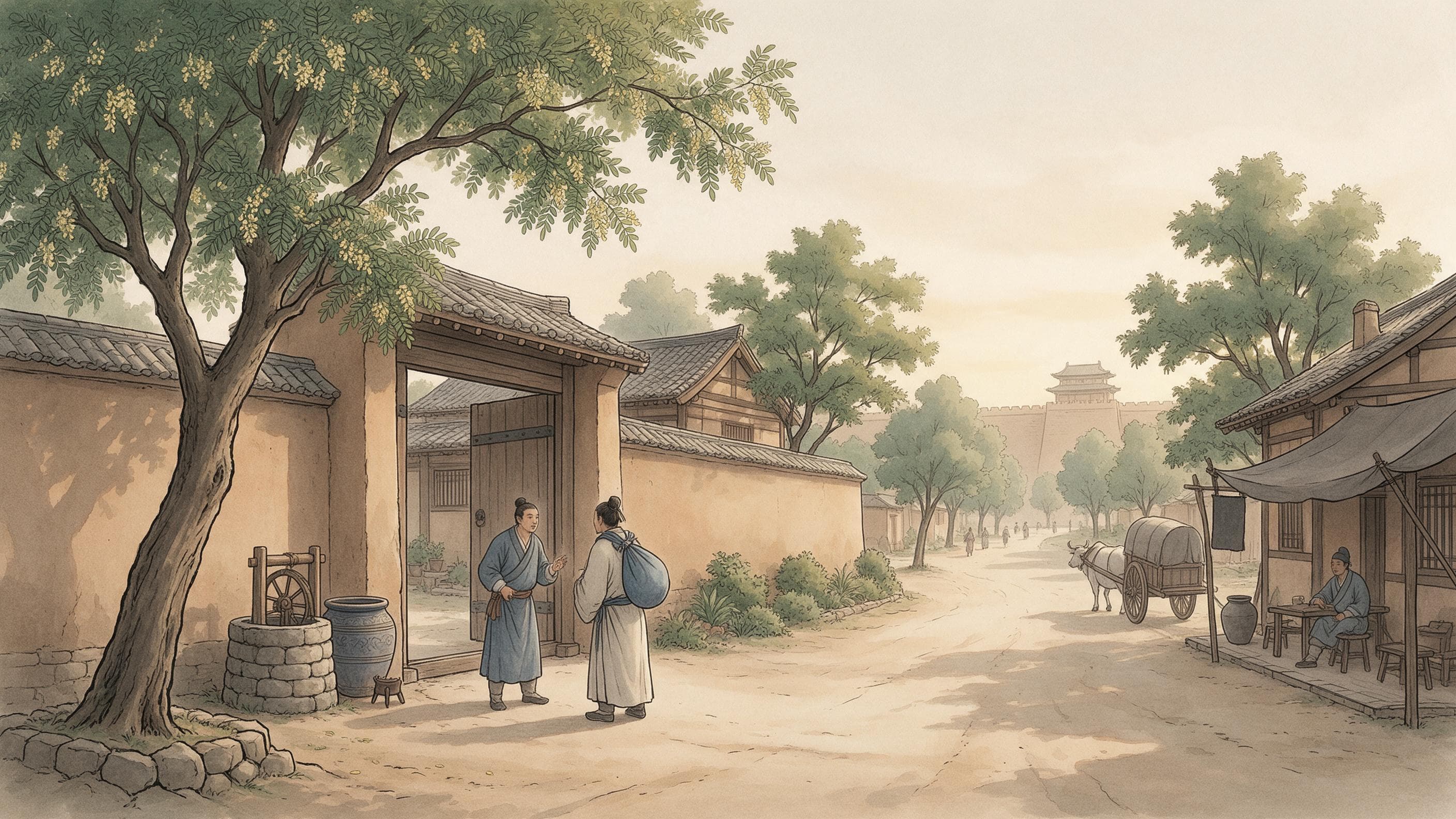
How People Lived in Tang Chang'an: Wards, Rented Rooms and Inns
“Living in Chang'an is no easy matter” is usually read as a rent complaint, but the two early versions say rice and “all things” are dear. Chang'an left no rent figures at all, only wards, houses, rented rooms and inns.
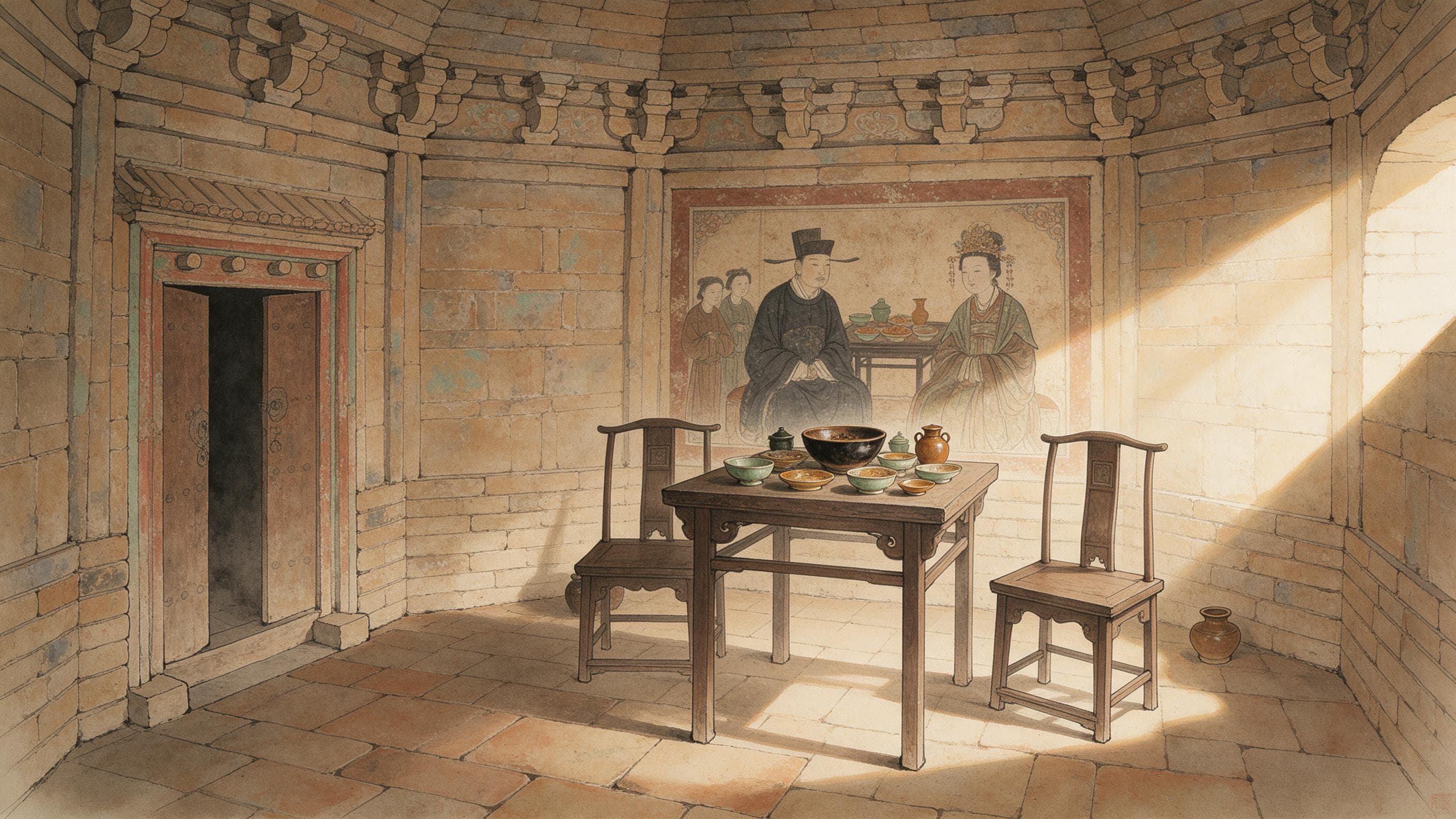
One Table, Two Chairs: The Banquet Set Out in a Jin Tomb
A Jin tomb in Shanxi paints the same banquet on two walls and sets a real table and two chairs before the coffin platform. What the murals and the bowls can say about a rich household's table, and what they cannot.
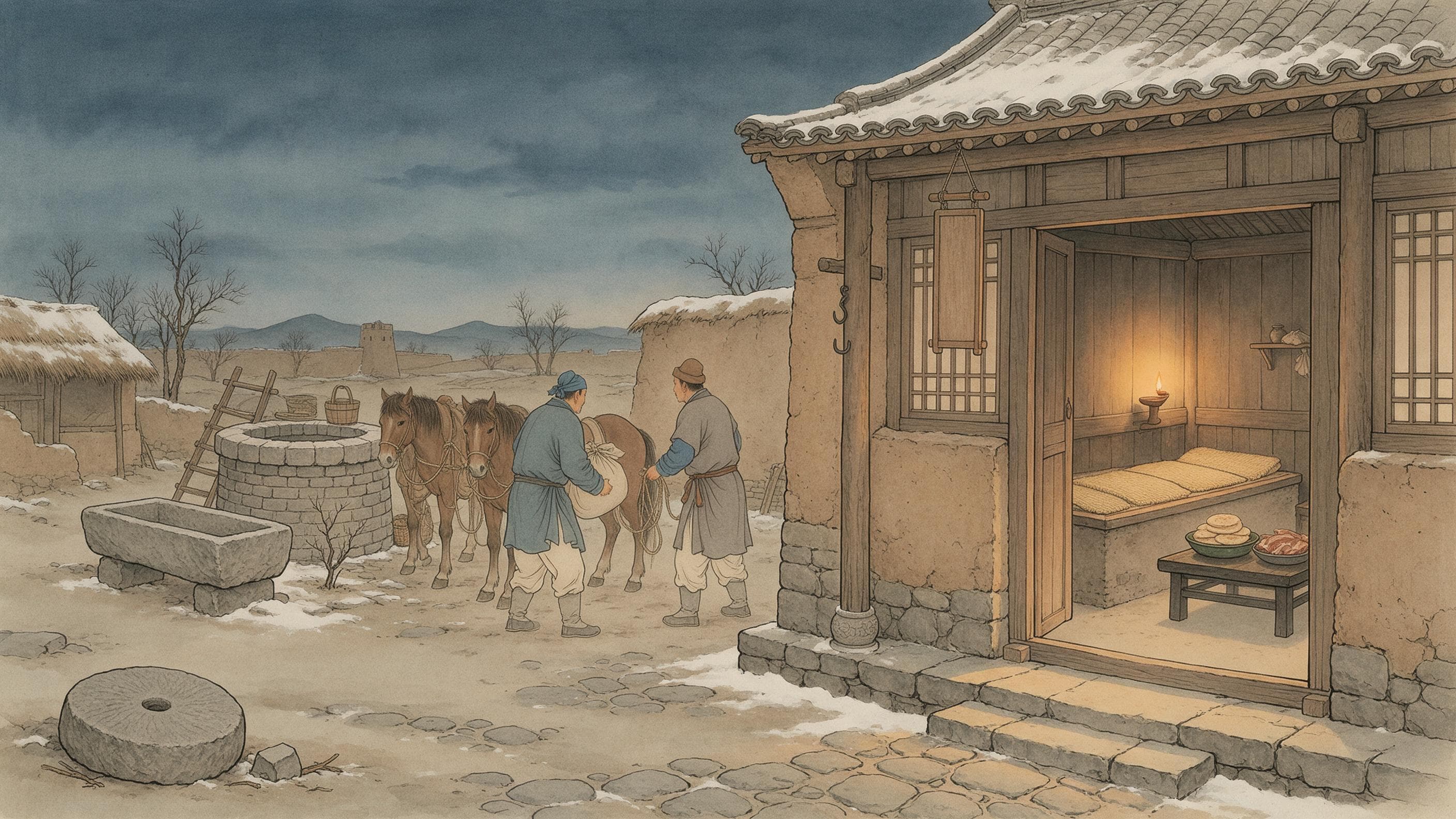
The Bill, Recited Line by Line: A Yuan Merchant on the Road to the Capital
A Korean textbook of 108 Chinese dialogues follows a merchant from Kaesong to the Yuan capital, pricing an inn bill, a horse sale and a broker's tax: teaching examples, not Yuan price statistics.
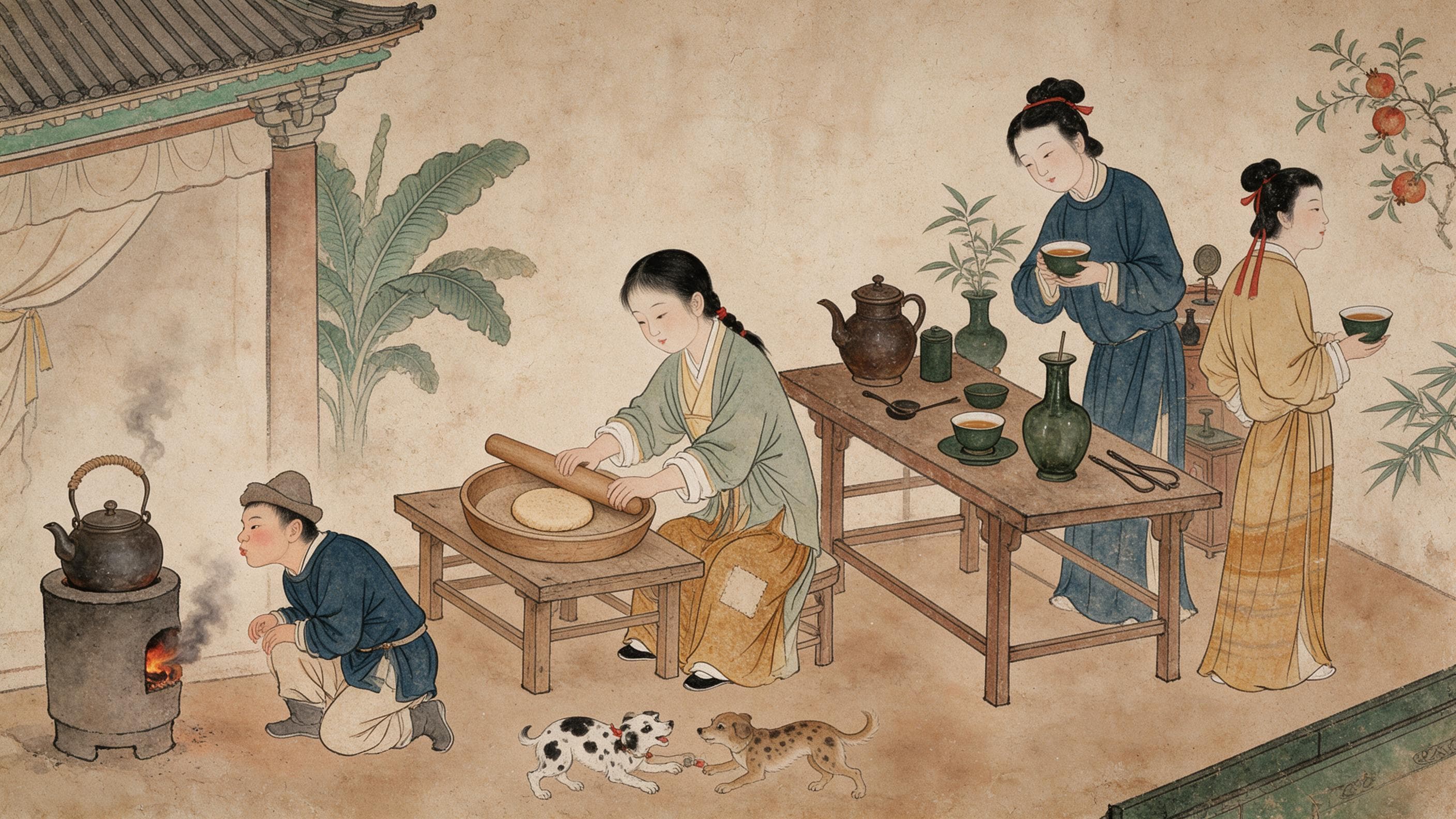
A Meal Painted on a Tomb Wall: Tea and Guests in Liao China
A Liao tomb mural at Xuanhua shows a whole tea service in action: a Han-dressed girl grinding tea with a patched knee, a Khitan-dressed boy blowing the stove, a servant reaching for the pot, and two small dogs.
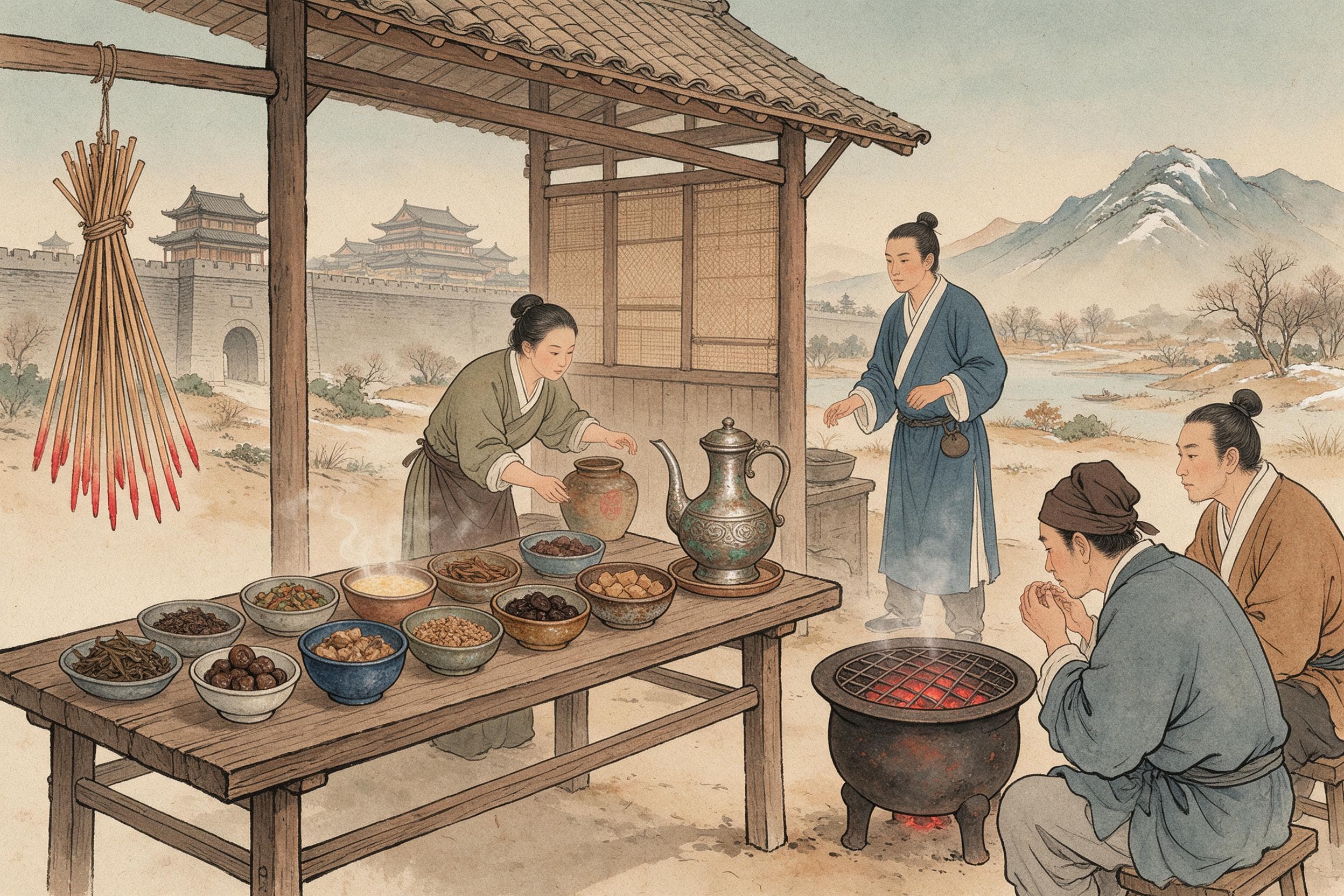
Seventeen Festivals, One Dish Each: A Five Dynasties Menu for the Year
A Five Dynasties eating house outside the capital's Changhe Gate sold one speciality per festival, from New Year's meat to the winter solstice dish and the Laba bowl, seventeen dates across the year.
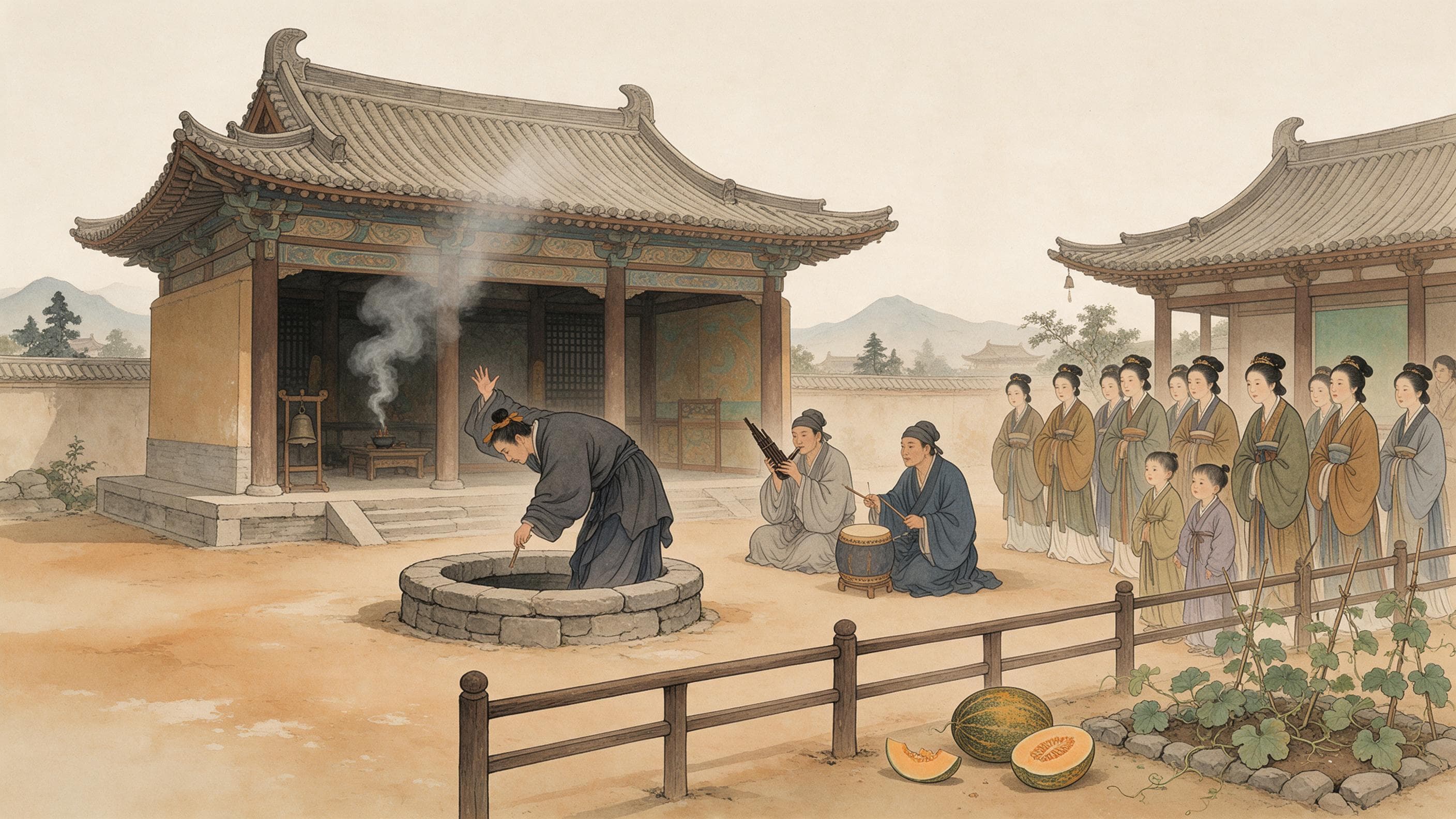
The Donkey in the Well: Temple Illusions in Northern Wei Luoyang
At a Luoyang nunnery an entertainer skinned a donkey into a well and made dates and melons edible in a moment; the audience was spellbound — and after the wars, the record says, the show simply vanished.
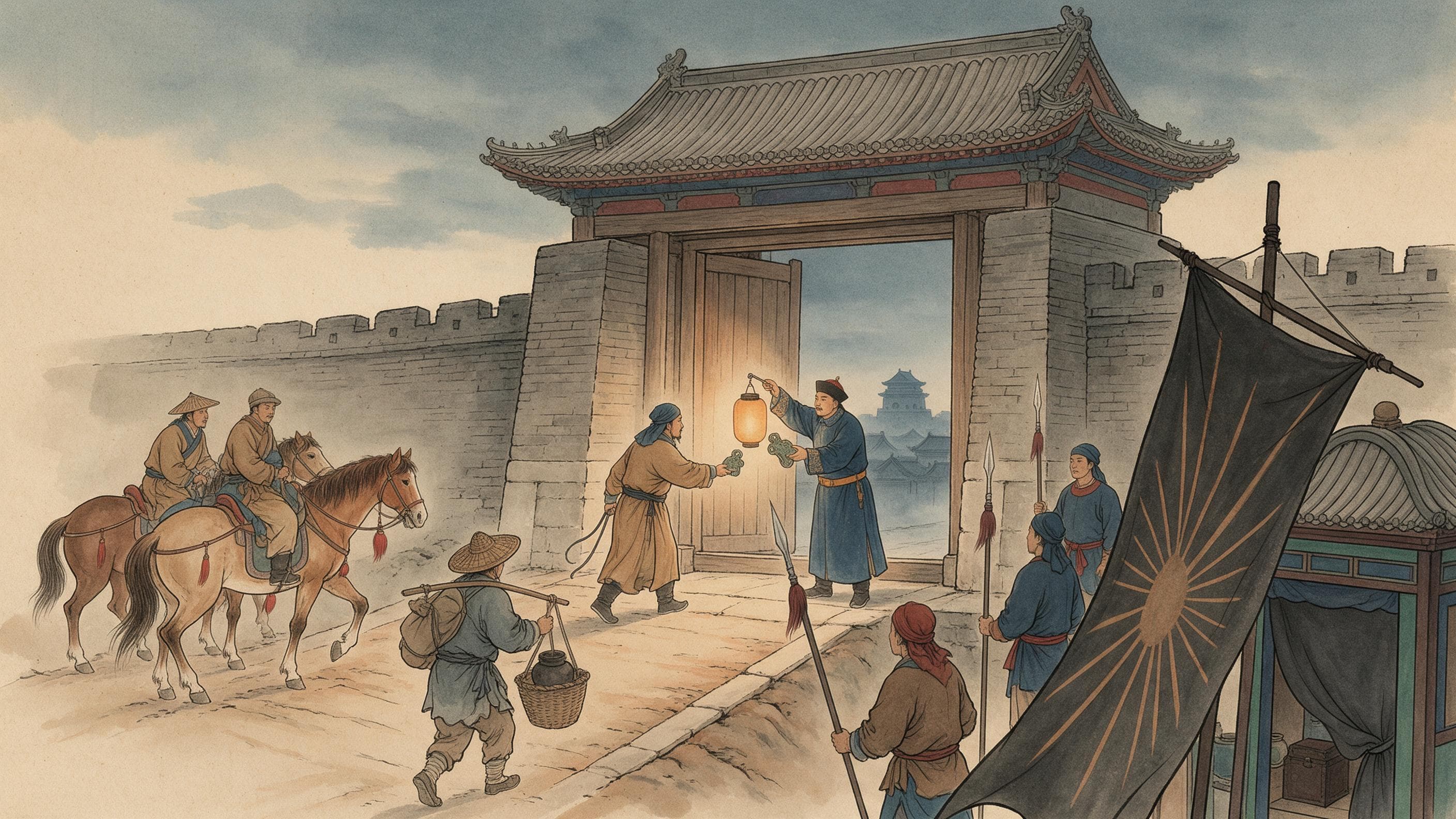
When the Gates Opened: A Day in Qing Beijing
Beijing's gates opened by the court calendar, not the clock: at dawn on audience days, after the morning bell, before the fifth watch; at night a tally from the palace had to match the gate's half before it opened.