
EVERYDAY LIFE · SHANG TO QING
Stories
Small questions open a window onto a different world.
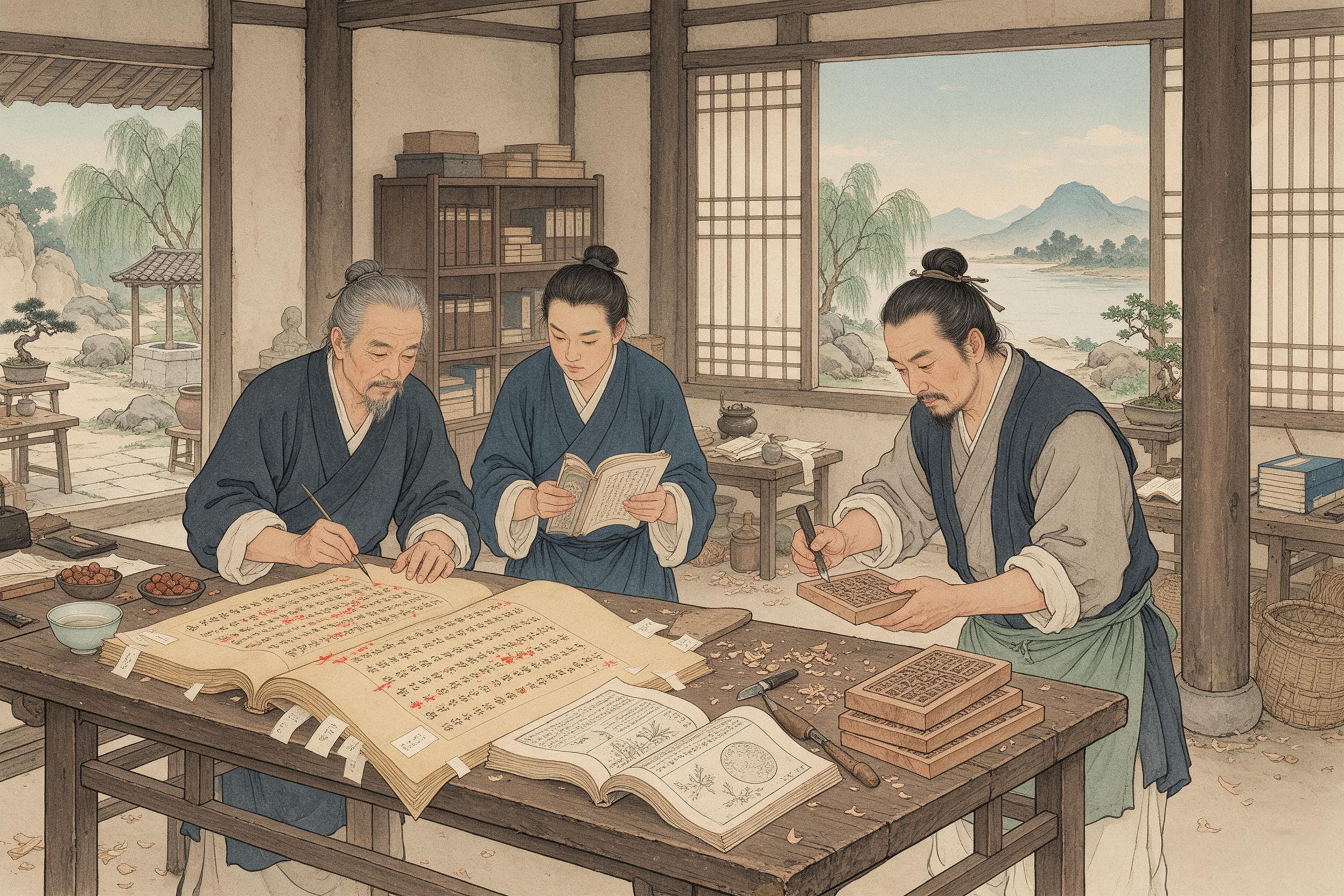
Thirty Years for One Book: How the Bencao Gangmu Was Assembled and Reached the Court
The proper name as the key and the explanations as the entries: that is where the title comes from. Thirty years, eight hundred books, three drafts — and three sources that disagree on the total.
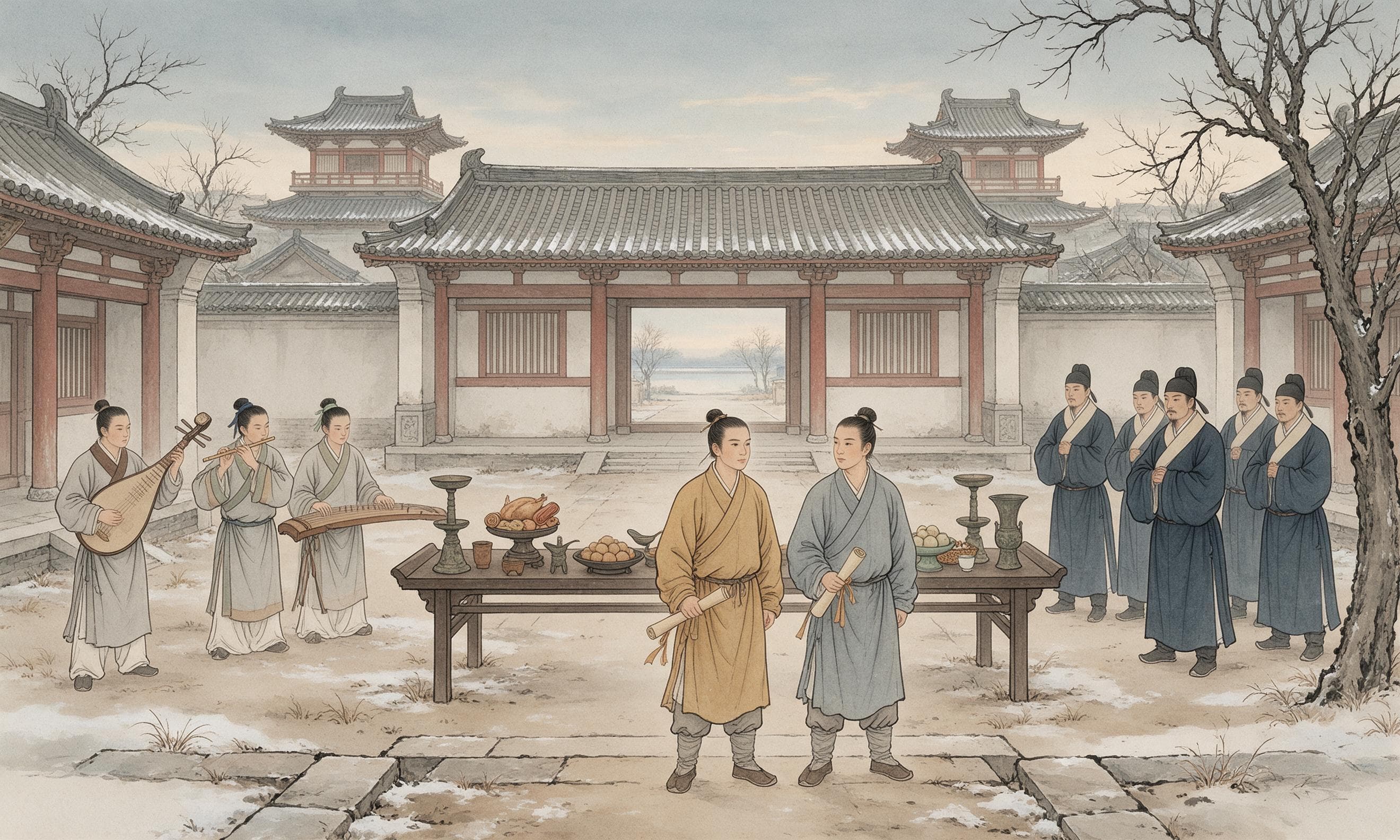
The Tang Examination: How a Candidate Got In
A prefecture held a farewell feast in winter, the capital set a pasted classic, prose and policy essays, and a pass was still not an office: how the Tang examined a jinshi candidate.
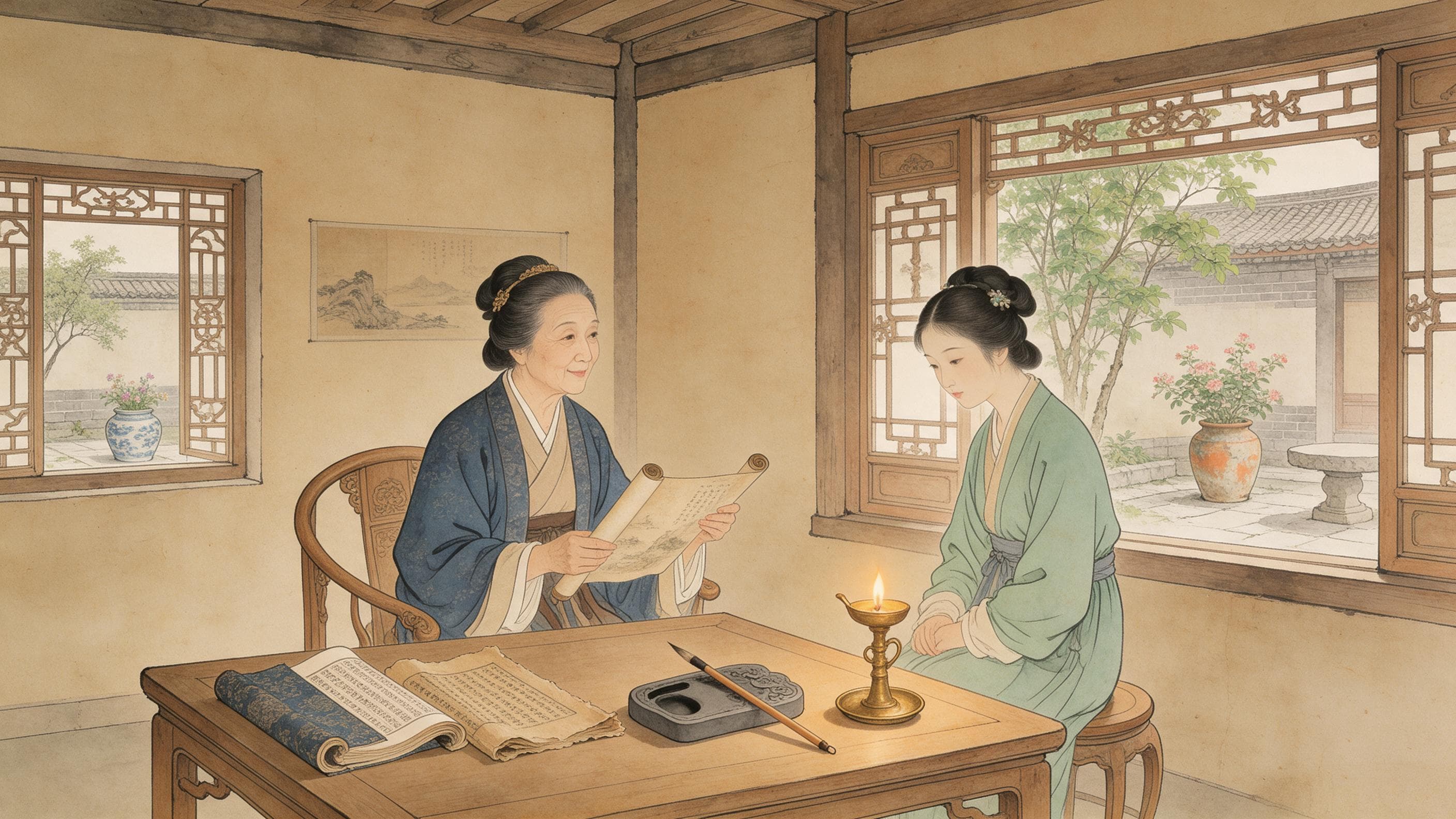
Written by an Empress, Spoken by a Mother, Admitted by a Historian: Three Voices on Ming Women
An empress divided a woman's life into twenty chapters; a mother said a few hundred characters were enough; a historian admitted that exemplary women were chosen. Three texts, three positions — none of them 'Ming women'.
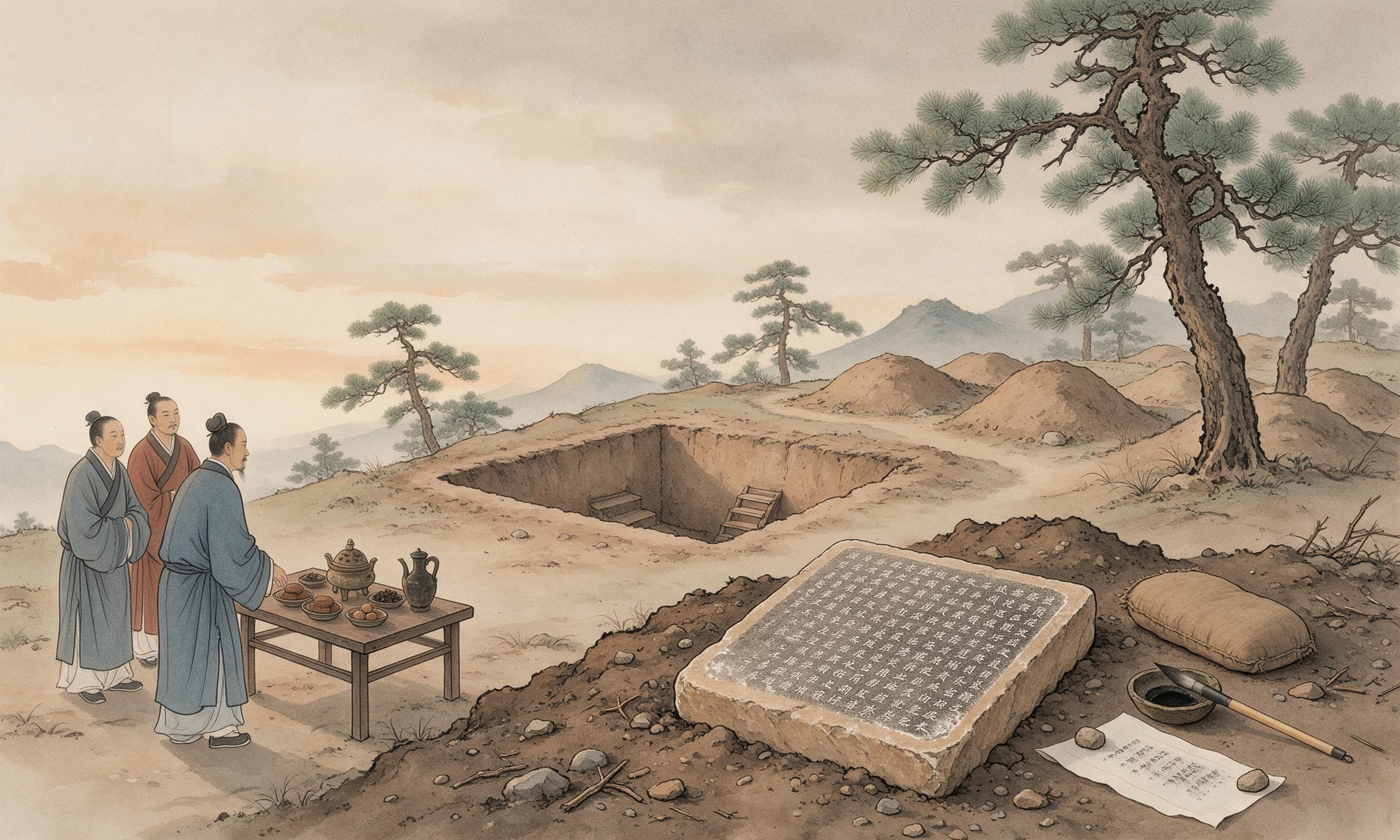
Three Women on Three Stones: What a Tang Epitaph Can and Cannot Tell
A three-hundred-character epitaph, a sister buried by a brother who sold his writing. Three Tang stones give names, ages, graves and numbers of children; they give no words of her own.
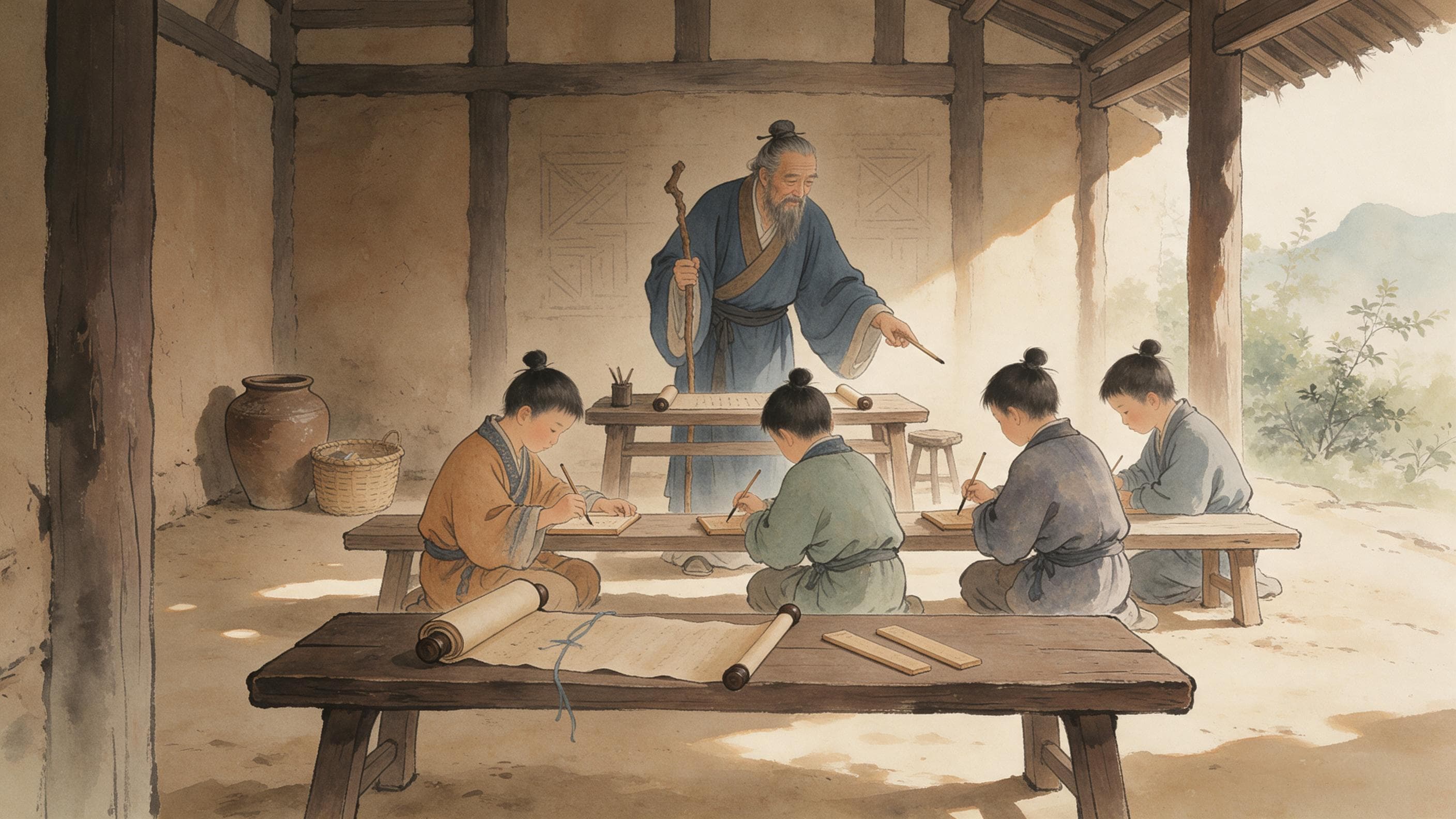
The First Book a Han Child Memorised: Names, Clothes and Kitchen Pots
A word-list begins not with a story but with a run of personal names, and then, at 'the names are done; now speak of things', with clothes, grain and pots. Country children fought over it; gentry sons called it vulgar.
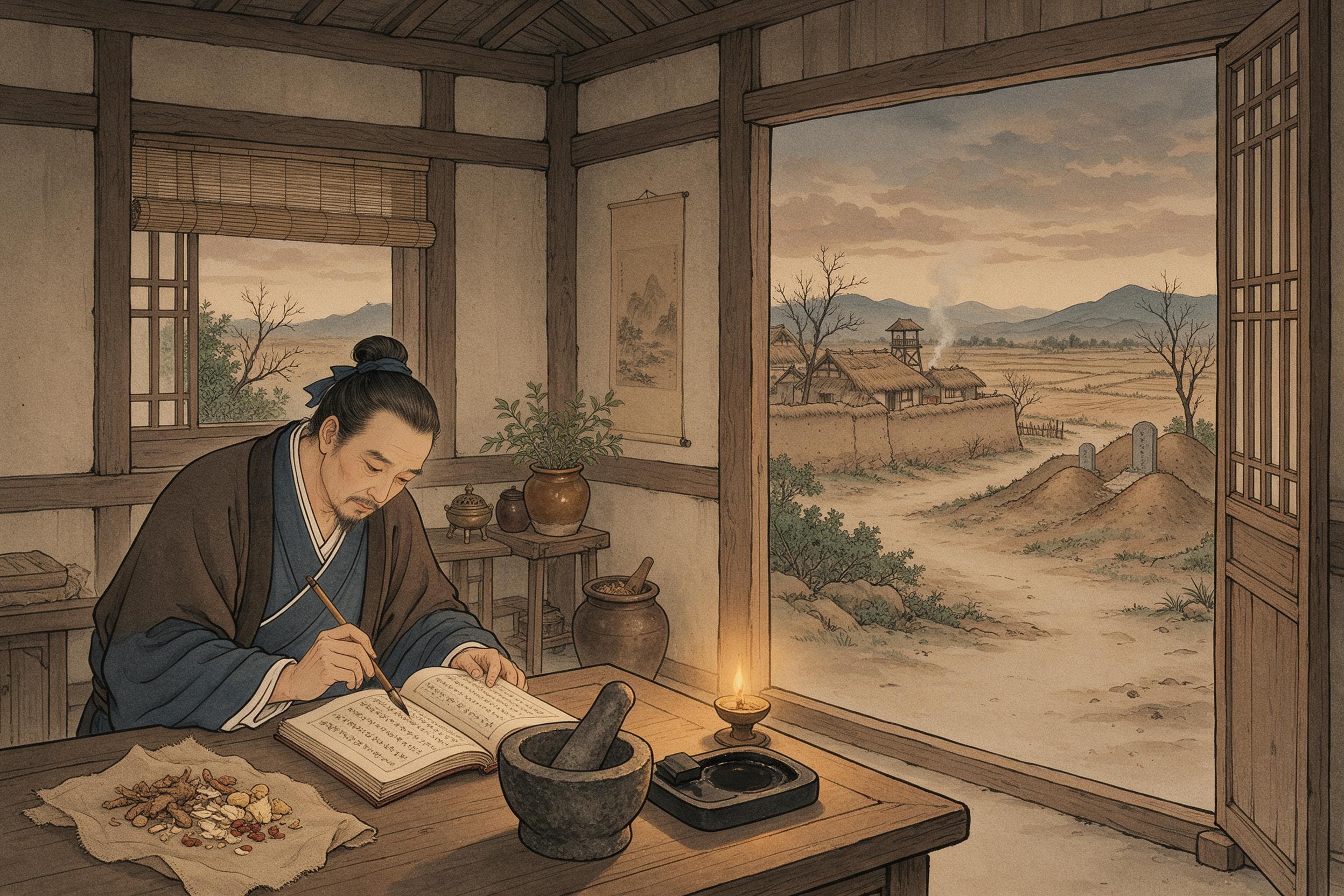
A Doctor and a Poet Each Wrote Down an Epidemic
One was a physician counting his own family's dead. The other was a poet describing a city of coffins. They wrote of two different epidemics, more than ten years apart, and neither text is a statistic.
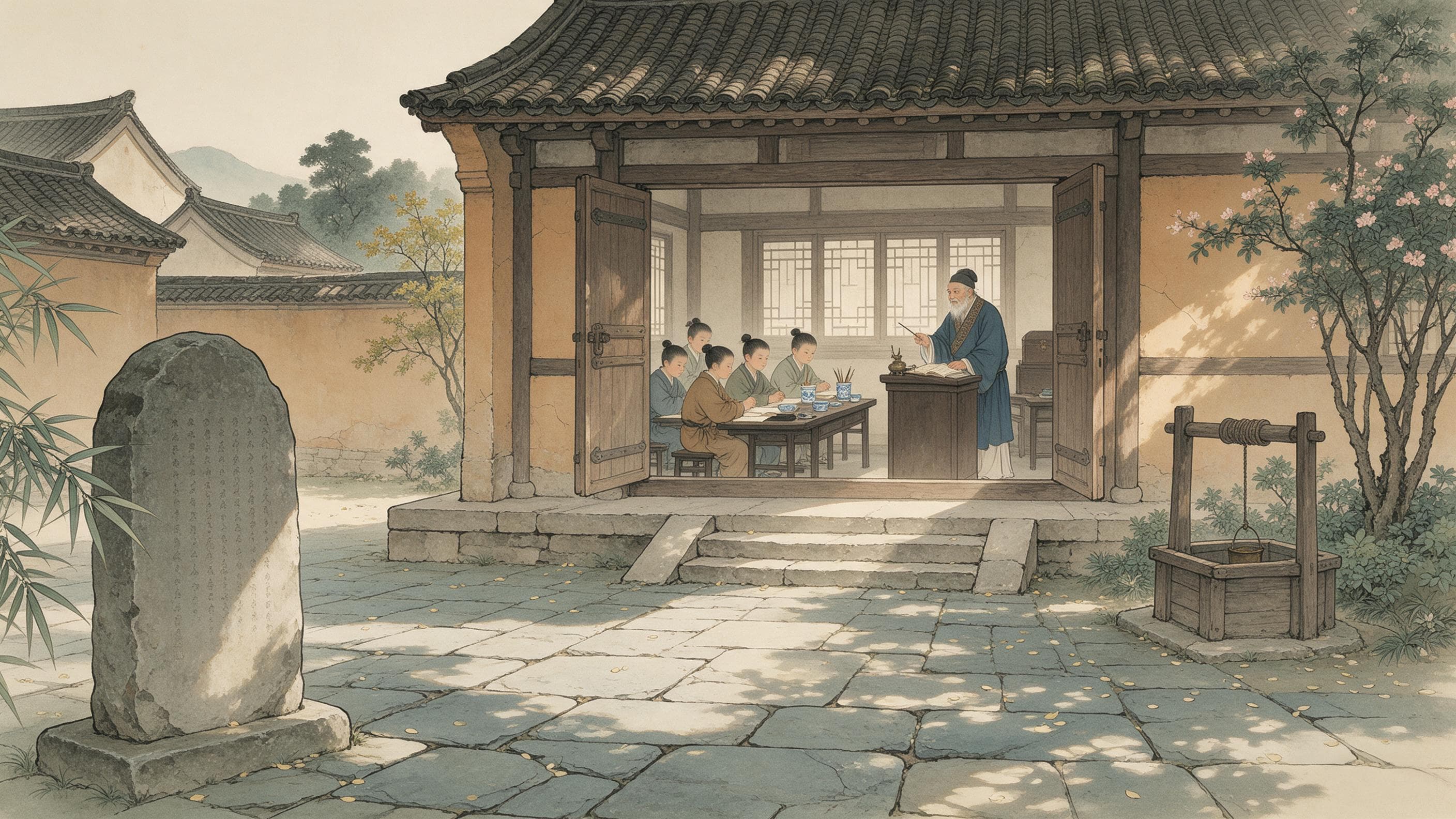
A Stone, Six Dou of Rice: How a Ming Scholar Began
Community schools, prefectural schools, monthly rice and a six-grade examination: where a Ming education began. The Qing compilers of the Ming History recorded the rules, and how they lapsed.
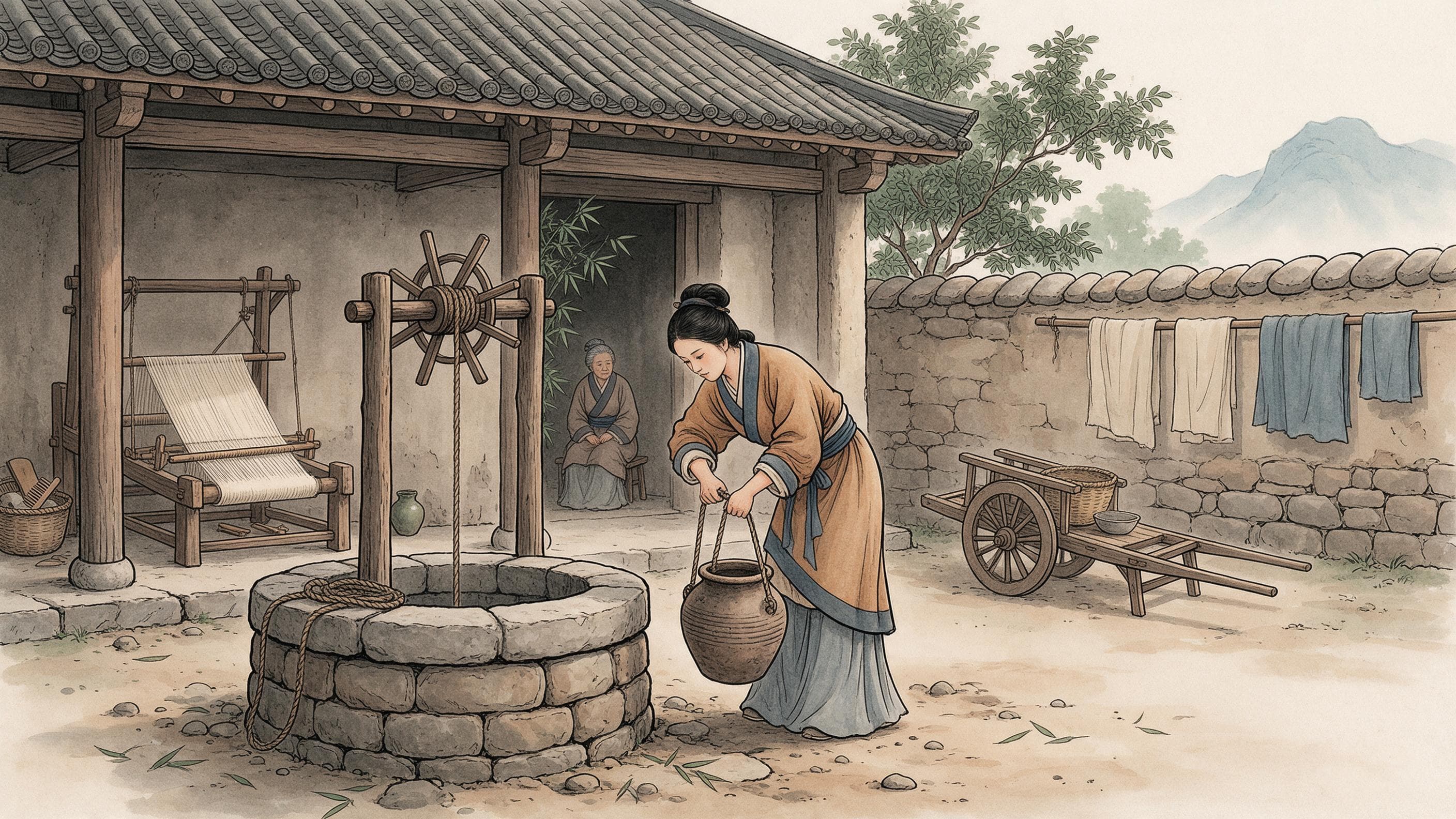
Drawing Water and Stepping to the Loom: Two Ways Han Women Were Written Down
One text is a mother's advice to her daughters; the other is an honour roll. Neither is a record of daily life, yet both keep returning to the same work: spinning, fetching water, cooking, serving the old.
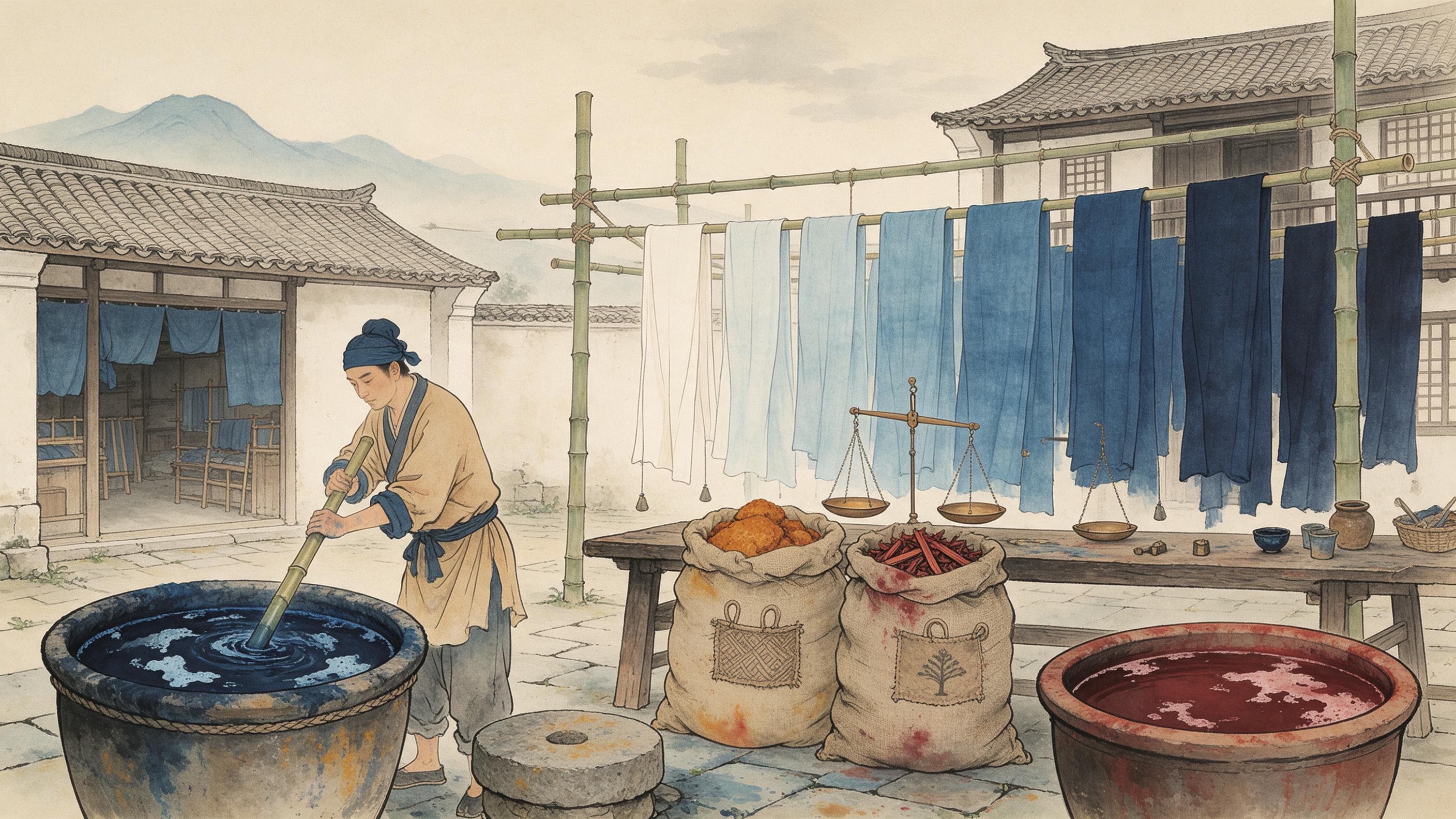
What Colour Could an Ordinary Person Wear? Cloth, Dyes and One Penalty in Ming China
A Ming craft manual gives recipes for thirty-odd colours, from safflower red to indigo black. The Ming code punished some of them. What the two records can, and cannot, say about an ordinary person's clothes.