
EVERYDAY LIFE · SHANG TO QING
Stories
Small questions open a window onto a different world.
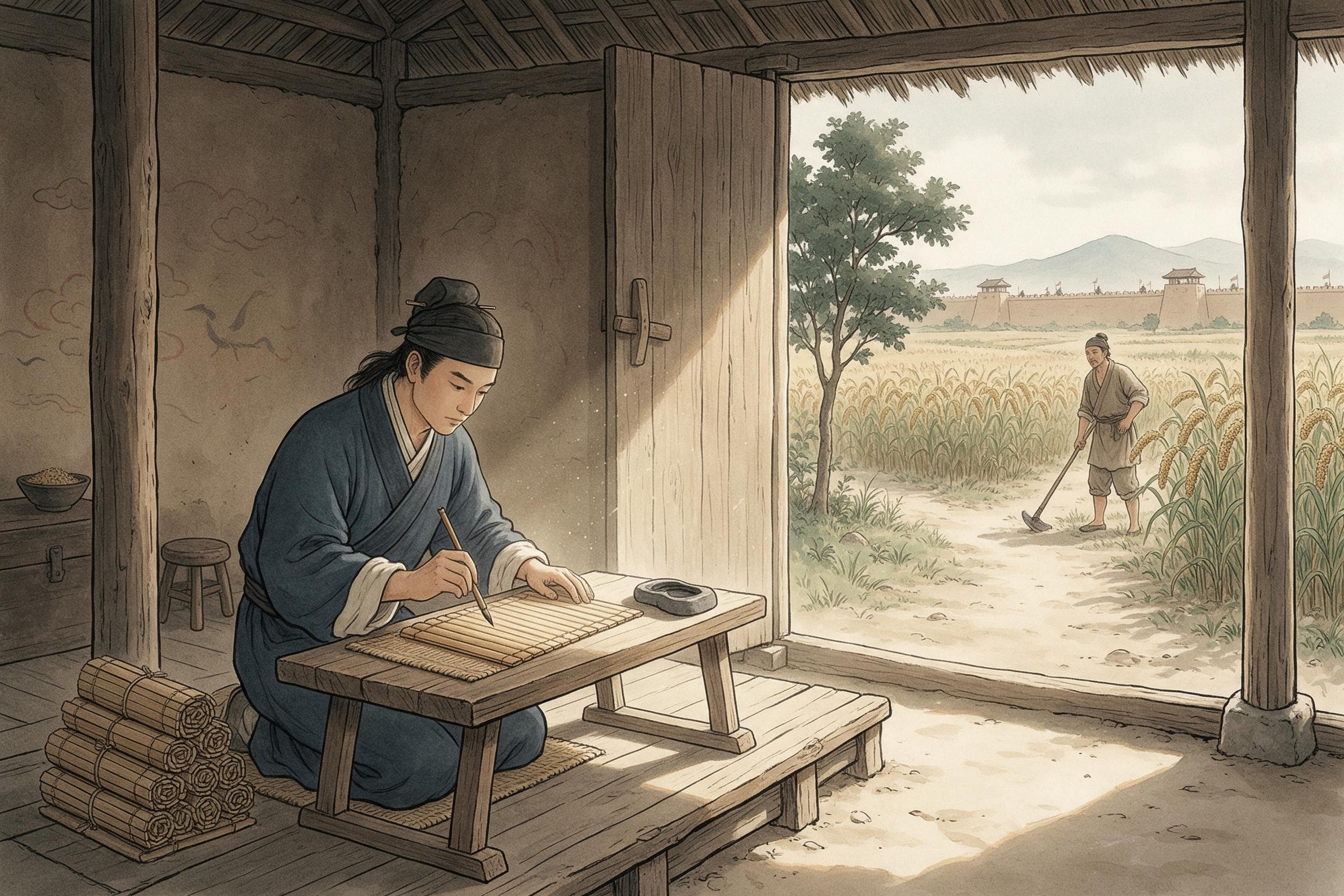
Rain Had to Be Reported: The Registered Farmer of Warring States Qin
In late Warring States Qin, statutes required rain, ripening millet, newly broken land and crop damage to be reported in writing by the qing; fodder was levied on allocated land and missed corvée fined in armour.
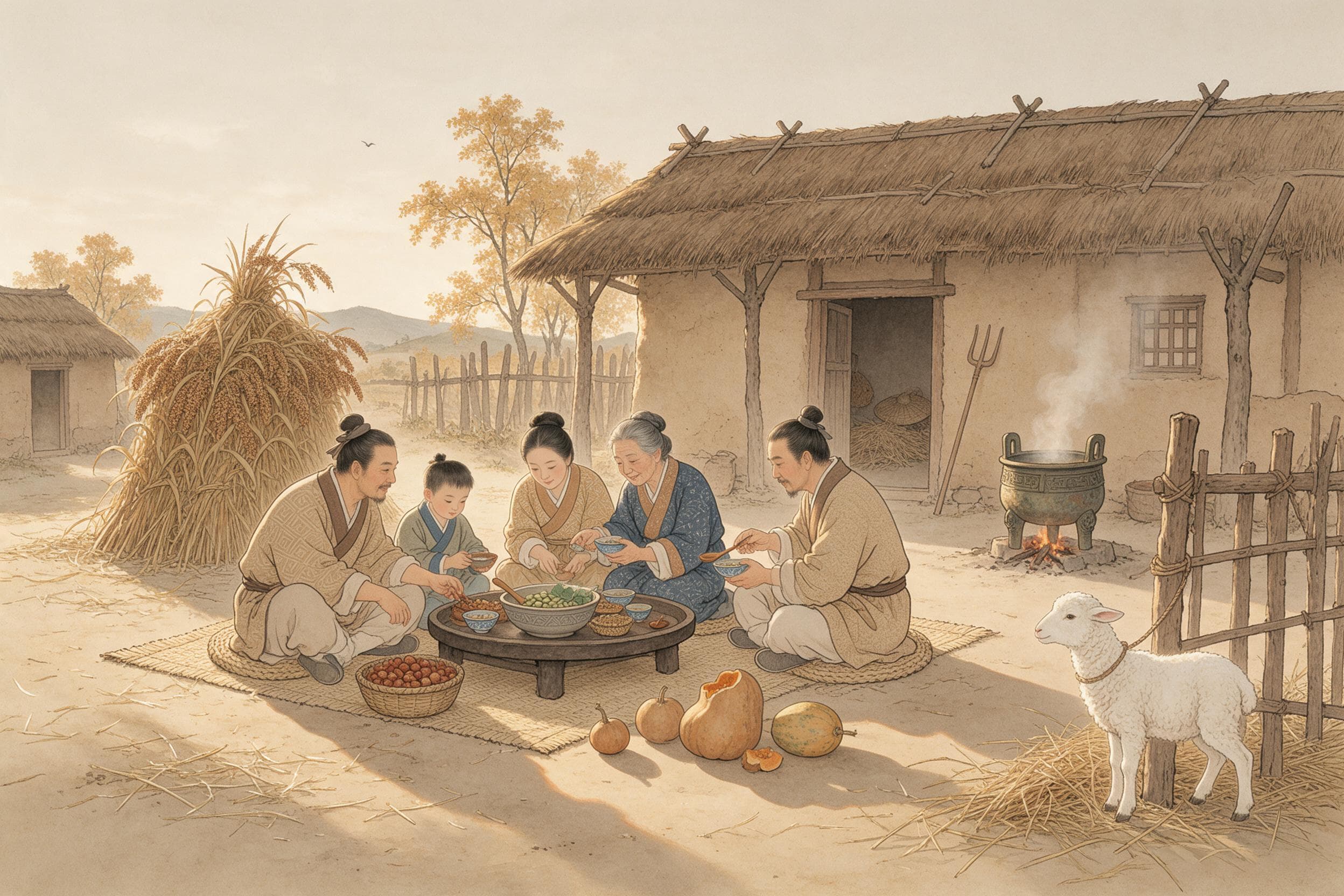
Mallows, Beans and a Lamb: What People Ate in the Spring and Autumn
The ode "Seventh Month" lists a year of food — mallows, beans, dates, rice for wine, gourds, bitter herbs — with millets as staples and lamb for the year-end feast. Two meals a day; no menu survives.
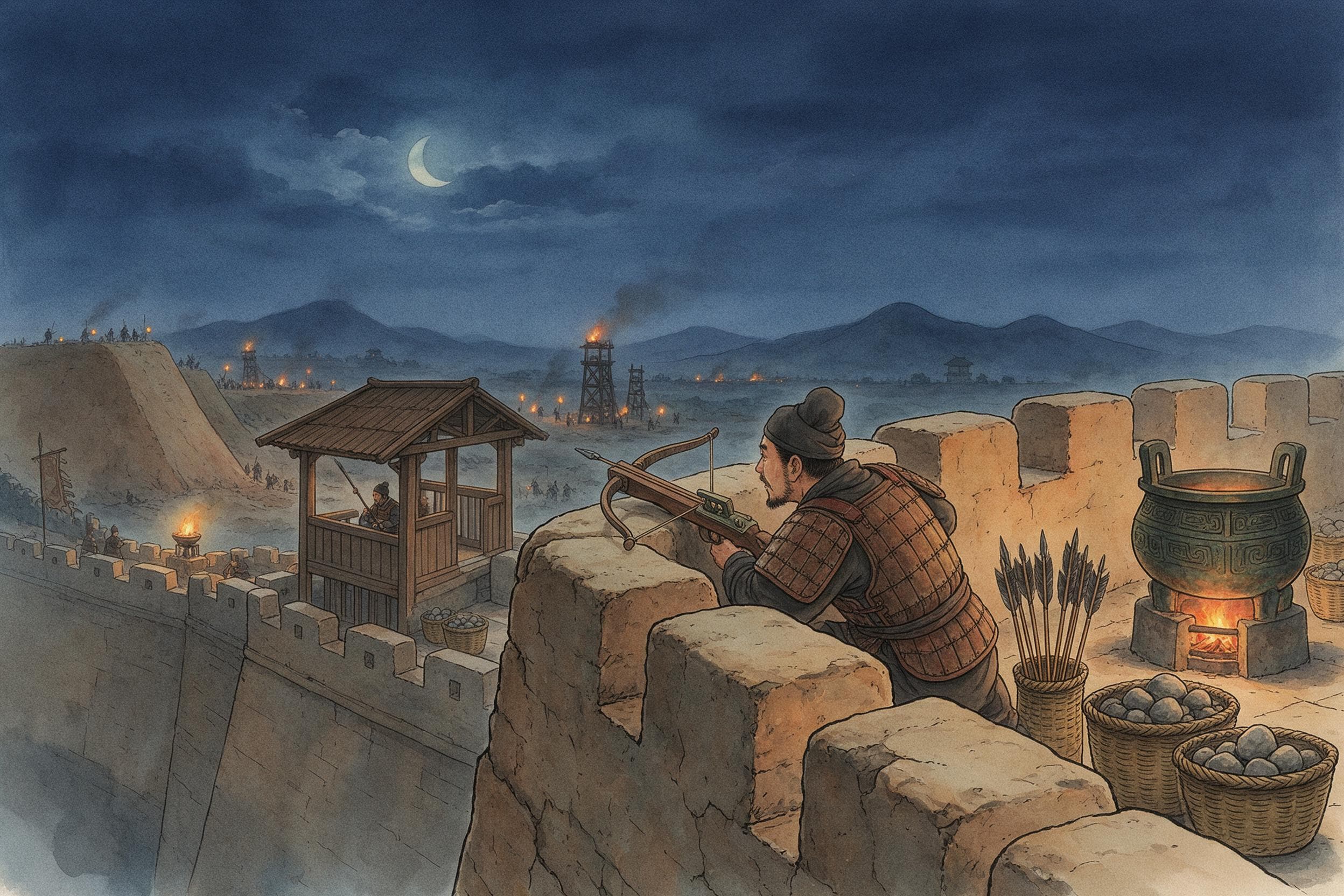
One Crossbow, Fifty Paces of Wall: The Working Life of a Warring States Siege
A Qin crossbow trigger like those from the terracotta pits; a Mozi manual that assigns men, stones, water and torches to every fifty paces of wall — instructions for holding a city, not battle reports.
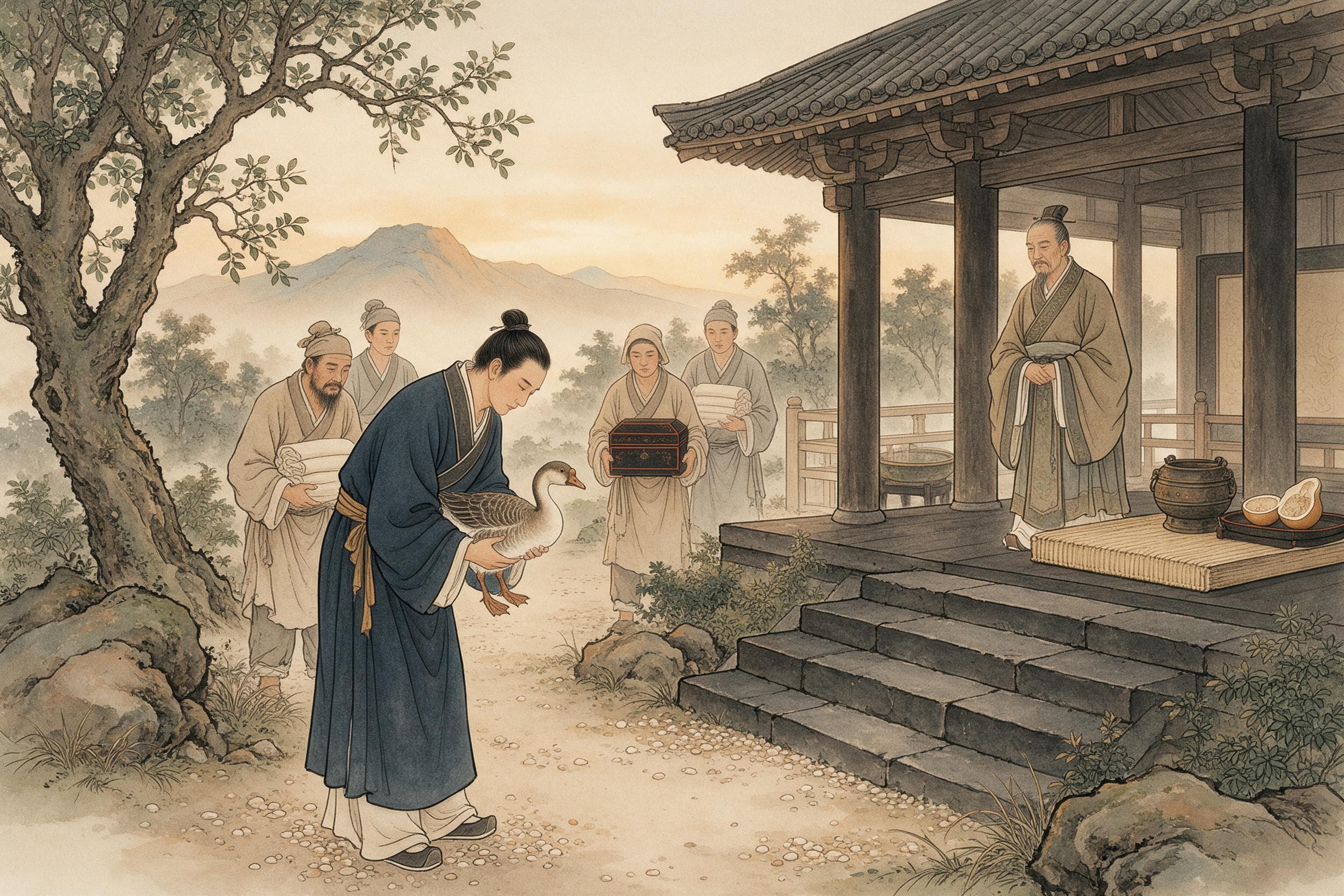
The Goose and the Gourd: Marriage Rules and Real Marriages in the Spring and Autumn
The ritual books set out six stages, a go-between, a gift and a ban on same-surname marriage; the Zuo Zhuan records political unions, accompanying women and one duke who took his son's bride.
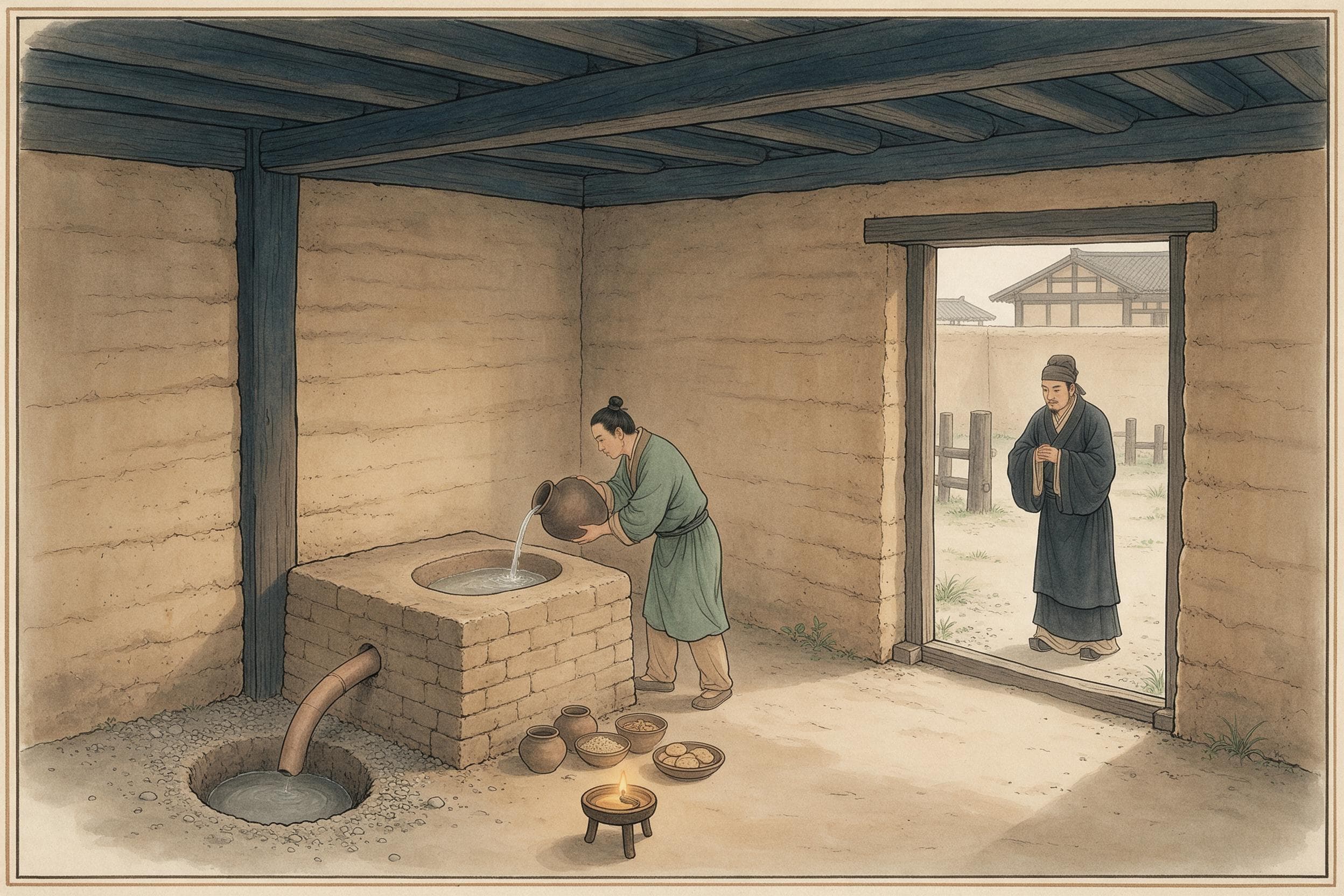
How People Went to the Toilet in Warring States China
In 581 BCE a Duke of Jin fell into a privy and died. Two centuries later a Qin palace had an indoor toilet with a bent pipe and servants pouring water — the first flush toilet found in China.
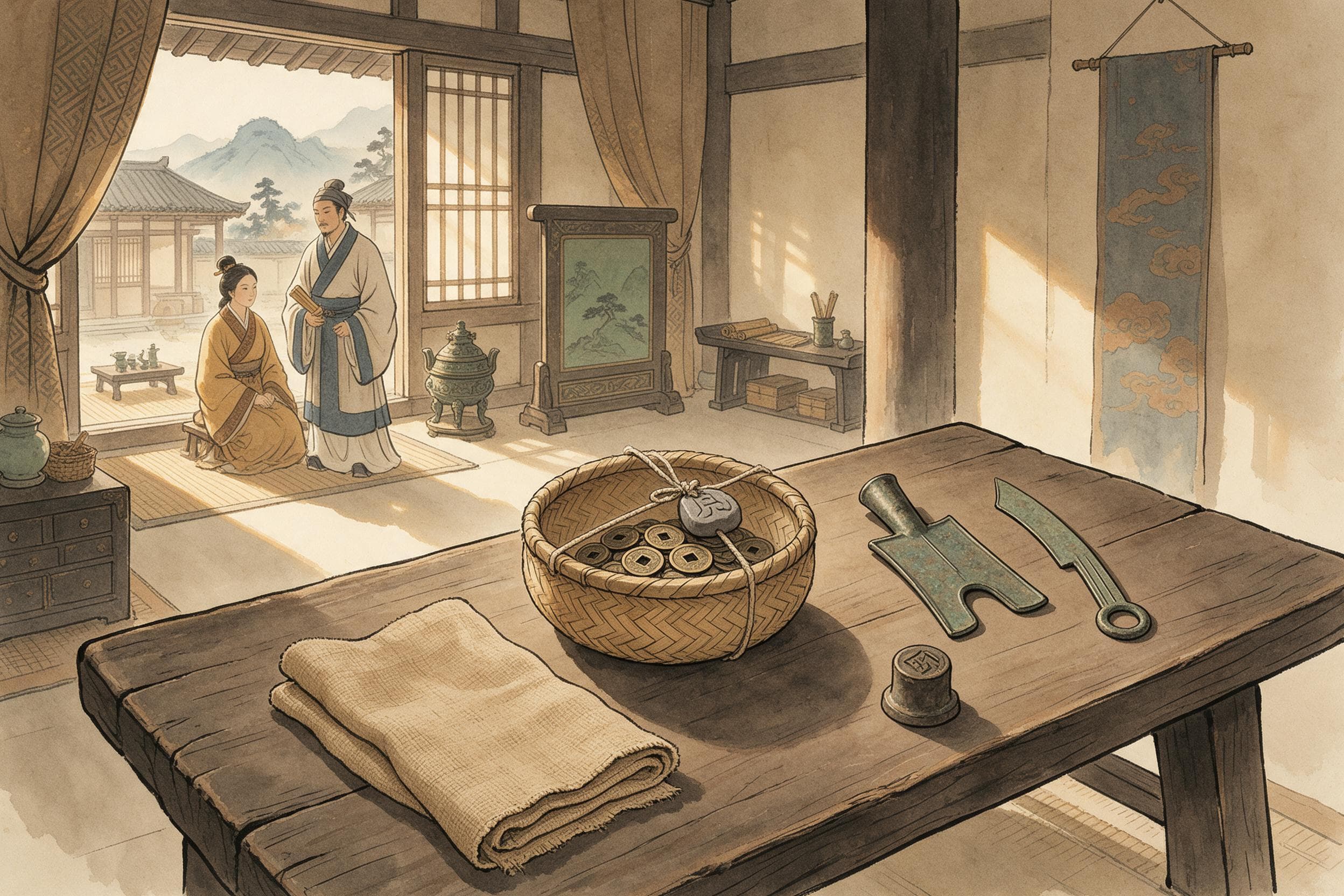
Spade, Knife, Ring: What Money Looked Like in the Warring States
Warring States coins were cast in the shapes of tools; a Qin statute adds the rules — cloth of legal size, eleven coins to the bolt, no refusing bad coin, a thousand coins sealed in a basket.
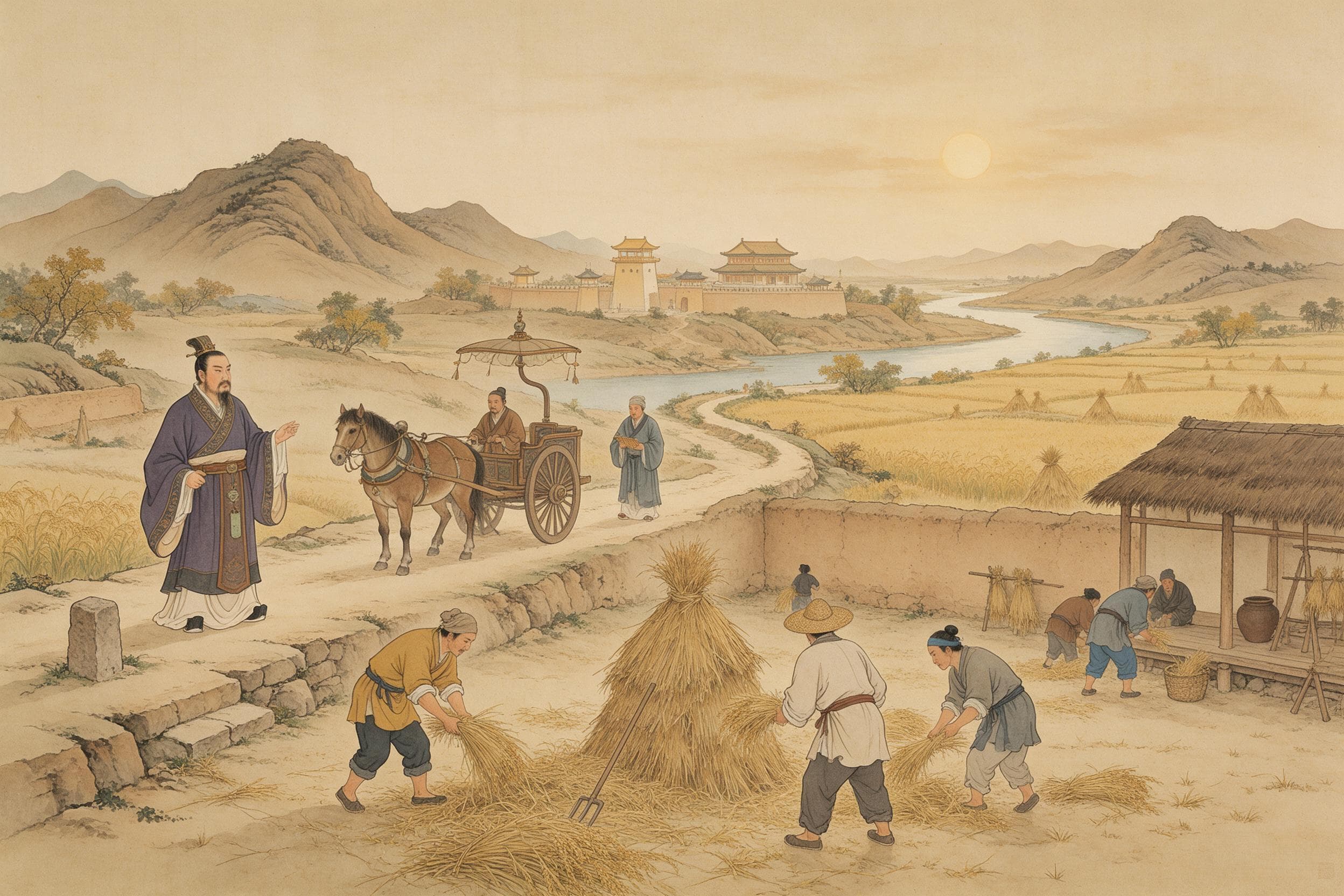
How a Spring and Autumn State Counted Its People
In 590 BCE Lu levied armour by the 'qiu'; in 589 Chu counted households before marching; at An, Jin asked for eight hundred chariots. How the counting was done is not recorded.
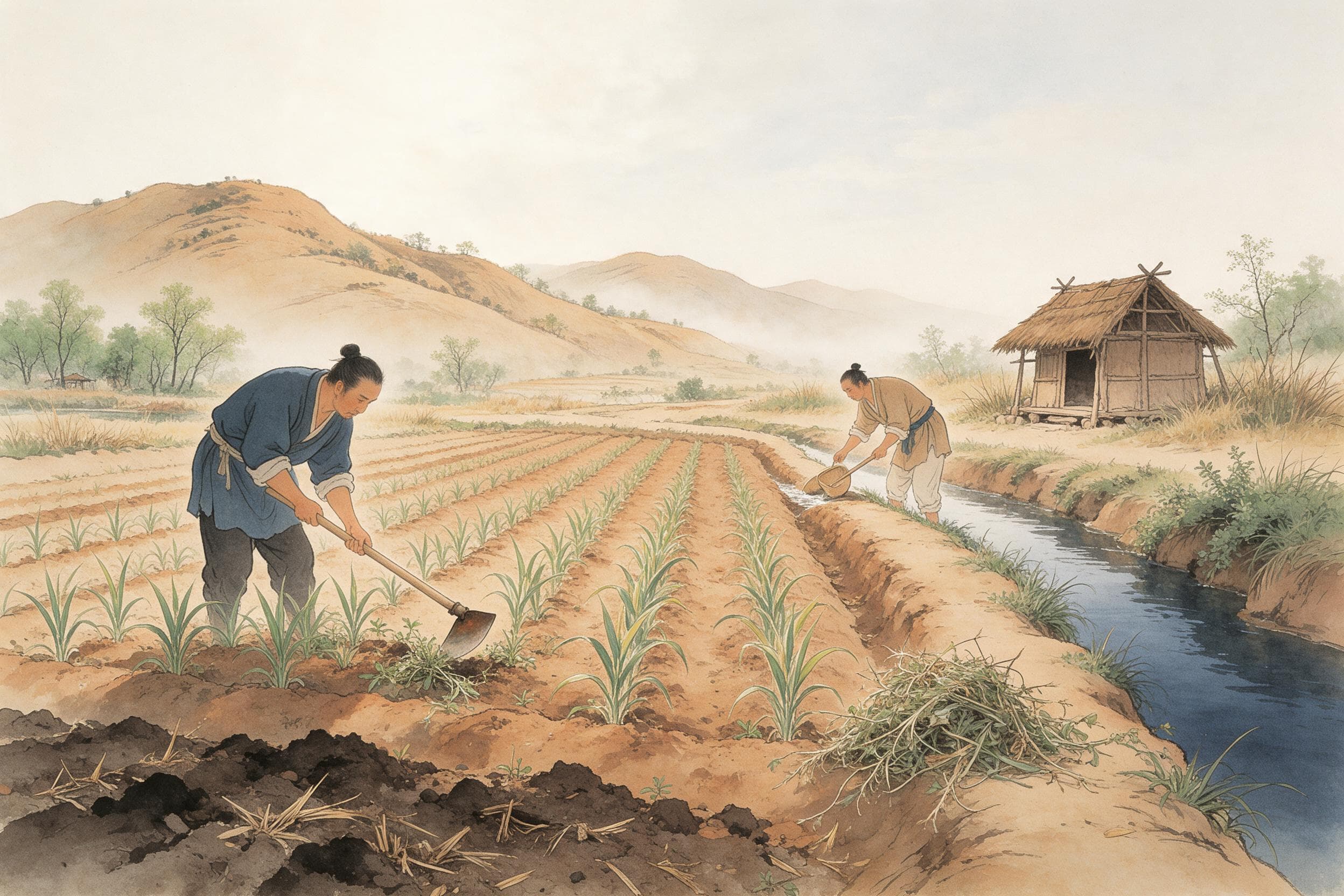
Feeding the Soil in Early China: Weeds, Deep Ploughing and Burnt Ground
Early Chinese farmers worked fertility by observation and timing: cut weeds left to rot, soil adjusted against its condition, five ploughings and deep tillage — not yet a manure regime.
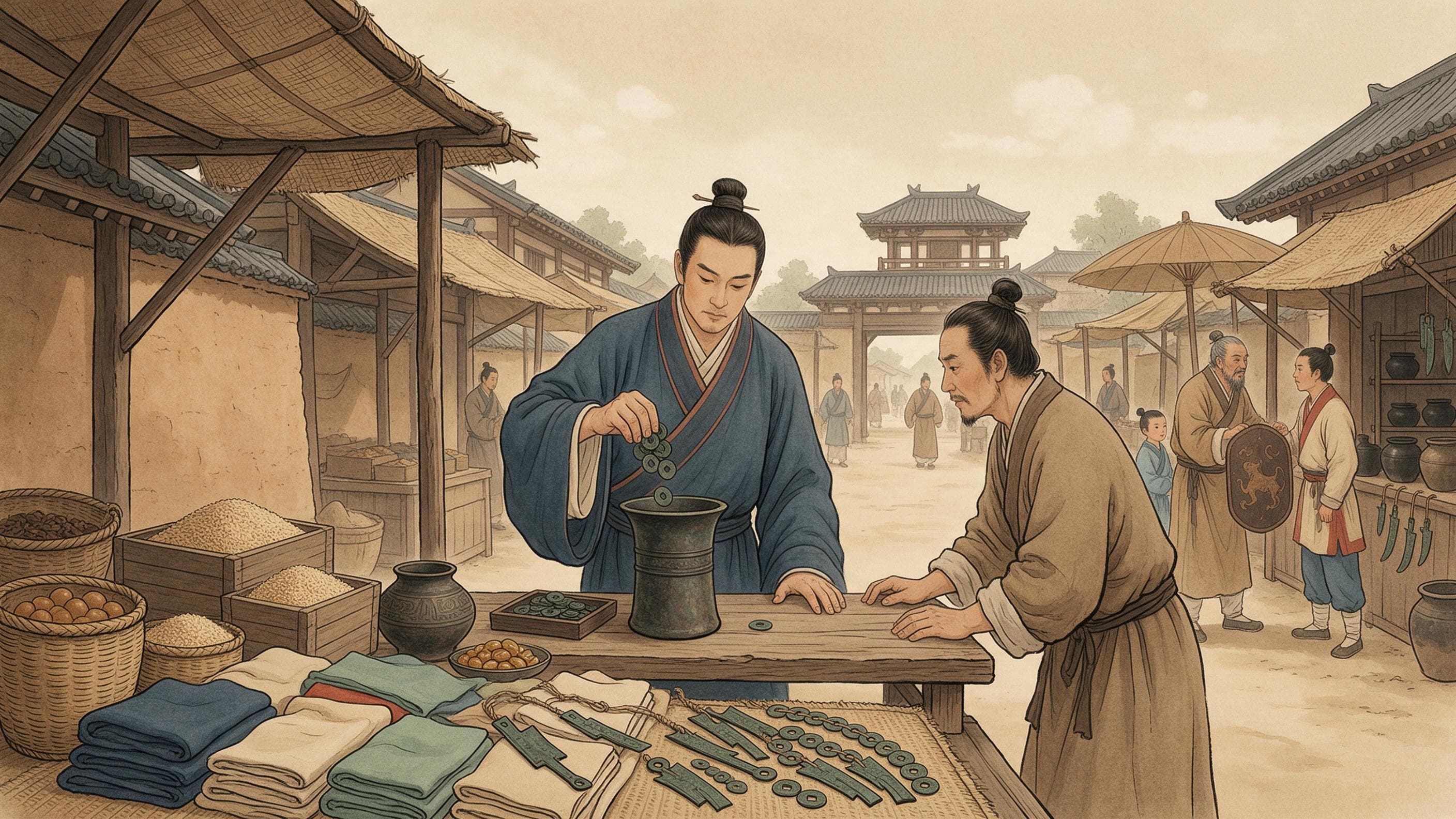
The Cash Box: How a Warring States Market Ran
A late Warring States statute required officials to drop market takings into a cash box in front of the payer; the Rites of Zhou imagined three markets a day, five levies and a state treasury.