郭璞,字景纯,河东闻喜人。他在两页里出现的样子不同:《晋书》本传是完整的传记,从师承写到历官与死;《世说新语·术解》只取几则轶事,短,带对话。两页都不是同时代人所写——本传是唐初所修,世说是南朝宋人所编;刘孝标的注又引了《璞别传》《晋书》等。本文把「传文」「轶事」「注引」三层分开。
一、来历
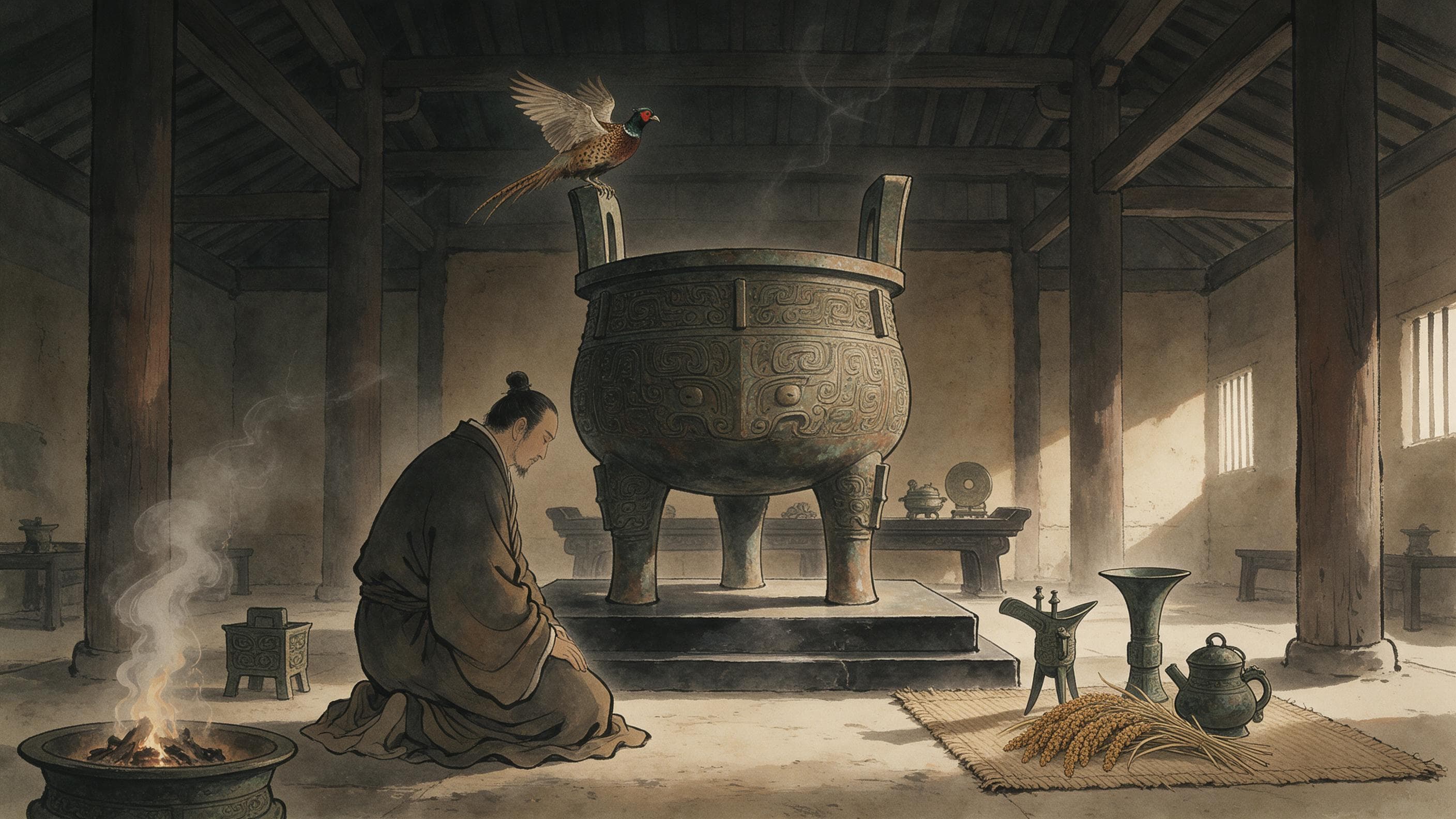
本传先写学问:「璞好经术,博学有高才,而讷于言论,词赋为中兴之冠。好古文奇字,妙于阴阳算历。」传授也有名有姓:「有郭公者,客居河东,精于卜筮,璞从之受业。公以《青囊中书》九卷与之,由是遂洞五行、天文、卜筮之术,攘灾转祸,通致无方,虽京房、管辂不能过也。」书后来没了:「璞门人赵载尝窃《青襄书》,未及读,而为火所焚。」(「青囊」「青襄」两见,照页面。)
南渡的缘由,本传与注引各有写法。本传:「惠怀之际,河东先扰。璞筮之,投策而叹曰:『嗟乎!黔黎将湮于异类,桑梓其翦为龙荒乎!』」世说注引《璞别传》作:「璞少好经术,明解卜筮。永嘉中,海内将乱,璞投策叹曰:『黔黎将同异类矣!』便结亲昵十余家,南渡江,居于暨阳。」注引作「十余家」,本传作「数十家」,两处并列。
二、活马与豆子
第一件事是活马。赵固的良马死了,闭门不见客;郭璞到门说「吾能活马」:「得健夫二三十人,皆持长竿,东行三十里,有丘林社庙者,便以竿打拍,当得一物,宜急持归。得此,马活矣。」照做,「果得一物似猴,持归。此物见死马,便嘘吸其鼻。顷之马起,奋迅嘶鸣,食如常,不复见向物」。人数、里程、动作照录。
第二件是豆子。庐江太守胡孟康被召为军谘祭酒,无意南渡;郭璞占曰「败」,他不信。郭璞要走,又「爱主人婢,无由而得,乃取小豆三斗,绕主人宅散之」。主人晨见赤衣人数千围其家,就视则灭,惊而请卦。他说「君家不宜畜此婢,可于东南二十里卖之,慎勿争价,则此妖可除也」;主人照办,他「阴令人贱买此婢」;再把符投进井里,「数千赤衣人皆反缚,一一自投于井」。他带婢而去,「后数旬而庐江陷」。
三、驴鼠
宣城太守殷祐引他为参军。城下来了一物:「大如水牛,灰色卑脚,脚类象,胸前尾上皆白,大力而迟钝。」众人异之,捕住,令郭璞作卦,得《遁》之《蛊》。卦辞是韵语:「《艮》体连《乾》,其物壮巨。山潜之畜,匪兕匪武。身与鬼并,精见二午。法当为禽,两灵不许。遂被一创,还其本墅。按卦名之,是为驴鼠。」——占完,伏着的人用戟刺它,「深尺余,遂去不复见」。郡里上报请杀,巫传庙神的话:「此是䢼亭驴山君鼠,使诣荆山,暂来过我,不须触之。」
本传又说他的处境:「璞既好卜筮,缙绅多笑之。」又说「性轻易,不修威仪,嗜酒好色,时或过度」,著作郎干宝常劝他;他答:「吾所受有本限,用之恒恐不得尽,卿乃忧酒色之为患乎!」
四、震厄
本传里最紧的一条是王导。王导看重他,「引参己军事。尝令作卦,璞言:『公有震厄,可命驾西出数十里,得一柏树,截断如身长,置常寝处,灾当可消矣。』导从其言。数日果震,柏树粉碎。」
《世说新语》的版本有对话:「王丞相令郭璞试作一卦,卦成,郭意色甚恶,云:『公有震厄!』王问:『有可消伏理不?』郭曰:『命驾西出数里,得一柏树,截断如公长,置床上常寝处,灾可消矣。』王从其语。数日中,果震柏粉碎,子弟皆称庆。」——「数里」对「数十里」,异文并列。注引王隐《晋书》说「璞消灾转祸,扶厄择胜,时人咸言京、管不及」——这是注家引别人的话,不是本传的评语;末了还有一句「大将军云:『君乃复委罪于树木。』」
五、龙耳、墓地与收束
世说另有一则,主角是晋明帝:「晋明帝解占冢宅,闻郭璞为人葬,帝微服往看。因问主人:『何以葬龙角?此法当灭族!』主人曰:『郭云:此葬龙耳,不出三年,当致天子。』帝问:『为是出天子邪?』答曰:『非出天子,能致天子问耳。』」——郭璞没有出场,「龙角」「龙耳」一字之差,是这则的关节。
还有他自己的墓地:「郭景纯过江,居于暨阳,墓去水不盈百步,时人以为近水。景纯曰:『将当为陆。』今沙涨,去墓数十里皆为桑田。其诗曰:『北阜烈烈,巨海混混;垒垒三坟,唯母与昆。』」——「今」是编书人的时间,不是郭璞的;沙涨数十里,照录。
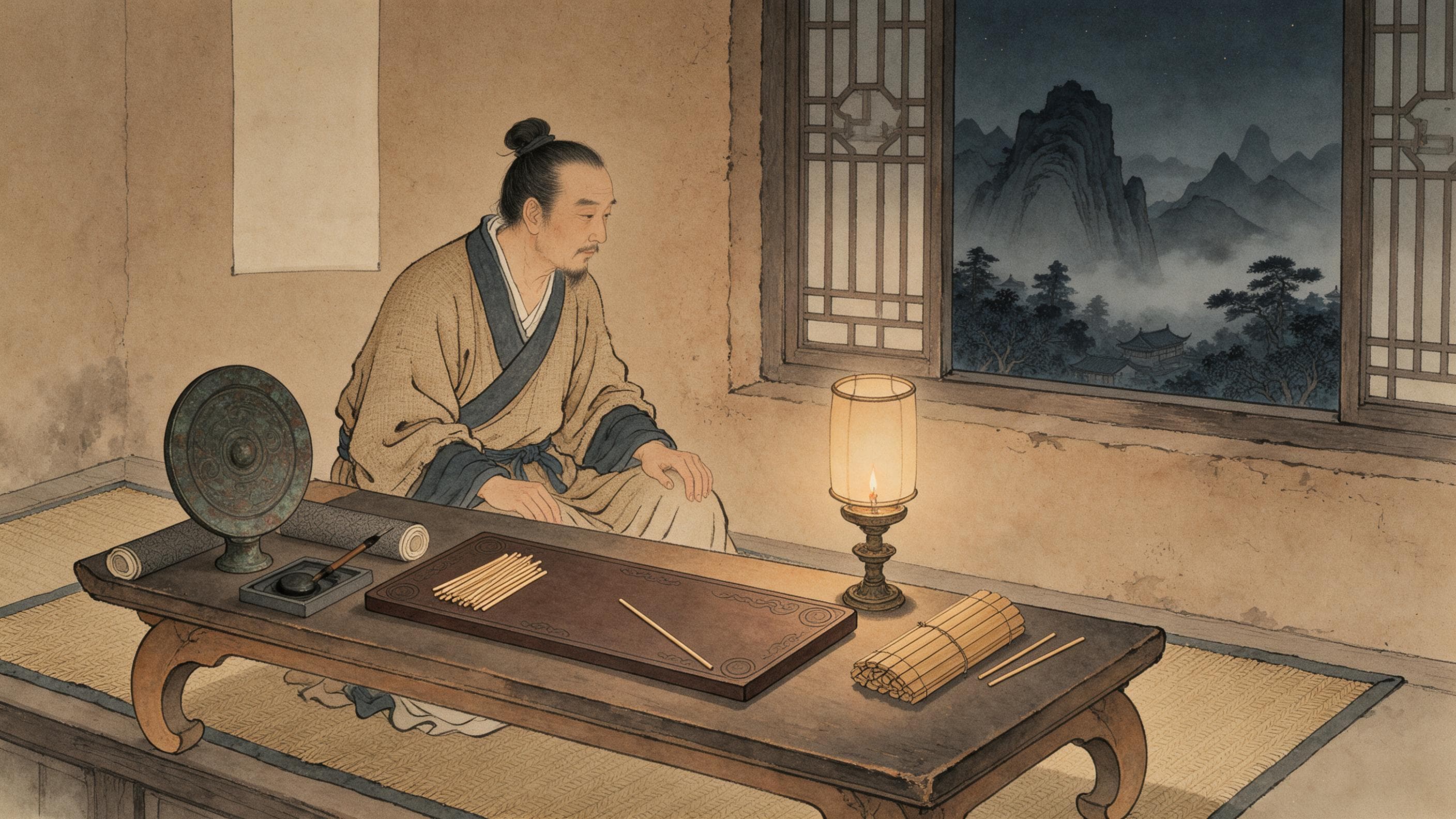
两页给的是故事,不是占法:起卦、蓍策、卦象怎么断,两页都没有,本文也不补。数字(二三十人、三十里、三斗、二十里、深尺余、去水不盈百步)照录,不折今值。本文不写「迷信/科学」一类评价,也不把他写成预言家:他在这两页里是一个博学、口讷、好酒色、被人笑好卜筮的人。
延伸阅读:司马相如:四壁、一张琴、一间酒舍 · 投壶:一场酒席上的礼与赌 · 亳社:亡国的社怎么处置
参考来源与延伸阅读
- 《世说新语·术解》(南朝宋刘义庆撰,刘孝标注;维基文库本,页面白文夹注,未与中华书局点校本复核) — Four anecdotes about Guo Pu: he wept over the death of Chen Shu and called out 'how do you know it is not a blessing?', and the general's rebellion followed; Emperor Ming of Jin, who read grave-sites, went in disguise to see a grave Guo Pu had sited and asked why it was placed on the dragon's horn, which should destroy the clan — the owner said Guo called it the dragon's ear, and that within three years it would bring the Son of Heaven; the emperor asked whether it would produce one, and was told it would bring the Son of Heaven to ask. Guo's own grave at Jiyang stood less than a hundred paces from the water, and he said it would become dry land, which it did, with his poem on the three graves quoted. And Wang Dao's divination: Guo's face fell, he said the duke had a thunder calamity, had him fetch a cypress west of the city and cut it to his height; the tree was shattered by lightning. The commentary quotes the Separate Biography for his early mastery of divination and his move south.
- 《晋书》卷七十二·郭璞传(唐房玄龄等撰;维基文库本,页面白文无注,未与中华书局点校本复核) — The official life: Guo Pu of Wenxi in Hedong, master of the classics, broad learning, slow of speech, first in letters of the revival, devoted to ancient graphs and skilled in yin-yang and calendrical calculation; he studied divination under a Master Guo, who gave him the nine scrolls of the Qingnang zhongshu, and his pupil Zhao Zai stole the book and had it burned before reading it. Then the cases: he tells General Zhao Gu he can revive his dead horse, sending thirty men east with long poles to beat a thing like a monkey out of a grove shrine, which breathes into the horse's nose and revives it; at Lujiang he scatters three dou of small beans around a house to make a thousand red-coated figures, so that the owner sells him the maid he wanted, and the commandery falls weeks later; at Xuancheng he casts on a beast like a water buffalo and names it the 'donkey-rat', with the hexagram text quoted; and he tells Wang Dao he has a thunder calamity, has a cypress cut to his height, and the tree is shattered by lightning. The life also says gentlemen laughed at his fondness for divination, and records Gan Bao's warning about his drinking and women and his answer.