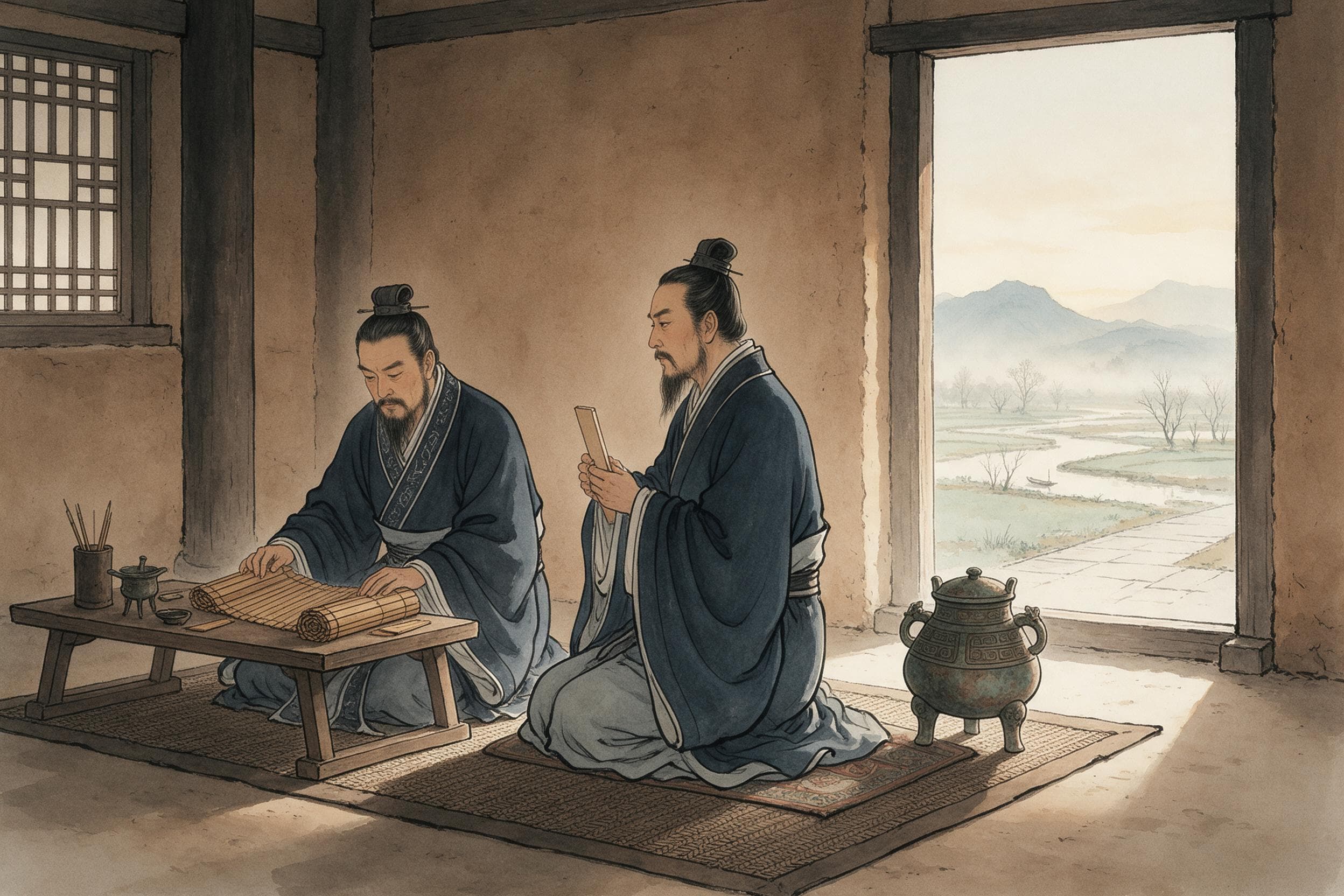
神爵元年(前61),七十多岁的赵充国在金城,手里有一支要去打先零羌的兵。他上的屯田奏,先讲一句用兵之道,随即报账:「臣所將吏士馬牛食,月用糧穀十九萬九千六百三十斛,鹽千六百九十三斛,茭藁二十五萬二百八十六石。」——所部吏士、马、牛的月账;《通典》在这一句下注「石,百二十斤」。后面整篇都绕着这笔月账转:不是能种多少地,而是有多少粮要人从别处运来。
一个月十九万九千六百三十斛
这笔账是全军一个月的量。同一篇里,朝廷调发的各路兵「合六萬人矣」——六万人,加上马牛,一个月吃掉近二十万斛粮谷。数字后紧接一句:「難久不解,繇役不息。」仗拖下去,徭役就停不下来。这是他算的账:钱粮不是花在打上,是花在「等」和「运」上。
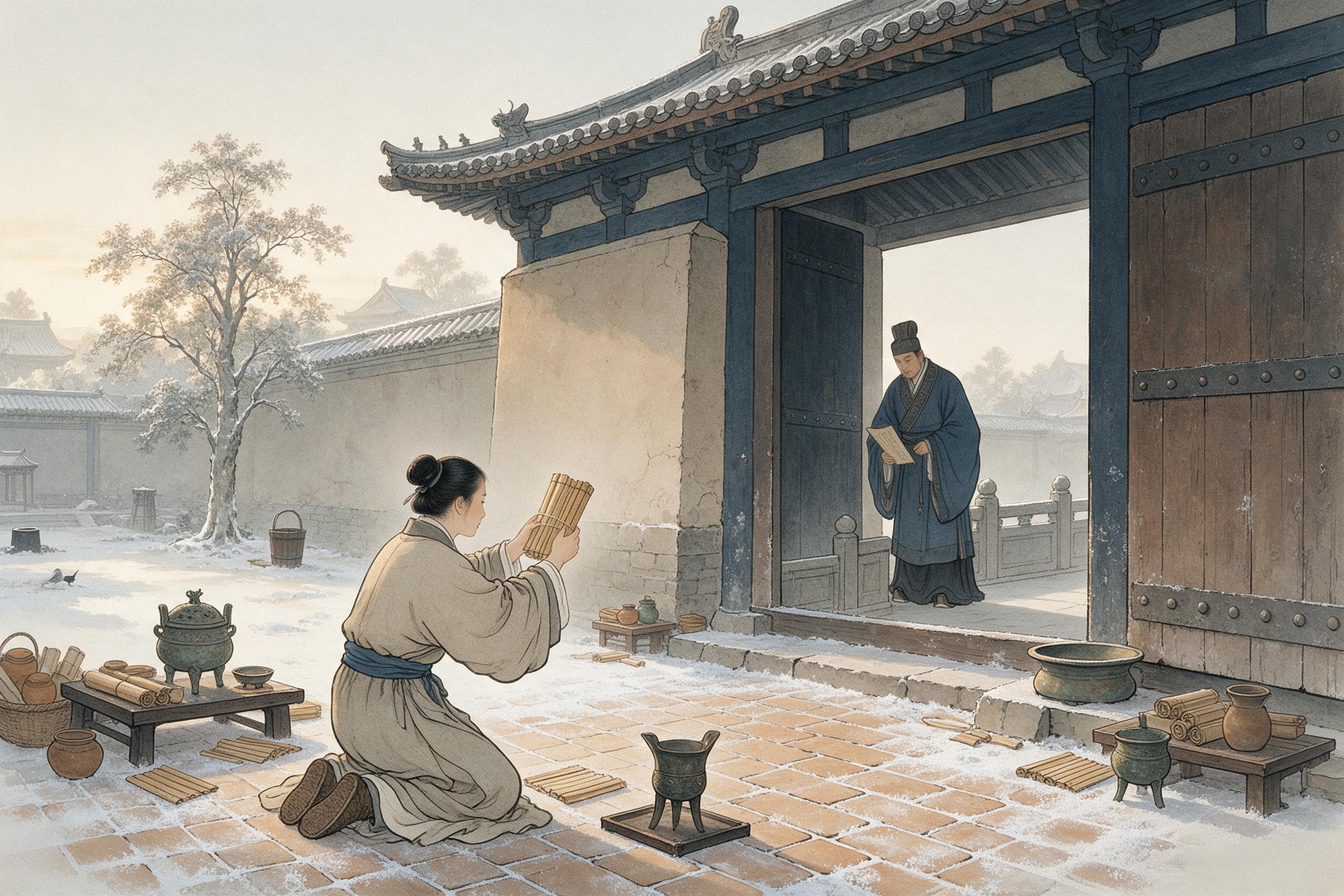
事情起于先零羌反。宣帝问谁可带兵,他说「亡踰於老臣者矣」;到金城后坚壁不战,只等对方疲弊。朝廷等不及,皇帝的玺书下来催他趁天时进兵,信里把难处说得很直:「今張掖以東粟石百餘,芻槁束數十。轉輸並起,百姓煩擾。」——张掖以东,粟一石百余钱,草料一束数十钱;转输一起,百姓烦扰。一封催战的信,先把转运的账摆出来。赵充国回奏说「擊之不便」,随后上屯田奏:撤掉骑兵,留一万人在当地种田,等羌人自己垮。
二千顷与一万二百八十一人
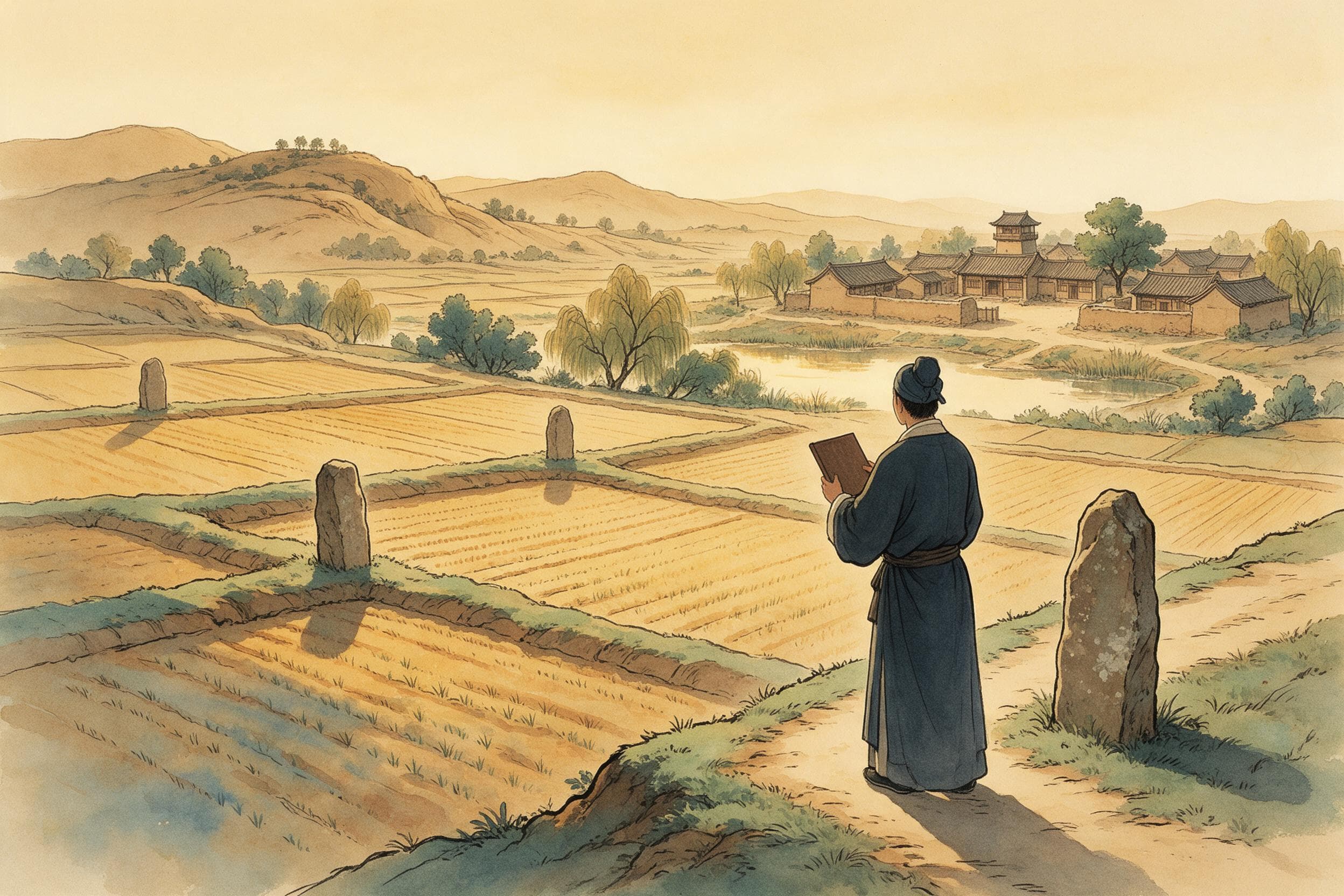
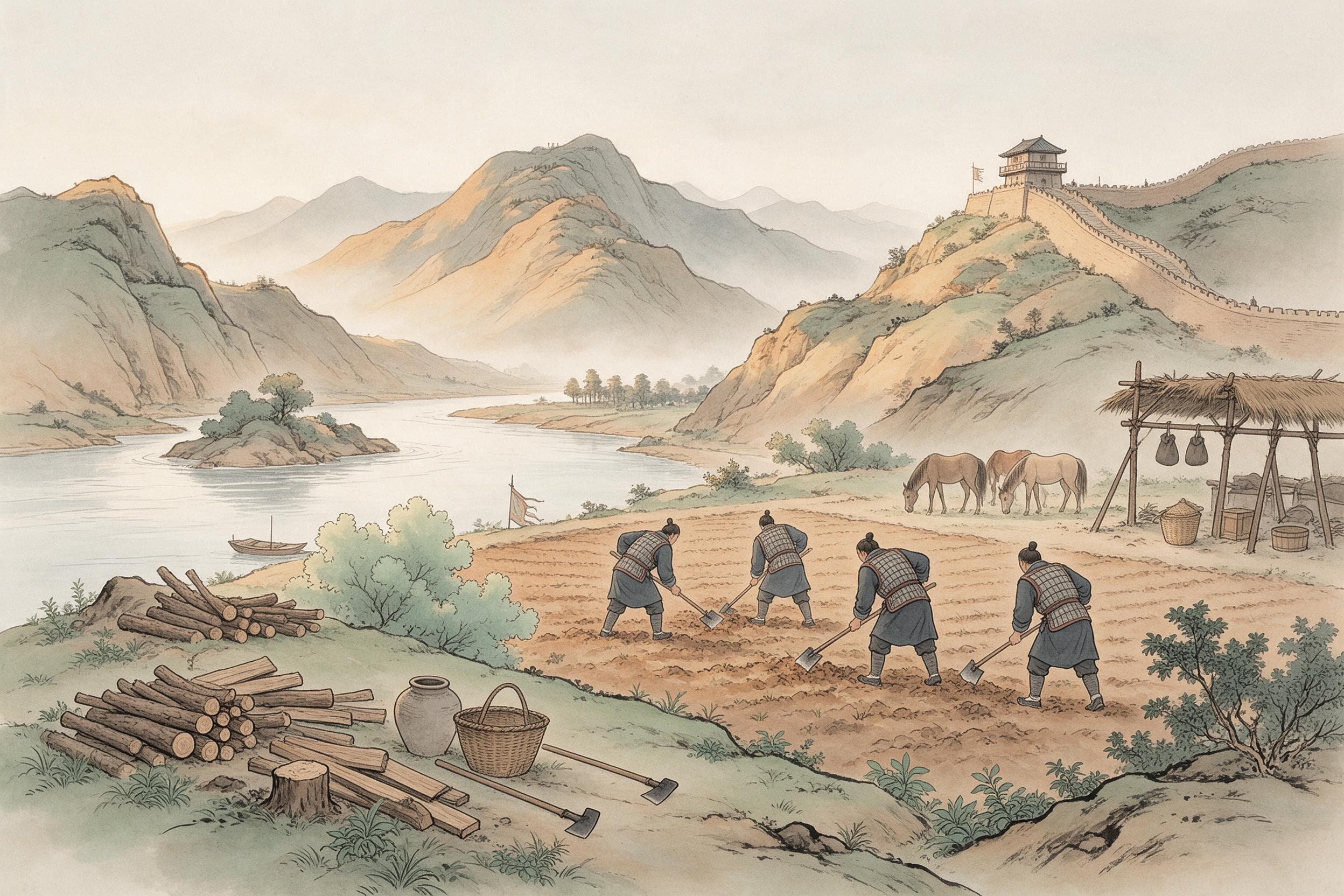
地是有的:「計度臨羌東至浩亹,羌虜故田及公田,民所未墾,可二千頃以上,其間郵亭多壞敗者。」——从临羌东到浩亹,羌人旧田和公田、百姓没有开垦的,估计二千顷以上;沿线的邮亭坏了不少。这个数是「可」,是估计,也不是已经种熟的田。同一篇里他还报了预备工作:「臣前部士入山,伐材木大小六萬餘枚,皆在水次。」——先前派兵入山,砍了大小六万多根木材,都堆在水边。木材留着修亭、架桥。
留下的人是这样凑的:「願罷騎兵,留弛刑應募,及淮陽、汝南步兵與吏士私從者,合凡萬二百八十一人,用穀月二萬七千三百六十三斛,鹽三百八斛,分屯要害處。」——撤骑兵,留下来的共一万二百八十一人,一个月用谷二万七千三百六十三斛、盐三百八斛。紧接着一句最要紧:「今大司農所轉穀至者,足支萬人一歲食。」——大司农已经运到的谷,够这一万人吃一年。种田的人先吃运到的旧粮,等新谷下来,转运就可以停。
赋人二十亩
每人种多少,原文只有一句:「田事出,賦人二十畝。」——春天田事开始,分给每人二十亩。《通典》在句下注:「田事出,謂至春人出營田也。賦謂班與之。」「赋」是分给的意思。二十亩是分配数,不是每人实际耕了二十亩,更不是产量。两页都没有说这二千顷最后开出多少、一亩打多少、总共收多少;这些数不给,也不替它算。
屯田不止是种地。同奏还有一串活:「冰解漕下,繕鄉亭,浚溝渠,治湟陿以西道橋七十所,令可至鮮水左右。」——冰化时放木下漕,修乡亭、浚沟渠,整治湟陿以西道桥七十所,直到鲜水一带。到四月草长起来,再从郡里和属国调胡骑「伉健各千,倅馬什二,就草,為田者遊兵」——各一千精骑,十匹里带两匹副马,来草地放牧,给种田的人当游兵。十二条便宜里,他把「以閒暇時下所伐材,繕治郵亭,充入金城」也单列一条:农闲时把砍下的木材放下,修邮亭,送进金城。
与转粟比的那笔账
最硬的一句在第四条便宜:「軍馬一月之食,度支田士一歲,罷騎兵以省大費,四也。」——军马一个月的吃用,折算起来够田士一年;撤掉骑兵,省下大费。他算的不是收成,是替代。第一条说「因田致穀,威德並行」,末了总一句:「屯田內有亡費之利,外有守禦之備。」——里面省了运费,外面还有守备。动机他也说得很直:「今久轉運煩費,傾我不虞之用以澹一隅,臣愚以為不便。」——拖下去,转运烦费,把防备意外的钱倒进这一个角落。
不出兵也有账。另一个方案是辛武贤的:七月出击,每人带三十日粮。赵充国替这个方案算负担:「以一馬自佗負三十日食,為米二斛四斗,麥八斛,又有衣裝兵器,難以追逐。」——一马自负三十日食,米二斛四斗、麦八斛,再加衣装兵器,追不上人;路又「回遠千里」。他还回头算了一笔更早的账:金城、湟中「穀斛八錢」,他曾劝耿中丞籴二百万斛,说这样「羌人不敢動矣」,结果耿中丞请籴一百万斛,只得到四十万斛。就近买粮没买够,剩下两条路:继续从远处运,或者让兵自己种。
什三、什五、什八
朝议不是一开始就同意。班固写得很清楚:「初是充國計者什三,中什五,最後什八。」——起初赞成者不过十分之三。丞相魏相说:「後將軍數畫軍冊,其言常是,臣任其計可必用也。」皇帝于是报:「今聽將軍,將軍計善。其上留屯田及當罷者人馬數。」——听你的;把留屯与该撤的人马数报上来。但结果是「兩從其計」:破羌、强弩两将军仍然出击,赵充国独自留下屯田。
第二年五月,他报战果:「羌本可五萬人軍,凡斬首七千六百級,降者三萬一千二百人,溺河湟飢餓死者五六千人,定計遺脫與煎鞏、黃羝俱亡者不過四千人。」——羌人本约五万兵,斩首七千六百,投降三万一千二百,溺死饿死五六千,最后逃散的不过四千。然后「請罷屯兵」,奏可,振旅而还。这笔账要看清归属:屯田没有独自打赢,三路兵都出动了;屯田管的是「不再从远处运」,战果是三路合起来报的。两页没有亩产、总产,没有说这些田的租税归谁,也没有说屯田兵的家口在哪。还有一层边界:《通典》屯田条按朝代往下排,汉之后是魏、晋、隋、唐;那是编者的编排,不是「屯田从汉延续到魏」的沿革证据,许下屯田、邓艾淮南屯田也不在本篇。
延伸阅读:赏什么,几件:两份周代赏赐清单 · 钱缿:战国集市怎么运转 · 交钞:一张纸六个名字,越改越轻
参考来源与延伸阅读
- 《汉书》卷六十九·赵充国辛庆忌传(东汉班固;维基文库本,未与点校本复核) — The farm memorial in full, which is the spine of the article. The monthly bill: 'the officers, men, horses and cattle under my command use each month 199,630 hu of grain, 1,693 hu of salt, and 250,286 shi of fodder' (臣所將吏士馬牛食,月用糧穀十九萬九千六百三十斛,鹽千六百九十三斛,茭藁二十五萬二百八十六石), followed by 'if the affair is long unresolved, the corvée will not stop' (難久不解,繇役不息); the same chapter says the levies came to 'sixty thousand men in all' (合六萬人矣). The imperial letter pressing an attack, which states the prices and the burden: 'east of Zhangye grain is more than a hundred cash a shi and a bundle of fodder several tens; transport has been raised on every side and the common people are harassed' (今張掖以東粟石百餘,芻槁束數十。轉輸並起,百姓煩擾). The land: 'reckoning from Linqiang east to Haomen … two thousand qing or more; and the post stations are mostly ruined' (計度臨羌東至浩亹……可二千頃以上,其間郵亭多壞敗者). Timber: 'more than sixty thousand pieces, all stacked by the water' (伐材木大小六萬餘枚,皆在水次). The force kept: '10,281 in all, using 27,363 hu of grain a month and 308 hu of salt' (合凡萬二百八十一人,用穀月二萬七千三百六十三斛,鹽三百八斛), with 'the grain already brought by the Grand Minister of Agriculture enough to support ten thousand men for a year' (足支萬人一歲食). The works: 'when the ice breaks, float the timber down; repair the post stations, clear the ditches, and put in order the roads and bridges west of the Huang gorge, seventy of them' (冰解漕下,繕鄉亭,浚溝渠,治湟陿以西道橋七十所), and horsemen 'with spare mounts at two in ten, to graze and serve as patrols for the farmers' (倅馬什二,就草,為田者遊兵). The twelve benefits: the first (因田致穀,威德並行), the fourth (軍馬一月之食,度支田士一歲,罷騎兵以省大費), and the timber-and-post-station item (以閒暇時下所伐材,繕治郵亭,充入金城); then 'garrison farming has the profit of no expense within and the preparation of defence without' (屯田內有亡費之利,外有守禦之備) and 'transport is long and troublesome and expensive, draining what we keep for the unforeseen to water one corner' (今久轉運煩費,傾我不虞之用以澹一隅). Xin Wuxian's alternative and its load: 'one horse carrying its own thirty days' food — two hu four dou of rice, eight hu of wheat' (以一馬自佗負三十日食,為米二斛四斗,麥八斛), over a road 'a thousand li roundabout' (回遠千里); Zhao's retrospect on local prices, 'grain at Jincheng and Huangzhong eight cash a hu' (金城、湟中穀斛八錢), against which he had urged two million hu and seen four hundred thousand bought. The shift in opinion: 'at first three in ten agreed, midway five, at the end eight' (初是充國計者什三,中什五,最後什八), Wei Xiang's endorsement, the emperor's 'now I follow the general', and then 'he followed both plans' (兩從其計). The next year's report: five myriads of Qiang, 7,600 beheaded, 31,200 surrendered, five or six thousand drowned or starved, 'no more than four thousand' escaped (定計遺脫……不過四千人), and the request to disband the farm (請罷屯兵).
- 《通典》卷二·食货二·屯田(唐杜佑;维基文库本,未与点校本复核) — The Tang compilation's garrison-farm section, which carries the same memorial abridged with notes. It supplies the note on units — 'a shi is 120 jin' — and, crucially, the gloss on the allotment sentence: 'the field work begins means that in spring the men go out to work the fields; fu means to distribute to them' (田事出,謂至春人出營田也。賦謂班與之), which is why twenty mu must be read as an allotment and not as area actually ploughed or as a yield. Its Han section also has an earlier entry, Emperor Zhao's first yuan year (85 BC), when 'shooting soldiers were sent to Shuofang and former officials were appointed to lead garrison farming in Zhangye commandery' (發習戰射士詣朔方,調故吏將屯田張掖郡), a reminder that Zhao's plan was not the first of its kind; but the page then runs on by dynasty through Wei, Jin, Sui and Tang, and that arrangement is the compiler's, not evidence that the institution ran unbroken from Han to Wei. The Wei entries on this page (Xu Xia's fields at Xuchang, Deng Ai on the Huai) are excluded here and belong to the site's Wei article.