兩句常被連在一起的話,其實隔了一段時間,也隔著兩種東西。第一句是入關那天的承諾:「與父老約,法三章耳:殺人者死,傷人及盜抵罪。」第二句是後來史書的解釋:「三章之法不足以禦姦,於是相國蕭何……取其宜於時者,作律九章。」一句是口號,一部是法典。
入關那一天
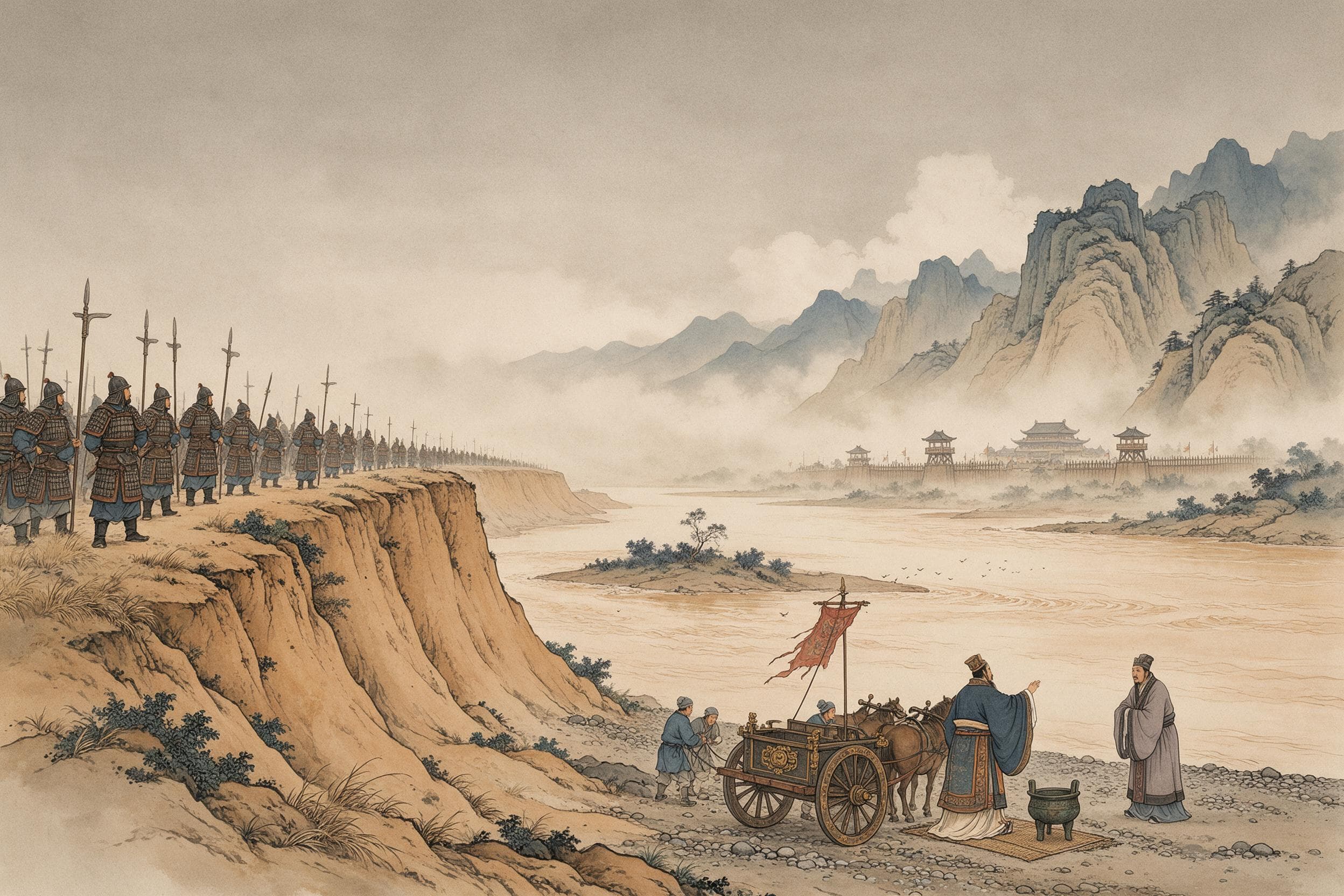
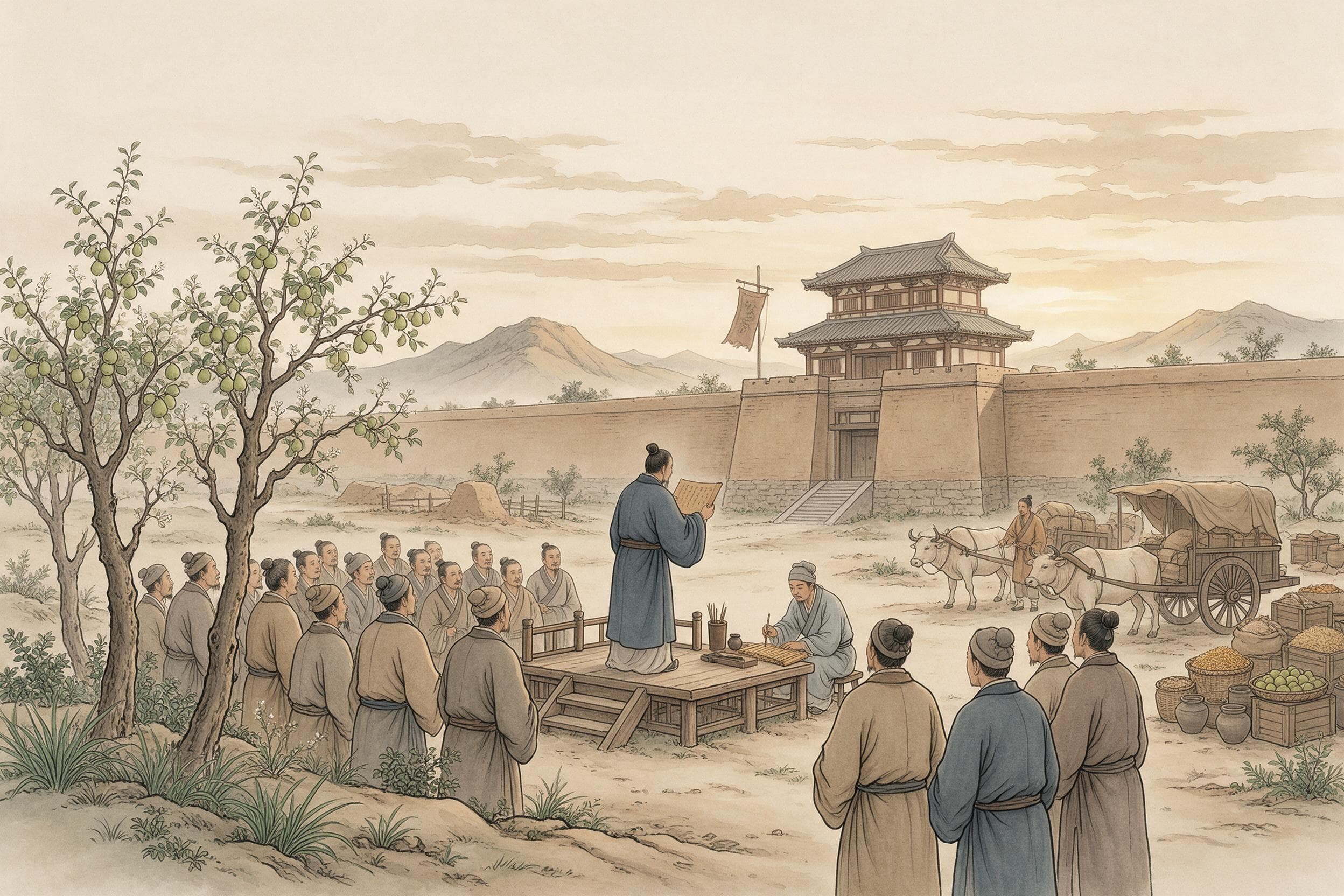
《史記·高祖本紀》漢元年(前 206)十月:沛公兵先至霸上,秦王子嬰素車白馬、繫頸以組,降於軹道旁。沛公入咸陽,想住宮裡,樊噲、張良勸阻,於是封秦重寶財物府庫,還軍霸上。然後召諸縣父老豪桀,先講秦法之苦:「父老苦秦苛法久矣,誹謗者族,偶語者棄市。」再講自己的資格:「吾與諸侯約,先入關者王之,吾當王關中。」最後才是三章:「與父老約,法三章耳:殺人者死,傷人及盜抵罪。餘悉除去秦法。諸吏人皆案堵如故。」他也沒有急著稱王,只說自己待在霸上,等諸侯來定約束。
接著是效果:使人隨秦吏「行縣鄉邑,告諭之」,秦人大喜,「爭持牛羊酒食獻饗軍士」;沛公辭讓不受,說倉粟多、不欲費人,「人又益喜,唯恐沛公不為秦王」。這段寫得像一場宣傳:先廢苛法,再拒饋贈,人心就歸了。
但三章只是三句話:殺人者死;傷人及盜「抵罪」——按罪處罰。怎麼抵、傷輕傷重如何分、盜多少如何計、誰來審、能不能贖、連坐還算不算,都沒有。它不是一部律,是一條政治承諾:把秦的苛法「悉除去」,只留三條原則。
三章不夠用
《漢書·刑法志》接著說:「漢興,高祖初入關,約法三章曰:『殺人者死,傷人及盜抵罪。』蠲削煩苛,兆民大說。其後四夷未附,兵革未息,三章之法不足以禦姦,於是相國蕭何……取其宜於時者,作律九章。」——從三章到九章的理由,是史書自己給的:不是三章錯了,是「不足以禦姦」;辦法是「取其宜於時者」,從秦法裡挑合用的。
這一句很要緊:漢承秦法。九章不是另起爐灶,是從秦律裡選編。同篇還說,蕭何、曹參為相「填以無為,從民之欲而不擾亂」,於是「衣食滋殖,刑罰用稀」——漢初的寬,是相對於秦的苛而言,不是說沒有法。法與寬,在這篇志裡是並存的。
九章是哪九章
答案很乾脆:《漢書·刑法志》只說「作律九章」,篇名它沒有列。所以本文不列九章的篇目。後世目錄書把九章說成「在六篇上增三篇」,那是更晚的追述,不在本文所據兩頁之內,這篇不引、也不據它補名目。
同理,「李悝《法經》六篇—商鞅受之以相秦—蕭何增為九章」這條鏈,也是後世法律史的敘述:這一篇志講的是刑罰,不是法典目錄;這一頁裡既沒有李悝,也沒有《法經》。這條鏈可以提,但必須標明是後世的追述;用它來解釋「九章從哪來」,是解釋,不是原文。
能寫與不能寫
不能寫「約法三章是漢朝的法典」——它只有三條原則,沒有程序與刑罰;不能寫「九章律的篇目是某某某」——漢志不列;不能寫「漢初廢秦法」——正相反,蕭何是從秦法裡「取其宜於時者」。能寫的是:入關的場景與三章原文;漢志給的理由與辦法;「作律九章」這四個字;以及漢初「刑罰用稀」的評語。
還可以寫一層對照:三章是說給「父老」聽的,九章是給官吏用的。一個是政治承諾(我不再用秦的那套對付你們),一個是行政技術(案子總得有個條文可依)。這兩件事在同一篇史書裡前後相接,這正是史書自己劃出的界線:宣示與法典。
材料沒有的
缺口:三章有沒有真的只按三條斷案;三章與九章之間的過渡期怎麼處理案件;九章的篇名與條文;蕭何所取「宜於時者」具體是哪些秦條;漢初的司法程序。兩頁都沒有。所以這篇文章寫的是「史書怎麼講從三章到九章」,不是漢律復原。
從三句口號到九章律,中間隔著史書的一句解釋——「三章不足以禦姦」。口號贏得人心,法典維持秩序;漢承秦法,漢初的寬,是在秦法的骨架上減了幾刀。至於那九章長什麼樣,這兩頁只給了四個字:「作律九章」。
延伸閱讀:方里而井:孟子紙上的一幅田制 · 九州的貢單:《禹貢》與《職方氏》兩份對不上的清單 · 重罪十條:《隋書》裡的一段北齊律
參考來源與延伸閱讀
- 司马迁《史记》卷八·高祖本纪(西汉;维基文库本,未与点校本复核) — The scene at the Qin capital. In the tenth month of the first year of Han, Liu Bang's army reaches Bashang, the Qin heir surrenders, and after being advised not to lodge in the palace he seals the treasuries and camps outside. He then summons the elders and notables of the counties: 'Elders, you have suffered from Qin's harsh laws a long time — those who criticised were executed with their kin, those who spoke together were put to death in the market. I have agreed with the other lords that whoever enters the pass first shall rule it, and I am to rule Guanzhong. I have made a covenant with you, elders: the law is three clauses only — he who kills shall die; he who wounds or steals shall be punished according to his crime. All the rest of the Qin law is abolished. The officials shall stay at their posts as before' (與父老約,法三章耳:殺人者死,傷人及盜抵罪). Messengers are sent through the counties and villages to proclaim it; the people rejoice, bring cattle, sheep and wine to the troops, and Liu Bang declines the gifts, saying the granaries are full, so that they rejoice the more. The chapter gives the three clauses and the scene, no procedure and no penalties.
- 班固《汉书》卷二十三·刑法志(东汉;维基文库本,未与点校本复核) — The Eastern Han treatise that explains the step from three clauses to a code: 'When Han arose, Gao Zu had just entered the pass and made a covenant of three clauses: he who kills shall die; he who wounds or steals shall be punished according to his crime. He abolished the harsh and petty, and the myriad people rejoiced. Afterwards, with the four frontiers not yet attached and weapons not yet rested, the law of three clauses was not enough to check wickedness; thereupon the chancellor Xiao He selected from the Qin law and, taking what suited the time, made the law in nine chapters' (三章之法不足以禦姦…作律九章). The treatise mentions the nine chapters here and nowhere lists their names; it also says that under Xiao He and Cao Shen as chancellors government was 'filled with non-action', and punishments were seldom used. This page of the treatise contains no Li Kui and no Book of Law (法經); the six-chapter lineage is a later account, not part of these two pages.