一部法典的原文失傳了,卻有一個名單留了下來:「又列重罪十條:一曰反逆,二曰大逆,三曰叛,四曰降,五曰惡逆,六曰不道,七曰不敬,八曰不孝,九曰不義,十曰內亂。其犯此十者,不在八議論贖之限。」這段話不在北齊的律書裡,在唐代人修的《隋書·刑法志》裡。
律在別處
《隋書·刑法志》記北齊制律:「河清三年,尚書令、趙郡王叡等,奏上齊律十二篇:一曰名例,二曰禁衛,三曰婚戶,四曰擅興,五曰違制,六曰詐偽,七曰鬥訟,八曰賊盜,九曰捕斷,十曰毀損,十一曰廄牧,十二曰雜。其定罪九百四十九條。」又上新令四十卷,刑名分五種:死(轘、梟首、斬、絞)、流、刑(即耐罪,五歲至一歲五等)、鞭、杖;贖罪舊用金,這時「皆代以中絹」,連贖價都列了數目。
這些篇目、條數、刑名、贖價,全是從這一篇唐代史志裡讀到的。北齊律的原文今天不存,所以本文只能寫「《隋書》所記的北齊律」,不能寫「北齊律原文如此」。這是讀這一段的第一條規矩。
十條本身也要看清性質:它沒有新設刑罰,要害在最後一句——「不在八議論贖之限」。八議是給特定身分的人留的議罪程序,論贖是拿絹贖罪;這十種罪一列,就把它們從這兩條路裡摘出去了。至於「八議」具體是哪八項,這兩頁都沒有列,本文也不補。
從十條到十惡
同一篇志又記隋開皇新律:「又置十惡之條,多採後齊之制,而頗有損益。一曰謀反,二曰謀大逆,三曰謀叛,四曰惡逆,五曰不道,六曰大不敬,七曰不孝,八曰不睦,九曰不義,十曰內亂。」並說「犯十惡及故殺人獄成者,雖會赦,猶除名」——遇赦也不免除名。志裡還記了贖銅的等第、八議之科與官品減等,是一整套制度。
兩單對看,差別不小:北齊的「反逆」、「大逆」、「叛」,到隋都加了「謀」字,成了「謀反」「謀大逆」「謀叛」;北齊有「降」,隋的十惡裡沒有;隋多出「不睦」;北齊的「不敬」成了「大不敬」。所以不能說「十惡就是北齊重罪十條改了名」。《隋書》自己的說法是「多採後齊之制,而頗有損益」——採了,也改了;是淵源,不是等同。
同一篇還記北周:「不立十惡之目,而重惡逆、不道、大不敬、不孝、不義、內亂之罪。」不立名目,卻把其中六項單獨提出來加重。三家(北齊、北周、隋)各有取捨,可見「十條」「十惡」這類名單,在當時的立法裡是可增可減的技術安排。
北魏那一邊
另一部書是《魏書·刑罰志》,記的是北魏。世祖神䴥年間,「詔司徒崔浩定律令」:除掉五歲、四歲刑,增一年刑;把大辟分成二等(死、斬死),又入絞;大逆不道腰斬,同籍誅連,十四歲以下腐刑,女子沒入官府;害其親者轘之;為蠱毒者男女皆斬、焚其家;巫蠱者「負羖羊抱犬沉諸淵」;拷訊不過四十九;死罪要「部案奏聞」,諸州大辟「皆先讞報乃施行」;宮門左側還懸登聞鼓,有冤可以撾鼓。
這些是北魏的條目與程序,不是北齊的。《魏書》成於北齊人魏收之手,記的卻是北魏一朝;《隋書》是唐人所修,追述北齊與隋。北齊制律時「大抵採魏、晉故事」,兩朝之間確有承襲,但把《魏書》的條文當作北齊律來讀,就把朝代混了。這一層必須寫死。
怎麼讀這兩頁
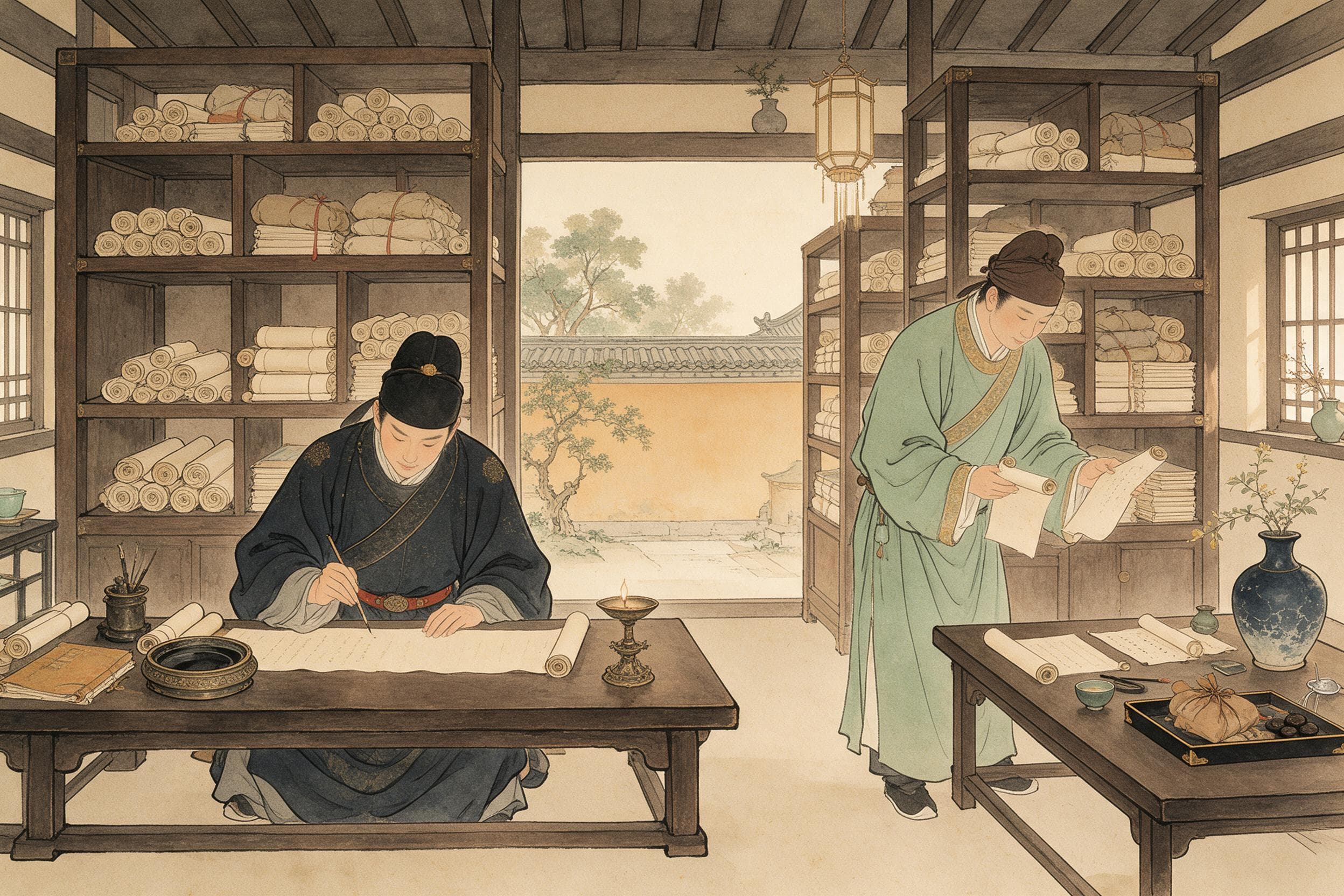
兩頁留下的是兩種痕跡:北齊律被唐代史官轉述,條目留名而原文不存;北魏律在自己的史書裡留下條目與程序。讀者真正看到的,是「史官怎麼寫律」,而不是「律條原文」。同一篇《隋書》志在記完十條之後,還給了評價:「是後法令明審,科條簡要」,又說「齊人多曉法律,蓋由此也」——同一位唐代史官,既抄下這十條,也稱讚這部律簡明。
所以不宜用「野蠻」二字概括這兩頁。這十條是一個技術性的例外清單:把某些罪從議、贖的通道裡拿掉;北魏那一段記的是死刑分等、奏報程序、拷訊上限。這些都是制度設計的問題,不是殘暴程度的證明。
材料沒有的
缺口很清楚:北齊律原文、十條各自的刑罰、審判程序、具體案例,都沒有;「八議」的名目,兩頁不列;北魏那邊的死刑條目,也只是分等與個案,不是完整的罪名表;兩書的數字(九百四十九條、大辟二等)也不能直接相比,因為編法不同。
一個名單,從北齊走到隋唐:名字改了,內容增刪了,歸屬也變了——北齊叫「重罪十條」,隋叫「十惡」。能追的只是「轉述裡的名單」,不是一部完整的北齊律。北魏那一邊留下的是另一朝的程序與條目;兩頁並讀,看到的是律如何被記住,而不是律如何施行。
延伸閱讀:罷榷酤:一升酒四錢,和一個算出來的「千釀」 · 九州的貢單:《禹貢》與《職方氏》兩份對不上的清單 · 方里而井:孟子紙上的一幅田制
參考來源與延伸閱讀
- 《隋书》卷二十五·刑法志(唐魏征等撰;维基文库本,未与点校本复核) — A Tang compilation that describes the Northern Qi code the code itself no longer allows us to read. Under the third year of Heqing (河清三年) it reports that the prince of Zhao Commandery and others presented the Qi code in twelve chapters with 949 articles, five names of punishment (death by carriage-tearing, exposure, decapitation, strangling; exile; penal servitude; whipping; caning) and a redemption scale paid in silk. Then: 'it further set out ten gravest crimes: first rebellion, second great逆, third treason, fourth surrender, fifth cruelty to kin, sixth inhumanity, seventh irreverence, eighth unfilial conduct, ninth injustice, tenth incest' (又列重罪十條…其犯此十者,不在八議論贖之限) — those who commit them are excluded from the eight deliberations and from redemption. The same chapter records the Sui's Kaihuang code: 'it further established the ten abominations, mostly adopting the Northern Qi system, with additions and losses' (多採後齊之制,而頗有損益), lists the ten, and notes that the Northern Zhou 'did not establish the ten abominations' but singled out six of them. It also calls the Qi code 'clear and careful in its statutes, brief in its articles', which is why 'the men of Qi mostly understood the law'.
- 《魏书》卷一百一十一·刑罚志(北齐魏收撰;维基文库本,未与点校本复核) — A history of the Northern Wei, a different dynasty from the Northern Qi. It records that in the Shenjia years Emperor Shizu had the minister Cui Hao fix the statutes: the five- and four-year servitudes were abolished and a one-year term added; capital punishment was divided into two grades, death and beheading, with strangling added; great逆 and inhumanity were punished by waist-cutting with the household slain, boys under fourteen castrated and women taken by the state; those who harmed their own kin were torn apart by chariots; poisoners were beheaded and their houses burned; sorcerers were drowned with a black ram and a dog; interrogation was limited to forty-nine blows; every death sentence had to be memorialised, and provincial capital cases reported before execution. It also mentions that the nine-rank officials could use rank to commute punishment, that pregnant women were executed a hundred days after childbirth, and that the sounding drum for grievances hung at the palace gate. These are Northern Wei provisions, not the Bei Qi code.