雍州的貢單只有三個詞:「厥貢惟球、琳,琅玕。」揚州的貢單長一些:「厥貢惟金三品,瑤、琨、篠簜,齒、革、羽、毛惟木。」——玉、竹、象牙、犀革、鳥羽、獸毛,一件一件列名,一件也不給數量。這就是《禹貢》的寫法:把天下的土產排成一張可以念出來的名單。
每州先劃一條界
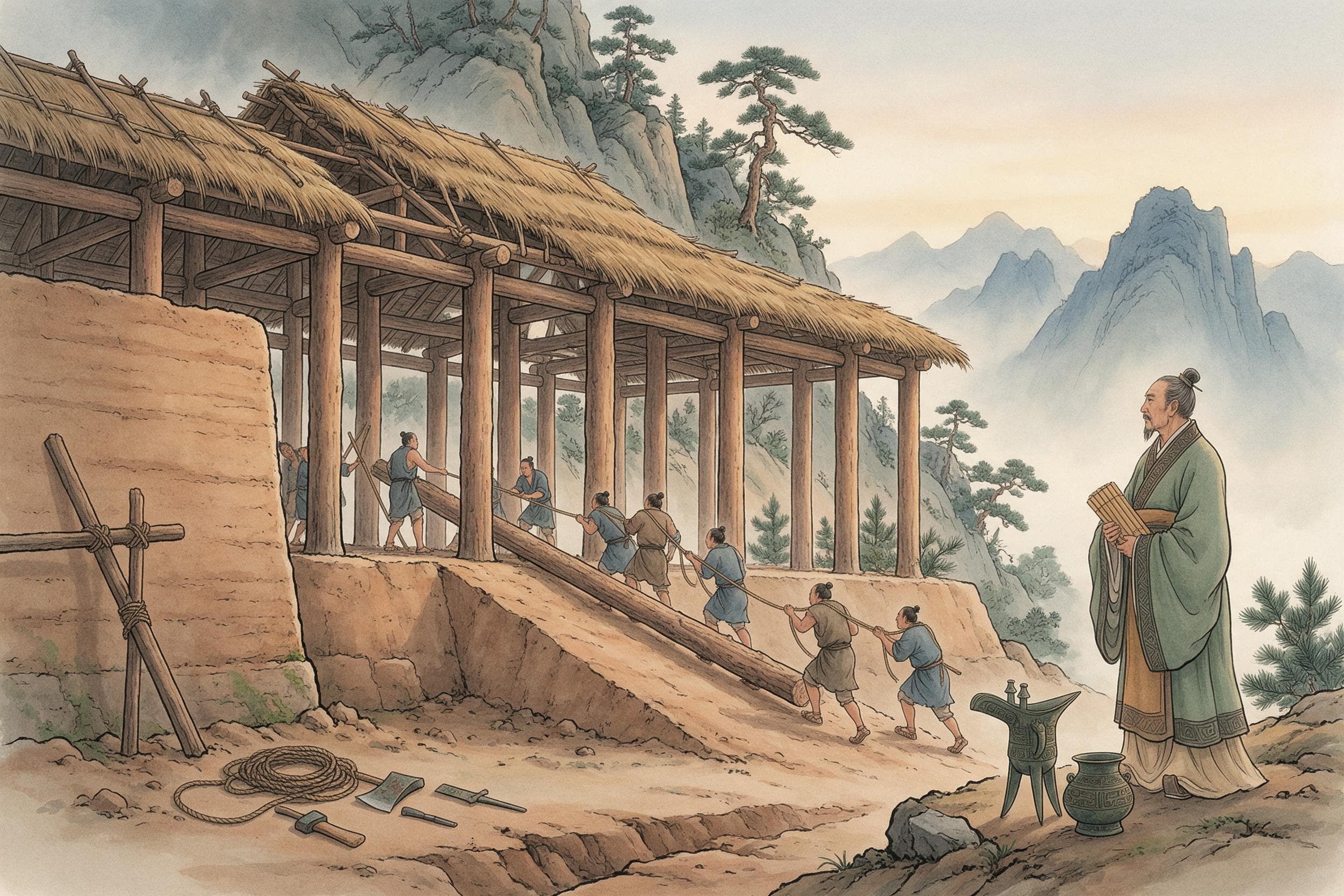
《尚書·禹貢》開篇一句:「禹敷土,隨山刊木,奠高山大川。」然後一州一州往下走,每州第一句都是界:「濟、河惟兗州」「海、岱惟青州」「海、岱及淮惟徐州」「淮、海惟揚州」「荊及衡陽惟荊州」「荊、河惟豫州」「華陽、黑水惟梁州」「黑水、西河惟雍州」。界是用山川劃的:兩條水之間、海與山之間。九州的數,就從這一句句裡出來。
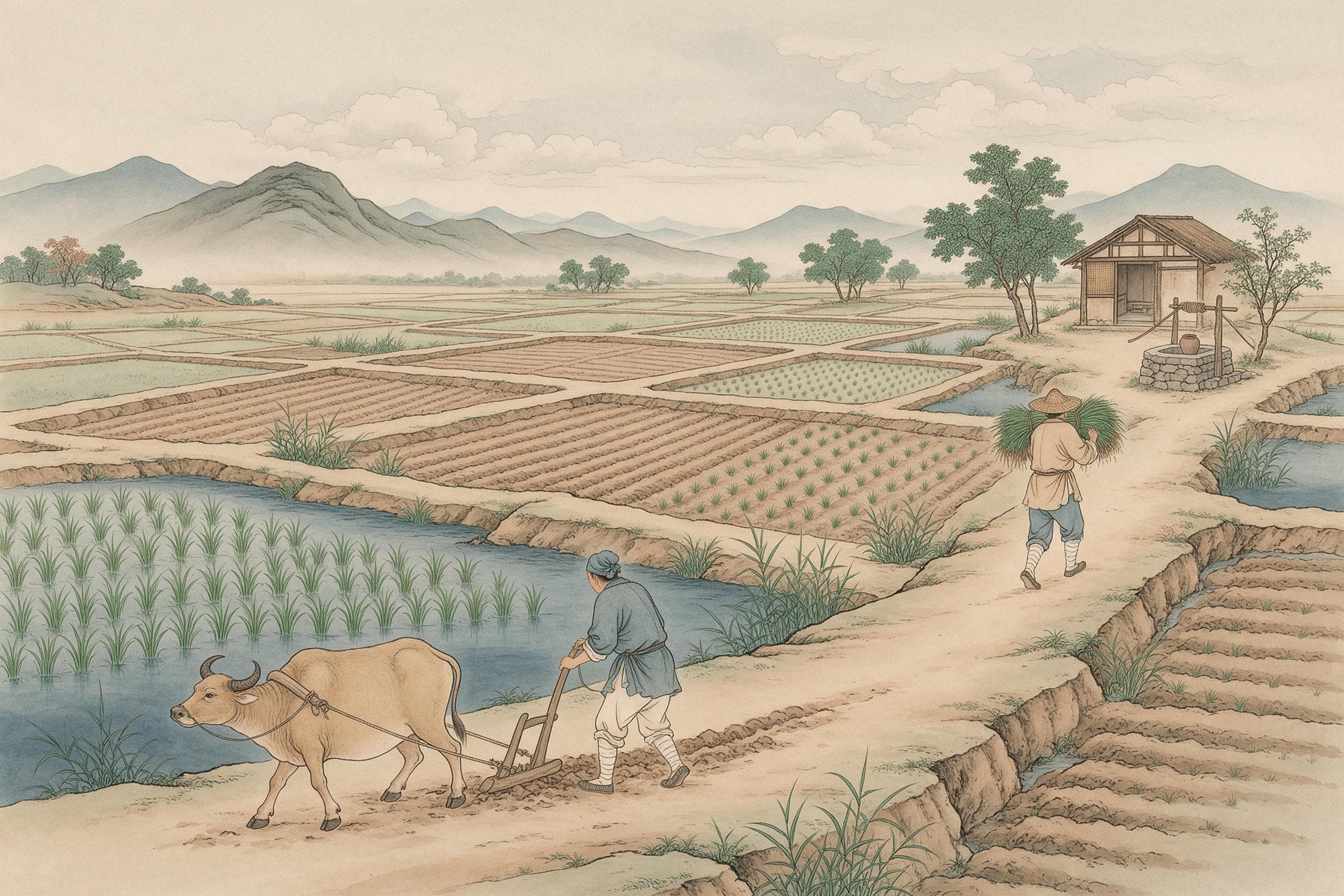
界之後,四件事:土、田、賦、貢。土是顏色與質地(冀州「厥土惟白壤」,兗州「厥土黑墳」);田與賦各分九等,「上上」到「下下」,還有「錯」表示雜出。冀州是「田中中,賦上上錯」——地只算中等,賦卻排到最上等;雍州反過來,「田上上,賦中下」。這一層最值得看:同一塊天下,田的等級與賦的等級並不一致,書的編法本身就帶判斷。
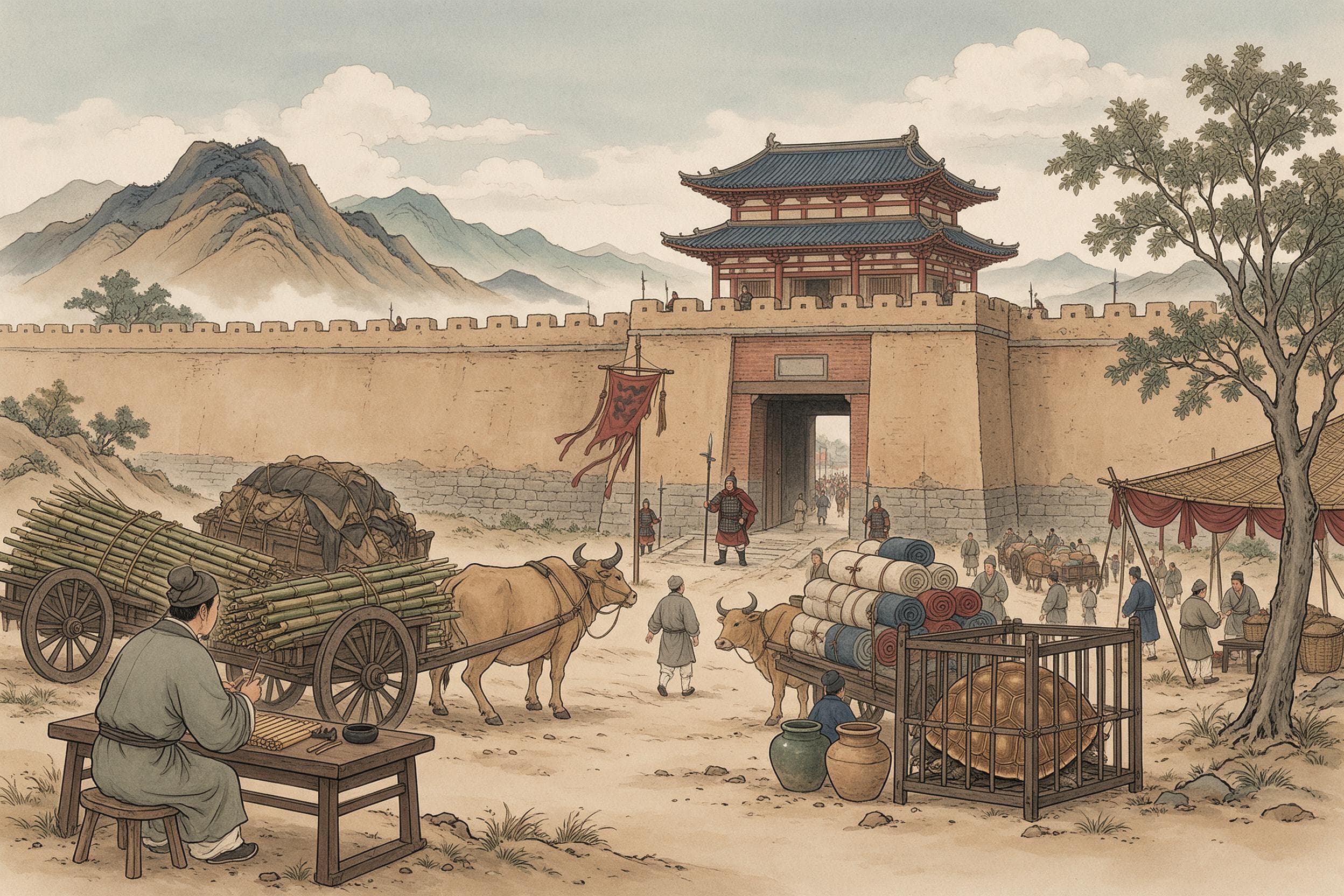
貢物按州開列,分「貢」與「篚」:兗州「厥貢漆絲,厥篚織文」;青州「厥貢鹽、絺,海物惟錯,岱畎絲、枲、鉛、松、怪石」;徐州有「土五色、羽畎夏翟、嶧陽孤桐、泗濱浮磬」;荊州有「包匭菁茅」「九江納錫大龜」。每州末尾還帶一條水路:「浮于濟、漯,達于河」「浮于汶,達于濟」——貢物怎麼運到都城,跟貢物寫在同一句裡。
有一個例外很好用:冀州沒有「厥貢」。它是王畿所在,只記賦與「島夷皮服」。也就是說,這張貢單不是平均攤到九州的,都城所在那一州,交的是賦,不是土產。
另一部書裡的九州
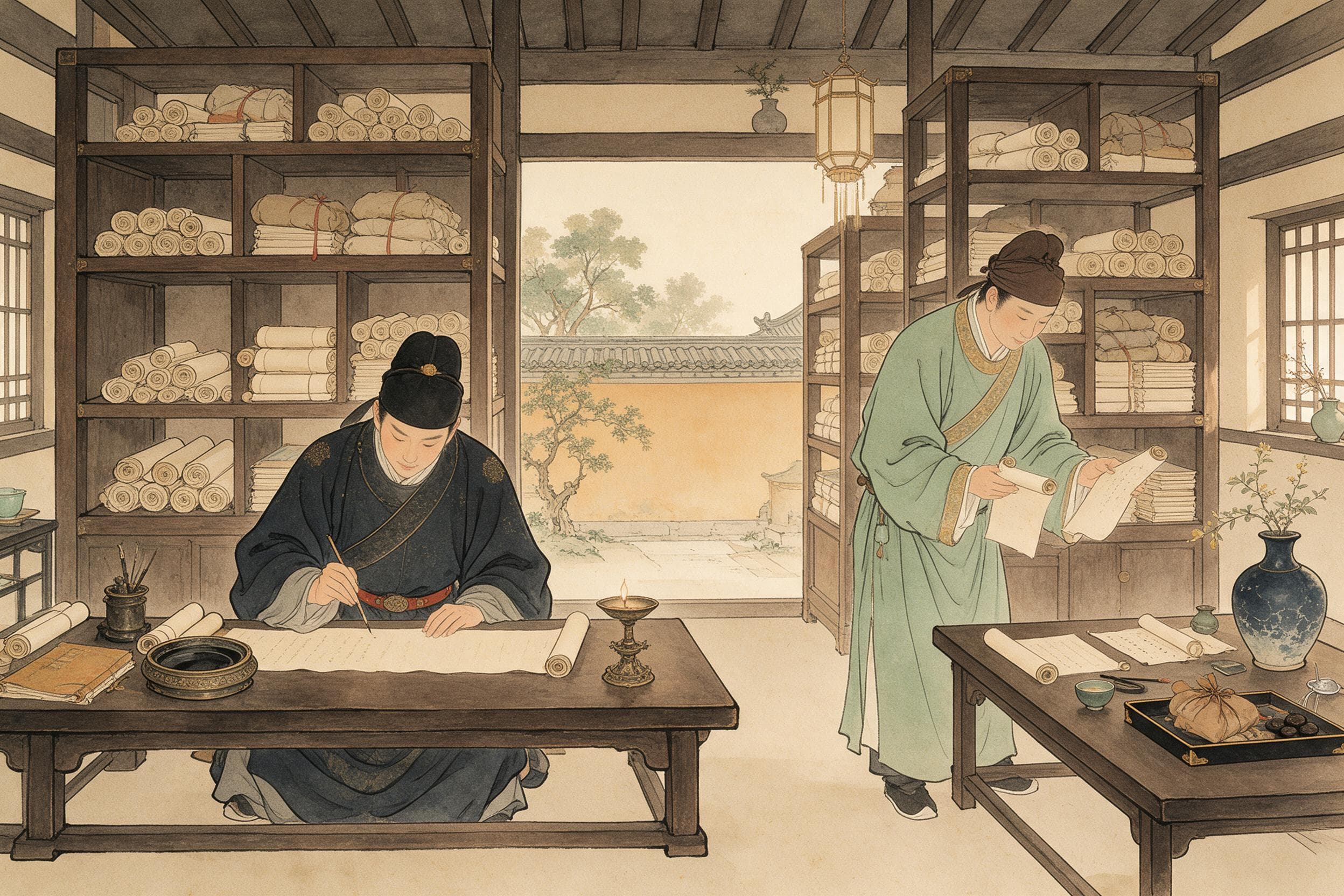
《周禮·夏官司馬》的職方氏,「掌天下之圖,以掌天下之地」,辨明邦國、都鄙與四夷八蠻的「人民」與「財用、九穀、六畜之數要」,然後「乃辨九州之國,使同貫利」。它按方位報州名:東南曰揚州,正南曰荊州,河南曰豫州,正東曰青州,河東曰兗州,正西曰雍州,東北曰幽州,河內曰冀州,正北曰并州。
每一州記的東西是另一套:山鎮、澤藪、川、浸、利、民、畜、穀。揚州是「其山鎮曰會稽,其澤藪曰具區,其川三江,其浸五湖,其利金、錫、竹、箭,其民二男五女,其畜宜鳥獸,其穀宜稻」。并州是「其山鎮曰恆山,其澤藪曰昭餘祁,其川虖池、嘔夷,其浸淶、易,其利布帛,其民二男三女」。沒有貢單,沒有田賦等級,多出來的是男女比例與宜種什麼。
兩張單子對不上
放在一起,先撞上的是州名:《禹貢》有徐州、梁州,《職方氏》沒有;《職方氏》有幽州、并州,《禹貢》沒有。再撞上的是劃法:《禹貢》用山川作界(濟、河惟兗州),《職方氏》用方位命名(正東曰青州)。然後是項目:《禹貢》給土、田賦、貢物、運道;《職方氏》給山鎮、澤藪、川、浸、利、民數、穀宜。
所以兩張單子不能拼成一張圖,也不能合成一份貢單。同一個揚州,在《禹貢》裡是「金三品、瑤、琨、篠簜、齒、革、羽、毛」,在《職方氏》裡是「利金、錫、竹、箭」加「二男五女」加「穀宜稻」。不是誰抄錯,是兩種文書:一冊「任土作貢」的貢賦總目,一冊「掌天下之圖」的地理官守。
什麼時候的東西
《禹貢》托名大禹,開頭就是禹敷土、奠高山大川;成書年代學界有爭論,戰國說、漢代說都有,本文不裁決。《職方氏》在《周禮》裡,作者與成書年代同樣有爭議。兩頁都不能當作某一年、某一國的實況來讀。
再進一層:九等田賦、每州幾樣貢物、每州一條水路,這種整齊本身就是一種主張——它把天下編成一個可以總覽的秩序,而不是把各地帳本加起來。所以它讀起來像制度,不像統計:沒有實數,卻處處是等級與次第。
材料沒有的
沒有數量,沒有年份,沒有一件實收的記錄;沒有州界的實測;兩頁也不說「九州」是行政單位還是地理分區。不能折成今天的面積,也不寫「最早經濟地理」這類話。能寫的只有三樣:一張列名的貢單、一套九等的田賦、一張按方位分州的官冊——以及兩張單子彼此不合的地方。
延伸閱讀:方里而井:孟子紙上的一幅田制 · 「撻彼殷武,奮伐荊楚」:一首祭歌裡的南征 · 千金與十倍:七國之亂時的一筆借款,和王莽的賒貸令
參考來源與延伸閱讀
- 《尚书·禹贡》(托名大禹,成书年代有争议,战国至汉说并有;维基文库本,未与点校本复核) — A survey of the world under Yu, opening 'Yu spread the soil, followed the mountains and cut the trees, and fixed the high mountains and great rivers' (禹敷土,隨山刊木,奠高山大川). It divides the land into nine provinces, each opened by a boundary line drawn from rivers and mountains — 'Ji and the Yellow River make Yanzhou', 'the sea and Mount Tai make Qingzhou', 'the Huai and the sea make Yangzhou', 'the Black Water and the Western River make Yongzhou'. Each province then gives its soil, its grade of field and of tax in a nine-step scale (冀州: 田中中,賦上上錯; 雍州: 田上上,賦中下), its tribute goods by name — lacquer and silk, salt and fine cloth, gold of three grades, jade, bamboo, ivory, hides, feathers, the great tortoise of the Nine Rivers, the well-reeds of Jing — sometimes what goes in the round basket (篚) or the wrapped bundle (包), and finally the water route by which the goods reach the capital: 'float on the Ji and the Ta, reach the River' (浮于濟、漯,達于河). No quantities are given anywhere. The province containing the capital, Jizhou, has no tribute list at all, only tax and the skins of the island barbarians.
- 《周礼·夏官司马》职方氏(作者与成书年代有争议;维基文库本,未与点校本复核) — The map officer 'holds the maps of the world and thereby the lands of the world', distinguishing the peoples of the feudal states, the royal domains and the surrounding nations 'with the numbers of their resources, nine grains and six domestic animals'. He then 'distinguishes the lands of the nine provinces so that they share the same benefits' (乃辨九州之國,使同貫利), naming them by direction: southeast Yangzhou, due south Jingzhou, south of the River Yuzhou, due east Qingzhou, east of the River Yanzhou, due west Yongzhou, northeast Youzhou, within the River bend Jizhou, due north Bingzhou (正北曰并州). For each he records the mountain sacrifice, marsh, river, tributary, the profit of the land, the male-to-female ratio of the people, which animals suit it and which grains suit it — e.g. Yangzhou: Mount Kuaiji, the Juqu marsh, the three rivers, the five lakes, profit in metal, tin, bamboo and arrows, 'two men to five women', birds and beasts, rice. It also says the king 'fixes their tribute according to what each has' (制其貢,各以其所有), and appends a nine-fold scheme of outer domains. It contains no tribute list by province and no field or tax grades.