「洛陽紙貴」の四字は『晉書』巻九十二『文苑·左思傳』から出る——「於是豪貴之家競相傳寫,洛陽為之紙貴」。左思『三都賦』が成った後のことである。本篇は二頁を使う。『晉書』の左思傳と、『世說新語·文學』にある同じ事——後者のほうが短く、人物と順序も違う。二頁とも紙價を与えず、書写の工錢も与えない。本稿は二頁が書いたことだけを書く。
一、賦を書いた十年
左思、字は太沖、齊國臨淄の人、「家世儒學」。傳はまず彼の不成器を書く——「思小學鍾、胡書及鼓琴,並不成」。父は友に「思所曉解,不及我少時」と言い、彼はそれを聞いて「感激勤學」し、また「兼善陰陽之術」。人となりは「貌寢,口訥,而辭藻壯麗。不好交遊,惟以閒居為事」。まず『齊都賦』を作り、「一年乃成」。
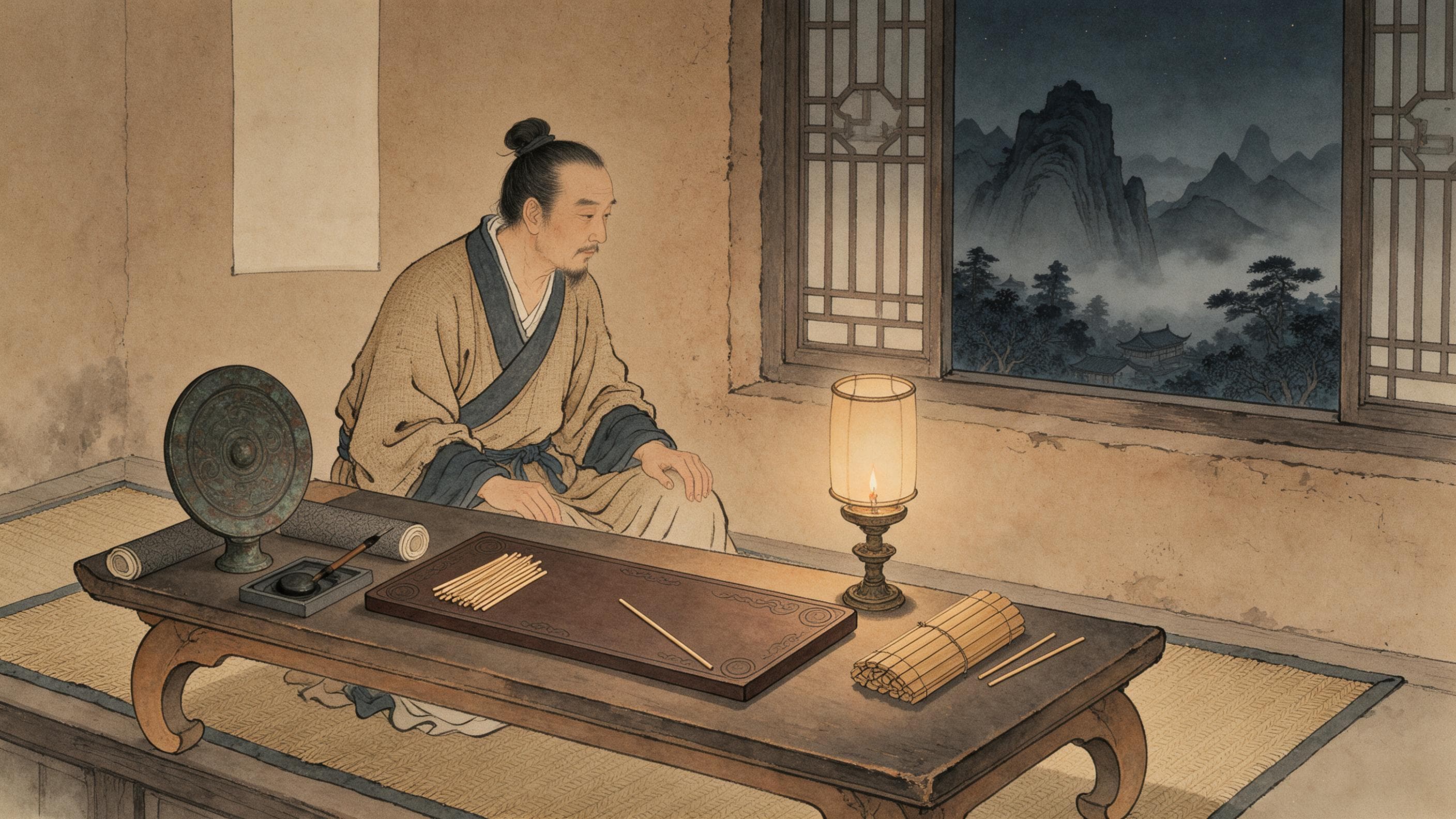
次が『三都賦』。「復欲賦三都,會妹芬入宮,移家京師,乃詣著作郎張載,訪岷邛之事。遂構思十年,門庭籓溷,皆著筆紙,遇得一句,即便疏之」——門・庭・籬・厠のいずれにも筆紙を置き、一句を得ればすぐ書き留めた。「自以所見不博,求為秘書郎」。これが傳の与える写作事情のすべてであり、どれだけ書を読んだか、何人に尋ねたか、何稿改めたかは書かない。
二、賦が成ったのち
成ったからといって、すぐに重んじられたわけではない——「及賦成,時人未之重。思自以其作不謝班張,恐以人廢言」。班固・張衡に劣らないと自負し、恐れたのは人が微ければ言葉も軽んじられること。そこで「有高譽」の安定の皇甫謐を訪ね、「思造而示之。謐稱善,為其賦序」。その後、張載が『魏都』に注し、劉逵が『吳』『蜀』に注して序を作り、陳留の衛權がまた『略解』を作った。劉逵の序に率直な一句がある——「世咸貴遠而賤近,莫肯用心於明物」。さらに司空張華がこれを見て嘆じた——「班張之流也。使讀之者盡而有餘,久而更新」。
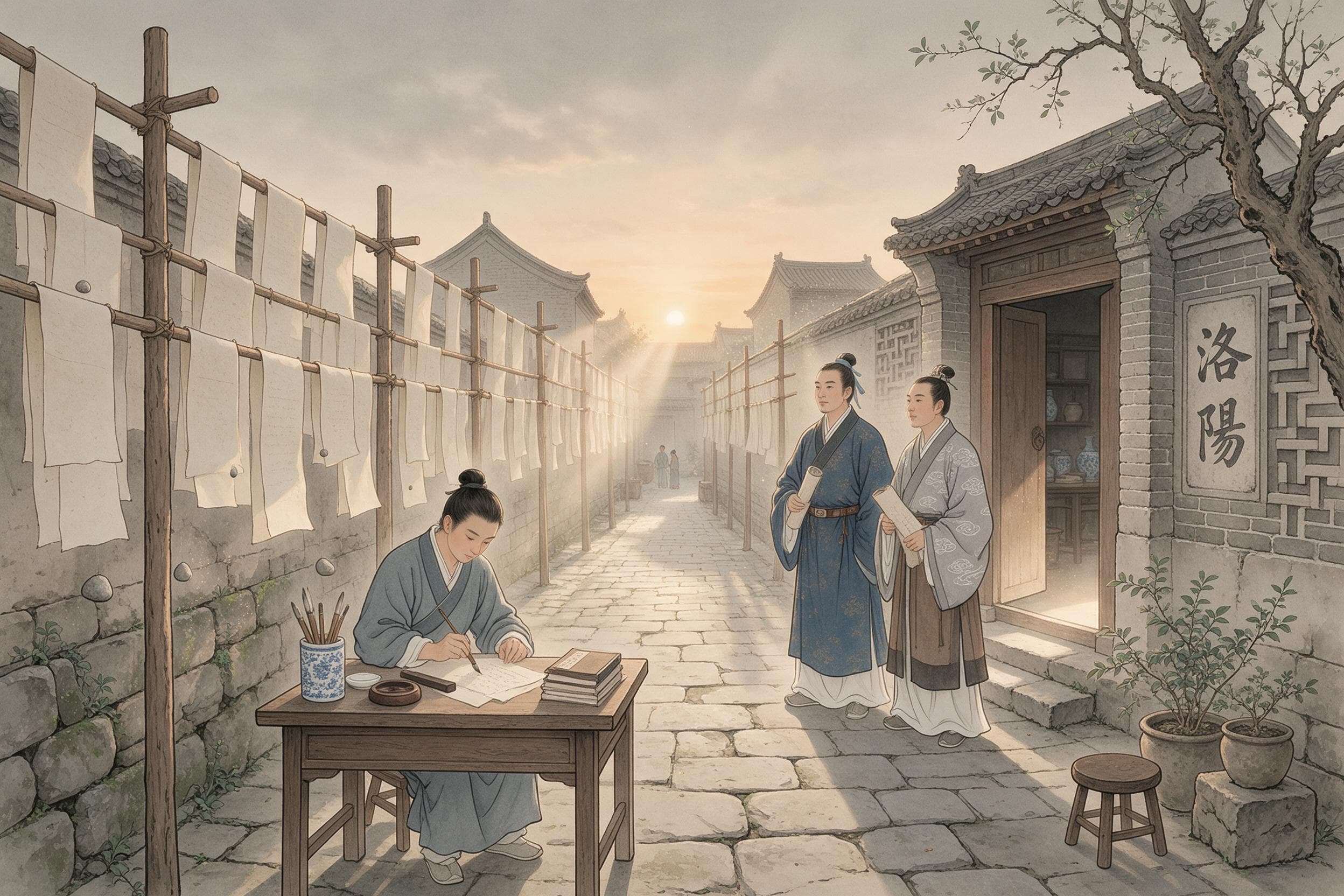
すぐ続くのがあの一句である——「於是豪貴之家競相傳寫,洛陽為之紙貴」。これは史書の叙述であって、左思自身の言葉ではない。「傳寫」したのは「豪貴之家」、「貴」くなったのは洛陽の紙である。傳はここで転じ、次は陸機を書く。
『世說新語』の版は違う——「左太沖作《三都賦》初成,時人互有譏訾,思意不愜。後示張公。張曰:『此二《京》可三,然君文未重於世,宜以經高名之士。』思乃詢求於皇甫謐。謐見之嗟嘆,遂為作敘。於是先相非貳者,莫不斂衽讚述焉」。張華がここでは知恵を出し、順序は「先示張公」、そのうえで皇甫謐を訪ねる。『晉書』では張華は賦が成り、序と注ができた後に「見而嘆」じる。二說を並べ、合併しない。
三、紙貴——原文と、ない數字
「洛陽為之紙貴」は一句の判断であって、數目ではない。二頁とも紙の値段、何倍に上がったか、一部を寫すのに紙がどれだけ要るか、寫した家が何軒あったかを与えない——本稿も補わない。言えるのは原文が与えたことだけである。左思の賦が成り、名家が序と注を作り、張華が評語を与え、そして「豪貴之家競相傳寫」した。紙がなぜ貴くなり、どれほど貴くなったかは、書に書いていない。
傳にはもう一段、反照がある。陸機が初めて洛陽に來たとき「欲為此賦,聞思作之,撫掌而笑」、弟の陸雲に書き送った——「此間有傖父,欲作《三都賦》,須其成,當以覆酒甕耳」。しかしいざ読むと「機絕歎伏,以為不能加也,遂輟筆焉」。「覆酒甕」から「輟筆」への評価の転変も、傳に書いてある。
四、世說にもう一度の「紙貴」
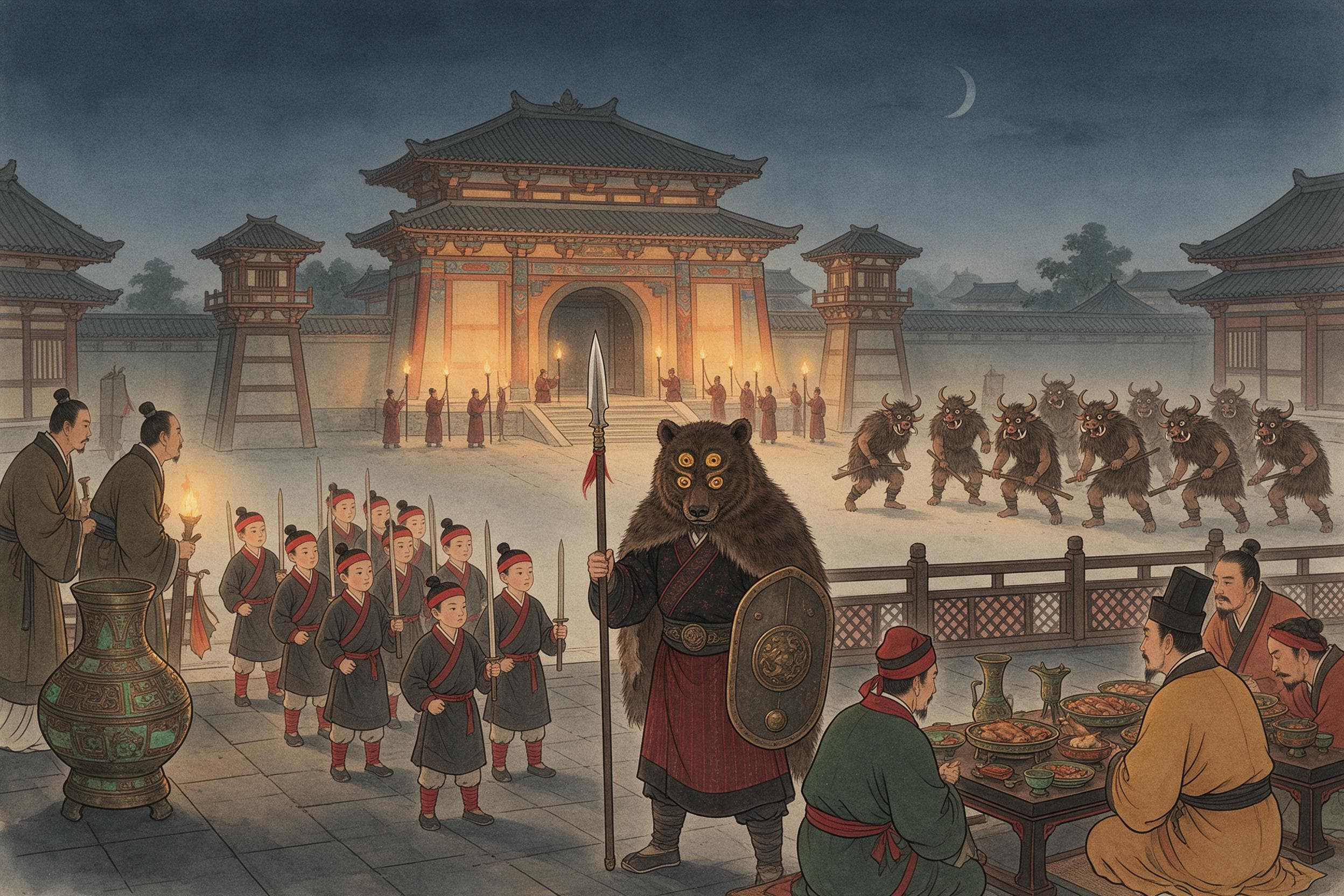
『世說新語·文學』はもう一度記す——「庾仲初作《揚都賦》成,以呈庾亮;亮以親族之懷,大為其名價云:『可三二京,四三都。』於此人人競寫,都下紙為之貴」。これも同じく、名士の一句の評語が搶抄を呼び、紙も貴くなった。だがこの段の後ろに謝太傅の一句がある——「不得爾。此是屋下架屋耳!事事擬學,而不免儉狹」。二度の「紙貴」が並び、一度は持ち上げられ、一度は壊される。
五、二頁が与えないもの
二頁とも与えない——『三都賦』の全文と字數、抄本の形制、紙の産地と値段、傳寫した者の身分。またこの賦への「文學的価値」の判断も与えない——二頁にあるのは數人の言葉だけである。皇甫謐の稱善、劉逵の序、張華の「班張之流」、陸機の歎伏、謝安の『揚都賦』への「屋下架屋」——それぞれ各人の言葉であり、本稿は一條ずつ話者を標す。
「洛陽紙貴」が後に成語になったのは後人の概括である。『晉書』の原文には「洛陽為之紙貴」の一句しかなく、二頁ともそれを成語として用いていない。本稿は「文學的価値」「文化的傳播」の類の通論を書かず、この事を紙の歴史にもしない。書くのは一つの賦、數人の人、一句の紙貴、そして書が与えなかった數字である。
参考資料・関連文献
- 《晋书》卷九十二·文苑·左思传(唐房玄龄等撰;维基文库本,页面白文无注,未与中华书局点校本复核) — The full life: Zuo Si of Linzi, of a family of scholars, who failed at writing and at the qin, was mocked by his father, and turned to study; 'he made the Rhapsody on the Qi Capital, which took a year'; then, wishing to write on the three capitals, he moved to the capital when his sister entered the palace, questioned the works officer Zhang Zai about Min and Qiong, and 'pondered for ten years, with paper and brush placed at his gate, courtyard, fence and privy, writing down any line as soon as it came'; thinking his knowledge not broad enough, he asked to be made a secretary; when the rhapsody was finished 'his contemporaries did not value it', so he showed it to Huangfu Mi, who praised it and wrote a preface; Zhang Zai annotated the Wei capital, Liu Kui the Wu and Shu with a preface, and Wei Quan added a brief explanation; Zhang Hua sighed that it was 'of the company of Ban Gu and Zhang Heng'; 'thereupon the rich and noble houses competed in copying it, and Luoyang became expensive in paper'. Lu Ji, who had meant to write such a rhapsody himself, laughed at the news and wrote to his brother that the man would end by covering a wine jar with it, and after reading the work 'was utterly astonished and gave up his brush'.
- 《世说新语·文学》(南朝宋刘义庆撰,刘孝标注;维基文库本,页面白文夹注,未与中华书局点校本复核) — A shorter account of the same affair: when the Rhapsody on the Three Capitals was first finished 'contemporaries mocked and criticised it in turn, and Si was displeased'; he showed it to 'Master Zhang' — Zhang Hua — who said it could stand as a third to the two Han capitals, but that 'your writing is not yet weighty in the world; you should let it pass through a man of high name'; Zuo Si then sought out Huangfu Mi, who sighed over it and wrote the preface, after which 'those who had opposed it all straightened their robes and praised it'. The same chapter has a second paper-price story: Yu Chan's Rhapsody on the Yang Capital, presented to Yu Liang, who talked up its value as 'a third to the two capitals, a fourth to the three capitals', whereupon 'everyone competed to copy it and the paper of the capital became expensive' — and Xie An's retort that it was only 'building a house under a house'.