In the twenty-first year of King Jing the order came: 景王二十一年,將鑄大錢 — a great coin was to be cast. The page gives the year and the act, and nothing about the coin itself: no weight, no inscription, no number of pieces. This article rests on one source only, the third juan of the Guoyu, and says so plainly — one page, not two books set against each other. The Hanshu's chapter on food and money repeats this passage, which makes it a copy, not a second witness. On the same page the affair runs in three linked sections: coin, bell, pitch.
Only When Disaster Comes
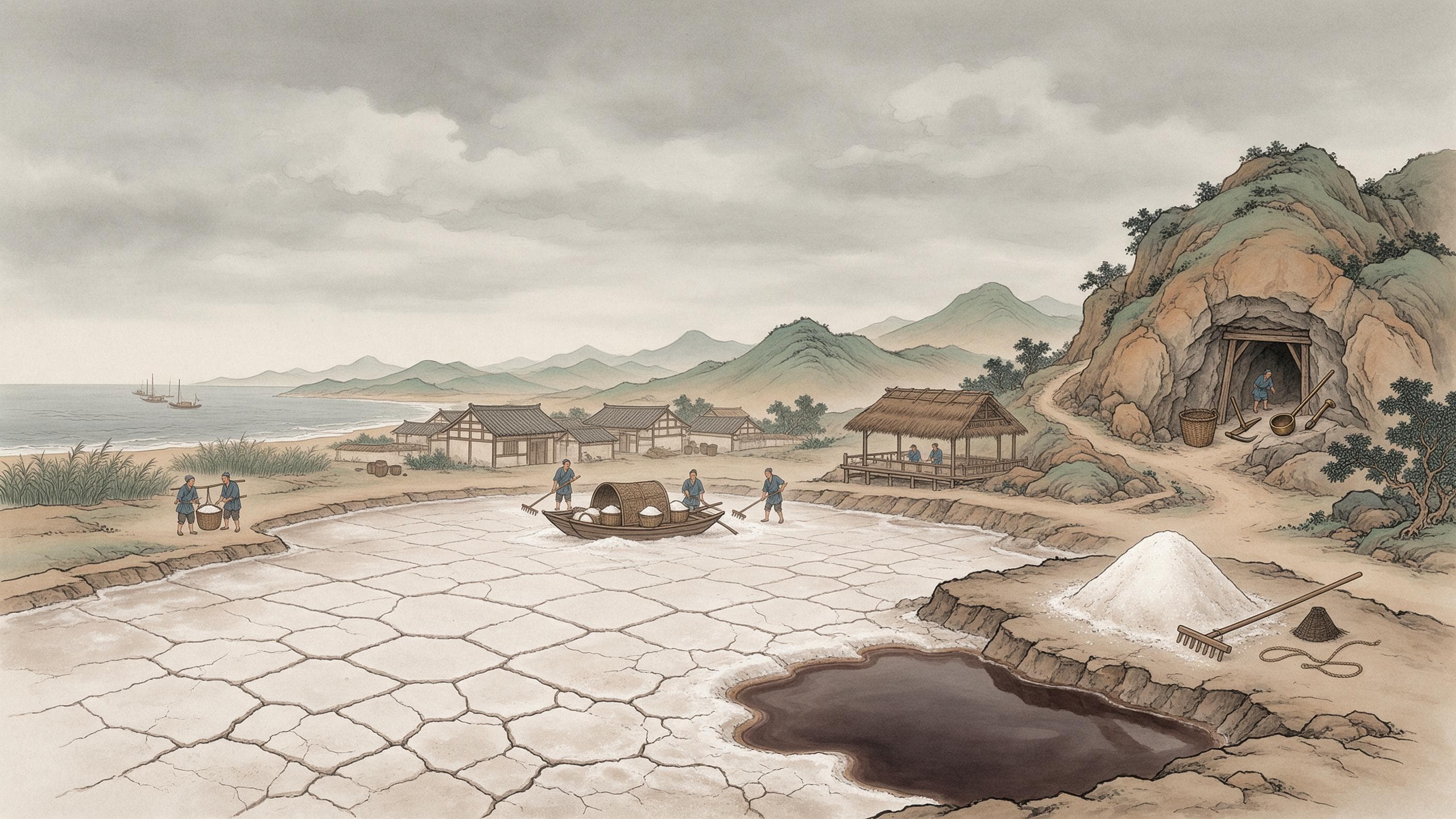
Shan Mu-gong said no. 古者,天災降戾,於是乎量資幣,權輕重,以振救民 — in antiquity heaven sent disaster down, and then one measured coin and resources, weighed light and heavy, and succoured the people. The note starts with the word: 錢者,金幣之名,所以貿買物、通財用者也,古曰泉,後轉曰錢 — metal money, for trade and for moving wealth, called quan in antiquity and qian later. The rule: 民患輕,則為作重幣以行之,於是乎有母權子而行,民皆得焉 — when coin is too light for the people, make heavy coin to circulate, and the mother weighs against the child; 重曰母,輕曰子. Its limit matters more: 若不堪重,則多作輕而行之,亦不廢重,於是乎有子權母而行,小大利之 — make more light coin if the heavy cannot be borne, but do not abolish the heavy, and both sizes profit.
The king's plan runs the other way: 今王廢輕而作重,民失其資,能無匱乎; 若匱,王用將有所乏; 乏則將厚取於民; 民不給,將有遠志,是離民也 — abolish the light and the people lose their capital, the treasury fails, the taking grows heavy, and those who cannot pay begin to look elsewhere; that is losing them. Timing is part of it: 可先而不備,謂之怠; 可後而先之,謂之召災. And 周固羸國也, Zhou is a weak state; 而又離民以佐災,無乃不可乎 — to lose the people as well and so help the disaster, would that not be wrong.
He sets the countryside against the treasury: 若夫山林匱竭,林麓散亡,藪澤肆既, 民力彫盡,田疇荒蕪,資用乏匱, and then 君子將險哀之不暇,而何易樂之有焉 — with the hills stripped and the fields waste, a gentleman has no leisure but for grief. The image the piece is remembered for: 且絕民用以實王府,猶塞川原而為潢汙也,其竭也無日矣 — cutting off the people's use to fill the treasury is damming a river's source into a puddle; it dries in a matter of days. 王弗聽,卒鑄大錢.
Heavy Coin, Then a Bell
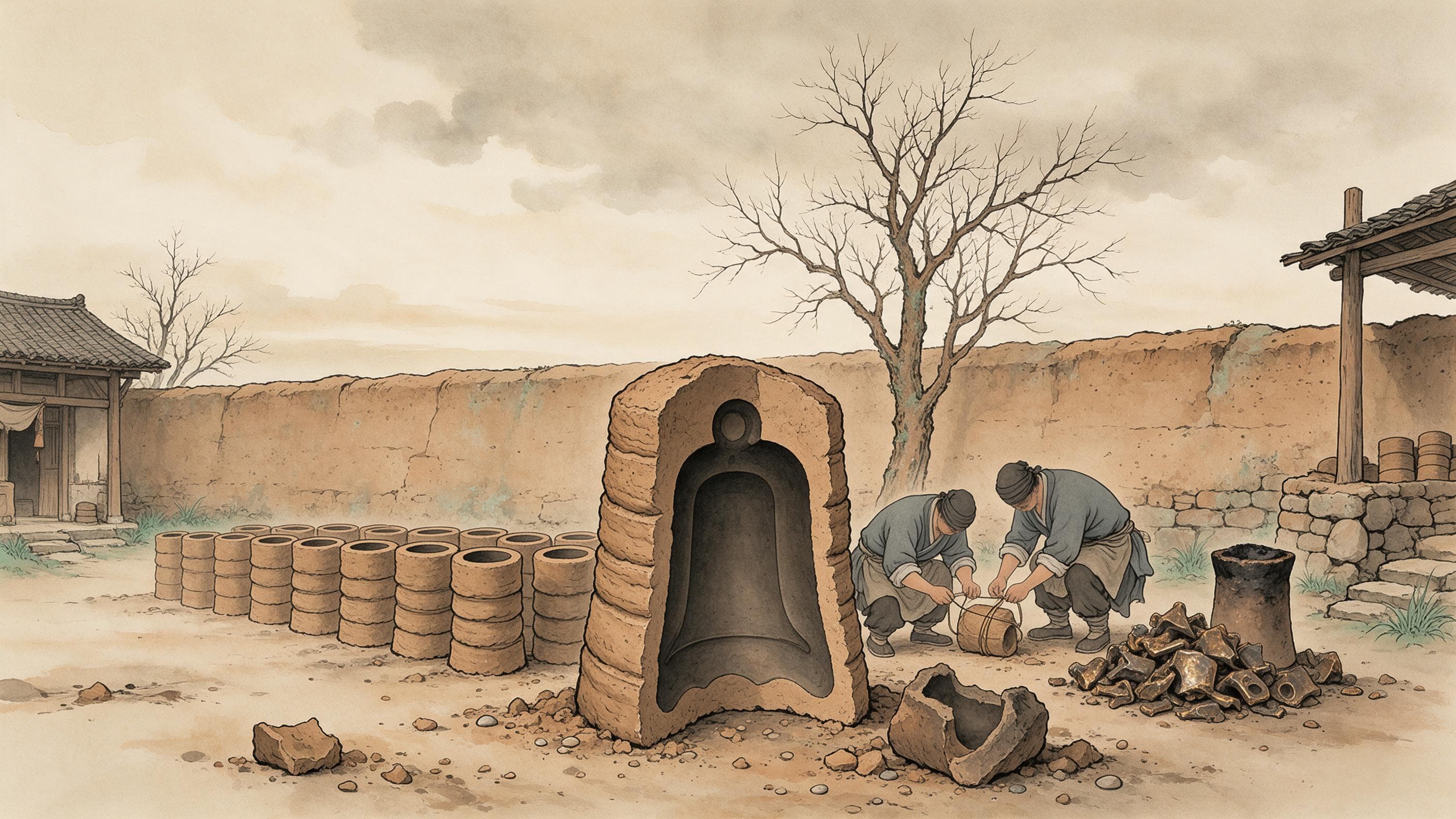
Two years on: 二十三年,王將鑄無射,而為之大林 — cast Wu Yi, and make Da Lin for it. 無射 is a bell and also a pitch; 大林,無射之覆也, the note calls it the bell's cover, generally taken as a casing, its form not described. The second remonstrance opens by pointing at the first: 作重幣以絕民資,又鑄大鍾以鮮其繼 — heavy coin to cut off the people's capital, and a great bell to thin out what follows it; 若積聚既喪,又鮮其繼,生何以殖.
All his arguments about bells are arguments about limit. 且夫鍾不過以動聲 — a bell only sets sound moving; 耳所不及,非鍾聲也. 夫目之察度也,不過步武尺寸之閒; 其察清濁也,不過一人之所勝 — the eye a few feet, the ear no more than one man can lift. So 先王之制鍾也,大不出鈞,重不過石, and from the bell came 律度量衡於是乎生. The note gives 百二十斤為石 for the shi and calls the jun an instrument for tuning, 鈞,所以鈞音之法也; neither figure is converted here. On the present bell: 聽之弗及,比之不度; 鍾聲不可以知和,制度不可以出節; 無益於樂,而鮮民財,將焉用之.
Then the body: 夫耳目,心之樞機也,故必聽和而視正; 聽和則聰,視正則明. The disease is 若聽樂而震,觀美而眩,患莫甚焉. And the sentence that names the pair: 三年之中,而有離民之器二焉 — in three years, two instruments that lose the people; 二,謂作大錢、鑄大鍾也, the note says: the great coin and the great bell. The three years are generally taken as the twenty-first to the twenty-third.
Government Takes Its Image from Music
The king did not listen; he 問之伶州鳩, asked Lingzhou Jiu — 伶 the music officer, 州鳩 the name — and the musician first steps back: 臣之守官弗及也. Then each material gets its work: 琴瑟尚宮,鍾尚羽,石尚角,匏竹利制; 金石以動之,絲竹以行之,詩以道之,歌以詠之,匏以宣之,瓦以贊之,革木以節之. And 故樂器重者從細,輕者從大.
His subject is not the bell. 夫政象樂,樂從和,和從平; 聲應相保曰和,細大不踰曰平. The bell fails three ways: 今細過其主妨於正, 用物過度妨於財, 正害財匱妨於樂; and in two ways of hearing: 細抑大陵,不容於耳,非和也; 聽聲越遠,非平也. Then the sentence that joins sound to money: 夫有和平之聲,則有蕃殖之財 — where the sound is harmonious and even, wealth multiplies. He ends: 若夫匱財用,罷民力,以逞淫心 and 無益於敎,而離民怒神,非臣之所聞也.
The Bell Is in Tune
He cast it: 王不聽,卒鑄大鍾. 二十四年,鍾成,伶人告和. 王謂伶州鳩曰:『鍾果和矣』 — so the bell is in tune after all. 對曰:『未可知也』. 王曰:『何故?』. Because 上作器,民備樂之,則為和; 今財亡民罷,莫不怨恨,臣不知其和也 — when the people are furnished with it and take pleasure in it, that is harmony; now the wealth is gone and the people are worn out and none but resents it.
Then a proverb and the second accounting: 故諺曰:『眾心成城』,『眾口鑠金』 — many hearts make a wall, many mouths melt metal. 三年之中,而害金再興焉,懼一之廢也; 害金,害民之金,謂錢、鍾也 — the note: the metal that harms the people, coin and bell. Shan Mu-gong counted two instruments, Lingzhou Jiu counts harmful metal raised twice: one account, two men. 王曰:『爾老耄矣!何知』 — you are old and confused, what do you know. 二十五年,王崩,鍾不和; 明樂人之諛也, the note adds, to expose the musicians' flattery. The two facts are set side by side, and no cause is claimed here.
The Pitch That Sets the Measure
Only at the end does the page turn to theory. 王將鑄無射,問律於伶州鳩 — the same question again at the head of a new section, generally taken as one occasion recorded twice, not a second asking. 律所以立均出度也; 紀之以三,平之以六,成於十二,天之道也. The six pitches are named, 黃鍾 first, each with a clause — 所以宣養六氣、九德也 down to 無射, 所以宣布哲人之令德,示民軌儀也. Asked about seven pitches, he goes back to 武王's war: 凡人神以數合之,以聲昭之,數合聲和,然後可同也; and closes with four pieces, 羽, 厲, 宣 and 嬴亂, 所以優柔容民也 — to soften and hold the people. What the page will not settle is the coin itself: its weight and its inscription — Wei Zhao's note rejects the guesses, and neither is written here. The Zuo zhuan's twenty-first year of Lord Zhao also has the bell, but no Shan Mu-gong and 泠 for 伶, a variant, so it is not used; Liu Zongyuan's Fei Guoyu has a chapter against this remonstrance, which is a later reading, not evidence. Numbers are copied as they stand and no figure is turned into modern money.
Related reading:Spade, Knife, Ring: What Money Looked Like in the Warring States · Half a Liang: The Weight Written on a Coin · A Deer Hide Worth 400,000 Coins: Han China's Money Experiments
Sources & further reading
- 《国语》卷三·周语下(单穆公谏景王铸大钱、单穆公谏景王铸大钟、景王问钟律于伶州鸠三节;旧题左丘明撰,三国吴韦昭注,注中另夹清人校语;维基文库本,白文加注,页头未标 textquality,未与中华书局点校本复核) — The only source; this article says so and does not set two books against each other. The Hanshu's chapter on food and money repeats this passage and is therefore a copy, not an independent witness. Three linked sections on one page: in the twenty-first year of King Jing a great coin was proposed, and Shan Mu-gong argued that coin is altered only when heaven sends disaster — measure resources and coin, weigh light and heavy, succour the people; if coin is too light, make heavy coin and let the mother weigh against the child; if the heavy cannot be borne, make more light coin but do not abolish the heavy, and let the child weigh against the mother. Abolish the light, he says, and the people lose their capital, the treasury fails, the taking grows heavy, and the people look elsewhere: that is losing them. 'To cut off the people's use to fill the treasury is to dam a river's source into a puddle: its drying is a matter of days.' The king did not listen and cast it. Two years later the great bell: the second remonstrance opens by pointing back at the first, and argues that a bell is limited — the ear takes only what one man can lift, the former kings made bells no greater than a jun and no heavier than a shi, and from the bell came the standards. Then: in three years, two instruments that lose the people (the note: the great coin and the great bell). The king asks Lingzhou Jiu; the musician first declines, then argues that government images music, and that where sound is harmonious and even, wealth multiplies. The bell is finished, the musicians call it in tune, Lingzhou Jiu says it cannot be known, counts harmful metal raised twice (note: coin and bell), and is told he is old and ignorant. In the twenty-fifth year the king dies and the bell is out of tune. The page then records the same exchange again at the head of the next section and goes into pitch. Note layer: Wei Zhao's commentary, with Qing philological notes (《攷異》《發正》 and others) embedded in it; the commentary is cited here as commentary and the Qing notes are not quoted. Page carries the text with notes, no textquality mark.