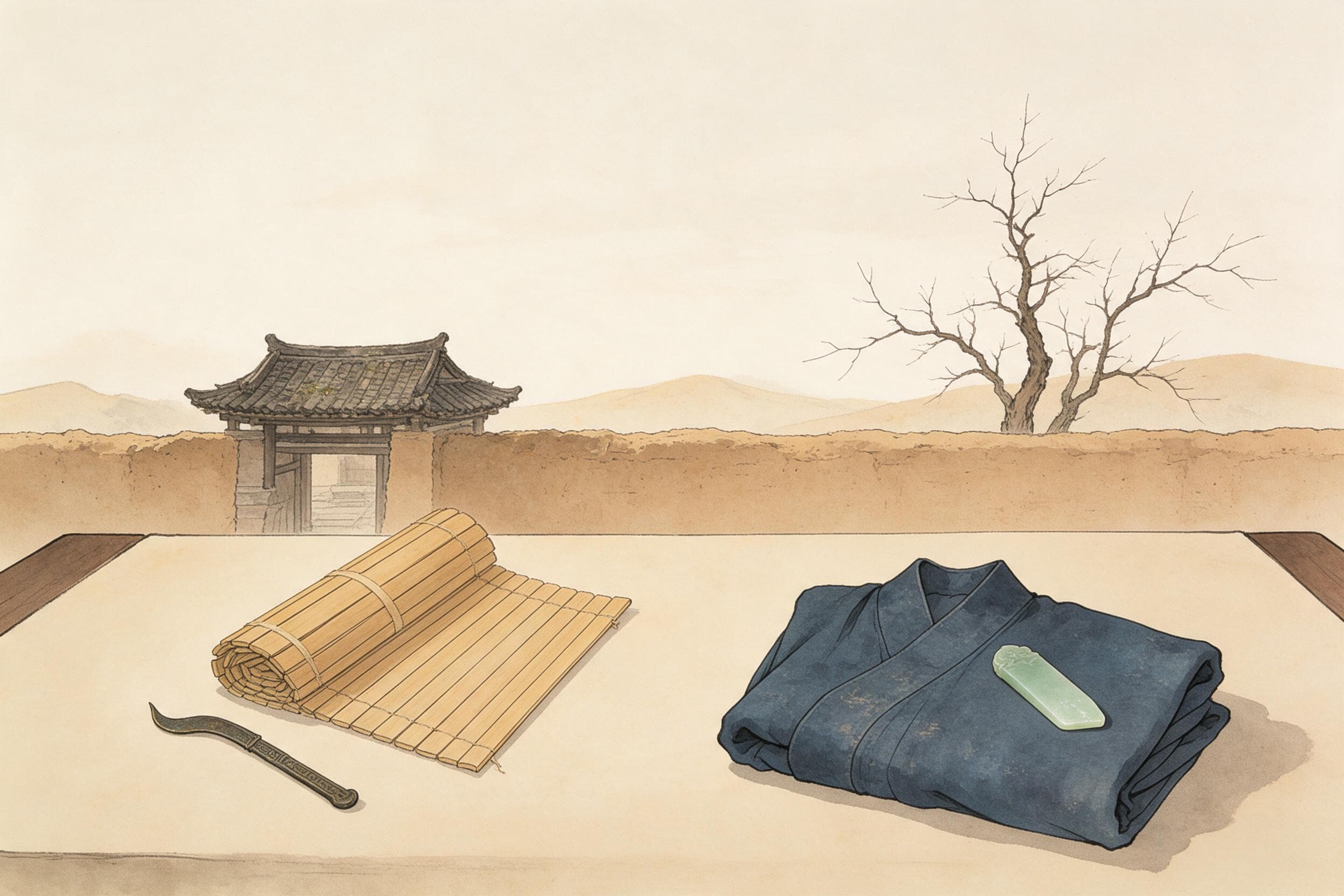
One object, two ways of speaking. One page opens 猷告爾四國多方,惟爾殷侯尹民 — I announce to you of the four states and many regions, to you the Yin lords who govern the people: the 爾 is the Yin themselves. The other opens 命汝尹茲東郊 — I command you to govern this eastern suburb: the 汝 is one man, Jun Chen, and the Yin are only what he has to handle. Their headers also differ, page by page: the Duofang names 姬旦, the old attribution to the duke of Zhou, and belongs with the modern-text Documents; the Junchen names only 梅賾 and belongs with the Mei Ze old-text chapters. The 「forged」 label is the usual scholarly account, not read off either header — neither page carries a 僞 mark.
One: the page addressed to the Yin
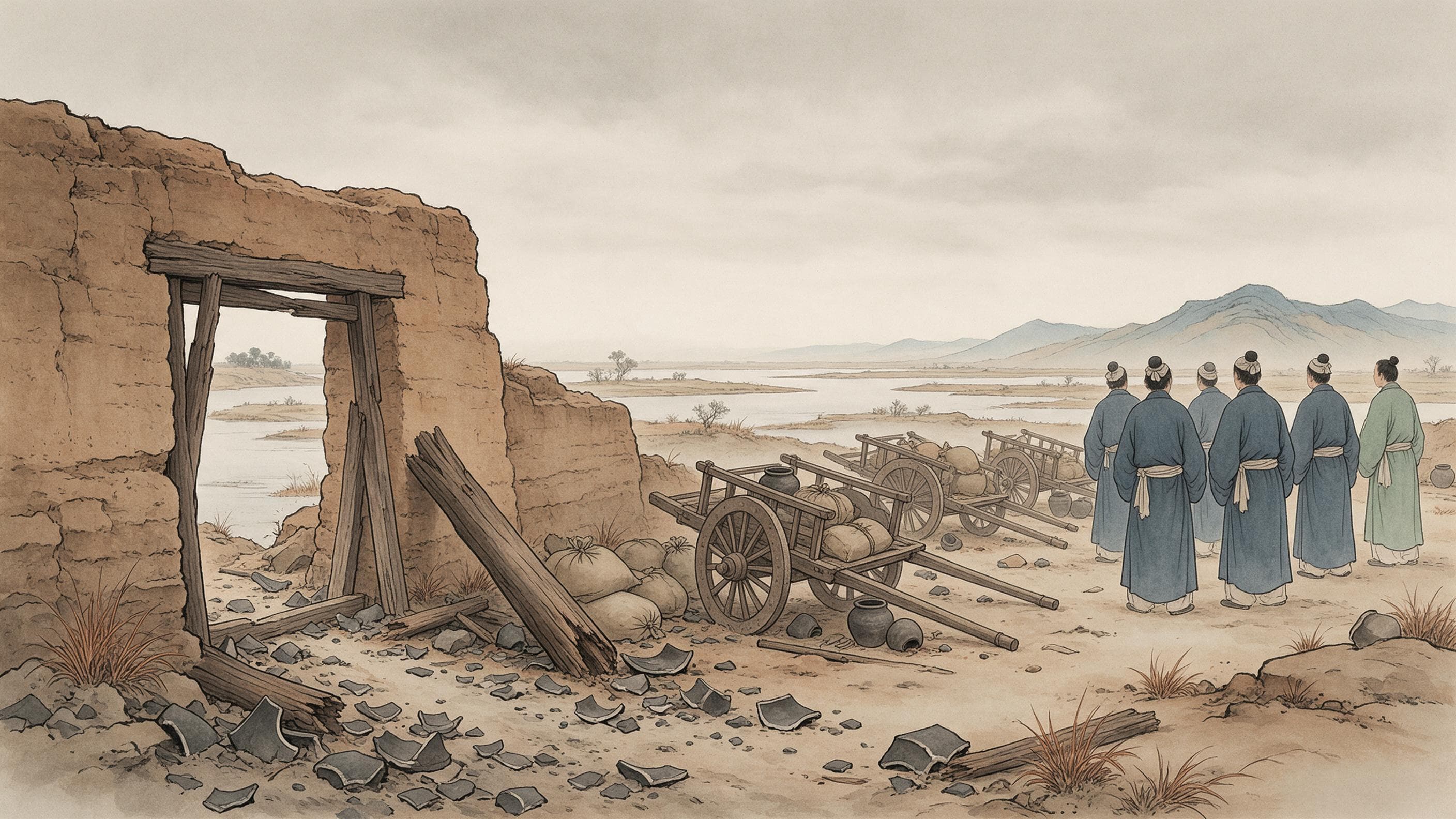
The occasion first: 惟五月丁亥,王來自奄,至于宗周 — in the fifth month, on a ding-hai day, the king came from Yan and arrived at Zongzhou. Then straight to them: 周公曰:「王若曰:猷告爾四國多方,惟爾殷侯尹民」. The argument starts three dynasties back. Xia: 有夏誕厥逸,不肯慼言于民 — it gave itself to ease and would not speak a word of grief to the people; 圖天之命 — it schemed against Heaven's mandate; and so 劓割夏邑 — noses cut, cities cut away, four characters.
Heaven then moved: 天惟時求民主,乃大降顯休命于成湯,刑殄有夏 — Heaven was looking for a lord for the people and sent its bright mandate down on Tang of Cheng. The Shang began well: 以至于帝乙,罔不明德慎罰,亦克用勸 — down to Di Yi none was unclear in virtue or careless in punishment, and they could encourage. Even punishment encouraged: 要囚,殄戮多罪,亦克用勸;開釋無辜,亦克用勸 — to imprison and kill the guilty worked as encouragement, and so did releasing the innocent. So it was not Heaven playing favourites: 非天庸釋有夏,非天庸釋有殷 — Heaven did not cast off Xia, nor cast off Yin. Hence the famous line: 惟聖罔念作狂,惟狂克念作聖 — the sage who does not reflect becomes a madman; the madman who reflects becomes a sage. Heaven waited five years, 天惟五年須暇之子孫, and then gave the charge to Zhou: 簡畀殷命,尹爾多方.
Then the terms, and the plainest sentence in the piece: 今爾尚宅爾宅,畋爾田 — now you may still dwell in your dwellings and farm your fields. Do well and you can rise: 迪簡在王庭. Do not, and there is a ladder: 我惟時其教告之,我惟時其戰要囚之,至于再,至于三。乃有不用我降爾命,我乃其大罰殛之 — first instruction, then seizure and imprisonment, twice, three times, then the great penalty. The close pushes the blame back: 非我有周秉德不康寧,乃惟爾自速辜. The speech also counts the years — 今爾奔走臣我監五祀, five years serving our supervisors — says in three sentences that they should put their own houses in order (自作不和,爾惟和哉), holds out 迪簡在王庭,尚爾事,有服在大僚, and ends with a threat: 離逖爾土 — I shall remove you far from your land — and sixteen characters: 時惟爾初,不克敬于和,則無我怨.
Two: the page addressed to the man in charge
The Junchen goes the other way. It begins with praise: 君陳,惟爾令德孝恭;惟孝,友于兄弟,克施有政 — Jun Chen, it is your fine virtue and your filial reverence; being filial and friendly to your brothers, you can apply it in government. Praise by way of 孝. Then the commission: 命汝尹茲東郊 — govern this eastern suburb. The standard is the duke of Zhou: 懋昭周公之訓. Then the saying: 至治馨香,感于神明;黍稷非馨,明德惟馨 — perfect government is fragrant and moves the spirits; millet is not fragrant, bright virtue is. And six characters on ruler and people: 爾惟風,下民惟草 — you are the wind, the lower people are the grass.
Three: the pivot, 惟厥中
What matters most here is two prohibitions and eight characters: 無依勢作威,無倚法以削 — do not rely on power to make yourself feared, do not lean on law to pare men down; 寬而有制從容以和 — lenient but with measure, composed and so harmonious. Then the pivot: 殷民在辟,予曰辟,爾惟勿辟;予曰宥,爾惟勿宥——惟厥中 — when the Yin are in capital cases, if I say put him to death, do not; if I say pardon him, do not; only take the middle. Below it the rules: 辟以止辟,乃辟 — punish in order to end punishment; 三細不宥, three small offences not pardoned, the page giving no list; and on dealing with people: 爾無忿疾于頑,無求備于一夫,必有忍,其乃有濟;有容,德乃大 — do not be angry at the stubborn, do not demand completeness of one man; with forbearance comes accomplishment, with tolerance virtue grows.
The most political sentence: 爾有嘉謀嘉猷,則入告爾后于內,爾乃順之于外。曰:「斯謀斯猷,惟我后之德。」 — a good plan is brought inside to the ruler, and outside one says: this plan, this counsel, is our lord's virtue. It ends on 終有辭於永世.
Four: two different 爾
So the two 爾 are not the same person. In the Duofang the 爾 is the Yin: instruction, warning, threat, and a long argument about why the mandate moved from Xia to Shang to Zhou, with 乃惟爾自速辜 as its hardest line. In the Junchen the 爾 is one official: command, encouragement, commission, and a long argument about measure, with 惟厥中 as its hardest line. One gives terms — dwell in your dwellings, farm your fields, rise to the royal court; the other gives principles — lenient but with measure, only take the middle. The genres differ too: one is a 誥 in four speeches, the other a 命 in two.
Five: press and lift
The endings are opposite. The harangue ends 離逖爾土 — you will be removed from your land. The commission ends 斯謀斯猷,惟我后之德 — the credit is the ruler's. One presses down, one lifts up. They are not a matching pair, though: one speaks to the Yin, one to the man over them, and reading them as one policy is a mistake. Lines kept apart: another 誥 was given to Kang Shu (article 269) and is not quoted here; 多士 and 多方 are two different chapter names and are not to be confused (article 199 uses 多士); the disposal itself — article 349 — is not this piece, which is only about how people spoke after the disposal was done.
- Two different 爾: the Yin in one page, one official in the other; every quotation that contains 爾 has to say whose it is.
- Headers by page: Duofang names 姬旦, the old attribution, and is modern-text; Junchen names 梅賾 only and is a Mei Ze old-text chapter — 「forged」 is the usual scholarly account, not read off either header, since neither carries a 僞 mark.
- The Duofang page carries heavy editorial brackets — round, angle and curly — none of them part of the text: quotations strip them, and the bracketed readings are neither quoted nor substituted into the text.
- Only one comparison is made — audience, tone, argument — not a history of early Zhou policy toward the Yin; numbers, distribution and land grants are not on either page.
- 民主 means a lord for the people, not modern democracy; 五祀 is generally understood as five years and is copied without conversion; 東郊 is generally connected with Luoyi, marked as the usual view.
- The disposal is not retold — it belongs to another article and none of its names appear here; the commission given to Kang Shu is named once and not quoted; no general essay and no modern comparison.
Two pages under three thousand characters, and two kinds of speech: one tells the Yin they may still dwell in their houses and farm their fields, and ends by taking the land away; one tells an official not to kill when the king says kill but to take the middle, and ends by giving the credit to the king. The same object, pressed and lifted, on paper.
Related reading:The Announcement to Kang: Governing a Place Just Conquered · Records and Statutes: What the Shang Had, and What Survives · Wugeng and the Three Supervisors: The Shang Remnant's Last Rising
Sources & further reading
- 《尚书·多方》(页头署「姬旦」,旧题周公旦;维基文库本,白文无注,正文夹有校读符号,页面标 textquality 50%,未与中华书局点校本复核) — A harangue addressed to the Yin themselves: 猷告爾四國多方,惟爾殷侯尹民. The page carries a layer of editorial brackets — (鄙)(狎)(廞), 〈氏〉〈冞〉, {介} and others — which are proposed readings, not text; quotations strip them, and no bracketed character is either quoted or substituted. The argument: 有夏誕厥逸,不肯慼言于民; 圖天之命 (the page has 圖(鄙)天之命); 劓割夏邑; 天惟時求民主,乃大降顯休命于成湯; 以至于帝乙,罔不明德慎罰,亦克用勸; 要囚,殄戮多罪,亦克用勸;開釋無辜,亦克用勸; 非天庸釋有夏,非天庸釋有殷; 惟聖罔念作狂,惟狂克念作聖; 天惟五年須暇之子孫; 簡畀殷命,尹爾多方. Terms and threat: 今爾尚宅爾宅,畋爾田; 迪簡在王庭; 我惟時其教告之,我惟時其戰要囚之,至于再,至于三。乃有不用我降爾命,我乃其大罰殛之; 非我有周秉德不康寧,乃惟爾自速辜; 今爾奔走臣我監五祀; 自作不和,爾惟和哉; 離逖爾土; 時惟爾初,不克敬于和,則無我怨.
- 《尚书·君陈》(页头只署「梅賾」,无「(僞)」标记;维基文库本,白文无注,页面标 textquality 50%,未与中华书局点校本复核) — This header differs from the other page: 梅賾 only, no 僞, no 古文尚書 — the 「forged」 label is the usual scholarly account, not read off the header. The commission: 君陳,惟爾令德孝恭;惟孝,友于兄弟,克施有政; 命汝尹茲東郊; 懋昭周公之訓; 至治馨香,感于神明;黍稷非馨,明德惟馨; 爾惟風,下民惟草. The charge: 無依勢作威,無倚法以削; 寬而有制從容以和 (the page has no comma between 制 and 從容); 殷民在辟,予曰辟,爾惟勿辟;予曰宥,爾惟勿宥——惟厥中; 辟以止辟,乃辟; 三細不宥; 爾無忿疾于頑,無求備于一夫,必有忍,其乃有濟;有容,德乃大. The political advice: 爾有嘉謀嘉猷,則入告爾后于內,爾乃順之于外。曰:「斯謀斯猷,惟我后之德。」 And the close: 終有辭於永世.