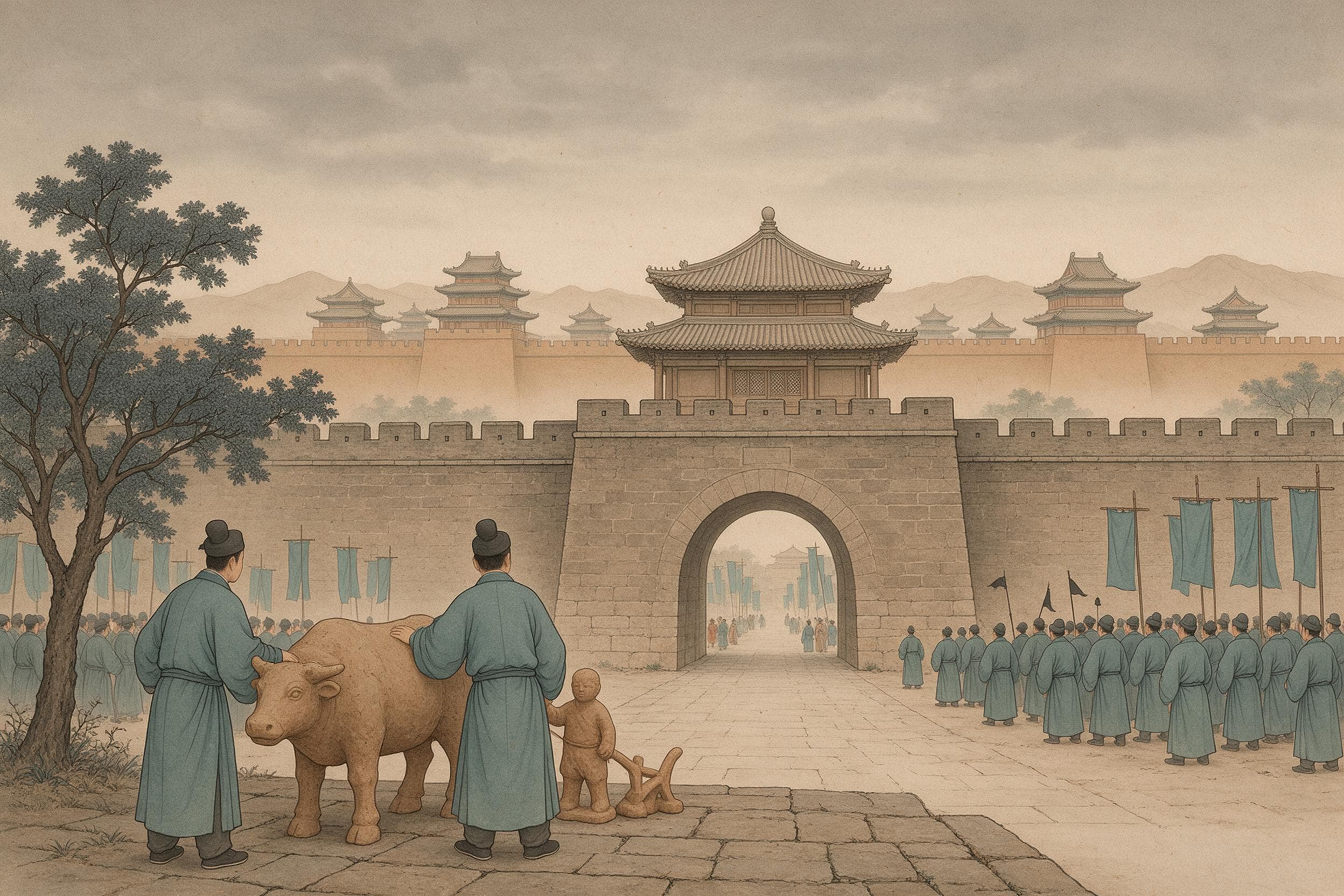
In the last five marks of the night watch, before the water clock had run out, the capital changed colour. 立春之日,夜漏未盡五刻,京師百官皆衣青衣 — on the first day of spring every official in the capital put on blue-green; and further down the scale, 郡國縣道官下至斗食令史皆服青幘,立青幡,施土牛耕人於門外,以示兆民至立夏,唯武官不 — clerks down to the grain-measure rank wore blue-green caps, blue-green banners went up, and a clay ox and clay ploughman were set outside the gates to show the people, and so it stayed until the first day of summer, except for the military. This article uses two chapters of the Hou Hanshu, the treatise on ritual, upper and lower: one book's two chapters, not two independent documents. They record the forms of rites — 故記施行威儀,以為禮儀志 — and not a year in which anyone did all this.
One: the upper chapter, and the first day of spring
The same day carried a decree: 制詔三公:方春東作,敬始慎微,動作從之。罪非殊死,且勿案驗,皆須麥秋。退貪殘,進柔良 — the spring work is beginning, be careful in small things; offences short of capital are not to be tried, and must wait for the wheat harvest; put back the greedy and cruel, advance the gentle and good. The note keeps the decree's end: 建安二十二年二月壬申,詔書絕,立春寬緩詔書不復行 — under the last emperor it stopped being issued.
Then a route through the first month: 正月上丁,祠南郊, and when that rite was done, in order, 北郊,明堂,高廟,世祖廟,謂之五供; and when the five offerings were done, 以次上陵, the imperial tombs. The people who assembled there are listed — officials, the women of the four related families, princesses, the grandees of the royal houses, the foreign envoys' sons at court, the commandery accountants. Then the hardest line in either chapter: 郡國上計吏以次前,當神軒佔其郡國谷價,民所疾苦,欲神知其動靜 — the accountants came forward one by one and declared before the spirit seat the grain prices of their commanderies and the hardships of the people, so that the spirits should know how things stood. In the eighth month they came again to pour the new wine, 禮亦如之. Fasting was graded too: 天地七日,宗廟、山川五日,小祠三日.
Two: ploughing in the first month
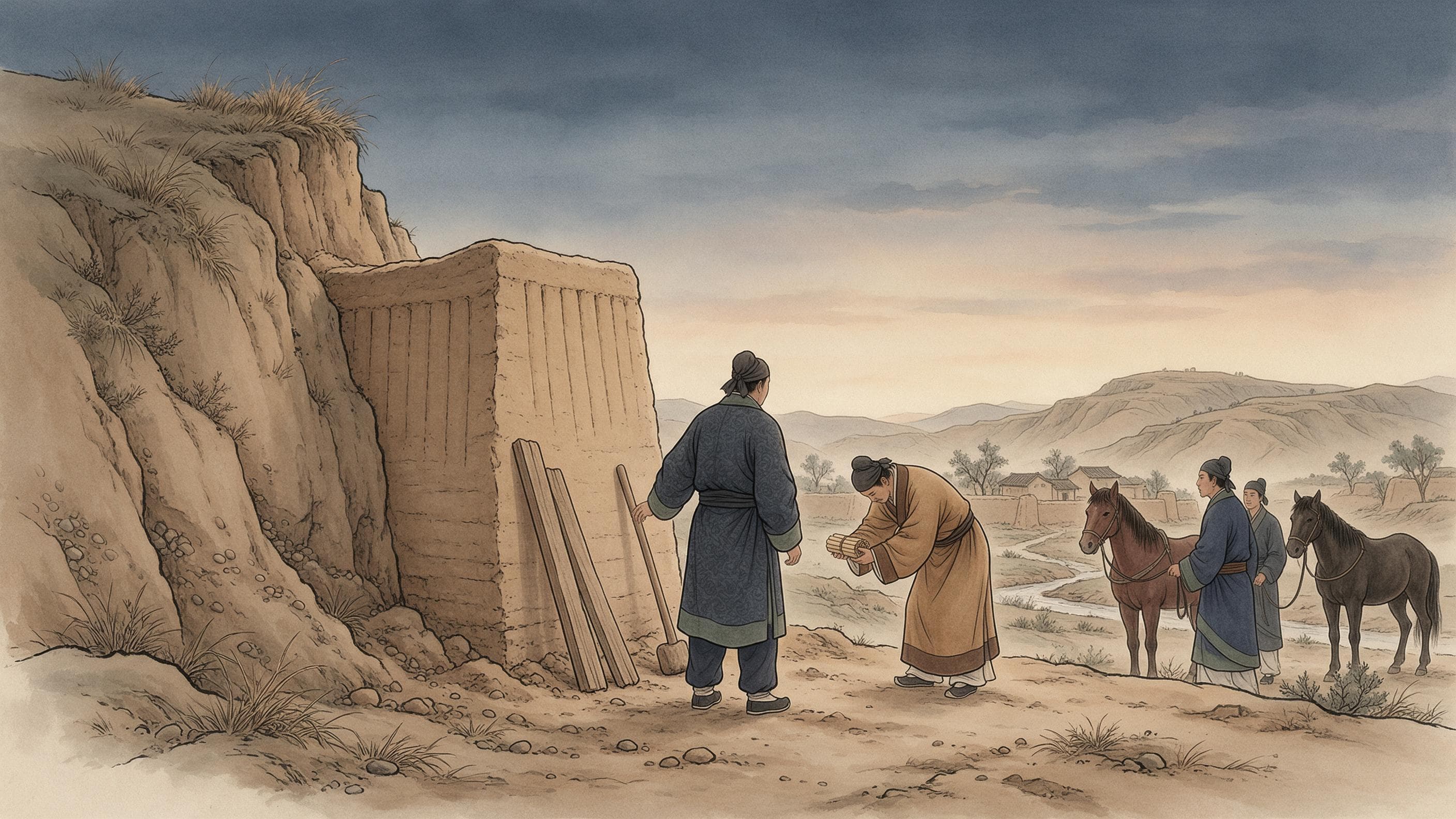
正月始耕。晝漏上水初納,執事告祠先農,已享……天子、三公、九卿、諸侯、百官以次耕 — the emperor, the three excellencies, the nine ministers, the marquises and the officials ploughed in order. The number of pushes was fixed, in Zheng Xuan's note: 天子三推,公五推,卿、諸侯九推,庶人終於千畝 — three pushes for the Son of Heaven, five for a duke, nine for a minister or marquis, the commoners finishing the thousand mu. The note also says what the field was for: 種百谷萬斛, a granary built for it with its own officials, and the grain 以為粢盛, kept for the offerings to Heaven and Earth, the temple and the gods. Gan Bao's note gives three reasons in three lines: 一曰,以奉宗廟,親致其孝也;二曰,以訓於百姓在勤,勤則不匱也;三曰,聞之子孫,躬知稼穡之艱難.
Three: mid-spring and the third month
仲春之月,立高禖祠於城南,祀以特牲 — in mid-spring a shrine for asking sons was set up south of the city, with a single victim. The note quotes Mao Chang's commentary for the action of the day: 玄鳥至之日,以太牢祀於郊禖,天子親往,后妃帥九嬪御,乃禮天子所御,帶以弓韣,授以弓矢 — on the day the swallow arrives, with the great offering, at the suburban shrine; the emperor goes in person, the empress leads the nine consorts, and the women the emperor has favoured are given a bow-case and a bow with arrows. The same note explains the name: 高,尊也。禖,祀也; quotes Shuxi: 高禖者,人之先也。故立石為主 — a stone set up as the seat; and attaches the rite to 契母簡狄, the mother of Xie, which is the commentator's work, not the rite's.
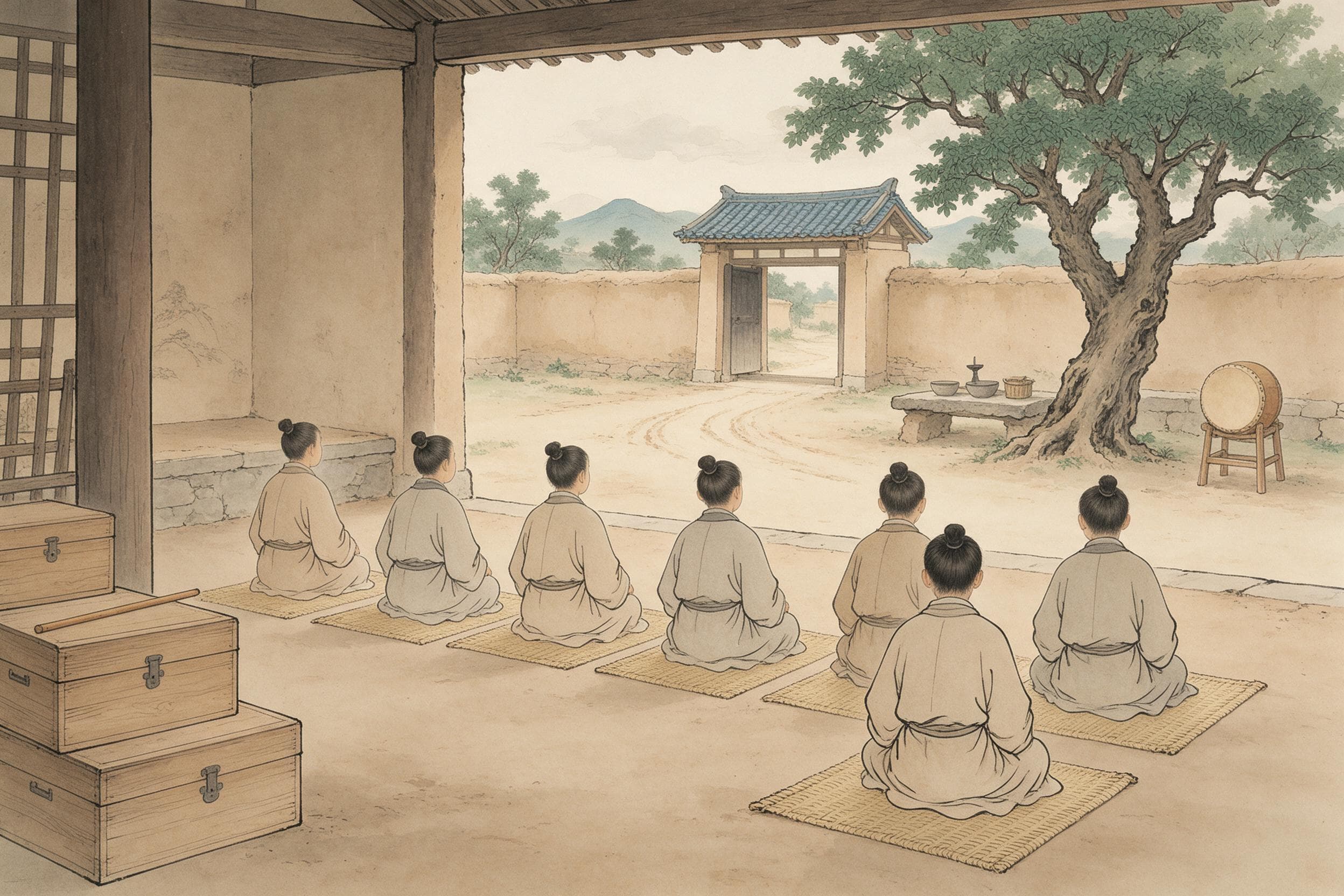
In the third month the aged were feasted at the Biyong — the one dated entry in either chapter: 明帝永平二年三月,上始帥群臣躬養三老、五更於辟雍。行大射大禮. The pair were chosen from retired grandees: 用其德行年耆高者一人為老,次一人為更 — the one of highest conduct and years for Elder, the next for Experienced. They wore 都紵大袍單衣,皁緣領袖中衣,冠進賢,扶王杖, and 五更亦如之,不杖 — the Experienced did not carry the staff. That day the emperor waited at the gate screen: 天子迎於門屏,交禮,道自阼階,三老升自賓階, and at the step 天子揖如禮. Then 天子親袒割牲,執醬而饋,執爵而酳,祝鯁在前,祝饐在後 — the emperor bared his arm and cut the meat, handed the sauce, handed the cup, with one man in front to warn of choking and one behind to warn of stoppage. The Elder did not bow back; the note gives Dong Jun's argument, 養三老,所以教事父之道也。若荅拜,是使天下荅子拜也 — to make him bow back would be to make the realm bow to a son — and the throne followed Dong Jun. 明日皆詣闕謝恩: they came to the palace next day to thank him.
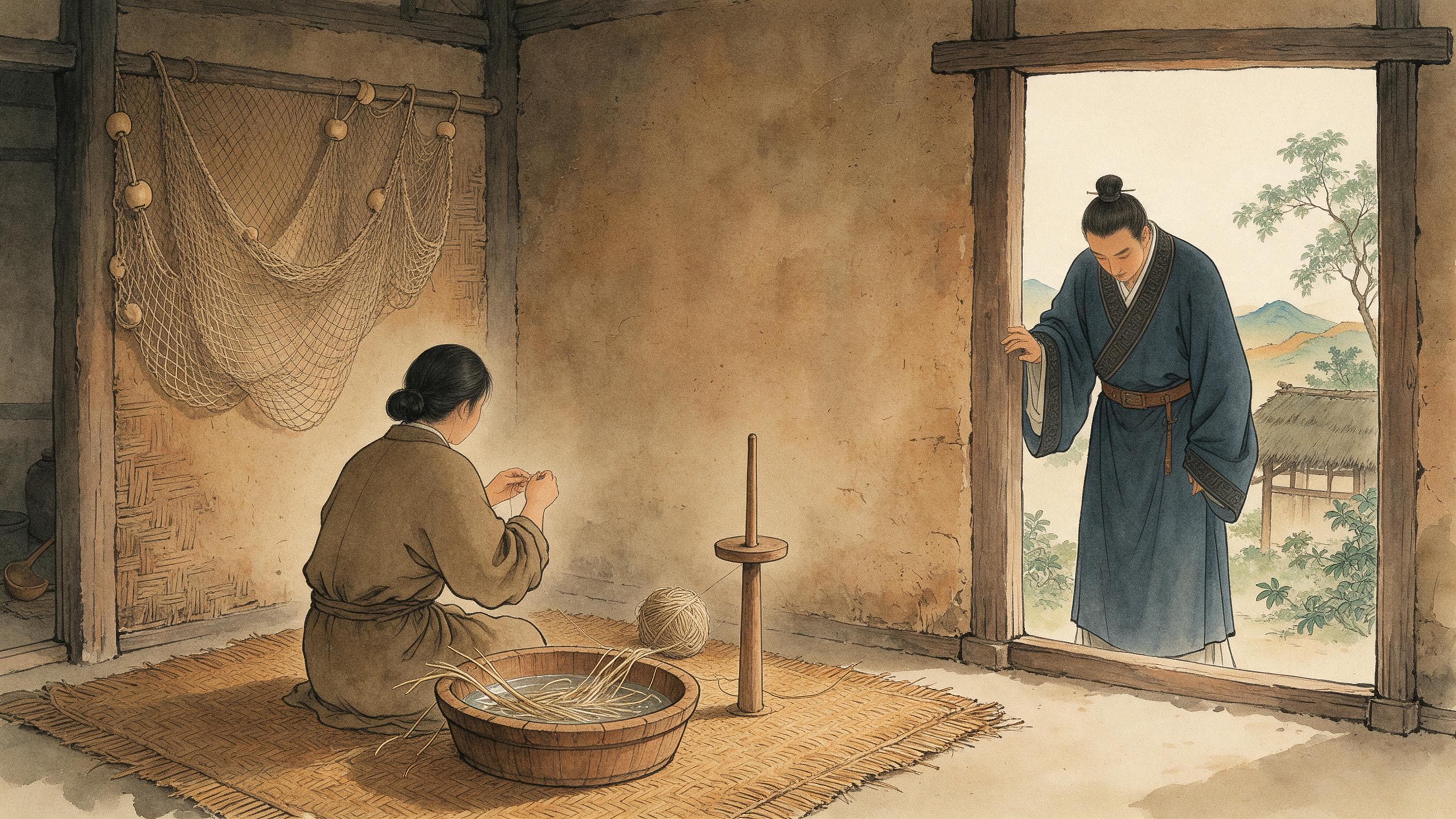
In the same month the empress led the wives to the silkworms: 是月,皇后帥公卿諸侯夫人蠶。祠先蠶,禮以少牢 — a lesser offering. The note quotes Ding Fu's Han ritual for the procession: 皇后出,乘鸞輅,青羽蓋,駕駟馬,龍旗九旒, then 桑於蠶宮,手三盆於繭館 — the empress picks mulberry in the silkworm palace and works three basins of cocoons with her own hands. The silkworm gods have names: 祭蠶神曰菀窳婦人、寓氏公主,凡二神. The silk went to the weaving house 以作祭服, for sacrificial robes. And the month is disputed: the text says this month, the note quotes Gu Yong that 四月壬子,皇后蠶桑之日也 — two dates side by side, and this article does not choose.
Four: the lower chapter, and one man's end
The lower chapter begins with the emperor ill. The medicine is tasted first: 嘗藥監、近臣中常侍、小黃門皆先嘗藥,過量十二 — the tasting officer, the close ministers, the regular attendants, the junior eunuchs, twelve doses over. Prayers go out separately: 太尉告請南郊,司徒、司空告請宗廟,告五嶽、四瀆、群祀,並禱求福. On the day of death 三公奏尚書顧命,太子即日即天子位於柩前 — the crown prince takes the throne that same day, before the coffin; and the grand commandant, 讀策畢,以傳國玉璽綬東面跪授皇太子, kneels and hands over the seal and cord.
Mourning came in three layers: 天下吏民發喪臨三日 for the officials and people of the realm; 百官五日一會臨 for the hundred officials; 先葬二日,皆旦晡臨 for the two days before burial. The dress was counted in days: 大紅十五日,小紅十四日,纖七日,釋服, and the note quotes Ying Shao, 凡三十六日而釋服 — thirty-six days and it comes off. The funeral itself is an inventory. The exorcist goes first: 方相氏黃金四目,蒙熊皮,玄衣朱裳,執戈揚楯,立乘四馬先驅 — four golden eyes, a bear's skin, a halberd and a shield. The banner 長三仞,十有二游,曳地, and on the streamer 天子之柩. The pull-rope 長三十丈,大七寸為挽,六行,行五十人 — six rows of fifty; the orphans of the palace guard and the Ba-Yu singers 六十人,為六列. Gifts go into the shaft: 贈王珪長尺四寸, the cloth 玄三纁二,各長尺二寸, and 投鴻洞中,三 — cast three times. The tablet is 桑木主尺二寸,不書謚. And below the emperor the grades are named: 諸侯王、列侯、始封貴人、公主薨,皆令贈印璽、玉柙銀縷, while 大貴人、長公主銅縷 — jade suits sewn with silver thread for kings, with copper for the great ladies.
Five: how the two chapters work, and where they stop
- One book, two chapters: the treatise on ritual, upper and lower. The middle chapter, part five, is not in this round's sources, so everything after the first day of summer — rain prayers, the exorcism, the la, the investitures of empress and crown prince — is absent here.
- The treatise is a rulebook, not a year: only the care of the aged carries a date (the third month of Yongping 2), and the rest is 故事, old practice and ritual notes, not a report that every year did this.
- Colours, sequences and numbers are copied as written: 青幘, 青幡, the clay ox and ploughman, three, five and nine pushes, 萬斛, fifteen, fourteen and seven days, thirty-six days, six rows of fifty, three ren and twelve streamers — no conversion; objects are named only, never described.
- Text and note are separate layers: the push counts, the three reasons for the ploughing, the bow-case, the two silkworm goddesses, the Elder not bowing back, the thirty-six days are all in Li Xian's commentary and are marked as such.
- The Three Elders and Five Experienced appear only on that one day at the Biyong; staffs, cloth and exemption from service belong to the article on the care of the aged. The purification at the end of the upper chapter belongs to the Shangsi and Lanting line, and is not opened here.
- Lines kept apart: the Song spring-ox, the estate calendar, the great exorcism and the scholar's mourning rites are other articles; no general essay on ritual, and no comparison with later dynasties.
A year that begins in one colour — caps, banners, a clay ox and ploughman at the gate until summer — passes through counted pushes, accountants declaring grain prices to a spirit seat, two men standing by to keep an old man from choking, and three basins of cocoons, and ends with thirty-six days of mourning and an inventory of grave goods. The rules are exact and the years are almost absent, because this was never a record of one year.
Related reading:The Great Exorcism: Driving Pestilence Out of the Palace on the Year's Last Night · The Taichu Calendar: Twenty-odd Men and a One-Line Rule · The Call from the Roof: A Death, Step by Step
Sources & further reading
- 《后汉书》志第四·礼仪上(南朝宋范晔撰,唐李贤等注;维基文库本,白文+注,页头标 textquality 25%,未与中华书局点校本复核) — One book's ritual treatise: 夫威儀,所以與君臣,序六親也……故記施行威儀,以為禮儀志. The first day of spring: 立春之日,夜漏未盡五刻,京師百官皆衣青衣,郡國縣道官下至斗食令史皆服青幘,立青幡,施土牛耕人於門外,以示兆民至立夏,唯武官不; and the decree 方春東作……罪非殊死,且勿案驗,皆須麥秋, with 獻帝起居注's note that 建安二十二年二月壬申,詔書絕,立春寬緩詔書不復行. The first month: 五供 (南郊, 北郊, 明堂, 高廟, 世祖廟) then 上陵, where 郡國上計吏以次前,當神軒佔其郡國谷價,民所疾苦,欲神知其動靜; 八月飲酎,上陵,禮亦如之; fasting 天地七日,宗廟、山川五日,小祠三日. Ploughing: 正月始耕, 天子、三公、九卿、諸侯、百官以次耕, and Zheng Xuan's note 天子三推,公五推,卿、諸侯九推,庶人終於千畝, the granary and 粢盛, Gan Bao's three reasons. Gao-mei: 仲春之月,立高禖祠於城南,祀以特牲, and the note's 帶以弓韣,授以弓矢, 高,尊也。禖,祀也, 立石為主. Care of the aged, the one dated entry: 明帝永平二年三月,上始帥群臣躬養三老、五更於辟雍, the clothing 都紵大袍單衣……冠進賢,扶王杖, 天子親袒割牲,執醬而饋,執爵而酳,祝鯁在前,祝饐在後, and the note on not bowing back (若荅拜,是使天下荅子拜也). Silkworms: 是月,皇后帥公卿諸侯夫人蠶。祠先蠶,禮以少牢, the note's 手三盆於繭館, 祭蠶神曰菀窳婦人、寓氏公主,凡二神, 織室以作祭服, and the note's competing date 四月壬子. The page's transcription uses 谷 for 穀, 腢 for 群, 獄 for 嶽 and carries correction marks (e.g. 扶*(玉)**[王]*杖); quotations here follow the usual characters.
- 《后汉书》志第六·礼仪下(南朝宋范晔撰,唐李贤等注;维基文库本,白文+注,页头标 textquality 25%,未与中华书局点校本复核) — The great mourning: 嘗藥監、近臣中常侍、小黃門皆先嘗藥,過量十二; 太尉告請南郊,司徒、司空告請宗廟,告五嶽、四瀆、群祀,並禱求福; 三公奏尚書顧命,太子即日即天子位於柩前; 讀策畢,以傳國玉璽綬東面跪授皇太子. Mourning orders: 天下吏民發喪臨三日; 百官五日一會臨; 先葬二日,皆旦晡臨; 大紅十五日,小紅十四日,纖七日,釋服, with Ying Shao's note 凡三十六日而釋服. The funeral: 方相氏黃金四目,蒙熊皮,玄衣朱裳,執戈揚楯,立乘四馬先驅; 旗之制,長三仞,十有二游,曳地……書旐曰「天子之柩」; 長三十丈,大七寸為挽,六行,行五十人; 羽林孤兒、巴俞擢歌者六十人,為六列; 贈王珪長尺四寸; 玄三纁二,各長尺二寸; 投鴻洞中,三; 桑木主尺二寸,不書謚; 諸侯王、列侯、始封貴人、公主薨,皆令贈印璽、玉柙銀縷; 大貴人、長公主銅縷; and the closing 贊 大禮雖簡,鴻儀則容. The page's transcription uses 腢 for 群 and carries correction marks; quotations follow the usual characters.