The chapter begins with a silence: 王宅憂亮,陰三祀。既免喪,其惟弗言 — the king dwelt in mourning and kept the obscurity for three sacrificial years; when the mourning was put off he still did not speak. 亮陰 is generally understood as keeping silent through the mourning; 三祀 is copied as it stands, not turned into a modern date. Two pages carry the rest, and their headers are not alike: the upper names 梅賾 and carries 僞 and 古文尚書; the lower names 梅賾 and nothing else. Both belong to the Mei Ze old-text Documents, and this article reads them as later composition, not a Shang record.
One: three years without a word
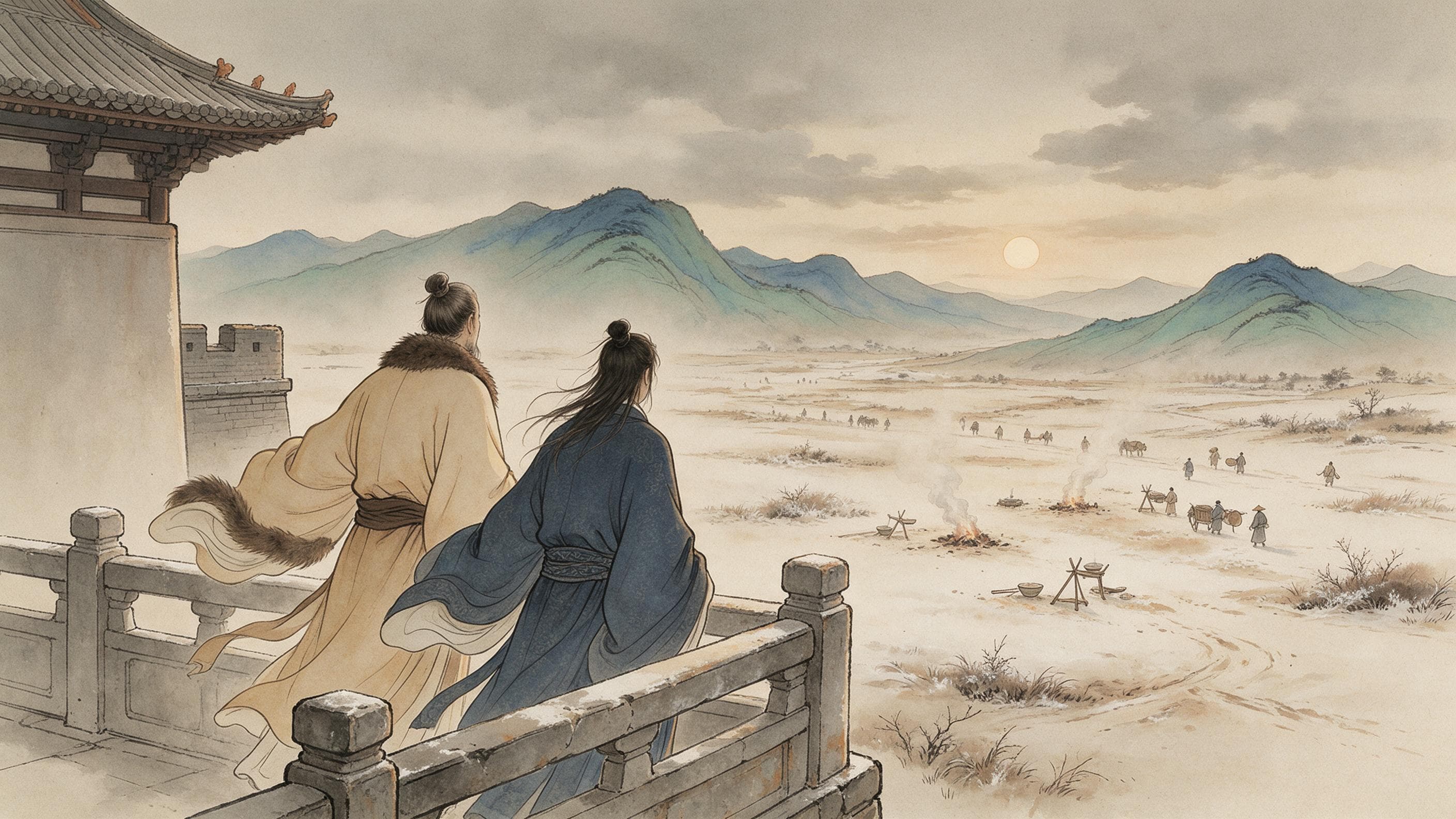
The ministers move first: 群臣咸諫于王,曰:「嗚呼!知之曰明哲,明哲實作則。天子惟君萬邦,百官承式。」 To know is to be clear-sighted, and the clear-sighted make the standard; the Son of Heaven is lord of the ten thousand states, and the hundred officers take their model from him. Then the practical line: 王言惟作命,不言,臣下罔攸稟令 — the king's words make commands; if he does not speak, those below have nothing to receive.
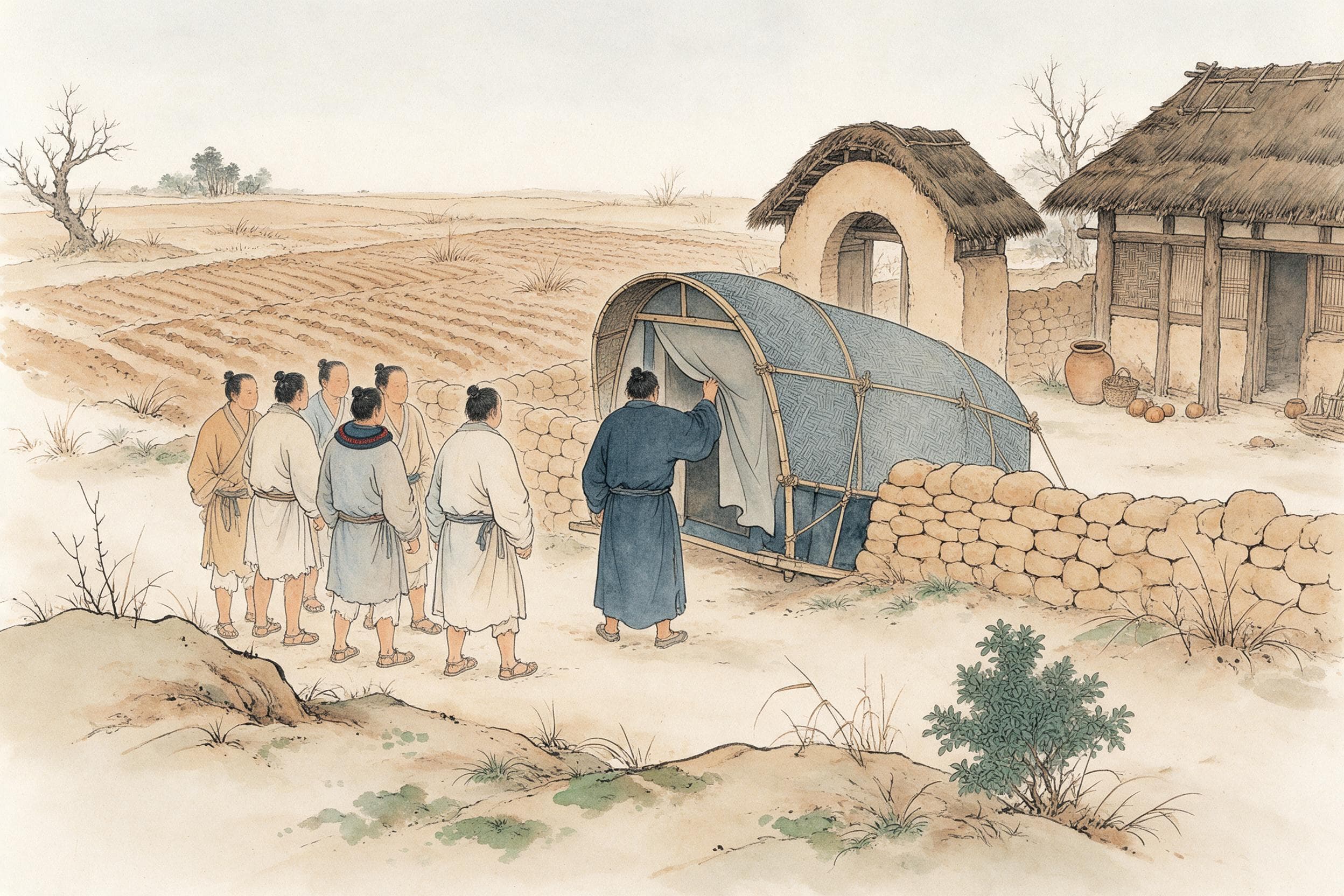
So he issues a written proclamation: 以台正于四方,台恐德弗類,茲故弗言。恭默思道 — 台 is I; with myself I would set the four quarters right, but I fear my virtue is not of their kind, and that is why I do not speak; reverently and in silence I pondered the way. Then the dream: 夢帝賚予 — and here the page carries a variant note, 一作「于」 — 良弼,其代予言: in a dream God gave me a good helper, who shall speak in my place. It is the king's own account of a dream; the page goes no further, and neither does this article — no theology of 帝, no 「and then God…」.
Two: how a dream becomes a man
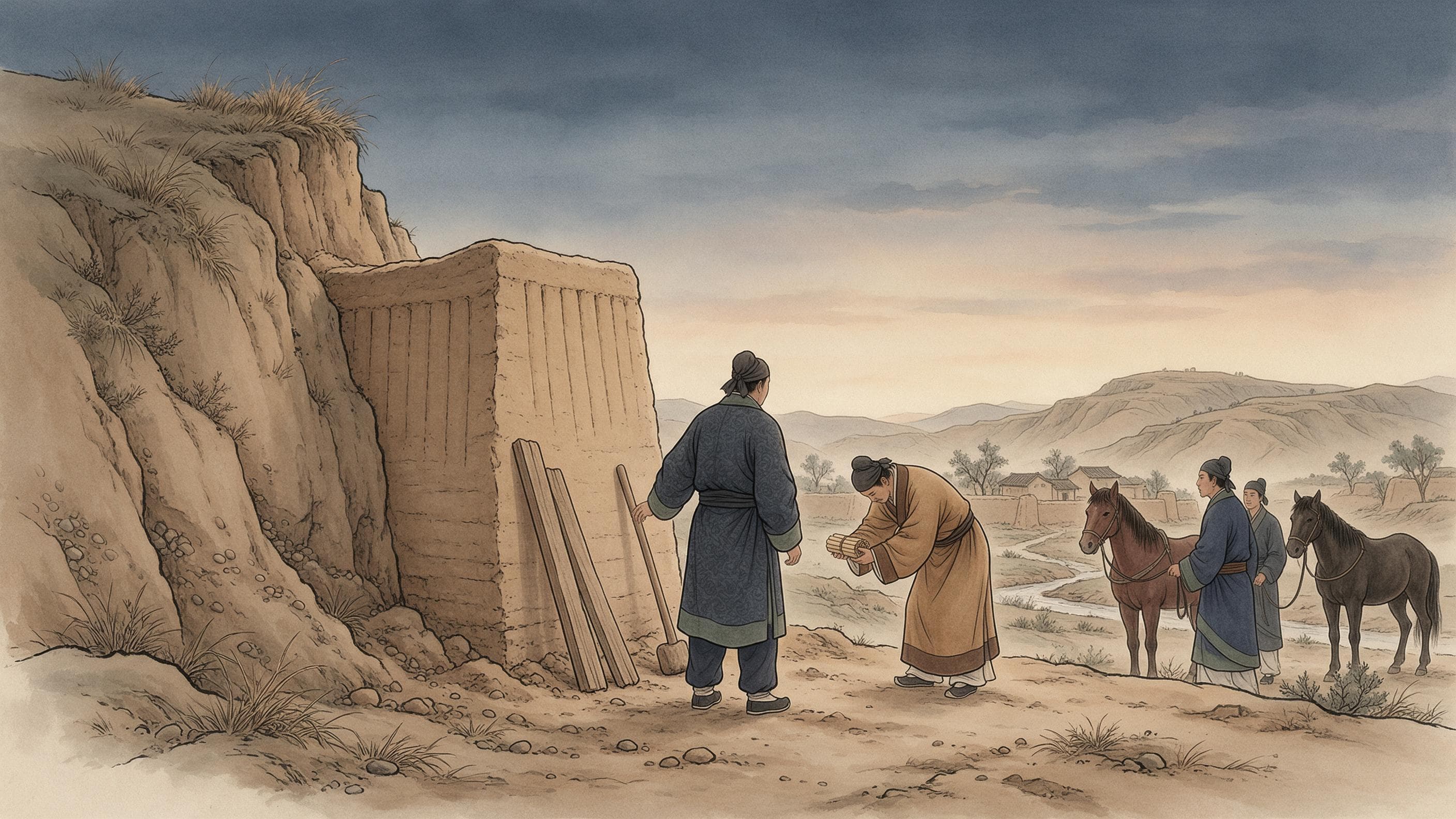
Three sentences follow. 乃審厥象,俾以形旁求于天下 — he had the likeness examined and sent men to seek that shape through the world. 說筑傅巖之野,惟肖 — Yue was building a wall in the wilds of Fuyan, and he matched. 爰立作相,王置諸其左右 — so he was made minister and placed at the king's side. 筑 is generally taken as rammed-earth wall building; Fuyan is only a place name, and where it was the page does not say. The search, the finding, the appointment: nine characters.
Three: five similes in a charge
The charge is a run of comparisons: 朝夕納誨,以輔臺德; then 若金,用汝作礪 — if it be metal, I use you as the whetstone; 若濟巨川,用汝作舟楫 — to cross a great river, I use you as boat and oars; 若歲大旱,用汝作霖雨 — in a year of great drought, I use you as the long rain; 啟乃心,沃朕心,若藥弗瞑眩,厥疾弗瘳 — open your heart and pour it into mine; if the medicine does not make the head swim, the sickness is not cured; 若跣弗視地,厥足用傷 — barefoot and not looking at the ground, the feet will be hurt. Metal and whetstone, river and boat, drought and rain, medicine and dizziness, bare feet and looking down.
Then the charge to the colleagues: 惟暨乃僚,罔不同心,以匡乃辟 — with your officers, all of one mind, to correct your lord; 俾率先王,迪我高后,以康兆民; 欽予時命,其惟有終. Yue answers with one carpenter's image: 惟木從繩則正,后從諫則聖。后克聖,臣不命其承,疇敢不祗若王之休命 — wood follows the ink-line and is straight; a ruler follows remonstrance and is sage; and if the ruler is sage, his servants take up the work without being commanded, and who would not reverently obey the king's good command? The upper chapter ends there.
Four: yeast, salt and plum
The lower page opens 王曰:「來!汝說」 — Come, Yue. It does not follow on: between the two pages stands the whole middle chapter, 說命中, which is not among this round's sources and is not used here, so 疇敢不祗若王之休命 and 來!汝說 must not be read as one exchange. The king continues with his own history: 臺小子舊學于甘盤,既乃遯于荒野,入宅于河。自河徂亳,暨厥終罔顯 — I studied of old under Gan Pan, then withdrew to the wilds, dwelt by the river, went from the river to Bo, and to the end never became illustrious; 爾惟訓于朕志. Then the two similes of this page: 若作酒醴,爾惟麴糵 — to brew wine, you are the yeast; 若作和羹,爾惟鹽梅 — to make the blended broth, you are salt and plum; 爾交修予,罔予棄,予惟克邁乃訓.
Yue answers in three steps. 人求多聞,時惟建事。學于古訓,乃有獲。事不師古,以克永世,匪說攸聞 — men seek wide hearing in order to build affairs; learning from the ancient instructions is how one gains; to do without a model from antiquity and still last through the ages is something I have never heard of. 惟學遜志,務時敏,厥修乃來 — in learning let the aim be lowly and the work timely, and the cultivation comes. 惟斆學半,念終始典于學,厥德修罔覺 — teaching is half of learning; keep the beginning and end on learning, and the growth of virtue goes unnoticed. Then 監于先王成憲,其永無愆 and 旁招俊乂,列于庶位. Three of these lines — 惟斆學半, 念終始典于學, 務時敏,厥修乃來 — are also quoted in the Record of Learning as words of the 兌命; that article reads them as quotations inside a text about schools, this one reads them as Yue's own words, and the school system is not opened here.
Five: Yi Yin held up as a measure
The king's last speech holds up Yi Yin. 四海之內,咸仰朕德,時乃風。股肱惟人,良臣惟聖 — the four seas look up to my virtue, and that is your wind and teaching; the limbs depend on the man, the good minister on the sage. Then the former upright one: 昔先正保衡,作我先王,乃曰:「予弗克俾厥后惟堯、舜,其心愧恥,若撻于市。」 — if I cannot make my lord Yao and Shun, my heart is ashamed as if I were beaten in the market; 一夫不獲,則曰:「時予之辜」 — if one man is not settled, it is my fault. 保衡 is generally understood to be Yi Yin, and here the king quotes him as a measure, not as the story of the regency. Then 佑我烈祖,格于皇天。爾尚明保予,罔俾阿衡,專美有商 — do not let A Heng alone have the beauty of serving Shang; and the pair 惟后非賢不乂,惟賢非后不食 — a ruler without a worthy is not governed, a worthy without a ruler does not eat. The chapter closes with 其爾克紹乃辟于先王,永綏民, and Yue 拜稽首, answering 敢對揚天子之休命.
- The two headers are not alike: the upper page names 梅賾 and carries 僞 and 古文尚書; the lower names 梅賾 alone. Both are Mei Ze old-text chapters, read here as later composition, not a Shang record.
- The end of the upper chapter and the start of the lower are not continuous: the middle chapter, 說命中, stands between them and is not among this round's sources, so they are not read as one exchange.
- 夢帝賚予…良弼 is the king's own account of a dream, kept to 「God gave me a good helper」: no theology of 帝, and not treated as a historical event.
- 保衡 and 阿衡 are generally understood as Yi Yin; the lower chapter quotes him as a measure set for Yue, not as the story of the regency.
- Three lines of the lower chapter are also quoted in the Record of Learning as words of the 兌命; this article keeps them and notes the double use once, without opening the school system.
- The two pages come to under seven hundred characters: of Fu Yue the text gives only 筑傅巖之野, and this article adds no birthplace, age or later career; 台, 朕 and 予 are copied as they stand, and 三祀 is not converted.
A chapter that opens in silence and ends in speech: a proclamation, a charge, a reply, an instruction, with eight similes in between — whetstone, boat, rain, medicine, bare feet, yeast, salt and plum, and wood under the ink-line. The two pages come to less than seven hundred characters, and the man himself gets five words: he was building a wall at Fuyan, and he matched.
Related reading:Seven Names and Five Kings: The Shang Ministers the Zhou Remembered · Seventy-Five, Fifty-Nine, Thirty-Three: Shang Reigns in a Zhou Speech · Three Years at Tong: A Minister Sets His King Aside, Then Brings Him Back
Sources & further reading
- 《尚书·说命上》(页头署「梅賾」,并标「(僞)」「古文尚書」;维基文库本,白文无注,页头未标 textquality,未与中华书局点校本复核) — The header of this page names 梅賾 and carries both 僞 and 古文尚書. It opens: 王宅憂亮,陰三祀。既免喪,其惟弗言. The ministers: 知之曰明哲,明哲實作則。天子惟君萬邦,百官承式, and 王言惟作命,不言,臣下罔攸稟令. The proclamation: 以台正于四方,台恐德弗類,茲故弗言。恭默思道,夢帝賚予一作「于」良弼,其代予言 (the page carries a variant note inside the sentence). The search: 乃審厥象,俾以形旁求于天下。說筑傅巖之野,惟肖。爰立作相,王置諸其左右. The charge: 朝夕納誨,以輔臺德; 若金,用汝作礪; 若濟巨川,用汝作舟楫; 若歲大旱,用汝作霖雨; 啟乃心,沃朕心,若藥弗瞑眩,厥疾弗瘳; 若跣弗視地,厥足用傷; 惟暨乃僚,罔不同心,以匡乃辟; 俾率先王,迪我高后,以康兆民; 欽予時命,其惟有終. The reply: 說復于王曰:「惟木從繩則正,后從諫則聖。后克聖,臣不命其承,疇敢不祗若王之休命!」
- 《尚书·说命下》(页头只署「梅賾」,无「(僞)」标记;维基文库本,白文无注,页头未标 textquality,未与中华书局点校本复核) — This header differs from the other: 梅賾 only, no 僞 and no 古文尚書. The next chapter on the page belongs to a different episode, and is not used here. The page opens 王曰:「來!汝說。臺小子舊學于甘盤,既乃遯于荒野,入宅于河。自河徂亳,暨厥終罔顯。爾惟訓于朕志。若作酒醴,爾惟麴糵;若作和羹,爾惟鹽梅。爾交修予,罔予棄,予惟克邁乃訓。」 Then 說曰:「王!人求多聞,時惟建事。學于古訓,乃有獲。事不師古,以克永世,匪說攸聞。惟學遜志,務時敏,厥修乃來。惟斆學半,念終始典于學,厥德修罔覺。監于先王成憲,其永無愆。惟說式克欽承,旁招俊乂,列于庶位。」 The king: 四海之內,咸仰朕德,時乃風。股肱惟人,良臣惟聖。昔先正保衡,作我先王,乃曰:「予弗克俾厥后惟堯、舜,其心愧恥,若撻于市。」一夫不獲,則曰:「時予之辜!」佑我烈祖,格于皇天。爾尚明保予,罔俾阿衡,專美有商。惟后非賢不乂,惟賢非后不食。其爾克紹乃辟于先王,永綏民. And the close: 說拜稽首,曰:「敢對揚天子之休命!」