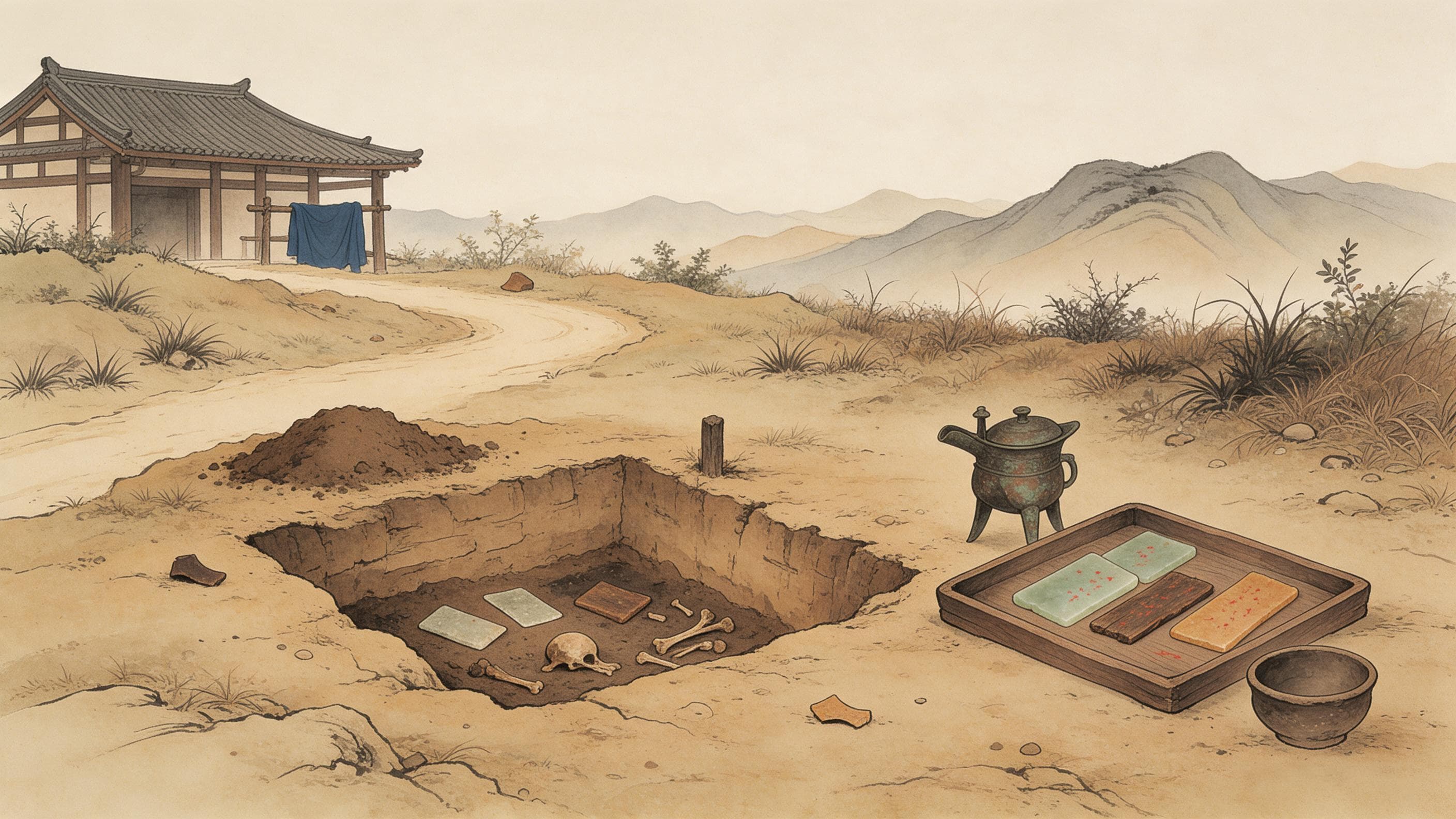
睡虎地秦简里有一份「封守」的清单,开头是:「甲室、人:一宇二内,各有户,内室皆瓦盖,木大具,门桑十木。」——一栋房子、两间内室,各有门,内室盖瓦,木料齐全,门口十棵桑树。接着登记:妻已亡,不参加封守;一个未成年的儿子,高六尺五寸;臣一人、妾一人、公狗一条。这是一份家产清单,但它是官府写的,不是主人写的。
一、一份家产清单
这份清单出自《封诊式》——「式」是司法文书的格式与范例,当事人写作「某里士五甲」这类代称,不是真名。所以它不是某一个真实案件的卷宗,而是一份「该这么写」的样板:房子怎么记、家里人怎么记、奴婢与牲畜怎么记,都按项来。清单里最要紧的不是「有什么」,是「逐项登记」这件事本身。
边界先说:不能把它读成「秦代普通人的家产」。士五甲有臣有妾、有狗、有桑十木,不是最穷的人家;清单是封守时登记的内容,不等于全部家当。尺寸(六尺五寸、七尺)也保留秦制,本文不折成米。
二、一间屋子的尺寸
《穴盗》一条量得更细:失主家「垣高七尺」;内室中央挖开一个新洞,「穴下齐小堂,上高二尺三寸,下广二尺五寸,上如猪窦状」;墙外土上有「秦綦履迹四所,袤尺二寸」——四枚鞋印,每枚一尺二寸长。失窃的衣裳也记得清楚:「五十尺,帛里,丝絮五斤装,缪缯五尺缘及纯」。
墙多高、洞多大、鞋印多长、衣用多少料,都是量过的。这就是秦代司法文书的读法:把现场当成一笔账来记。本文只取与衣食住有关的数,不细写案情与死状。
三、一身衣裳
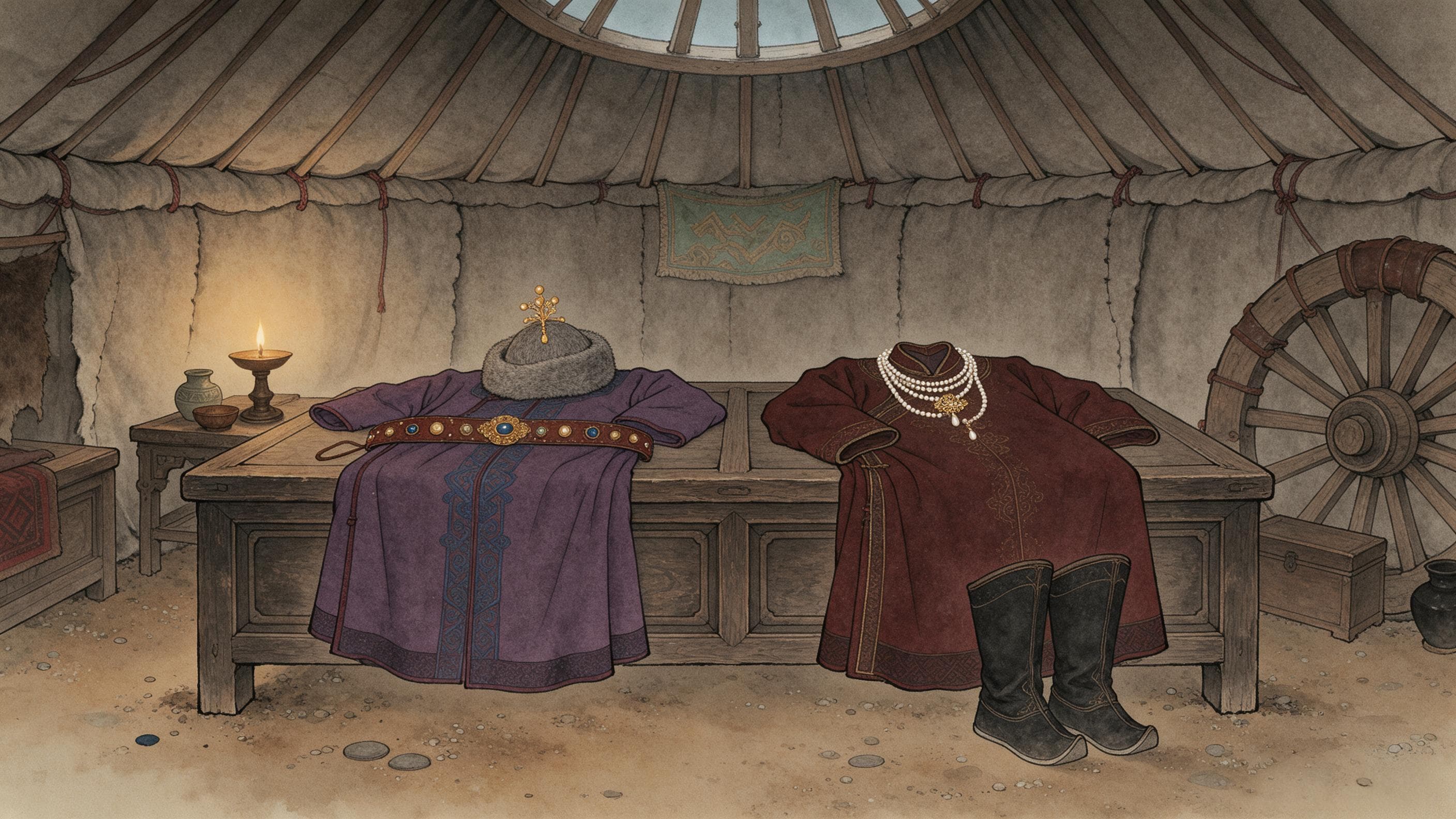
《贼死》记录一具男尸:「衣布禅裙、襦各一」——布禅裙一条、布襦一件;脚边「秦綦履一两」;「男子丁壮,皙色,长七尺一寸,发长二尺;其腹有久故瘢二所」;尸体「到某亭百步,到某里士五丙田舍二百步」。衣裳、身长、头发、旧疤、距离,全在记录里。
官府发衣另有价钱。《金布律》:为褐以禀衣,「大褐一,用枲十八斤,直六十钱;中褐一,用枲十四斤,直卌六钱;小褐一,用枲十一斤,直卅六钱」。发衣有时间:「受衣者,夏衣以四月尽六月禀之,冬衣以九月尽十一月禀之,过时者勿禀。」发衣钱按人分:「隶臣、府隶之毋妻者及城旦,冬人百一十钱,夏五十五钱;其小者冬七十七钱,夏卌四钱。舂冬人五十五钱,夏卌四钱;其小者冬卌四钱,夏卅三钱。」——褐有褐价,衣钱有衣钱的标准,都是官府作的价。(同律另有「布袤八尺,幅广二尺五寸」与「钱十一当一布」的规定,属市场与折算,本文不展开。)
四、一个月吃多少
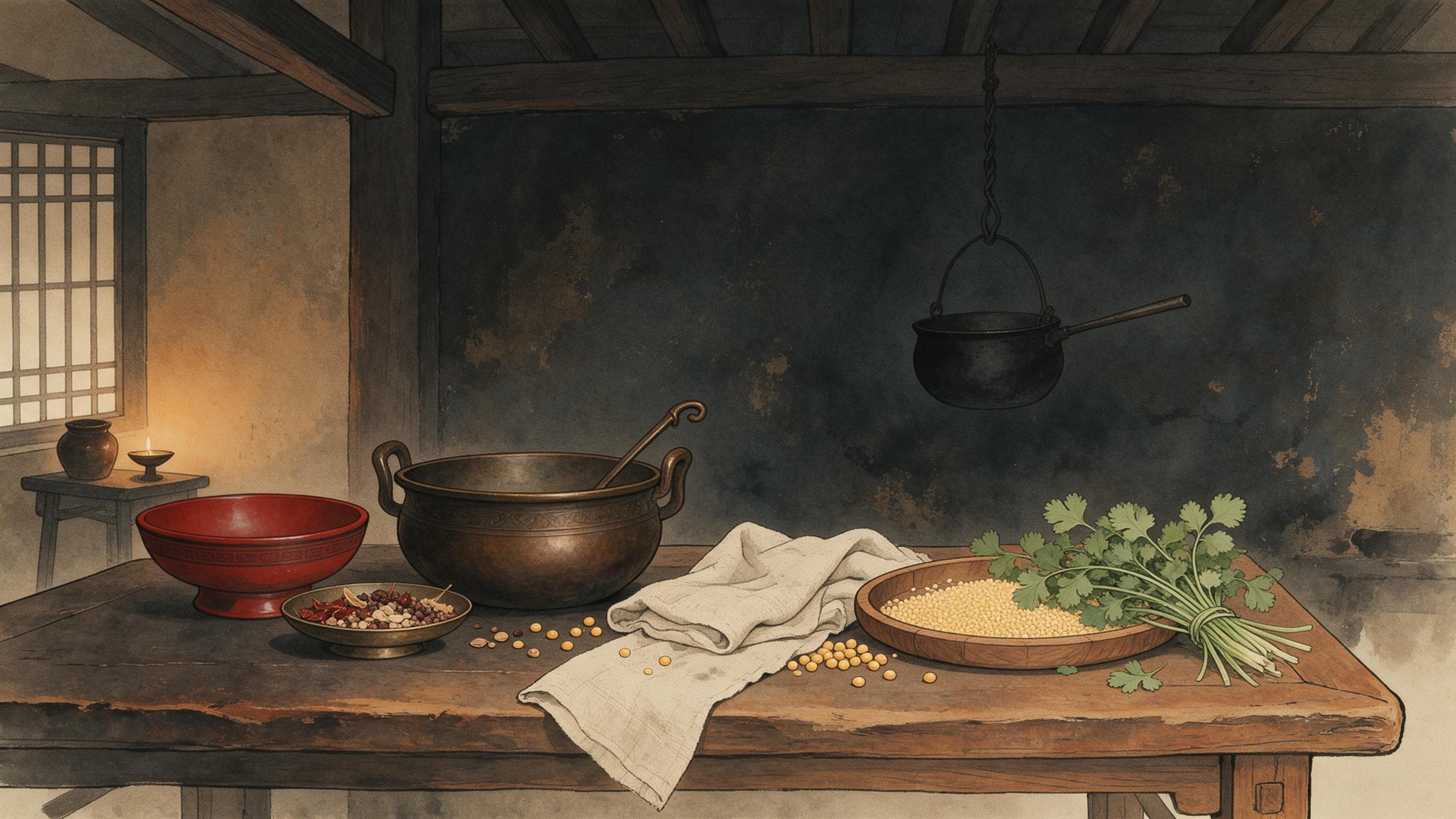
口粮是一张表。《仓律》:「隶臣月禾二石,隶妾一石半;其不从事,勿禀。小城旦、隶臣作者,月禾一石半石;未能作者,月禾一石。小妾、舂作者,月禾一石二斗半斗;未能作者,月禾一石。婴儿之毋母者各半石。」另有农忙加粮:「隶臣田者,以二月月禀二石半石,到九月尽而止其半石。」城旦筑墙「旦半夕参」——早上半斗、晚上三分之一斗;囚「日少半斗」。
这张表的对象要写清楚:领粮的是隶臣妾、城旦舂这些官府廪食的人,不是全国农民。所以不能推「秦代农民每月吃二石」——那正是材料不允许跨的一步。
五、这些账能说明什么
边界列清:不写「秦人一天」或「秦代日常生活」——律条与司法文书里没有作息、饮食种类与娱乐;不引《日书》(维基文库的《日书》页是空壳,没有可读文本);《封诊式》是范文不是案卷;仓律对象是官府廪食者;金布律的衣钱是官府发衣标准,不是市场衣价;尺寸保留秦制不折米;不编简号(维基文库录文不标);钱是秦钱,律文没写「半两」;不折现代购买力;不写「秦代法律严苛」这类评价;不拿汉代材料反推秦。
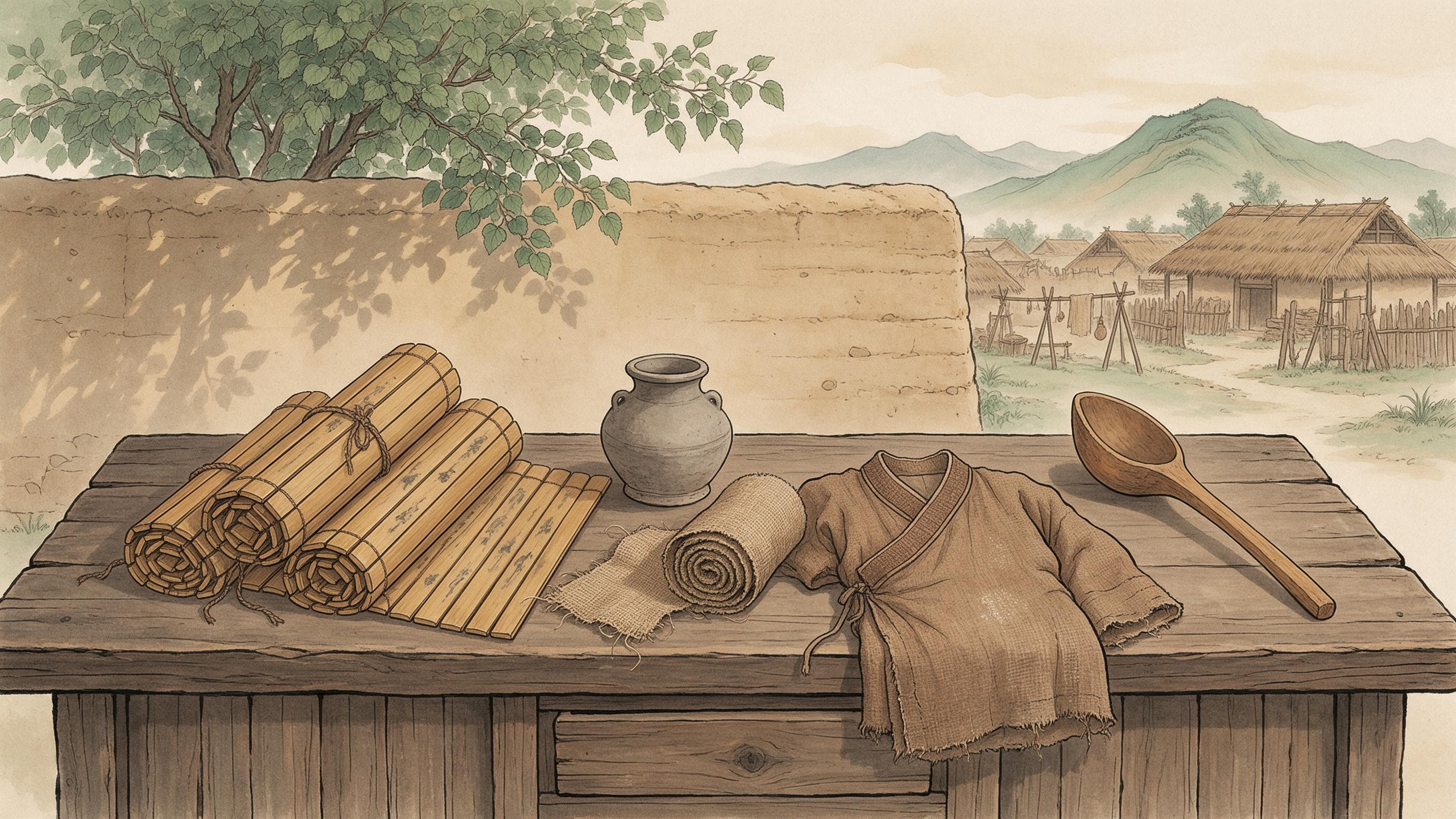
四样东西并排:一份家产清单(一宇二内、门桑十木、子高六尺五寸)、一间屋子的尺寸(垣高七尺、盗洞高二尺三寸)、一身衣裳(布禅裙襦、秦綦履、褐价六十与四十六与三十六钱、冬百一十夏五十五)、一张口粮表(隶臣二石、隶妾一石半、婴儿半石)。每一个数都是官府写下的,没有一个是这个人自己说的。能写「官府怎么给一个人算账」,不能写「秦人怎么过日子」——这就是这三份文书的边界,也是它们最诚实的地方。
参考来源与延伸阅读
- 《睡虎地秦简·封诊式》(维基文库录文) — Model forms for judicial documents, not case files: the parties are placeholders such as 'Shiwu Jia of such-and-such a hamlet'. The sealing inventory lists 'one house with two inner rooms, each with a door, roofed with tile, the timber complete, ten mulberry trees at the gate', a son six chi five cun tall, a male and a female slave and one male dog. The burglary form gives a wall seven chi high, a hole two chi three cun high and two chi five cun wide, four shoe prints a foot two cun long, and a stolen robe fifty chi of cloth with silk lining, five catties of silk floss and a five-chi patterned border. The corpse form gives a plain cloth skirt and jacket, a pair of Qin sandals, a body seven chi one cun tall, hair two chi long, a hundred paces from the post station and two hundred from a field hut.
- 《睡虎地秦简·仓律》(维基文库录文) — Statute on granaries and issue rations; the recipients are the state-fed — bond servants and convict labourers, not the population at large. Bondman two shi of grain a month, bondwoman one and a half; small convicts able to work one and a half, unable one; small bondwomen and grain-pounders able one and a quarter, unable one; motherless infants half a shi. A bondman in the fields gets two and a half from the second month to the ninth. Wall-building convicts get half in the morning and a third in the evening; prisoners a third of a dou a day. Also seed rates and the rate for husking millet.
- 《睡虎地秦简·金布律》(维基文库录文) — Statute on money, cloth and the issue of clothing. Only the clothing-issue clauses are used here: summer clothing issued from the fourth to the sixth month, winter from the ninth to the eleventh, nothing after the time. Coarse hemp garments: large, eighteen catties of hemp fibre, sixty cash; medium, fourteen catties, forty-six; small, eleven catties, thirty-six. Issue allowances: bondmen, unattached servants and convicts without wives, 110 cash in winter and 55 in summer; the small ones 77 and 44; grain-pounders 55 and 44, the small ones 44 and 33. The cloth dimensions and the rate of eleven cash to a bolt are noted only in passing, as that belongs to the market article.