Two poems, both counting. The first opens on a stream and a hill, 秩秩斯干,幽幽南山, and by its second stanza is measuring walls: 似續妣祖,築室百堵. The second opens with a question, 誰謂爾無羊?三百維羣, and spends four stanzas putting a herd back together. One house, one herd: this article reads the two poems as the two things the same reign is said to have had in hand, and keeps the poems and the Han preface apart. Both are 小雅 poems of the 鴻鴈之什, and each page carries its own colophon of stanzas: 斯干 in nine, 無羊 in four.
A Hundred Walls
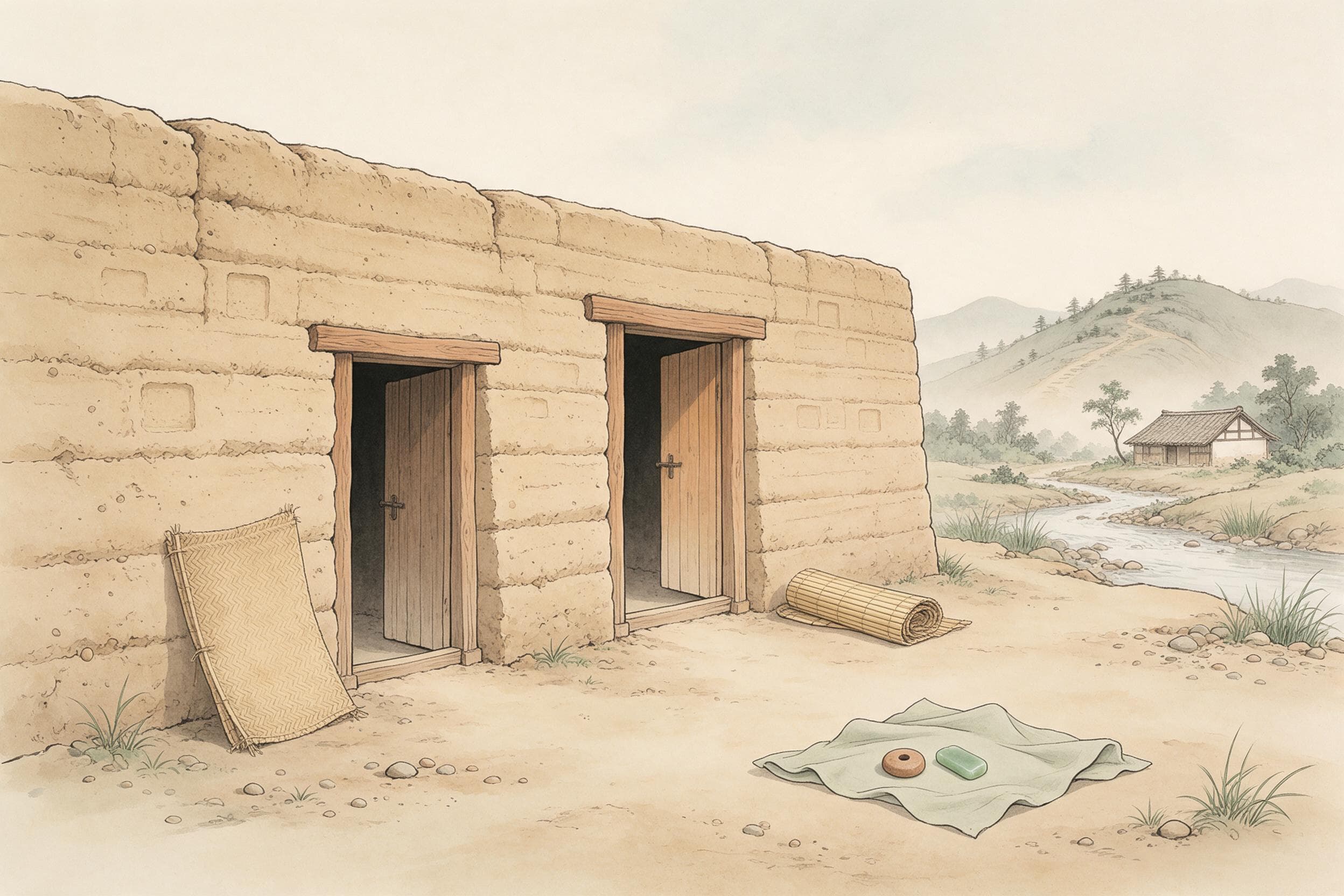
斯干 begins with the site, 秩秩斯干,幽幽南山, then the plants that promise a family, 如竹苞矣,如松茂矣, then the people, 兄及弟矣,式相好矣,無相猶矣. Work starts in the second stanza: 似續妣祖,築室百堵 — continuing the foremothers and forefathers, raising a hundred walls; 西南其戶,爰居爰處,爰笑爰語 — doors to the south-west, and then to live there, stay there, laugh and talk there.
The middle stanzas are all sound and shape. 約之閣閣,椓之橐橐 — bound tight, and the thud of the rammer; 風雨攸除,鳥鼠攸去,君子攸芋 — wind and rain kept out, birds and rats gone, the lord at rest. Then the roofline: 如跂斯翼,如矢斯棘,如鳥斯革,如翬斯飛; then the court: 殖殖其庭,有覺其楹,噲噲其正,噦噦其冥. The page gives no measurements and no plan, and this article adds none.
The Dream
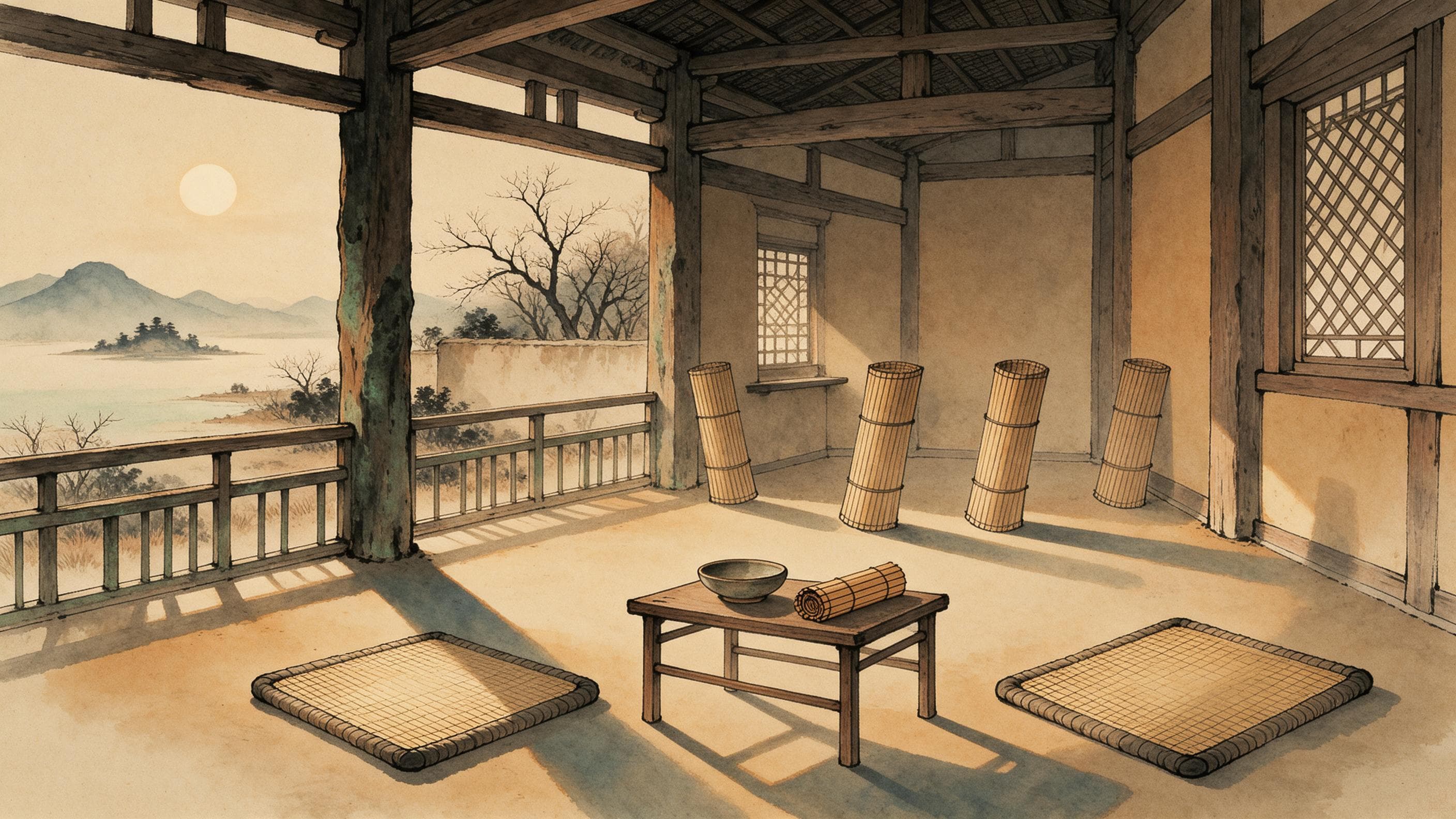
Stanza six puts the family to bed: 下莞上簟,乃安斯寢。乃寢乃興,乃占我夢 — rushes below, bamboo mat above, then sleep, waking, and the reading of the dream. 吉夢維何?維熊維羆,維虺維蛇 — what was the good dream? Bears, brown bears, vipers, snakes. 大人占之,維熊維羆,男子之祥。維虺維蛇,女子之祥 — the great man read it: bears for sons, snakes for daughters. A poem about a house turns into a poem about who will live in it.
Jade and Clay
The last stanza is the one to keep. 乃生男子,載寢之牀。載衣之裳,載弄之璋。其泣喤喤,朱芾斯皇,室家君王 — a boy is born, laid on a bed, dressed in a lower garment, given a 璋 to play with, his cry loud, his red knee-cover splendid, the lord of house and family. 乃生女子,載寢之地。載衣之裼,載弄之瓦。無非無儀,唯酒食是議,無父母詒罹 — a girl is born, laid on the ground, wrapped, given a 瓦 to play with; no fault, no display, her business wine and food, no trouble brought to her parents. 璋 is generally taken as a jade tablet, 瓦 as a clay spindle-whorl, 裼 as the wrapping cloth; the page glosses none of them and this article adds no form.
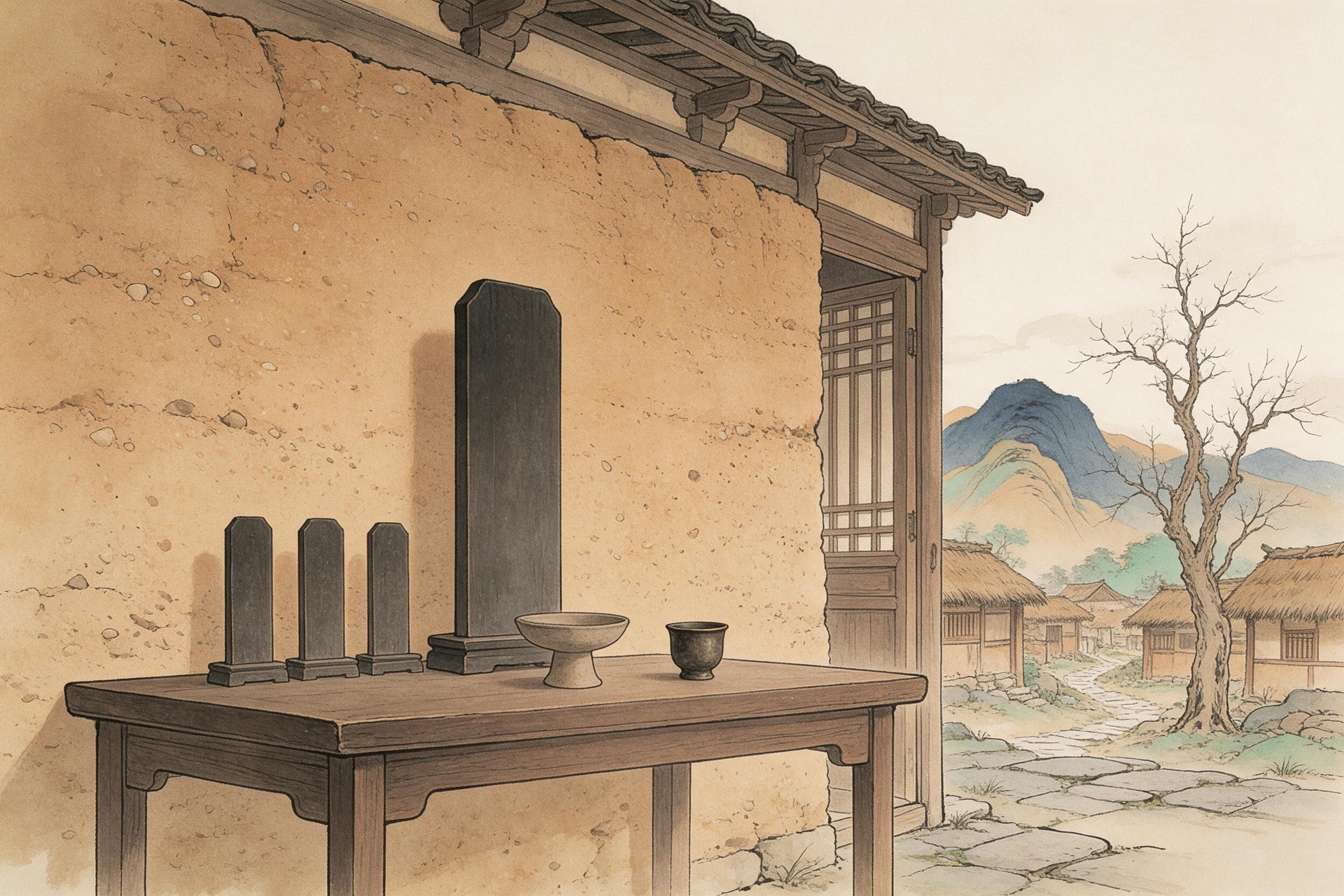
The line at the head of the page is not the poem: 毛詩序:「《斯干》,宣王考室也。」 The Mao preface says the poem is about King Xuan completing a chamber — a Han statement about the poem, not a line in it; the poem never names him. The two layers are kept apart here, and the preface is used only as the page's label. The same goes for the other page, 毛詩序:「《無羊》,宣王考牧也。」
Three Hundred to the Flock
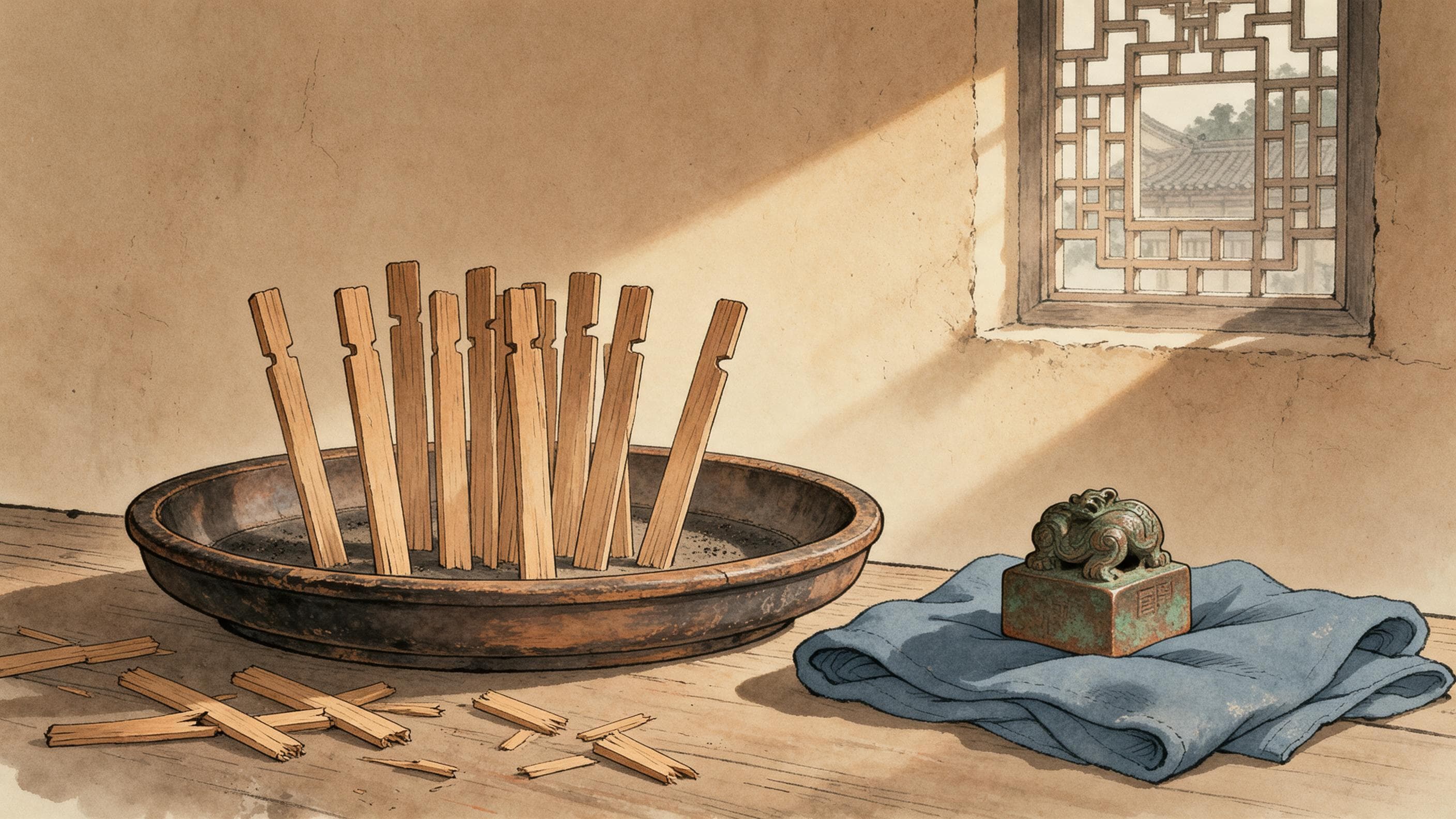
無羊 opens with a denial and a number: 誰謂爾無羊?三百維羣 — who says you have no sheep? three hundred to the flock; 誰謂爾無牛?九十其犉 — who says you have no cattle? ninety 犉, generally taken as big oxen. Then the animals come in: 爾羊來思,其角濈濈,爾牛來思,其耳濕濕 — the sheep coming, horns packed close; the cattle coming, ears damp. The poem is titled 無羊, no sheep, and opens 誰謂爾無羊 — the title is a denial the poem sets out to disprove.
The herding stanzas are movement and small gear: 或降于阿,或飲于池,或寢或訛 — some down the slope, some drinking, some lying, some stirring; 何蓑何笠,或負其餱 — rain-cloak and hat, some carrying dried food; and the stanza ends on a count, 三十維物,爾牲則具 — thirty to a colour, and the victims all there. The third has fuel and the herd holding together, 以薪以蒸,以雌以雄, 矜矜兢兢,不騫不崩, and finishes with one gesture: 麾之以肱,畢來既升 — a wave of the arm, and they all come up.
Two Dreams
The last stanza gives the herd a dream: 牧人乃夢,衆維魚矣,旐維旟矣 — the herdsman dreamed the many were fish, the banners were, it is generally taken, falcon banners. 大人占之 — the great man read it: 衆維魚矣,實維豐年,旐維旟矣,室家溱溱 — the many as fish means a rich year, the banners mean a house and family in abundance; 溱溱 is generally taken as numerous.
Set the two dreams together and the pair becomes readable. Both poems end with 大人占之 and both turn a dream into the state of a household: bears and snakes into sons and daughters in 斯干, fish and banners into a good year and a full house in 無羊. Neither explains the reading, and no dream manual is supplied here. What the poems give is a house of a hundred walls and a herd in the hundreds, and then the wish that both go on. Both dreams are read by the same figure, the 大人, and both land on abundance: children, a good year, a full house. The word that ties the two poems together is 室家: it appears once on each page, both times in the last line — 室家君王 in the Sigang, 室家溱溱 in the Wuyang. That is the only reason to read the two poems together, and the reason this article does not write a "restoration under King Xuan".
The limits: 宣王考室也 and 宣王考牧也 are Han labels kept outside the poems, and no line names the king. The two poems have different subjects, a building and a herd, and are joined here only as two things one reign is said to have had in hand — not as two chapters of a doctrine, and not as commentary. The objects stay as named: 璋, 瓦, 莞, 簟, 蓑, 笠, 餱, 旐, 旟, 犉 — named only, no forms supplied; no ritual, no office, no tax, no farm manual and no seasonal almanac of the estate is written here, since those are other articles. The 註解 section on both pages is empty: what is left is a string of names and numbers, not an instruction manual.
What the pages do not give: the poems' dates, their performance, what the named objects meant beyond their names, or who the 大人 was. None of that is added. Two poems, two counts — a hundred walls, three hundred to the flock — and a dream at the end of each: the oldest kind of inventory, with a wish attached. The stanza counts the pages print — nine and four — are the only numbers in either poem that are not about property.
Related reading:The Orchard: Fruit Trees and Vegetables in an Agricultural Manual · The Monthly Ordinances of the Four Classes: One Estate's Year, Month by Month · Drawing Water and Stepping to the Loom: Two Ways Han Women Were Written Down
Sources & further reading
- 《诗经·小雅·斯干》(维基文库本,白文,页首引毛诗序,未与中华书局点校本复核) — One of the two poems read in this article, and the longer: nine stanzas on a house. It opens on the site, 秩秩斯干,幽幽南山, and on the family that will live there, 如竹苞矣,如松茂矣 and 兄及弟矣,式相好矣,無相猶矣; the building itself begins 似續妣祖,築室百堵 with 西南其戶,爰居爰處,爰笑爰語. The middle stanzas are sound and shape — 約之閣閣,椓之橐橐, 風雨攸除,鳥鼠攸去, 如跂斯翼,如矢斯棘,如鳥斯革,如翬斯飛, 殖殖其庭,有覺其楹 — with no measurements given. Then the dream: 下莞上簟,乃安斯寢, 乃占我夢, 維熊維羆,維虺維蛇, and 大人占之, bears for sons and snakes for daughters. The closing stanza has both births: 乃生男子,載寢之牀。載衣之裳,載弄之璋 and 乃生女子,載寢之地。載衣之裼,載弄之瓦, with 無非無儀,唯酒食是議,無父母詒罹. The page's head carries the Mao preface, 毛詩序:「《斯干》,宣王考室也」 — a Han statement about the poem, not a line in it, and the article keeps the two apart. Text supplied from the team's saved export of the page (ws-export); direct connection to wikimedia was unavailable this round, and the page header could not be re-checked.
- 《诗经·小雅·无羊》(维基文库本,白文,页首引毛诗序,未与中华书局点校本复核) — The shorter poem, four stanzas on a herd, and the one that supplies the counting: 誰謂爾無羊?三百維羣, 誰謂爾無牛?九十其犉, 爾羊來思,其角濈濈,爾牛來思,其耳濕濕, 三十維物,爾牲則具, 矜矜兢兢,不騫不崩, 麾之以肱,畢來既升. Its last stanza is a dream too: 牧人乃夢,衆維魚矣。旐維旟矣, read by 大人占之 as 實維豐年 and 室家溱溱. The page's head carries the Mao preface, 毛詩序:「《無羊》,宣王考牧也」 — again a Han label on the poem, not text within it. The two poems are on different subjects and are joined in this article only as two things the same reign is said to have had in hand. Text supplied from the team's saved export of the page (ws-export); the page header could not be re-checked this round.