A family manual in two rolls. In the fifth roll one sentence turns the size of a household into a set of figures: twenty mouths, no more than twenty servants, ten qing of good land, a few ten-thousands in savings. This is not a statistic. It is one man setting a ceiling for his own house. The first roll talks about the other end of the same subject: how to teach a child, how to run a household, and how the north lives thriftily while the south lives lavishly. This article reads the two rolls together, as one household account.
The Ceiling in One Sentence
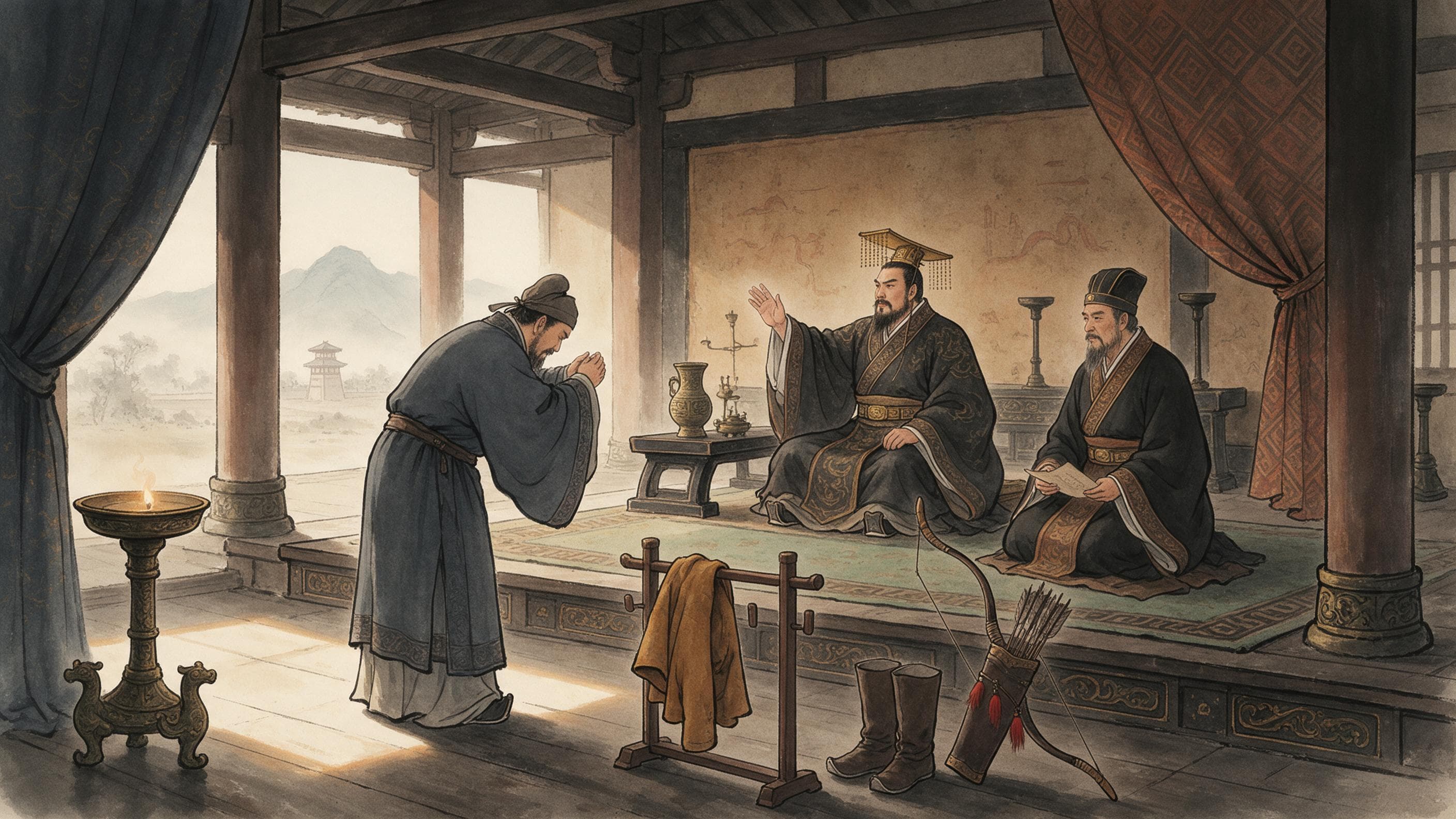
The sentence stands in the chapter 止足, 'knowing when to stop'. The chapter first states a principle: 天地鬼神之道,皆惡滿盈。謙虛沖損,可以免害 — the way of heaven, earth, ghosts and spirits hates fullness; only modesty and reduction avert harm. It then names 周穆王, 秦始皇 and 漢武帝, who 富有四海,貴為天子,不知紀極,猶自敗累,況士庶乎, and only then gives the account: 常以二十口家,奴婢盛多,不可出二十人,良田十頃,堂室纔蔽風雨,車馬僅代杖策,蓄財數萬,以擬吉凶急速,不啻此者,以義散之;不至此者,勿非道求之.
Every item is a limit, and the words say so: 不可出, 'must not exceed', for the twenty servants; 纔, 'only just', for a house that keeps off wind and rain; 僅, 'barely', for a carriage that merely replaces a walking stick. The money clause says only 蓄財數萬, 'a few ten-thousands'; ten-thousands of what the page does not say, and this article does not supply it. The purpose is 以擬吉凶急速, to meet weddings, funerals and emergencies. The two ends are stated too: 不啻此者,以義散之, what is more than this should be given away rightly, and 不至此者,勿非道求之, what is less should not be sought by crooked means. The list is orderly: mouths, servants, land, house, carriage, money.
The same chapter caps something else: office. 仕宦稱泰,不過處在中品,前望五十人,後顧五十人,足以免恥辱,無傾危也 — a comfortable career goes no higher than the middle grade, with fifty men ahead and fifty behind, enough to avoid shame and danger. He also quotes his ancestor, the Marquis of Jing: 汝家書生門戶,世無富貴;自今仕宦不可過二千石,婚姻勿貪勢家 — this is a scholar's house, it has never been rich or noble; from now on office must not pass two thousand shi, and marriage must not covet powerful families. Office, marriage, land, mouths, servants, money: each has its 'must not exceed'. These are one household's self-limits, not a law.
Rules Inside the House: Teaching
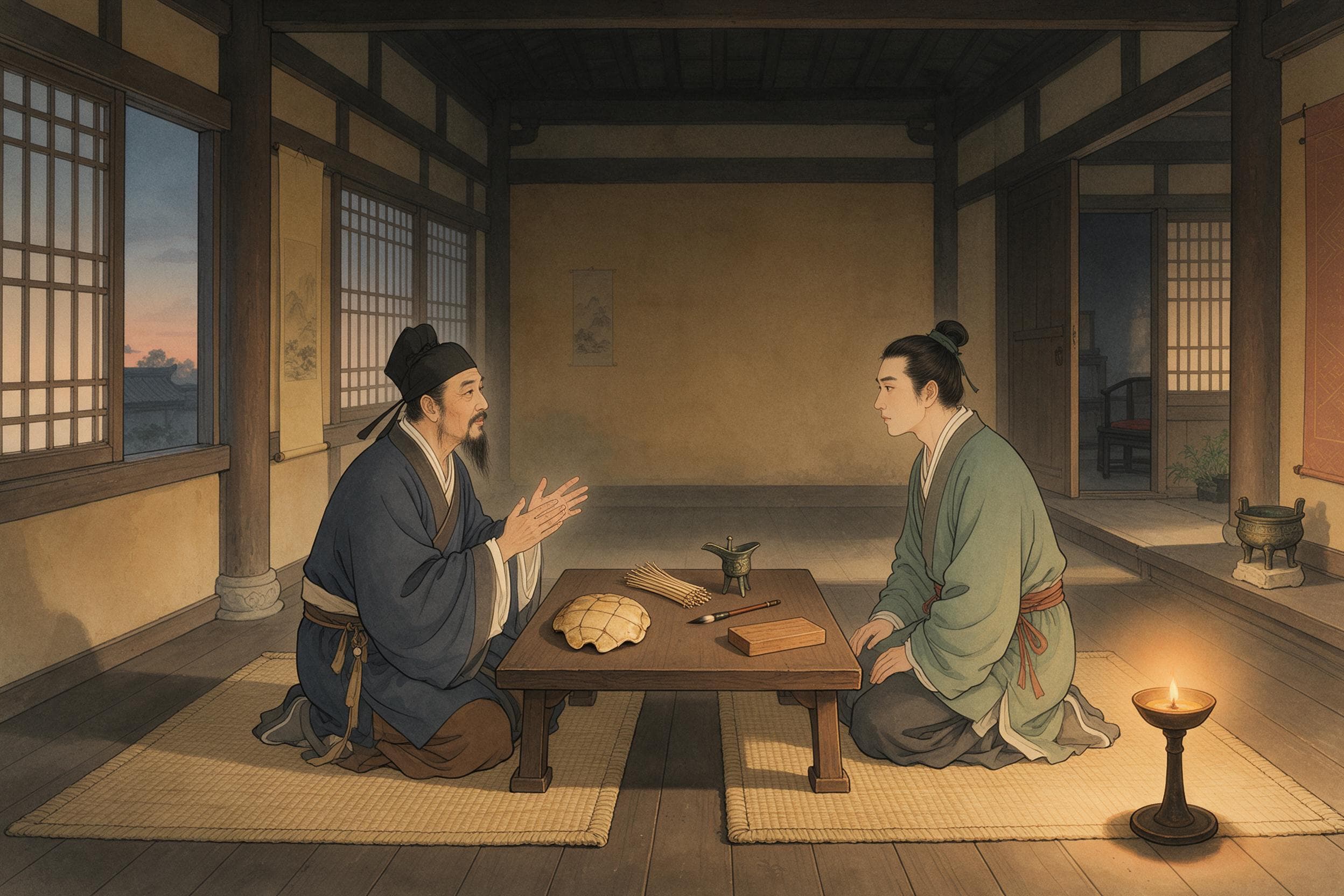
The first roll begins with teaching. 上智不教而成,下愚雖教無益,中庸之人,不教不知也 — the very clever need no teaching, the very dull gain nothing from it, and everyone else is ignorant without it. Then the ancient method: 古者聖王有胎教之法:懷子三月,出居別宮,目不邪視,耳不妄聽,音聲滋味,以禮節之。書之玉版,藏諸金匱 — three months into a pregnancy the mother moves to a separate palace, looks at nothing improper, hears nothing improper, and food and sound are kept within the rites. But the author admits at once that this is not for everyone: 凡庶縱不能爾, commoners cannot do it, so they start later, as soon as the child can read faces. His warrant is a proverb: 教婦初來,教兒嬰孩, teach a bride when she first arrives, teach a child while it is an infant. Teach early and 比及數歲,可省笞罸, by a few years old the rod and the fine can be spared.
The chapter 治家 turns to management, beginning with a comparison: 笞怒廢於家,則豎子之過立見;刑罰不中,則民無所措手足。治家之寬猛,亦猶國焉 — let the rod and the anger go out of use in a house and the boys' faults appear at once; let punishments fall wrongly and the people do not know where to put their hands and feet; the leniency and severity of running a house are like those of running a state. Leniency fails and harshness fails too, and he gives the harshness case: 梁孝元世,有中書舍人,治家失度,而過嚴刻,妻妾遂共貨刺客,伺醉而殺之 — under Emperor Yuan of Liang a 中書舍人 ruled his house too strictly, and his wife and concubines clubbed together to hire an assassin and killed him while he was drunk.
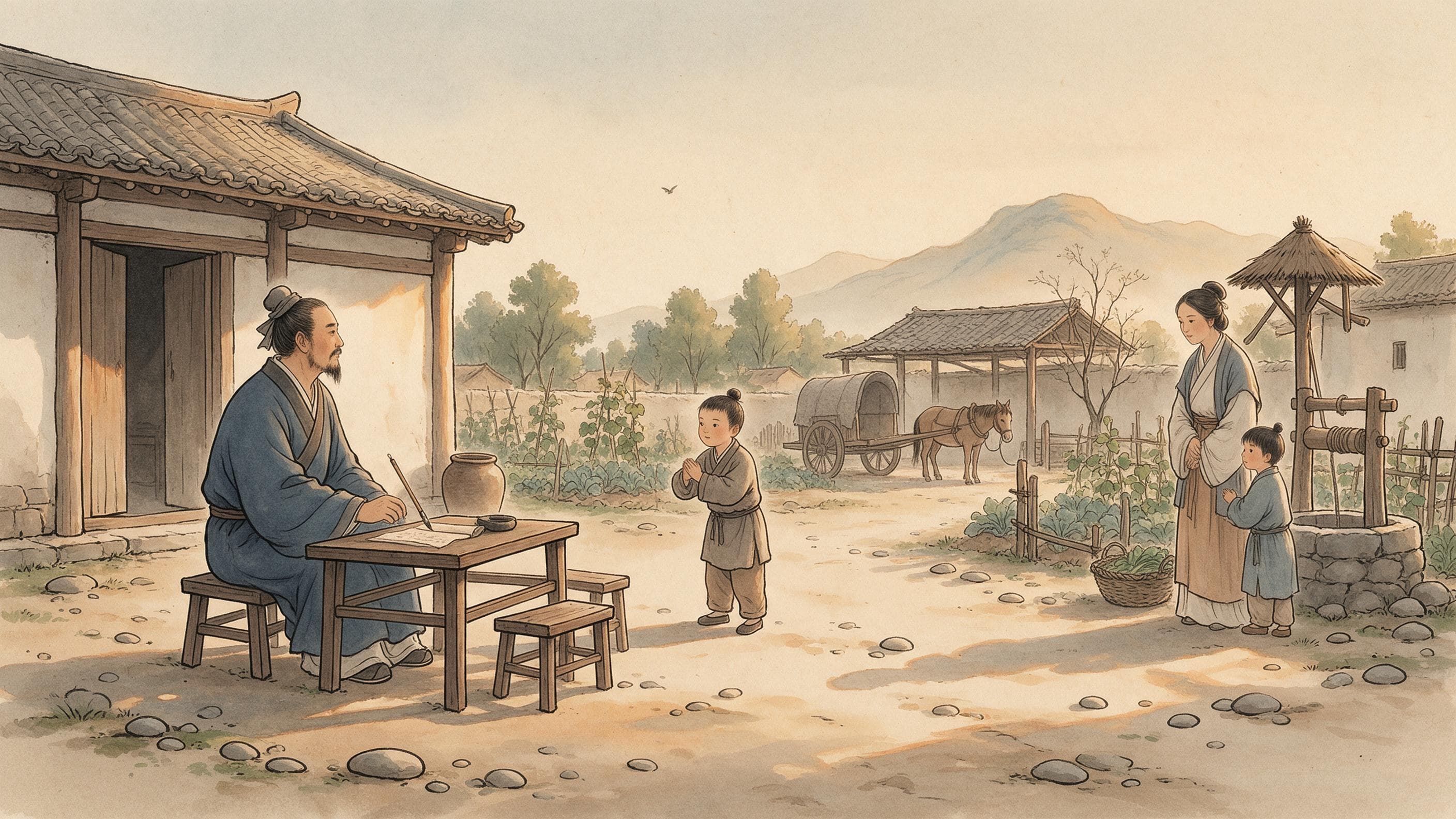
The same chapter lists what a household needs to supply itself: 生民之本,要當稼穡而食,桑麻以衣。蔬果之畜,園場之所產;雞豚之善,塒圈之所生。爰及棟宇器械,樵蘇脂燭,莫非種殖之物也 — grain for food, hemp and mulberry for clothes, vegetables from the garden, chickens and pigs from the pens, and even beams, tools, firewood and lamp oil come from what is grown. The conclusion: 閉門而爲生之具以足,但家無鹽井耳, shut the gate and everything for living is there, except that a house has no salt well. That is his standard, not a description of every house.
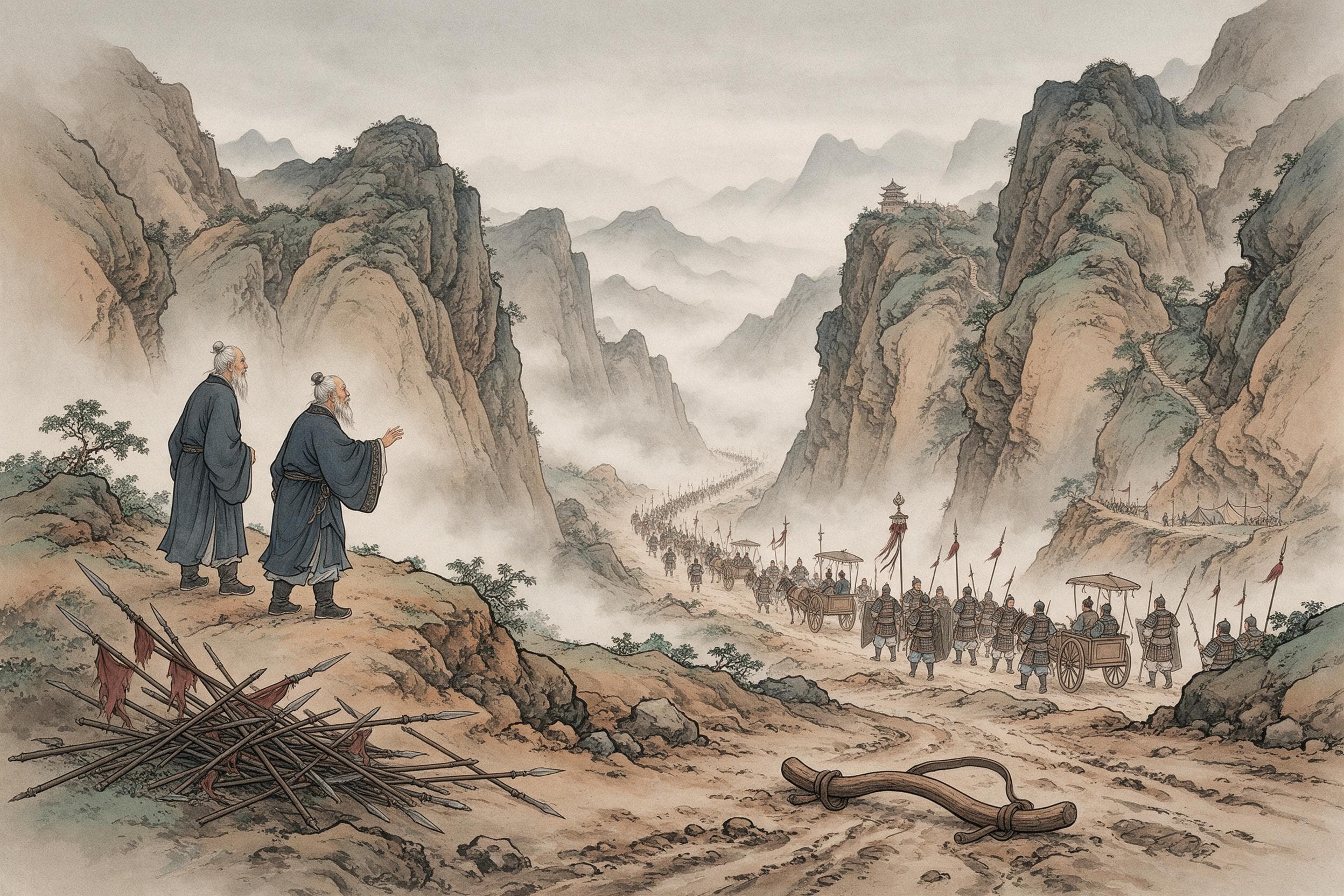
Then a comparison: 今北土風俗,率能躬儉節用,以贍衣食;江南奢侈,多不逮焉 — in the north people generally work and save to pay for food and clothes; in the south the luxury is such that most cannot match it. No figures, no survey: this is his observation.
Later in the same chapter the contrast becomes finer. 江東婦女,略無交遊 — the women of Jiangdong have almost no social visiting, and families connected by marriage may not meet for a decade, sending only messages and gifts. In 鄴下, by contrast, 專以婦持門戶,爭訟曲直,造請逢迎,車乘填街衢,綺羅盈府寺,代子求官,爲夫訴屈 — women run the household, argue cases, make calls, fill the streets with carriages and the offices with silk, seek office for their sons and plead their husbands' grievances. And below that: 南間貧素,皆事外飾,車乘衣服,必貴整齊;家人妻子,不免飢寒。河北人事,多由內政,綺羅金翠,不可廢闕,羸馬顇奴,僅充而已 — in the south even the poor keep up appearances and their families go hungry; in Hebei the inner household manages everything, silk and gold cannot be left out, and a thin horse and a haggard servant are just enough. He records both ways and chooses neither.
The Ceiling and What He Saw
The same author who sets a ceiling of twenty mouths and ten qing also writes of southern luxury and of Hebei's 綺羅金翠,不可廢闕, and in the preface says his own family was 百口索然, a hundred mouths left destitute after the troubles. The three passages cannot be fitted into one picture of 'the Northern Qi household': 止足 states what should be, 治家 reports what he saw, and 序致 remembers what his own house had been. This article does not fit them together either.
Whose Standard
The preface states the kind of book this is: 吾今所以復爲此者,非敢軌物範世也,業以整齊門內,提撕子孫 — I write this not to set a model for the world, but to keep order inside my own gate and to keep my descendants awake. A man who can set limits on servants, land and carriages must first have them; and he admits that 凡庶縱不能爾, commoners cannot do as the ancient kings did. So this is one scholar-official family's standard, not the family life of the Northern and Southern Dynasties. 吾家風教,素爲整密, 'our family teaching has always been strict and close', is his description of his own house, not a general rule. The manual's figures are therefore evidence about one man's sense of enough, not about what households actually held.
What This Article Leaves Out
It does not write the history of Chinese family instruction or of family education; Yan Zhitui is the author, but here he is read as a text, and his life and career are left alone. The units are kept as written: 二十口, 二十人, 十頃, 數萬, 三月, 數歲, 五十人, 二千石, with no conversion into hectares or modern money. The unit of 蓄財數萬 is not on the page, and this article does not supply it. Ming schools, the Han primer, and the three articles on women in the Han, Tang and Ming are separate pieces about other kinds of teaching and other people. The quotations keep the page's characters, including 罸, 顇奴, 纔 and 僅. That is the whole of the manual.
Related reading:Sorrowful Brows, Tear Makeup, the Falling-Horse Bun: How a Set of Styles Got into a Book of Omens · The Yin Used the Jia: Names of Ancient Ritual Vessels · The Sun Was Eaten: One Eclipse, One Leap Month
Sources & further reading
- 《顏氏家訓》卷第一(序致第一、教子第二、治家第五;維基文庫本,頁面白文) — 序致 says the book is 非敢軌物範世也,業以整齊門內,提撕子孫, and mentions 吾家風教,素爲整密 and 百口索然. 教子 has 古者聖王有胎教之法:懷子三月…, the proverb 教婦初來,教兒嬰孩, and 比及數歲,可省笞罸. 治家 has 笞怒廢於家,則豎子之過立見, 治家之寬猛,亦猶國焉, the story of the 中書舍人 killed by his wife and concubines, 生民之本…閉門而爲生之具以足,但家無鹽井耳, 今北土風俗,率能躬儉節用…江南奢侈,多不逮焉, and the comparison of 江東婦女 with 鄴下風俗.
- 《顏氏家訓》卷第五(止足第十三;維基文庫本,頁面白文) — 止足 sets the caps: 常以二十口家,奴婢盛多,不可出二十人,良田十頃,堂室纔蔽風雨,車馬僅代杖策,蓄財數萬,以擬吉凶急速,不啻此者,以義散之;不至此者,勿非道求之. The same section has 天地鬼神之道,皆惡滿盈, the examples of 周穆王、秦始皇、漢武帝, the rank cap 前望五十人,後顧五十人, and the ancestor's rule 仕宦不可過二千石,婚姻勿貪勢家.