襄公三十一年,子產陪鄭伯去晉國。晉侯因為魯國有喪事,沒有接見他們。子產就叫人把客館的牆全部拆掉,把車馬趕進去。晉國的士文伯來責問,子產答了一篇長話;「賓至如歸」四個字,就出在這篇答辭裡。本篇用兩頁:《左傳》襄公三十一年這一段,和《周禮·地官司徒》遺人一職。一個是事件,一個是制度條文,兩者不是一回事。
一、拆牆
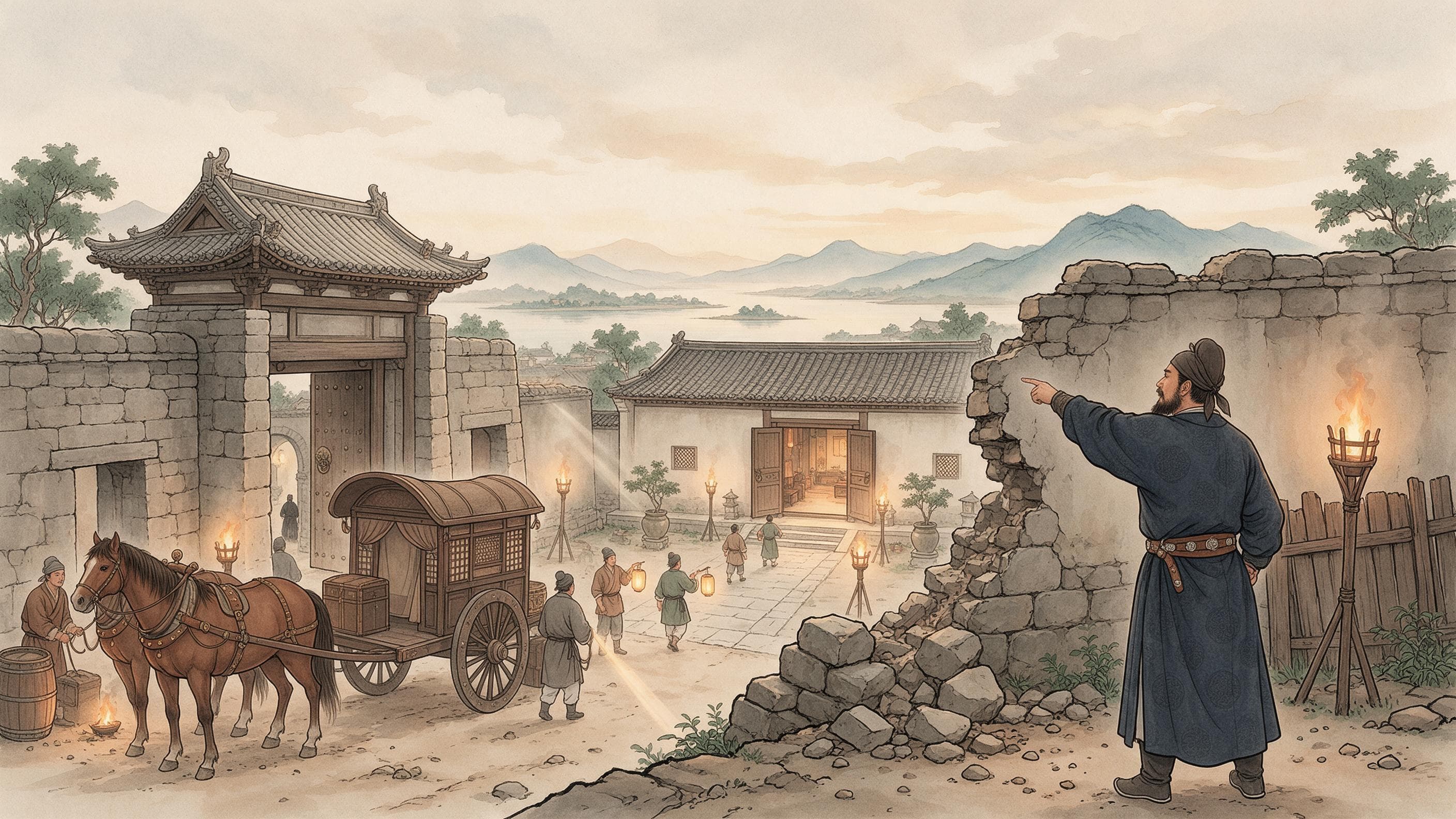
事情很簡單:鄭伯如晉,「晉侯以我喪故,未之見也」,於是「子產使盡壞其館之垣,而納車馬焉」。士文伯來責備,話說得客氣:「敝邑以政刑之不脩,寇盜充斥」,所以才「令吏人完客所館,高其閈閎,厚其牆垣,以無憂客使」;如今你拆了牆,隨從雖能戒備,「其若異客何」?末句:「寡君使匄請命。」
子產先答幣:不敢獻,也不敢放在外面。獻上去,是君王府庫之物,不經過薦陳之禮不敢獻;放在外面,又怕「燥濕之不時,而朽蠹以重敝邑之罪」。然後才說晉文公:「僑聞文公之為盟主也,宮室卑庳,無觀臺榭,以崇大諸侯之館,館如公寢。」——自己的宮室低小,把諸侯的館蓋得像國君的寢宮。
二、文公的館
接下去是一份接待清單:「庫廄繕脩,司空以時平易道路,圬人以時塓館宮室。」客到的時候:「甸設庭燎,僕人巡宮;車馬有所,賓從有代,巾車脂轄,隸人牧圉,各瞻其事;百官之屬,各展其物。」——倉庫馬廄修繕,道路按時修平,牆面按時粉刷;庭中設燎,僕人巡夜,車馬有安置,隨從有替換,車軸加脂,各色人等各管一事,百官各陳列自己的物品。
還有幾句是態度:「公不留賓,而亦無廢事;憂樂同之,事則巡之;教其不知,而恤其不足。」這一串之後,才是那四個字:「賓至如歸,無寧菑患;不畏寇盜,而亦不患燥濕。」——客人到了像回到自己家,沒有禍患可憂;不怕盜賊,也不愁潮濕。
這句要標清楚:它是子產在答辭裡說的話,說的是晉文公做盟主時候的情形,不是《左傳》的敘述,也不是一句可以隨手用的成語。四字後來成為成語,是後人從這段文字裡取出來的概括;兩頁都沒有把它當成語用。
三、當時的晉國
接著是眼前的晉國:「今銅鞮之宮數里,而諸侯舍於隸人,門不容車,而不可踰越;盜賊公行,而夭厲不戒。賓見無時,命不可知。」——國君的銅鞮宮方圓數里,諸侯卻住在隸人房裡,門進不了車,又翻不過牆;盜賊公然橫行,疫病無人防備;賓客什麼時候能見、命令什麼時候下來,都不知道。末了:「若又勿壞,是無所藏幣以重罪也。」
四、結局
文伯回報,趙文子說:「信。我實不德,而以隸人之垣以贏諸侯,是吾罪也。」派人謝罪;晉侯接見鄭伯,「有加禮,厚其宴好而歸之」;「乃築諸侯之館」。叔向評這件事:「辭之不可以已也如是夫!子產有辭,諸侯賴之,若之何其釋辭也?」並引詩:「辭之輯矣,民之協矣;辭之繹矣,民之莫矣。」
五、路上的館
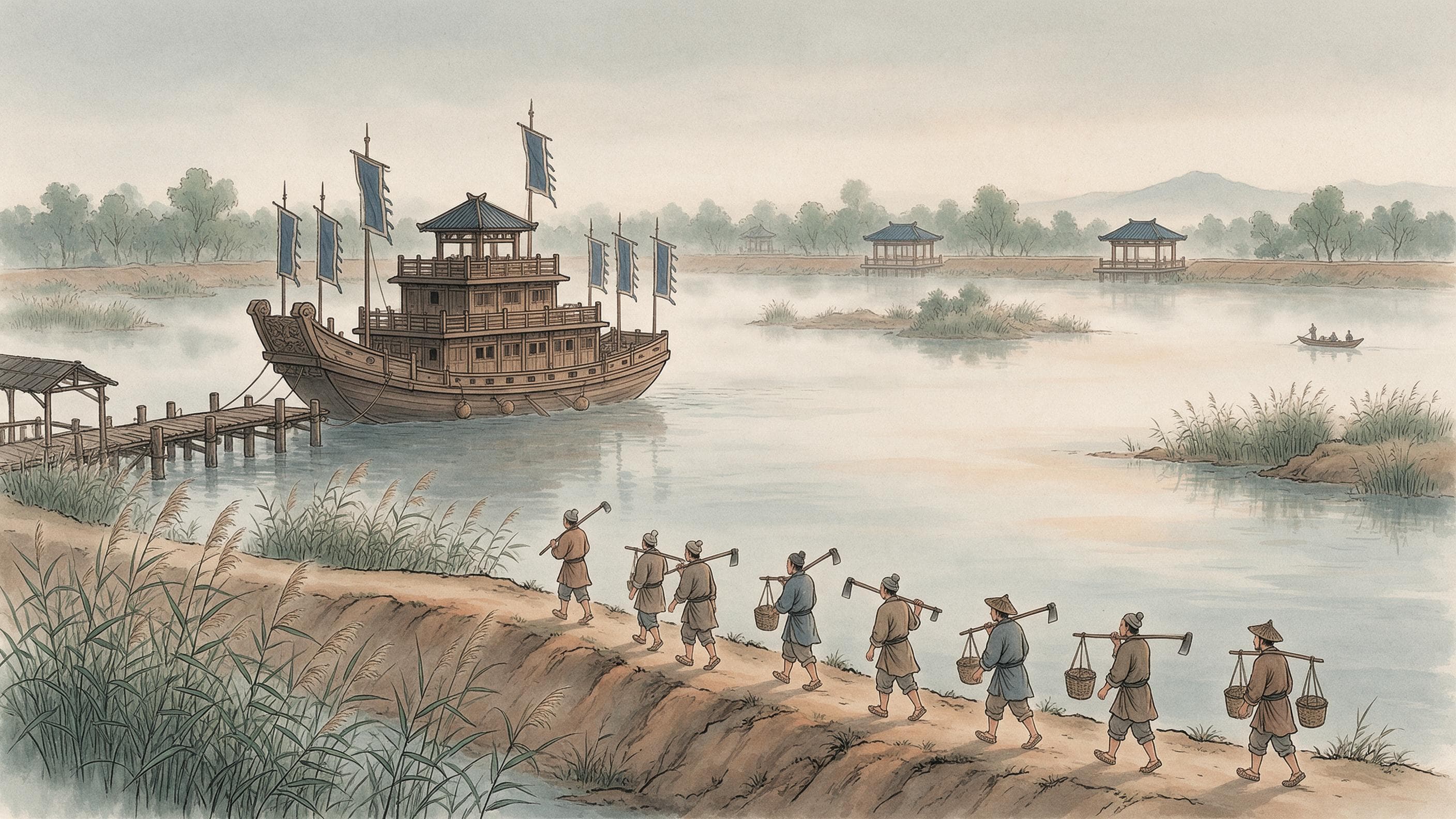
《周禮》給的是另一套。遺人「掌邦之委積,以待施惠」:鄉里之委積以恤艱厄,門關之委積以養老孤,郊里之委積以待賓客,野鄙之委積以待羈旅,縣都之委積以待凶荒;賓客、會同、師役,則「掌其道路之委積」。路上:「十里有廬,廬有飲食;三十里有宿,宿有路室,路室有委;五十里有市,市有候館,候館有積。」
兩條要分開看:《左傳》寫的是國都裡接待諸侯的那座館,有服務、有態度,沒有尺寸;《周禮》寫的是國野道路上的廬、宿、候館,有里程、有委積,沒有接待,也沒有儀節。兩頁都不給建築的規格與格局,本文不補。
兩頁不給的:客館的大小與間數、執事人數、費用、委積由誰出、候館是什麼樣子。給的是一個事件裡的一段話,和一份道路上的倉儲清單。本文不寫「古代旅館業」一類的通論,也不把這段答辭講成「外交禮遇」;兩頁是文章與條文,不是行業史。
延伸閱讀:瓠子:一條河決了口,二十多年沒人堵 · 朱提故城:一座西南郡縣治城的城門與封泥 · 十六國·統萬城:一堵白色的牆,和一句「錐入一寸」
參考來源與延伸閱讀
- 《春秋左氏传》襄公三十一年(维基文库本,页面白文无注,未与中华书局点校本复核) — The incident: Zichan accompanies the lord of Zheng to Jin; the lord of Jin, because Lu is in mourning, will not receive them; Zichan has the walls of the guest house pulled down and the carriages driven in. Shi Wenbo protests that the wall was built so that guests need not worry; Zichan answers that he dares neither present the silks nor leave them in the open, and recalls Duke Wen as leader of the covenants — his own palace low and small so that the lords' guest house could be great, 'like the ruler's own bedchamber', with storehouses and stables repaired, roads levelled, walls plastered, torches set in the courtyard, horses and followers provided for, axles greased, every office displaying its goods, and the guests 'arriving as if coming home, with no cause for trouble, fearing neither robbers nor damp'. Then the contrast with the present: the Tongdi palace of several li, the lords lodged with servants, a gate too narrow for a carriage, robbers abroad. Zhao Wenzi concedes the fault, the lord of Jin receives the lord of Zheng with added courtesy, and a guest house for the lords is built; Shuxiang comments on the power of words.
- 《周礼·地官司徒》遗人(维基文库本,页面白文无注,未与中华书局点校本复核) — The office of the 遺人: it holds the state's reserves for distribution — for the distressed, the old and orphaned, guests, travellers, and years of famine — and for guests, assemblies and campaigns it manages the reserves along the roads. Then the distances: on the roads of the state and the fields, a hut every ten li with food, a lodging every thirty li with a guest room and stores, a market every fifty li with a 候館 and its reserves; the reserves are inspected and issued in season. Distances and stores only: no building plan, no reception, no staff.