経は一句半しかない——「高宗肜日,越有雊雉」。高宗が肜の祭を行ったその日に、雉が飛んできて鳴いた、と。『尚書·高宗肜日』は全体で百三十字ほど、この日とこの鳥から始まる。本稿は三層に分けて書く。経のなかのこの日と祖己の訓辞、史書のなかの叙述、そして漢儒がこの鳥に与えた三つの読みである。
一、経——一句と一段の訓辞
原文は短いので全録できる——「高宗肜日,越有雊雉。祖己曰:『惟先格王,正厥事。』乃訓于王曰:『惟天監下民,典厥義。降年有永有不永;非天夭民,民中絕命。民有不若德,不聽罪;天既孚(付)命正厥德,乃曰:『其如台?』嗚呼!王司敬民;罔非天胤,典祀無豐于昵。』」——祖己がまず言ったのは「惟先格王,正厥事」で、それから王を訓じた。天は下民を監し、年には永いも永くないもあり、天が人を夭折させるのではなく、人が自ら命を断つのだ、と。最後は「王司敬民;罔非天胤,典祀無豐于昵」に落ちる——王の務めは民を敬うこと、みな天の後裔である、常の祭りで近親に厚くしすぎてはならない、と。
この頁の境界は書き切っておく。「肜日」がどんな祭か、この頁は説明しない。雉がなぜ異象とされたかも説明しない。いつ、どこで、誰を祭り、何人来たかも与えない。だから本稿は「説明しない」と明記し、後世の説明——たとえば『漢書·五行志』のあの体系——で経文の空白を埋めない。あれはもともと漢儒の言葉であって、商代の人の言葉ではない。
二、史——鼎の耳に登ることと「廟を立てて高宗と為す」
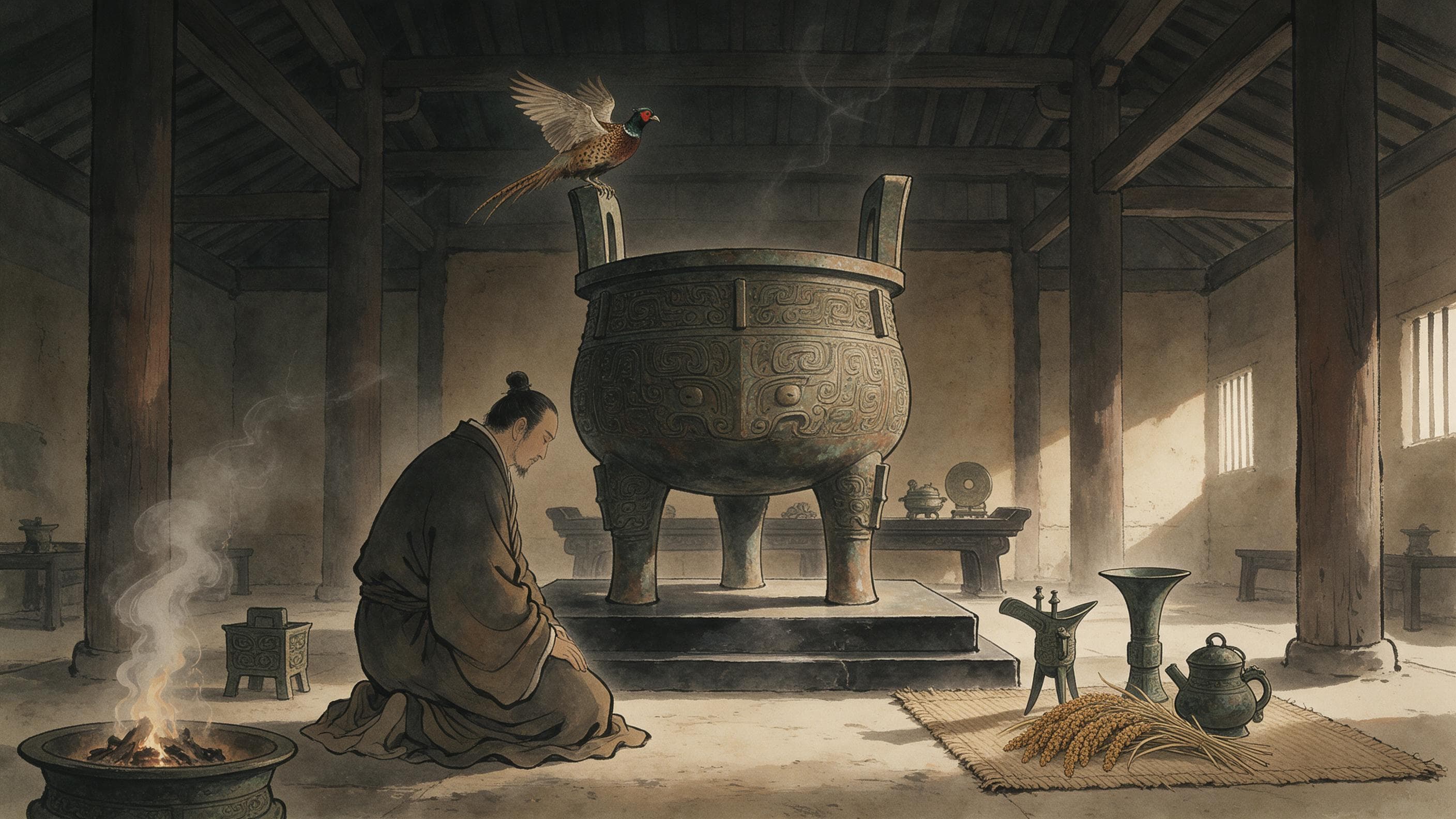
『史記·殷本紀』はこの日を出来事として書く——「帝武丁祭成湯,明日,有飛雉登鼎耳而呴,武丁懼。祖己曰:『王勿憂,先修政事。』」武丁が成湯を祭り、翌日、飛雉が鼎の耳に止まって鳴き、武丁は恐れた。祖己はまず「王勿憂,先修政事」と言い、それから訓じた。経と読み比べると三つの違いがある。経は「雊雉」、史記は「飛雉登鼎耳而呴」。経には「明日」がない。史記は「祭成湯」と祭る相手を明記する。訓辞の文も両書で違い(史記は「唯天監下典厥義……常祀毋禮于棄道」)、本稿は並べて写し、一つの段落に合わせない。
史記はこの経の由来も与える——「武丁修政行德,天下咸驩,殷道復興」。「祖己嘉武丁之以祥雉為德,立其廟為高宗,遂作高宗肜日及訓」。祖己は武丁がこの「祥雉」を徳を修めることとしたのを嘉し、廟を立てて高宗と呼び、そこで『高宗肜日』と『訓』を作った、と。これは史記によるこの経の説明であり、本稿はそれを写して史記の説であると示す。「祥雉」の「祥」も史記の用語である。
三、漢儒——一羽の鳥への三つの読み
『漢書·五行志』はまず書序を引く——「書序又曰:『高宗祭成湯,有蜚雉登鼎耳而雊。』祖己曰:『惟先假王,正厥事。』」ここで「蜚雉」の「蜚」は、経の「雊雉」、史記の「飛雉」とも違い、三つの書き方が並ぶ。読みもそれぞれの人に帰す——「劉向以為雉雊鳴者雄也,以赤色為主。於易,離為雉,雉,南方,近赤祥也。劉歆以為羽蟲之孽」。劉向は、雉で鳴くのは雄で、赤色を主とし、『易』では離が雉、雉は南方に属し「赤祥」に近い、とした。劉歆はこれを「羽蟲之孽」とした。二説を並べ、本稿は裁断しない。
次は鼎の読みで、これも漢書の解釈であって商代人の考えではない——「易有鼎卦,鼎,宗廟之器,主器奉宗廟者長子也。野鳥自外來,入為宗廟器主,是繼嗣將易也」。鼎は宗廟の器、器を掌り宗廟に奉るのは長子である。野鳥が外から来て宗廟の器の主となった、これは「繼嗣將易」である、と。「一曰,鼎三足,三公象,而以耳行。野鳥居鼎耳,小人將居公位,敗宗廟之祀」。もう一説、鼎の三足は三公の象、鼎は耳によって動く。野鳥が鼎の耳に居るのは、小人が公位に居て宗廟の祀を敗るということだ、と。二つの「一曰」を並べて写し、合わせない。
五行志は最後にこの事を武丁の身に収める——「武丁恐駭,謀於忠賢,修德而正事,內舉傅說,授以國政,外伐鬼方,以安諸夏,故能攘木鳥之妖,致百年之壽」。武丁は恐れ、忠賢と謀り、徳を修めて事を正し、内には傅説を挙げて国政を授け、外には鬼方を伐って諸夏を安んじ、それゆえ「木鳥の妖」を攘って百年の寿を得た、と。これは漢書の因果の叙述であり、本稿はそう示す。「外伐鬼方」の層は史記のこの段にはなく、史記に埋め戻しはしない。
四、三つの「雉」の字と、説明されない一語
テクストの層は並べて見られる。経は「雊雉」、史記は「飛雉……呴」、漢書が引く書序は「蜚雉……雊」。三つの書き方をすべて写し、どれが正字かは決めない。「雉」が野鶏か他の雉類かは両漢でも説が分かれ、本稿は種を定めない。「肜日」については——三頁ともこの祭名を説明しない。経は「高宗肜日」と言うだけ、史記は「祭成湯」と言うだけ、五行志も書序を引くだけである。だから本稿は定義を与えず、漢儒の災異説でその語を埋めもしない。
五、二頁の外
分線を一句。商頌の祭祖の現場を書く篇は楽舞と祭儀を扱い、亀の来路を書く篇は占卜用の亀を扱う。この一篇はこの一羽の鳥、この一句、そして後の三つの読みだけを書く。「天人感応の起源」といった通論も書かない。三頁が与えるのは経・史・漢儒の解釈という三層であって、思想史ではない。缺口を列挙する。商代の卜辞の原件、祭祀当日の現場の細部、雉の種属、「肜日」の祭法——三頁はどれも与えないか、漢儒の口にしか出てこない。本稿は補わない。残るのは、鼎の耳に止まった一羽の鳥、一句「王司敬民」、そして三つの読みである。
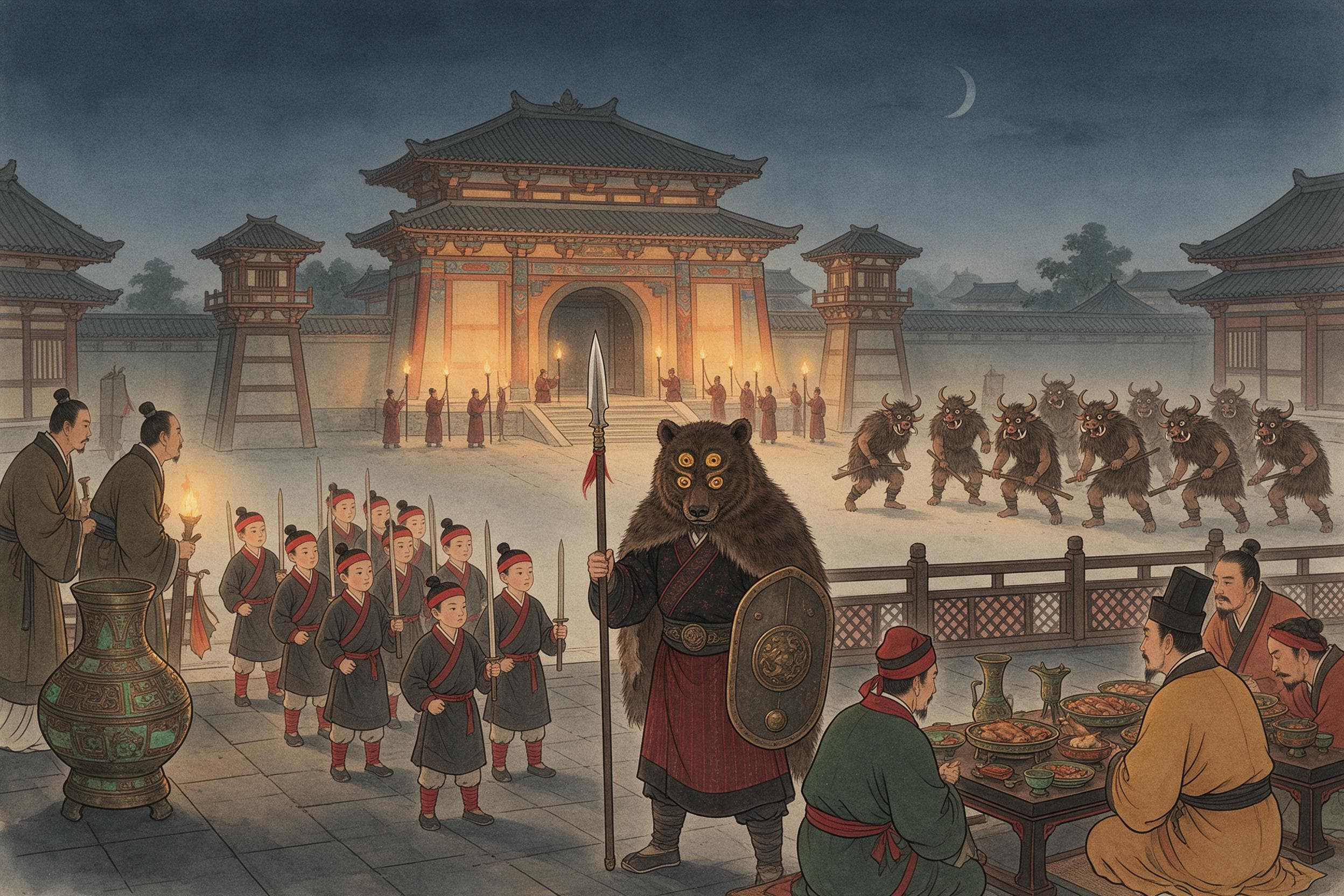
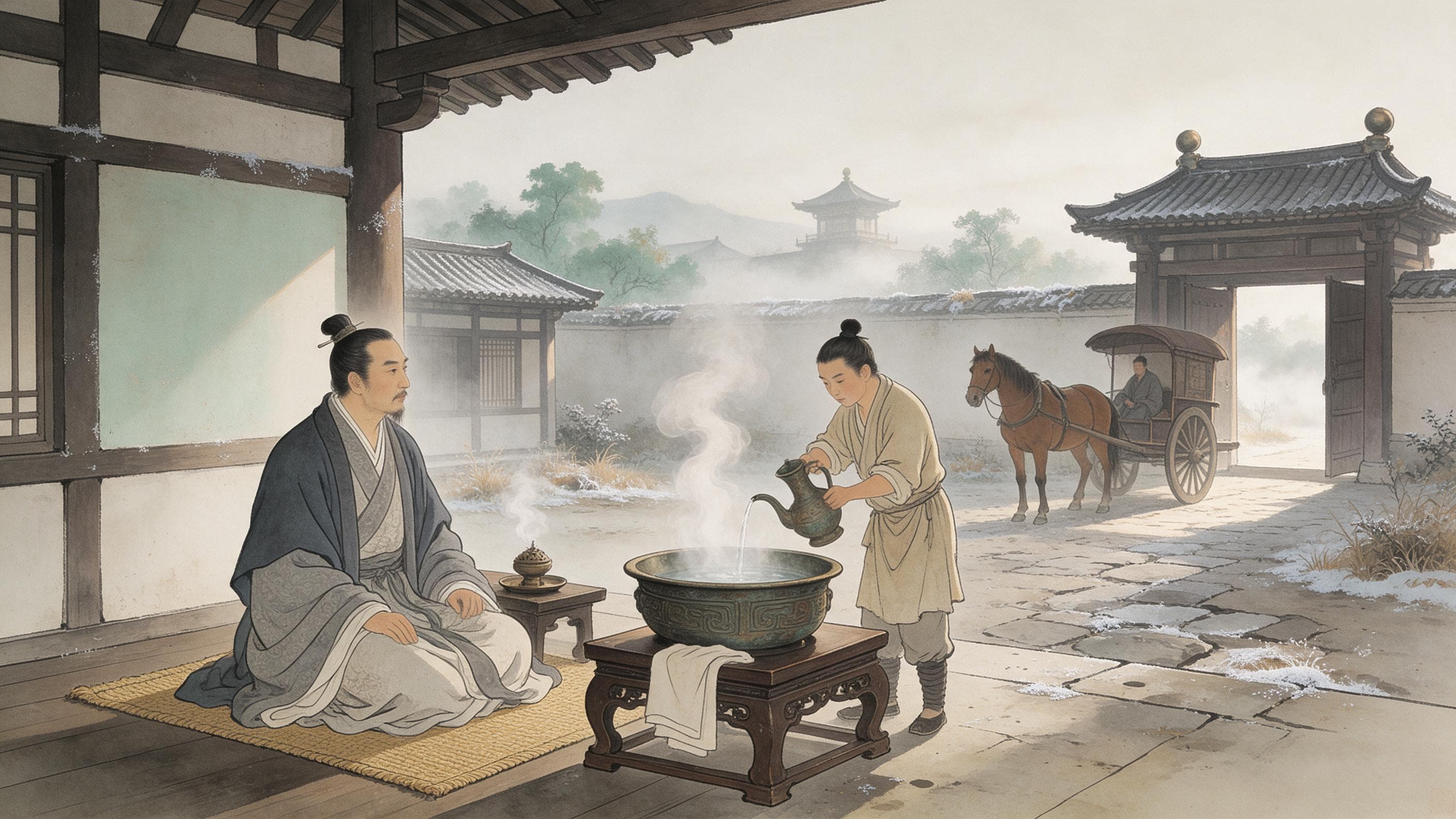
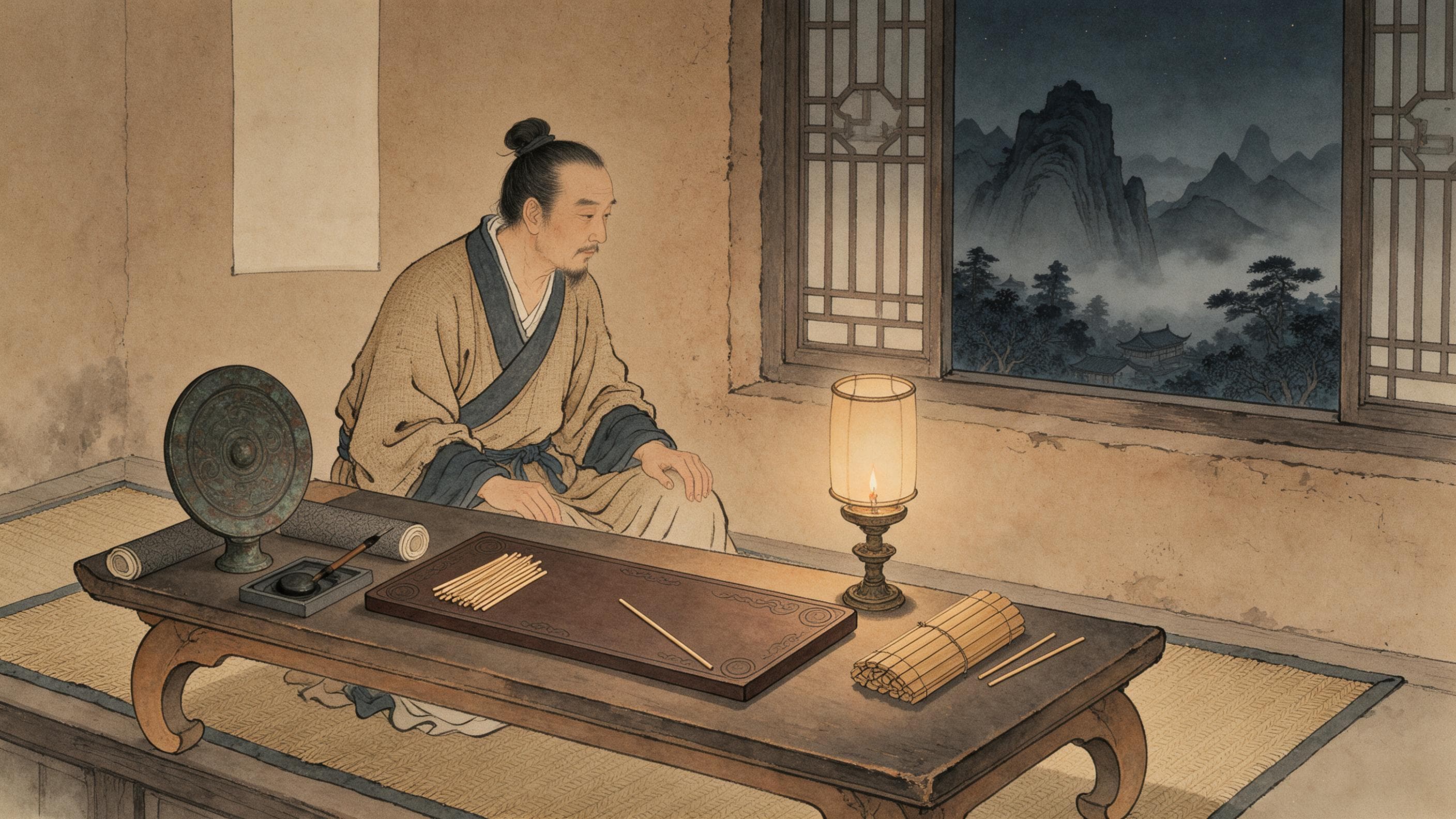
関連記事:大儺——年の最後の夜、宮中が疫を城門の外へ送り出す · 洗沐——漢官、五日に一度のその日 · 郭璞の卜——活きた馬、豆、一匹の驢鼠
参考資料・関連文献
- 《尚书·高宗肜日》(维基文库本,未与点校本复核) — The whole chapter, about 130 characters: 'On the rong day of Emperor Gao Zong, there was a crowing pheasant' (高宗肜日,越有雊雉). Zu Ji says, 'let the king first be corrected, and set his affairs right' (惟先格王,正厥事), and then instructs the king: 'Heaven oversees the people below and presides over their righteousness; the years it sends down are sometimes long and sometimes not; it is not Heaven that shortens men's lives — men cut their own lives short. When men do not follow virtue and do not listen to their guilt, Heaven has already charged them to correct their virtue, and they say, What can we do? Alas! The king's business is to reverence the people; all are Heaven's descendants; in the regular sacrifices do not be lavish toward your near kin' (王司敬民;罔非天胤,典祀無豐于昵). The page carries one editorial bracket, 孚(付), which is a transcriber's note and is quoted as the main text. The page does not say what a rong day was, why a pheasant counted as a portent, or what was being sacrificed.
- 司马迁《史记》卷三〈殷本纪〉(维基文库本,未与点校本复核) — The narrative version: 'Emperor Wu Ding sacrificed to Cheng Tang; the next day a flying pheasant came down on the ear of a cauldron and crowed, and Wu Ding was afraid. Zu Ji said: Let the king not worry; first put the government in order' (帝武丁祭成湯,明日,有飛雉登鼎耳而呴,武丁懼。祖己曰:王勿憂,先修政事). It then gives its own wording of the instruction ('Heaven oversees the people below and presides over righteousness… in the regular sacrifices do not be lavish toward the abandoned way' 常祀毋禮于棄道), and the sequel: 'Wu Ding put the government in order and practised virtue; all under Heaven rejoiced and the Yin way revived' (武丁修政行德,天下咸驩,殷道復興). Finally the origin of the chapter: 'Zu Ji admired Wu Ding for making the auspicious pheasant a matter of virtue, set up his temple and called him Gao Zong, and then made the Gao Zong Rong Ri and the Instruction' (祖己嘉武丁之以祥雉為德,立其廟為高宗,遂作高宗肜日及訓).
- 《汉书》卷二十七〈五行志〉(维基文库本,未与点校本复核) — The Han scholars' readings, quoted with their authors. 'The Preface to the Documents also says: Gao Zong sacrificed to Cheng Tang, and a flying pheasant came down on the ear of a cauldron and crowed' (有蜚雉登鼎耳而雊). Then: 'Liu Xiang held that a crowing pheasant is male and takes red as its master; in the Changes, li is the pheasant, the pheasant is the south, so it is near to a red portent' (劉向以為雉雊鳴者雄也,以赤色為主……近赤祥也); 'Liu Xin held it to be a plague of feathered creatures' (劉歆以為羽蟲之孽). 'In the Changes there is the hexagram ding; the ding is a vessel of the ancestral temple, and the one who holds the vessel and serves the temple is the eldest son. A wild bird comes from outside and enters as master of the temple vessel — this is the heir about to change' (野鳥自外來,入為宗廟器主,是繼嗣將易也). And an alternative: 'the ding has three legs, the image of the three ducal offices, and it moves by its ears; a wild bird perching on the ding's ear means a petty man about to occupy a ducal seat and ruin the temple sacrifices' (一曰……小人將居公位,敗宗廟之祀). The treatise closes the case with Wu Ding's reform, the promotion of Fu Yue, the campaign against the Guifang, and 'driving off the omen of wood and bird, and attaining a hundred years of life' (攘木鳥之妖,致百年之壽).