
EVERYDAY LIFE · SHANG TO QING
Stories
Small questions open a window onto a different world.
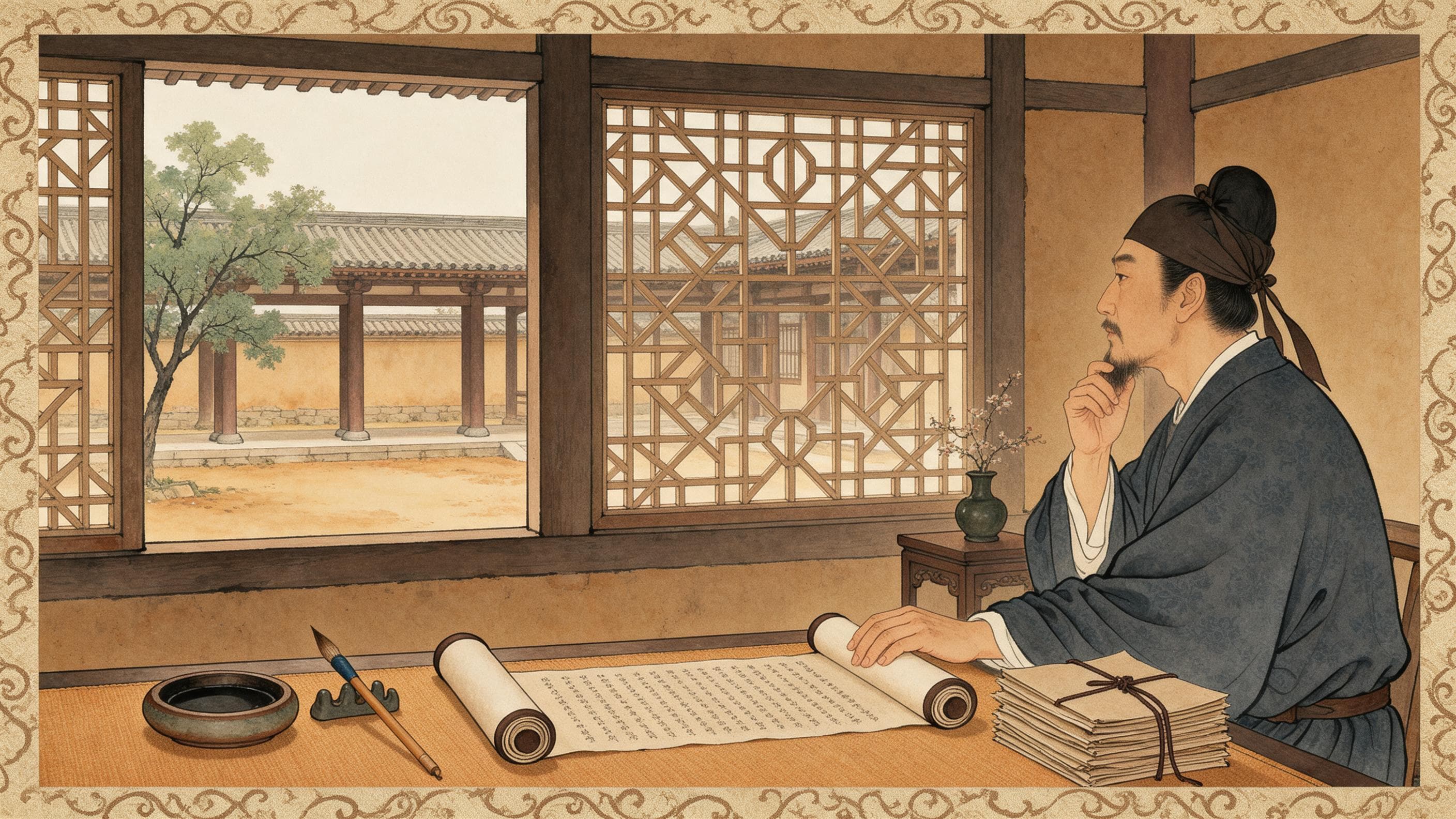
How a Tang Judgment Was Written: Structure, Allusion, and the Space Between Law and Feeling
Zhang Zhuo's model judgments invent a case, answer it in parallel prose, and invoke “the law has its standing rule” without citing any article. What survives is how judgments were written, not how courts decided.
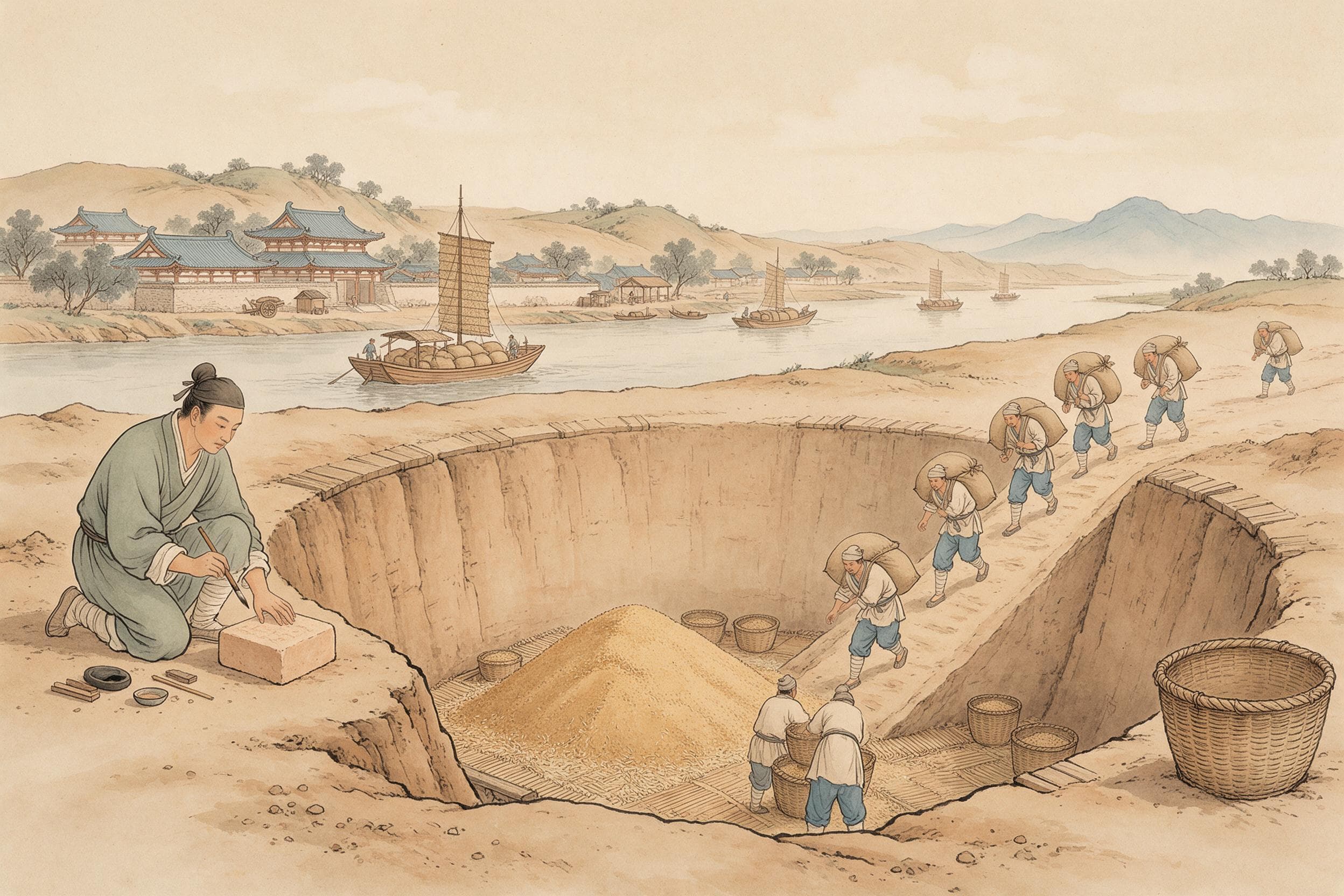
A Brick at the Granary Door: How Sui and Tang China Stored Grain
A 33-centimetre brick records rice from Suzhou, 13,000 shi, the year of collection under Empress Wu, the day it entered a Luoyang granary pit — and the signatures of eight officials.
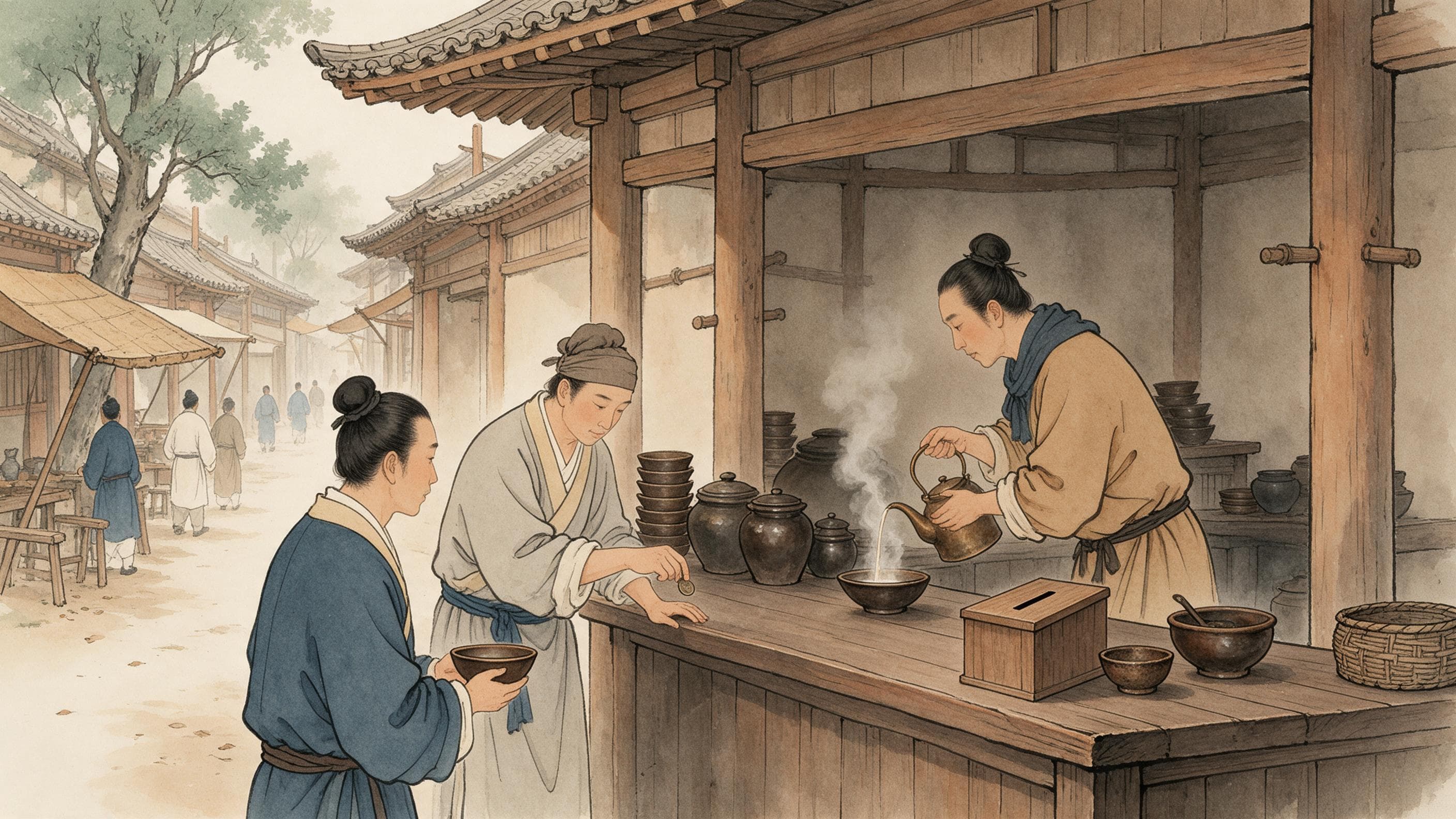
Kumiss's Slave and the Coin-in-the-Box Teahouse: Tea in Tang Cities
In Northern Wei Luoyang tea was mockingly called 'kumiss's slave'; two centuries later a Tang writer records city shops boiling tea and selling it to anyone who dropped in a coin.
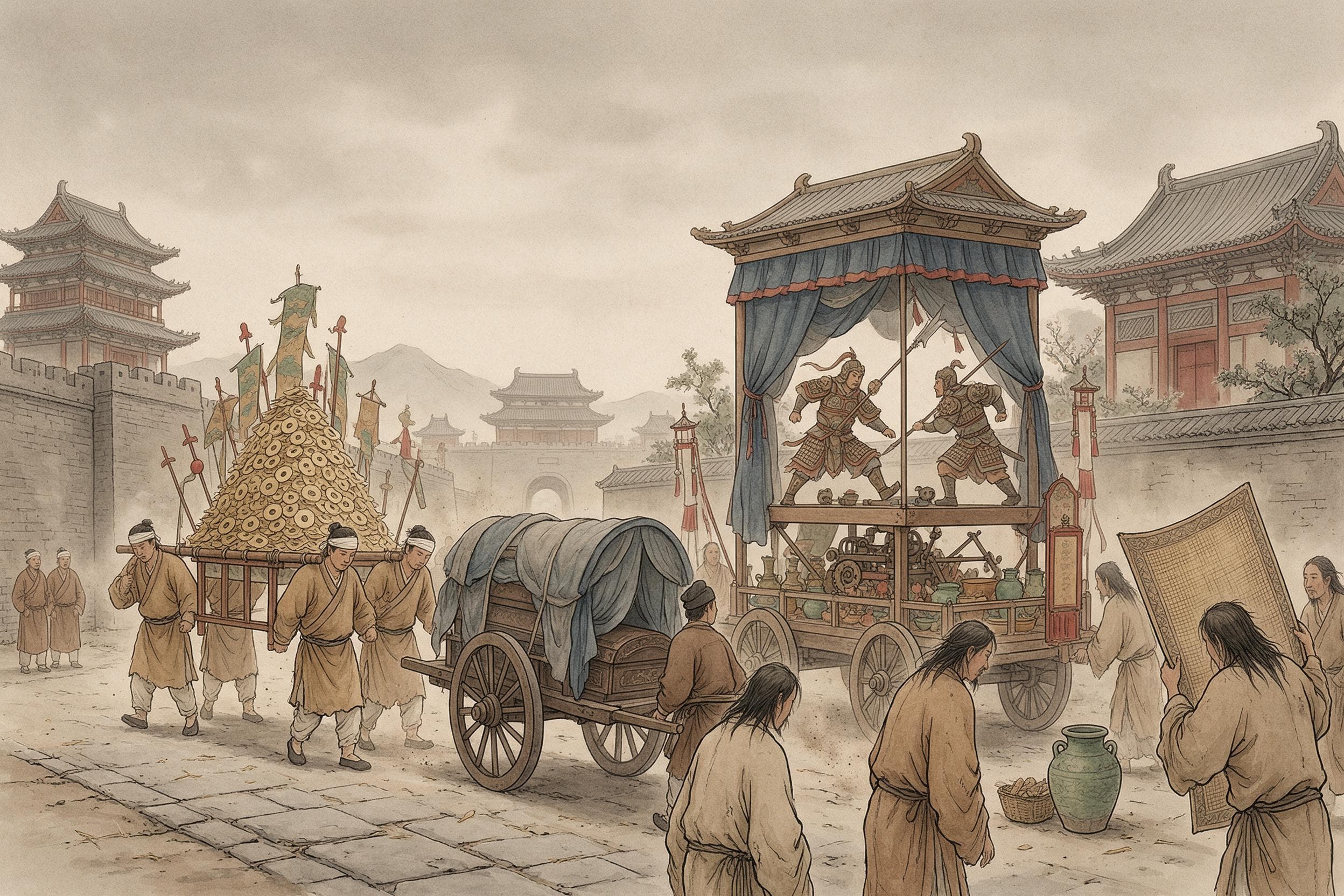
From Buried Coins to Burned Paper: The Making of Money for the Dead
A Tang writer described paper money carried before coffins and burned for spirits. A Tang history blamed it on a chancellor. By the Song it was seasonal stock, on sale days before the festival.
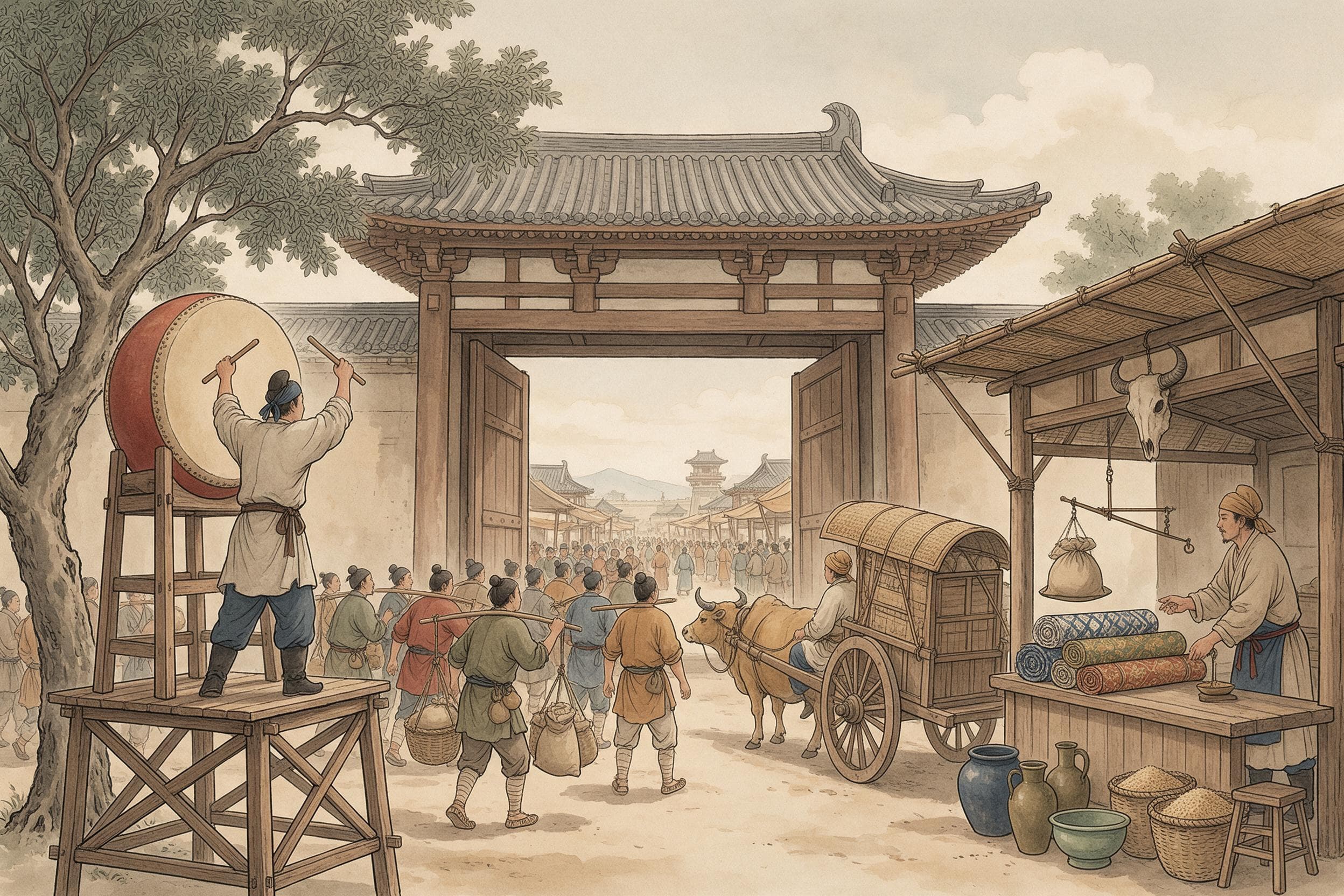
The Register Came First: Earning a Living in Tang China
Tang statutes fixed what a load, a day and a year were worth, before the register decided who could do which work. What the state priced, and what it left out.